
 Jon Stojan
Hui Shi, a distinguished architect and Associate Chief Architect at the Northeast China Architecture Design Institute, holds certifications as a U.S. licensed Architect, a Chartered Architect with the Royal Institute of British Architects (RIBA), and a LEED Accredited Professional (BD+C). Her profound contributions to the architectural and urban planning fields have earned her various accolades, including being recognized as an “Excellent Young Architect” by Liaoning Province, China, and receiving the prestigious FDC Award for Internationally Influential Cover Designer of the Year in 2023. Her work has not only garnered local recognition but has also gained international attention for its impact and innovative approach to architectural design.

Image credit: Hui Shi
In addition to her work at the Northeast China Architecture Design Institute, Hui Shi has served as the Design Director at Wanda Commercial Group, a position that saw her lead the design efforts for commercial malls across China. She has also been awarded numerous other international accolades, such as the Muse Golden Award and the Muse Silver Award, solidifying her position as one of the most influential voices in architecture today.
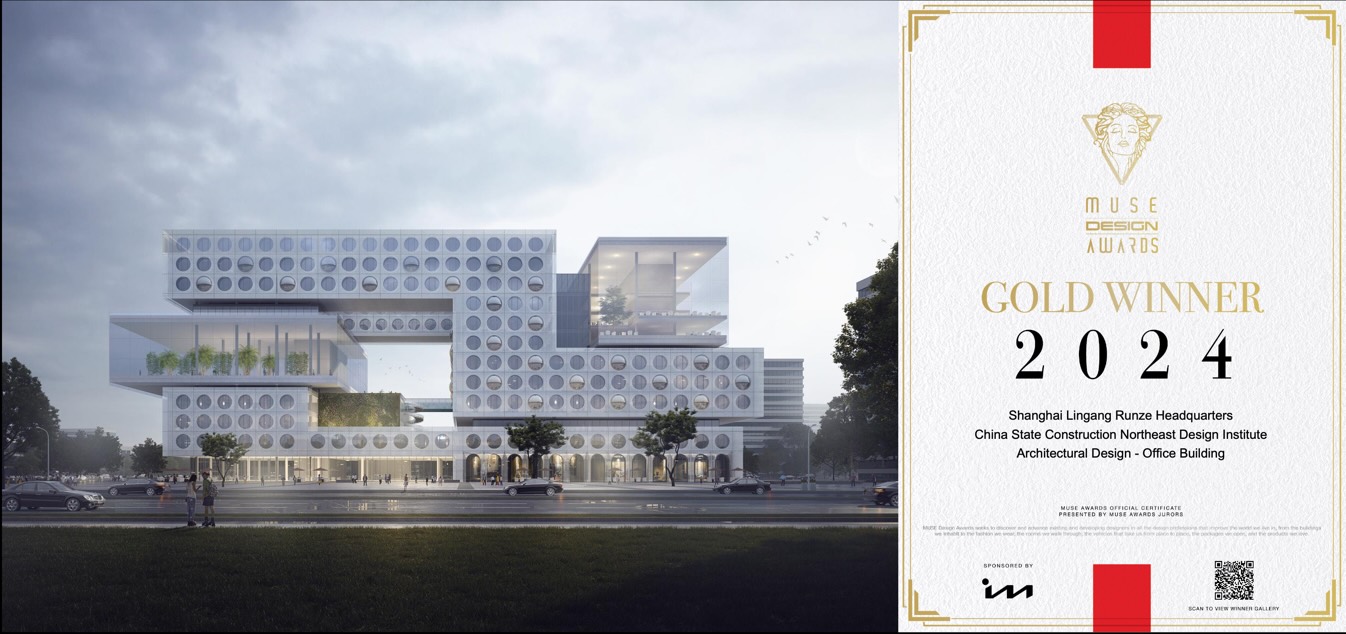
Runyou Headquarters Building Design; Image credit: Hui Shi
The Runyou Headquarters Building Project, awarded the Gold Prize, showcases Hui Shi’s expertise in seamlessly integrating modern office design with sustainability and urban connectivity. As the lead architect, she redefined conventional office spaces by enhancing spatial efficiency, maximizing natural lighting, and prioritizing user experience, all while preserving the building’s architectural identity.
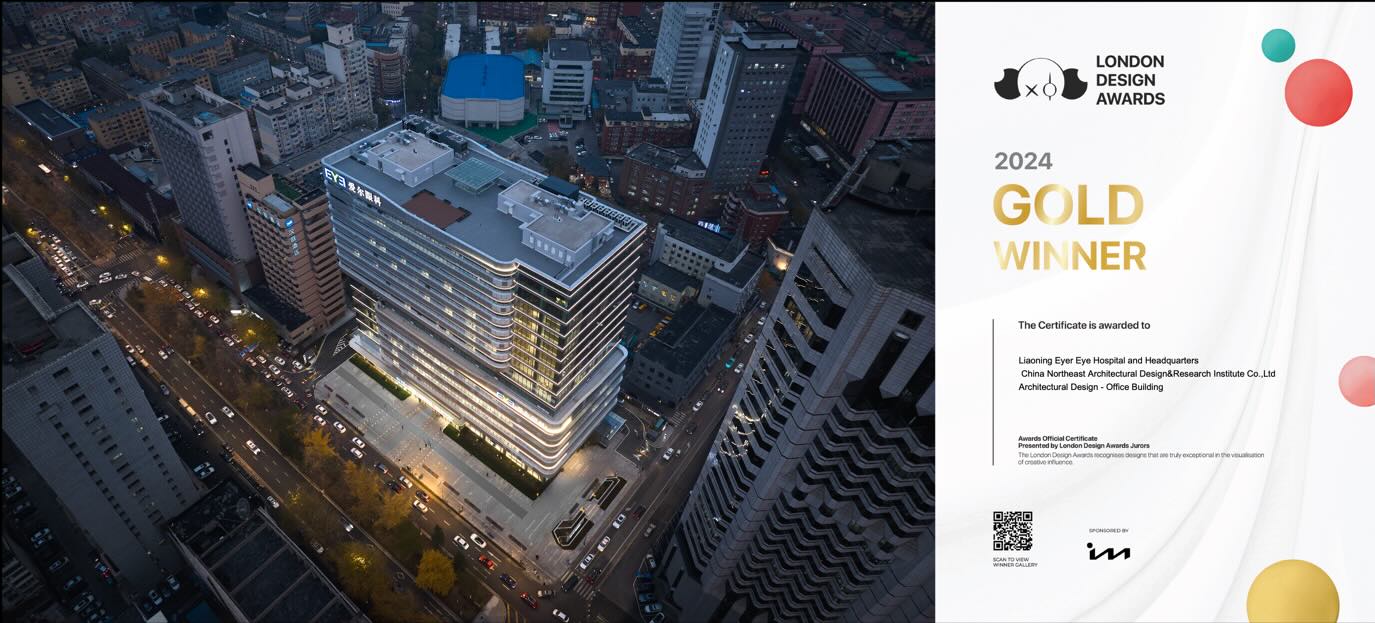
Shenyang Eyer Eye Hospital Building; Image credit: Hui Shi
Hui Shi’s design for the Shenyang Eyer Eye Hospital Building was awarded the Gold Prize at the London Design Awards. This project showcases her innovative approach to healthcare architecture, combining cutting-edge design with patient-centered functionality. The building’s sleek, modern aesthetic and thoughtful spatial planning create a welcoming and efficient environment for both patients and medical staff. Its recognition at the London Design Awards highlights Hui SHi’s ability to deliver designs that are not only visually striking but also deeply impactful in their purpose.
Another remarkable project is the Dalian Science and Technology Cultural Center, where Hui Shi performed as one of the chief designer and project manager, has skillfully combined the unique rocky coastline of Dalian with architectural design. This Project has won NY Design Silver Award in 2024. The building’s form, inspired by the waves and reefs of the sea, creates a dynamic architectural expression that responds to its natural surroundings. The project’s landscape design utilizes wetland and forest features, increasing the permeability of the site and contributing to the sponge city effect—an approach to managing rainwater and alleviating flood risks. This thoughtful design approach not only enhances the city’s ecological services but also reduces long-term maintenance costs and increases property value, demonstrating the potential of natural infrastructure to drive economic growth and environmental stewardship.
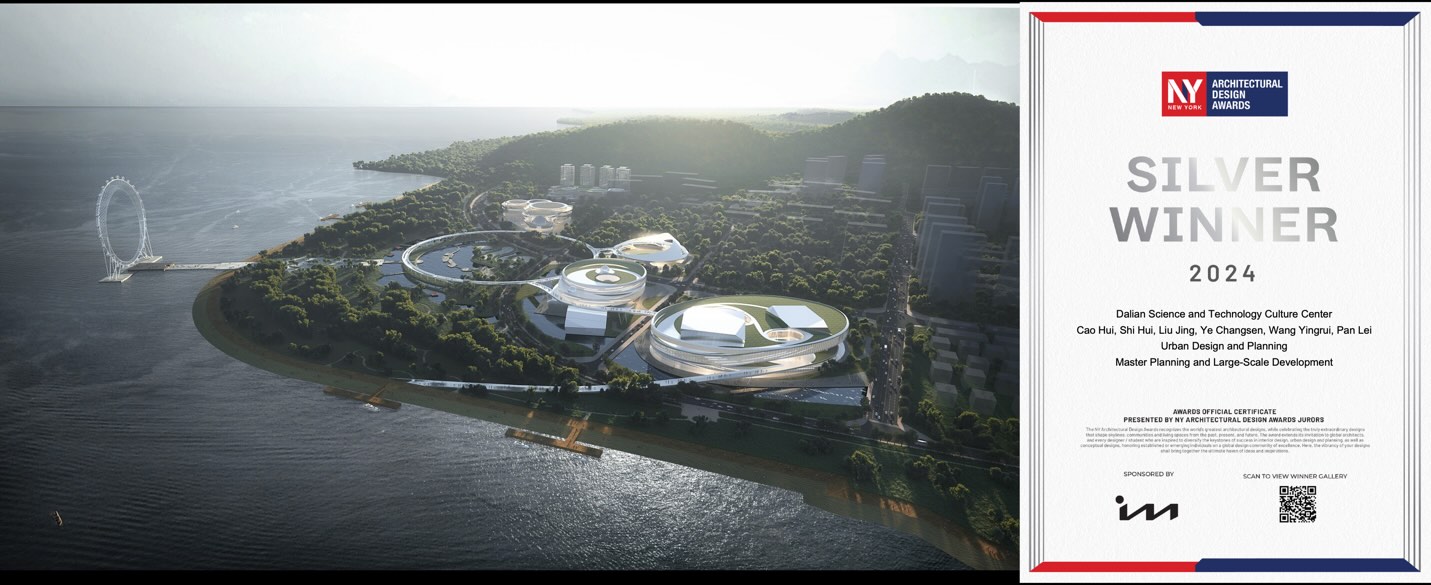
Dalian Science and Technology Cultural Center; Image credit: Hui Shi
Hui Shi’s architectural vision has consistently extended beyond aesthetics to embrace environmental sustainability. Her design approach focuses not only on spatial innovation but also on the integration of ecological systems to foster resilience in urban environments. As a result, her work has demonstrated how architecture can actively contribute to urban regeneration, environmental consciousness, and social well-being.
Her commitment to sustainable development is reflected in her approach to revitalizing aging commercial spaces. She is a renowned architect specializing in commercial building renovations, transforming old structures into thriving business hubs. At RTKL, she contributed to the award-winning Qingdao Golden Lion Plaza and led the redesign of multiple Robinson malls in Manila. From 2021 to 2022, she served as Design Director at Wanda Commercial Management Group, overseeing 60+ commercial projects across northeastern and northwestern China, including Shenyang Shenbei Wanda Plaza and Haerbin Hatai Wanda Plaza, revitalizing declining retail spaces with great commercial success. In 2022, she returned to China Architecture Northeast Design Institute, where her renovation of the 200,000-square-meter Shengjing Big Family Mall in Shenyang earned a MUSE Silver Award and a Bronze Award at the China Creative Space Design Competition, further solidifying her expertise in sustainable commercial space transformation.
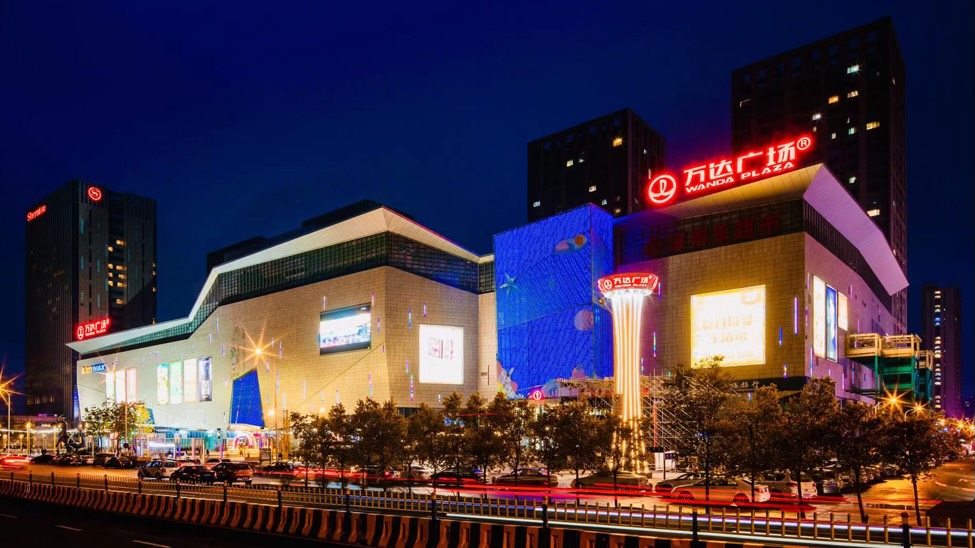
Haerbin Hatai Wanda Plaza; Image credit: Hui Shi
When asked about the future of architectural design, Hui Shi emphasizes the importance of adapting to the challenges posed by urbanization and climate change. “Cities are under increasing pressure from rapid expansion, pollution, and extreme weather events driven by climate change,” she notes. “These challenges threaten public health, safety, and the stability of ecosystems, making it imperative for us to explore sustainable urban development strategies that enhance resilience and adaptability.”
Hui Shi firmly believes that the solution lies in the application of nature-based solutions at both the urban and architectural levels. “While much research focuses on regional or city-wide strategies, I believe there is still insufficient attention given to the unique challenges and opportunities presented by specific sites,” she explains. For Hui Shi, the integration of nature-based solutions is not merely an aesthetic choice but a critical tool for improving urban resilience and addressing environmental stresses.
In exploring the intersection of sustainability and urban resilience, Hui Shi has proven that integrating ecological design principles into the heart of modern cities and buildings is not just beneficial but essential. “Through innovative design methodologies and technologies, we can create spaces that foster the harmonious coexistence of the economy, society, and the environment,” she says. Her work exemplifies how architects can play a pivotal role in shaping a sustainable future while ensuring that cities remain livable, resilient, and thriving.Through her groundbreaking projects and thoughtful design philosophy, Hui Shi continues to lead by example, proving that architecture can be a transformative force for both people and the planet.