
 Mark Stefanos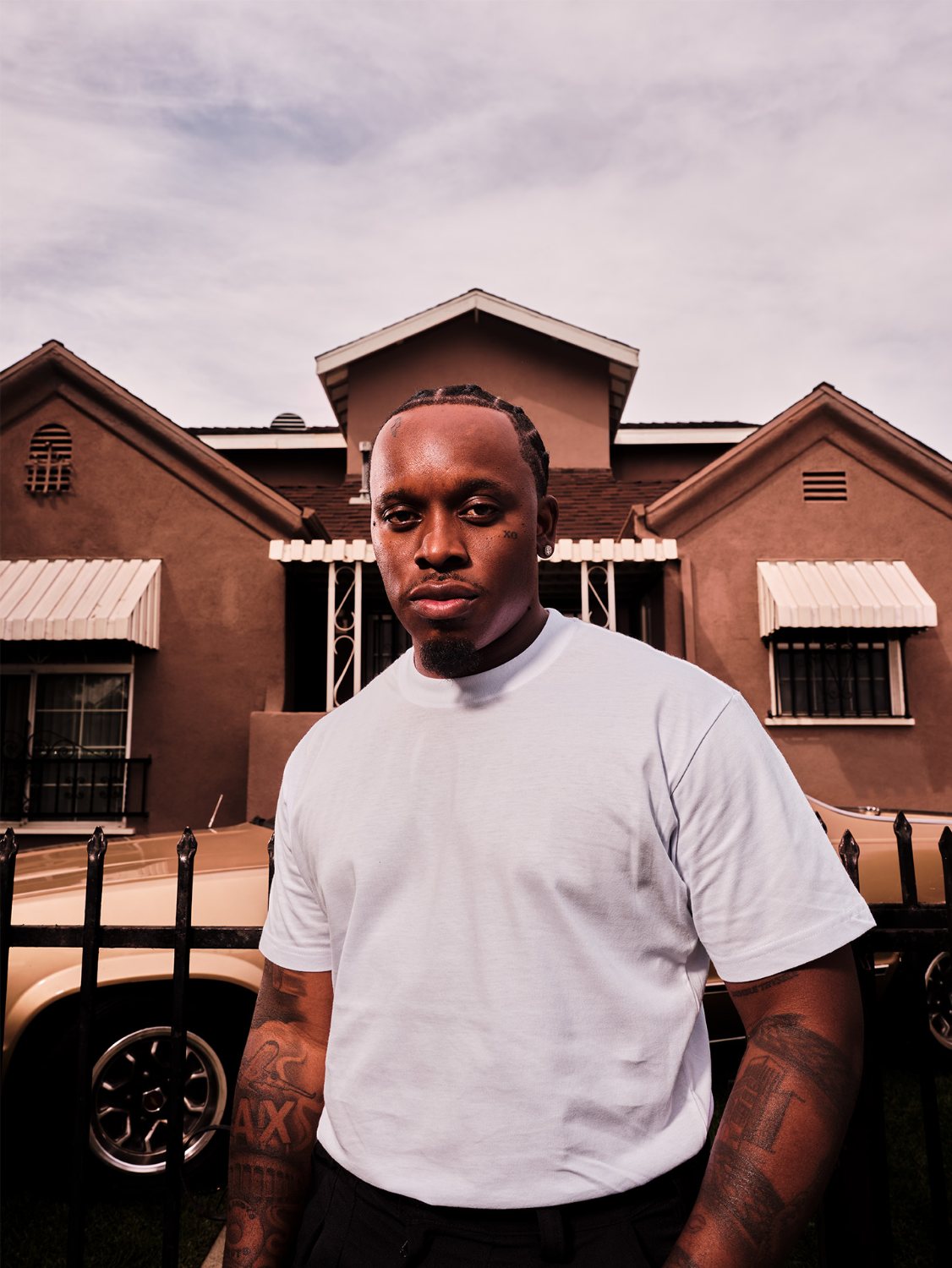

When we called BLXST this week, he was commuting in London. He had just wrapped up his first experience at the European fashion weeks where he spent his time taking in runway shows, meeting designers and immersing himself in another creative world.
The trip felt like a natural extension of interests he cultivated long before music became his full-time career. Before emerging as one of Los Angeles’ most distinctive melodic voices, BLXST built a foundation in graphic design and creative direction, shaping artwork, branding and visuals alongside his music. Those influences continue to inform his creative process today.
“I just went to learn, just to be a student,” he says of the trip. “I love all types of expression. I get locked in music a lot, so I’ve got to scratch that itch and pull inspiration from different worlds.”
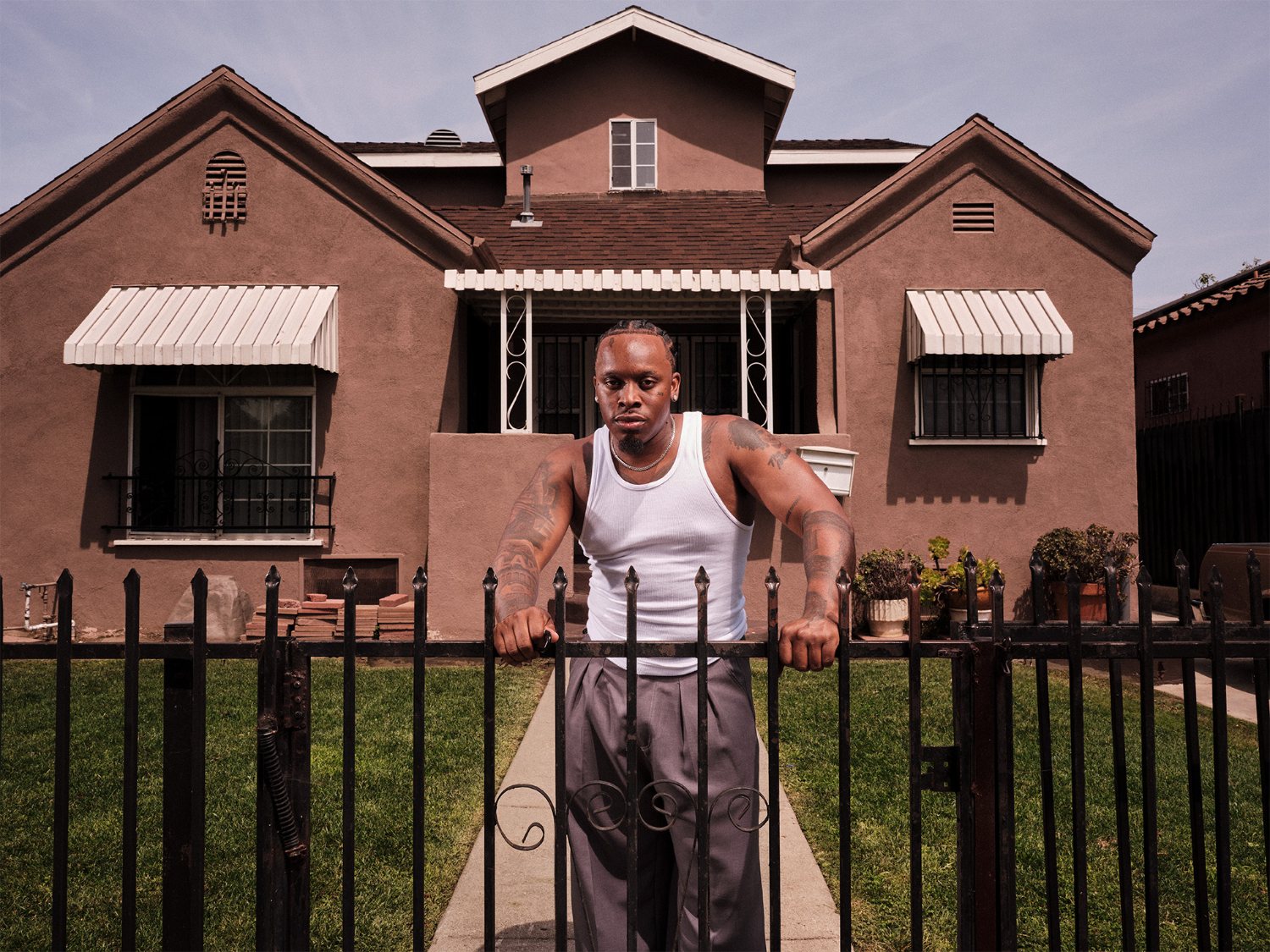
BLXST (Photo: Joshua Gonzalez)
That mindset shaped Labor of Love, his latest album and the first full-length project he wrote and produced entirely on his own. Nearly five years after No Love Lost introduced the sound that helped launch his career, the new record brings him back to those roots while reflecting everything he has learned since.
“I feel real proud of this body of work, being hands-on with it from top to bottom and knowing that it comes from an authentic place,” he says. “I’m telling real stories. I think it’s going to stand the test of time. Fans are going to look at this one in my catalog and feel the same way that I feel about it. It was real stories, real vulnerable moments, and I feel people connect to that.”
Producing the album himself was something he had wanted to do for years.
“My first project that a lot of people know me for, No Love Lost, I was heavy on that one, but it was only about 80%,” he says. “I wanted to tap back into the sound that people fell in love with and really hone in on the wisdom that I learned since then. It’s been five years since I dropped that project, so it felt like a full-circle moment to give people an elevated BLXST staple sound.”
The biggest challenge, he says, wasn’t writing or producing every song. It was having the patience to see the process through, noting the process takes time. “I wanted to be hands-on with everything. Sometimes, when you’re doing everything, it slows down the process, but it also makes it that much more valuable when the final product is there.”
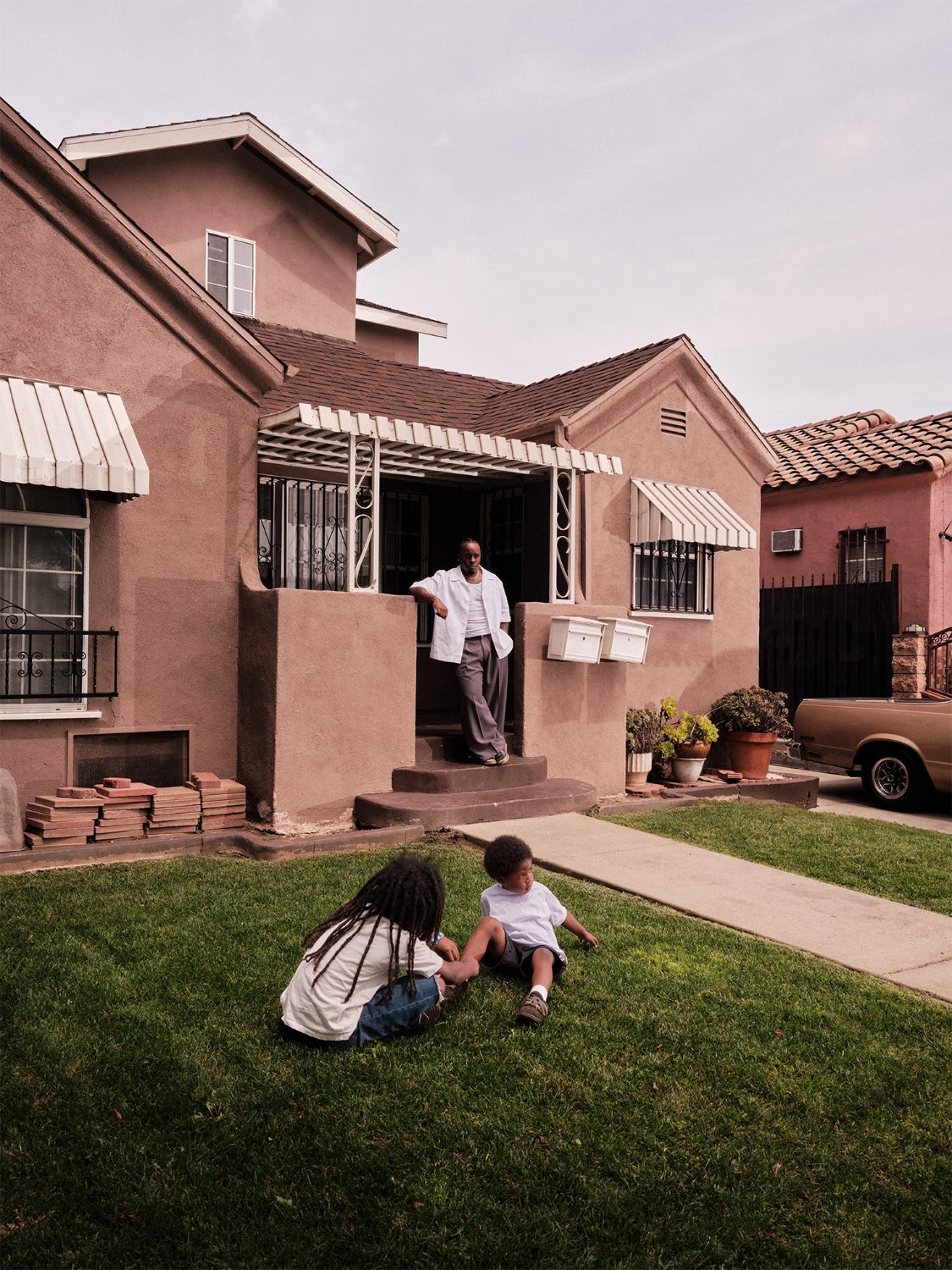
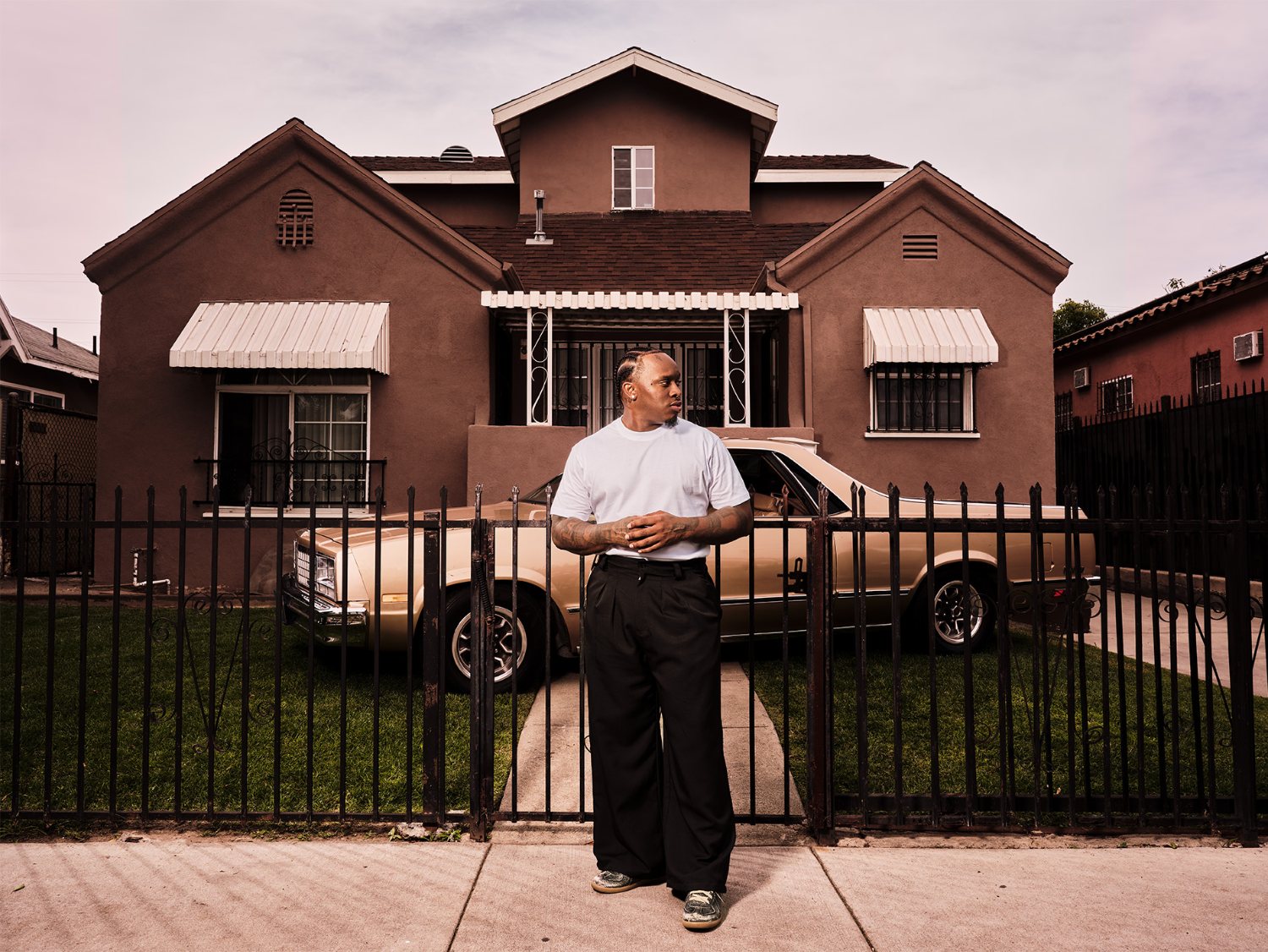
BLXST (Photo: Joshua Gonzalez)
The idea of slowing down extends beyond the studio. Over the past several years, BLXST stepped away from the constant pace of recording and touring to spend more time with his family. The father of two sons, ages eight and three, says the decision helped reconnect him with the reasons he started making music in the first place.
“It’s been a journey,” he says. “My son plays basketball right now, so I’ll be on full-time dad mode with my camera in the corner capturing everything. Playing fake coach. I’ll be coaching the coaches sometimes because they don’t get it right,” he laughs. “I think me taking two years off just to be present with my family kind of gave me a groundedness to reconnect with my why — why I started making music and why I feel like I’m adding to the universe. Just gaining my purpose back.”
It’s a perspective that runs throughout Labor of Love. While many of the songs explore romantic relationships, BLXST says the album’s title reaches much further than that. “For me, I think that’s the most powerful word that we thrive on. It’s like the heartbeat of the world — love,” he says.
“Sometimes we use it in vain, which is why I wanted to highlight the labor of love, the ways that we can uphold it and keep it up. Some of those things are sacrifice and showing up even when you don’t want to. I wanted to show the vulnerability from my perspective as a man and the things that I go through just to connect to somebody who may be going through something as well. We’re fighting for love at the end of the day, but it takes work.”
That work includes embracing the difficult moments instead of expecting relationships to come easily. “It’s not just all glitz and glamour,” he says. “Sacrifice isn’t a beautiful thing. Sometimes it hurts. Sometimes impatience gets in the way. Even just being vulnerable, being real, letting go or opening up — as a man, especially as a Black man, that’s one of the hardest things to do. But I think that’s what brings connectivity.”
That philosophy shapes the way he approaches life more broadly. “One of the main things I really appreciate learning is enjoying the process,” he says. “Enjoying the process of creating, enjoying the process of learning how to be a father, enjoying the process of being an imperfect human and taking on my losses and my pain and turning art out of that — making beauty out of that.”

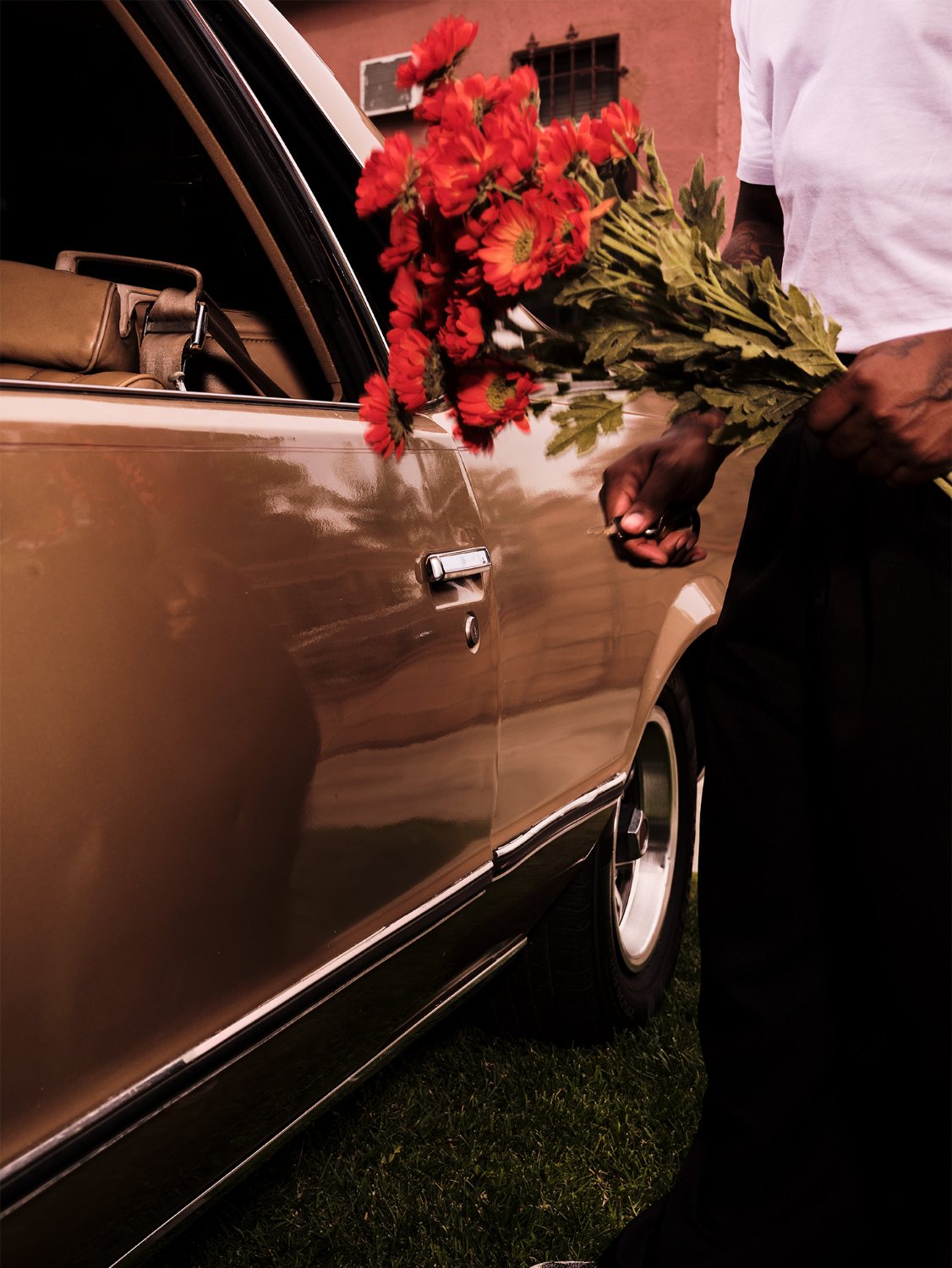
(Photo: Joshua Gonzalez)
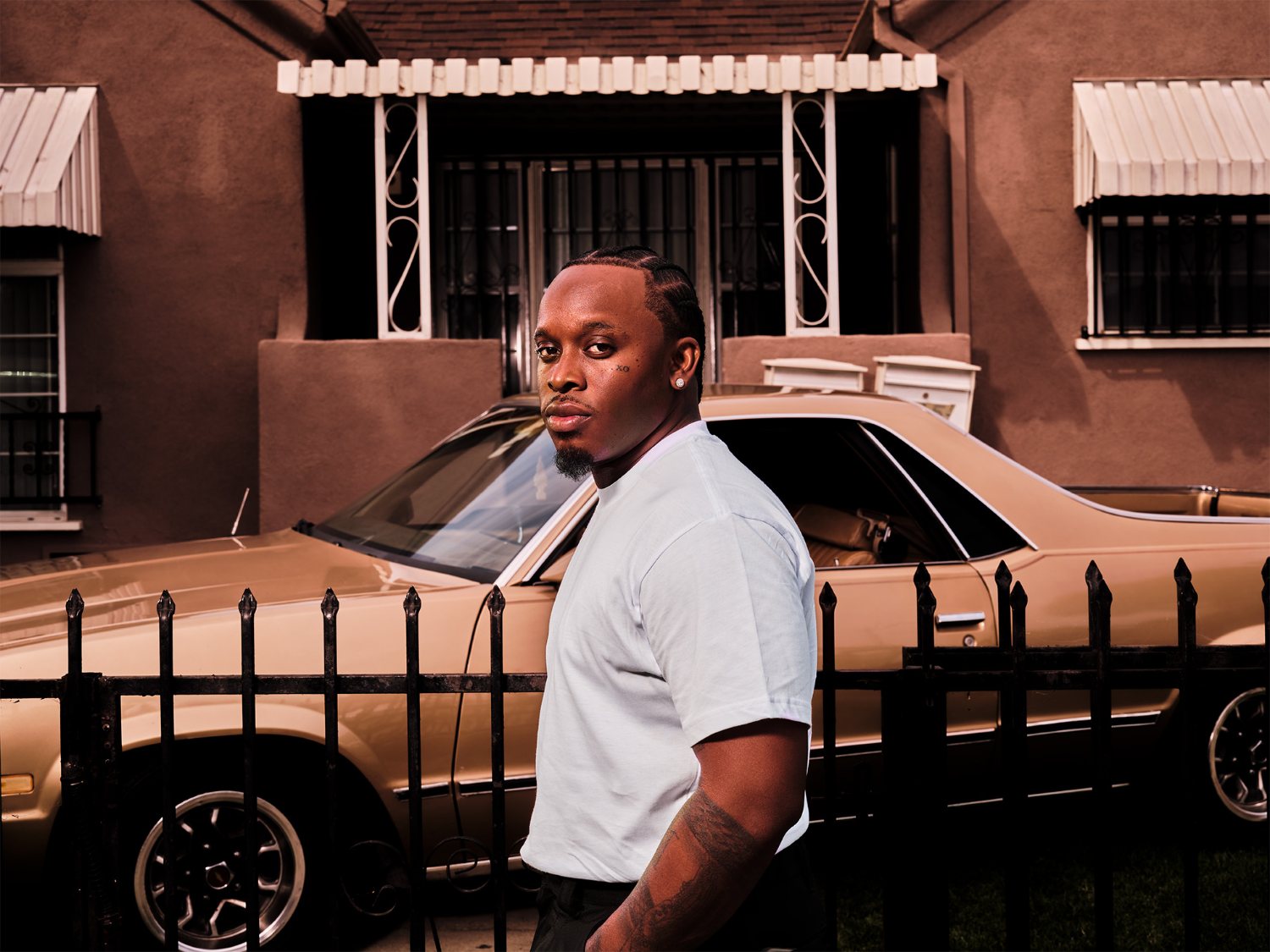
Those themes come together in one of the album’s most personal images. Its cover was photographed in front of the South Los Angeles home his grandfather built, where BLXST spent much of his childhood and where his grandfather still lives today. “I wanted to symbolize home and connect back to my roots, just like I did sonically,” he says. “That’s how I feel as a man — back to square one, back to the reason why.”
The image also reflects the family that made his career possible. “My mom, my grandparents — although they didn’t have every card in the deck, we still had some type of cards for me to be able to do what I’m doing,” he says. “I just want to continue to propel so my kids can do the same, so they can dream freely and fly unapologetically.”
That sense of gratitude has guided the way BLXST talks about the past, the present and what he hopes to leave behind.
BLXST views his place within the West Coast tradition with an appreciation for where he came from. Growing up, he watched West Coast artists build a legacy that would influence generations, and he sees today’s landscape as one that’s constantly evolving while staying rooted in that history.
“I’m so honored to be able to be at the forefront, one of the young ones that’s coming up holding the torch,” he says. “There were legends that came before me — people like Dr. Dre, Snoop Dogg. Even the lineages that come from that: 50 Cent, Eminem, Kendrick, Anderson .Paak. When I think about them, I just think about greatness. I try not to settle for anything other than greatness. I try to be intentional and make sure I’m leaving something behind for when I’m dead and gone.”
He also sees today’s West Coast as one of its most creatively diverse eras. “I love the sound,” he says. “We’ve got so many different artists and such a wide range of it. You’ve got the ones in the streets, and artists like Doechii. Vince Staples, Kendrick, Tyler — it’s a lot to pull from. As a whole, we’ve been winning. I’m just playing my small little part, adding a little bit of love.”
His own path into music wasn’t a straight line. During high school, BLXST moved from Los Angeles to the Inland Empire, where he attended Upland High. While the move was difficult at first, it ultimately gave him the time and space to discover new creative outlets.
“I had to move with my dad,” he says. “I wanted to stay in LA, but I think that shifted my perspective and gave me an opportunity to focus on something other than just going outside and running around.”
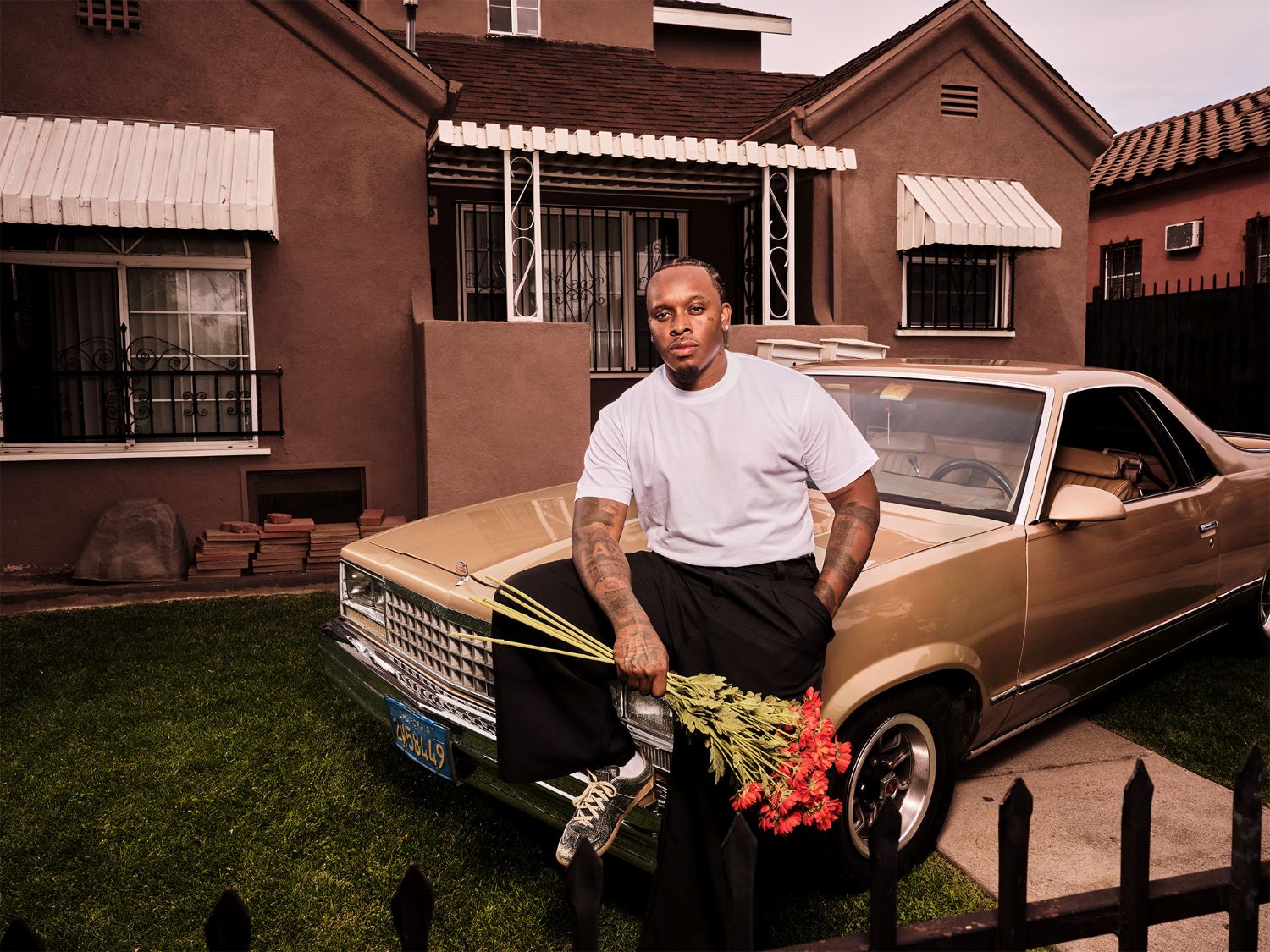
BLXST (Photo: Joshua Gonzalez)
He immersed himself in skateboarding, becoming fascinated by the culture surrounding it. “I was doing that heavy,” he says. “Once I broke my ankle, I came across music through my cousins. I got an opportunity to record, and I fell in love with my voice. I wasn’t the greatest, but it did something to my soul. It felt like this was it.”
The Inland Empire also gave him something he hadn’t expected: solitude. “There was a lot of isolation out there,” he says. “It can be looked at as a bad thing, but I think I’m my greatest when I’m isolated. I have time and space to connect with myself.”
He credits the IE’s skateboarding community with exposing him to artists and creatives who broadened his perspective. “The skating community felt very accepting during that time,” he says. “That’s when I came across Pharrell, Ice Cream, Baker, Terry Kennedy — just being online, being on MySpace. I put a lot of my influence on that era, the Ice Cream era, skateboarding.”
Those influences continue to surface throughout Labor of Love, an album that balances introspective songwriting with the melodic style that has become one of BLXST’s trademarks.
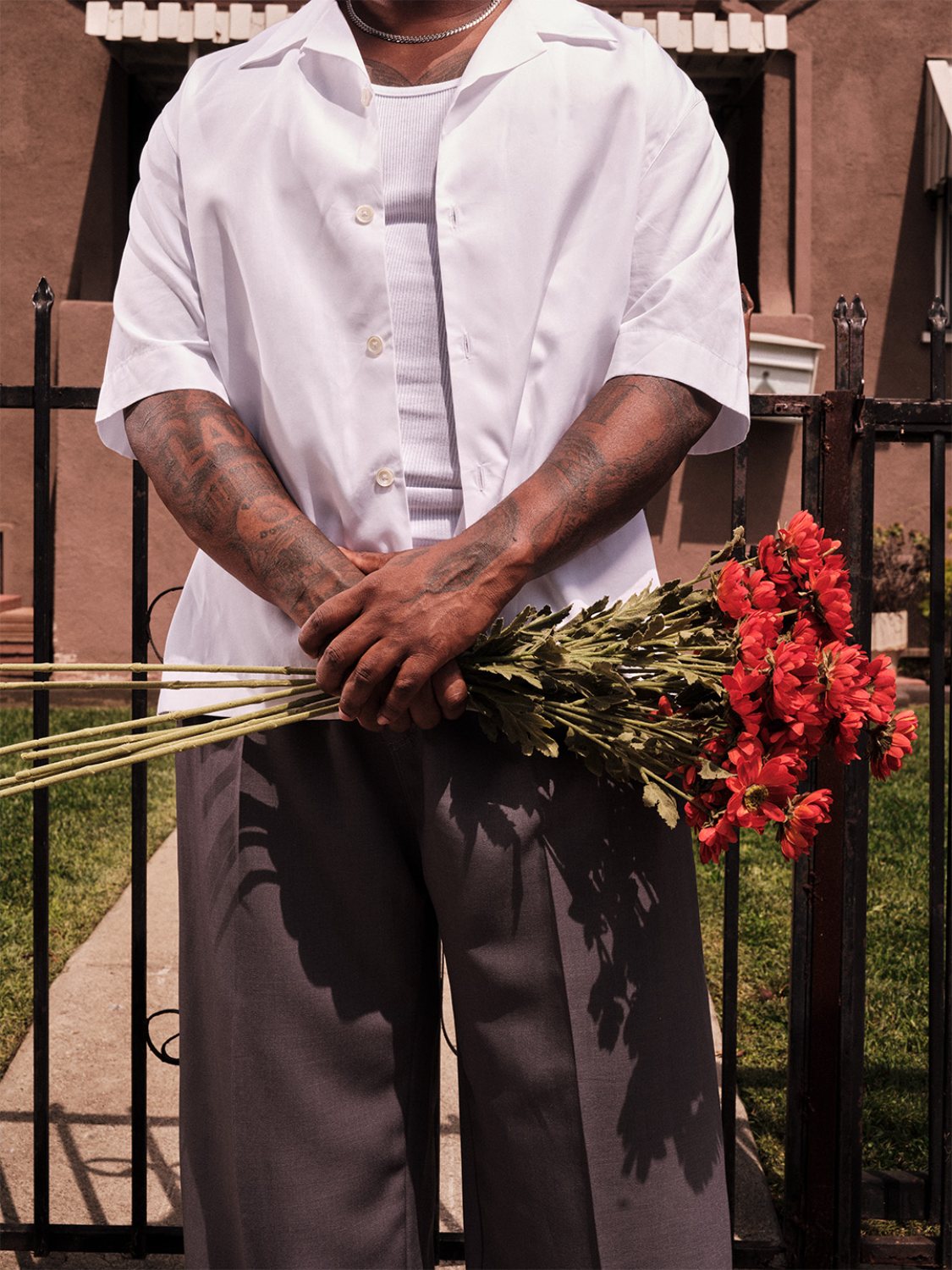
BLXST (Photo: Joshua Gonzalez)
Asked which songs he hopes listeners spend time with, he points to “Ruin,” featuring Sasha Keable. “The production is flawless,” he says “The musicality is on a level that you never really heard from BLXST, but it still gives you that same feeling of soul and bounce. I like the message. I say, ‘Don’t ruin it. Don’t let this ruin the whole thing.’ It’s about being optimistic through the things we may go through in a relationship, so we don’t let it all crash and burn.”
Another favorite is “Just My Type.” “That’s one of those classic BLXST songs,” he says. “Sonically, it’s infectious. You can throw that on at any party, and your grandma might start dancing with her grandchild. That’s the type of energy it has. It brings me back to my childhood because music was always a part of my family. That’s the way we connected — through lyrics, melodies and making songs.”
The conversations around love throughout the album are grounded in his own life. BLXST says he is still with the mother of his two children, and he speaks openly about the commitment that relationship requires. “We’re rocking strong. It ain’t easy, but we’re doing it. Showing up every day. I’m definitely not perfect. I make mistakes.”
That honesty is central to what Labor of Love represents. “It’s the soundtrack to my life right now,” he says. “It’s the soundtrack to my relationship — not only with my partner, but with my kids and myself, with God, my family. That’s just where I’m at right now. It’s the Labor of Love era.”
With the album now out in the world, BLXST is eager to bring it to audiences in person. Touring remains one of his biggest priorities, particularly outside the U.S.
“I’m fighting every day to get on the road,” he says. “That’s the one missing piece — connecting with the fans that make it all possible and make it possible for me to do what I love and provide for my family. Hopefully I’m able to go on an international run where I can touch different markets that I haven’t reached yet. I feel like there’s a lot of potential and a lot of people that need to hear BLXST live.”
Even while promoting the album overseas, he finds himself inspired by the creative energy around him. “I want to get back to London and make another six-tape to keep the catalog going, because I think that’s a different side of BLXST that people love too.”
It’s a fitting sentiment to close on. Whether in Europe soaking up fashion and looking for ideas beyond music, producing an album from the ground up, raising two young sons, reflecting on his family’s legacy or thinking about the next project, a dogged curiosity runs through nearly every part of his life.
“I’m proud of this body of work,” he says. “It comes from an authentic place.”
Follow BLXST on Instagram @BLXST.
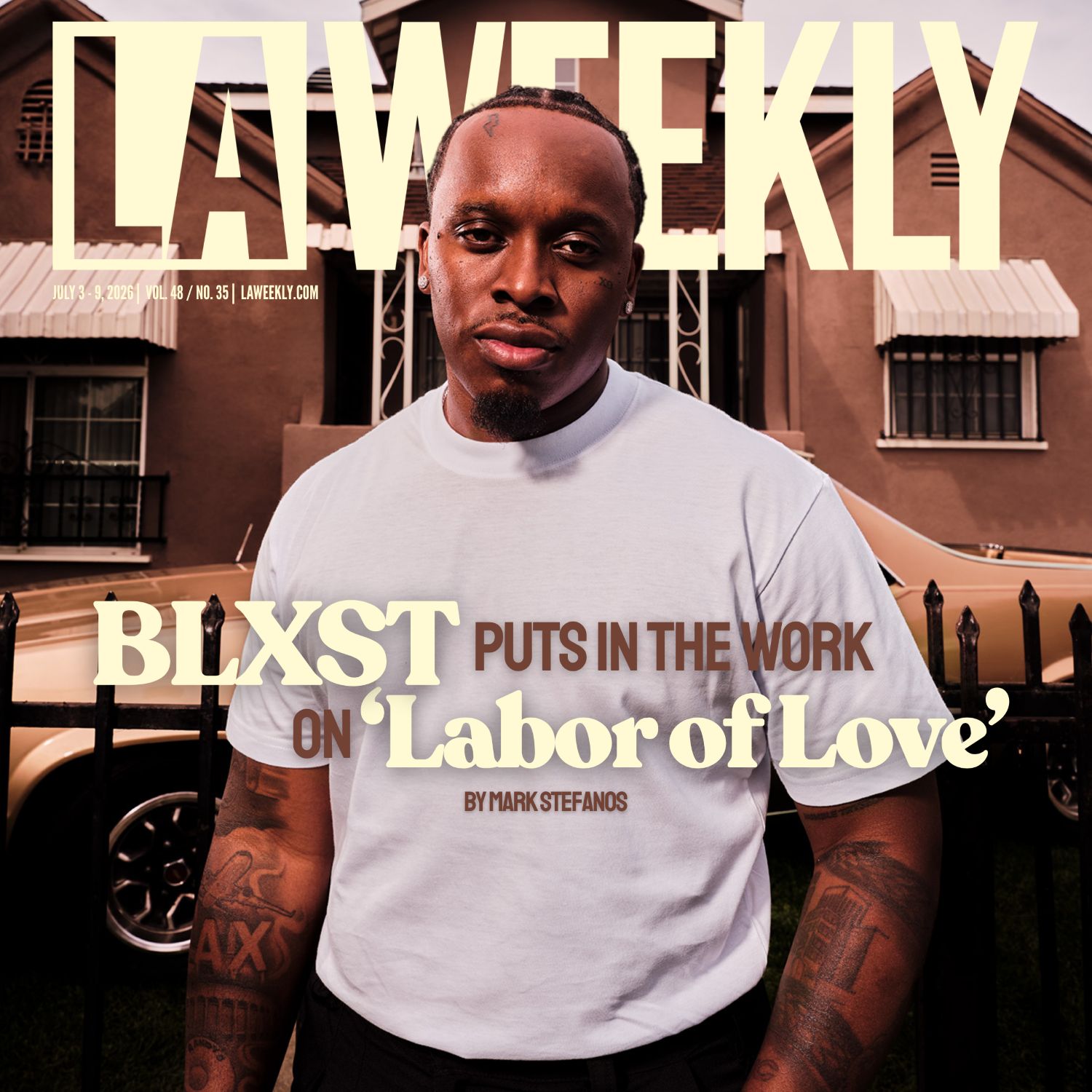
BLXST on the July 3, 2026, cover of LA Weekly. (Photo: Joshua Gonzalez; design: Mark Stefanos)