
 Mark Stefanos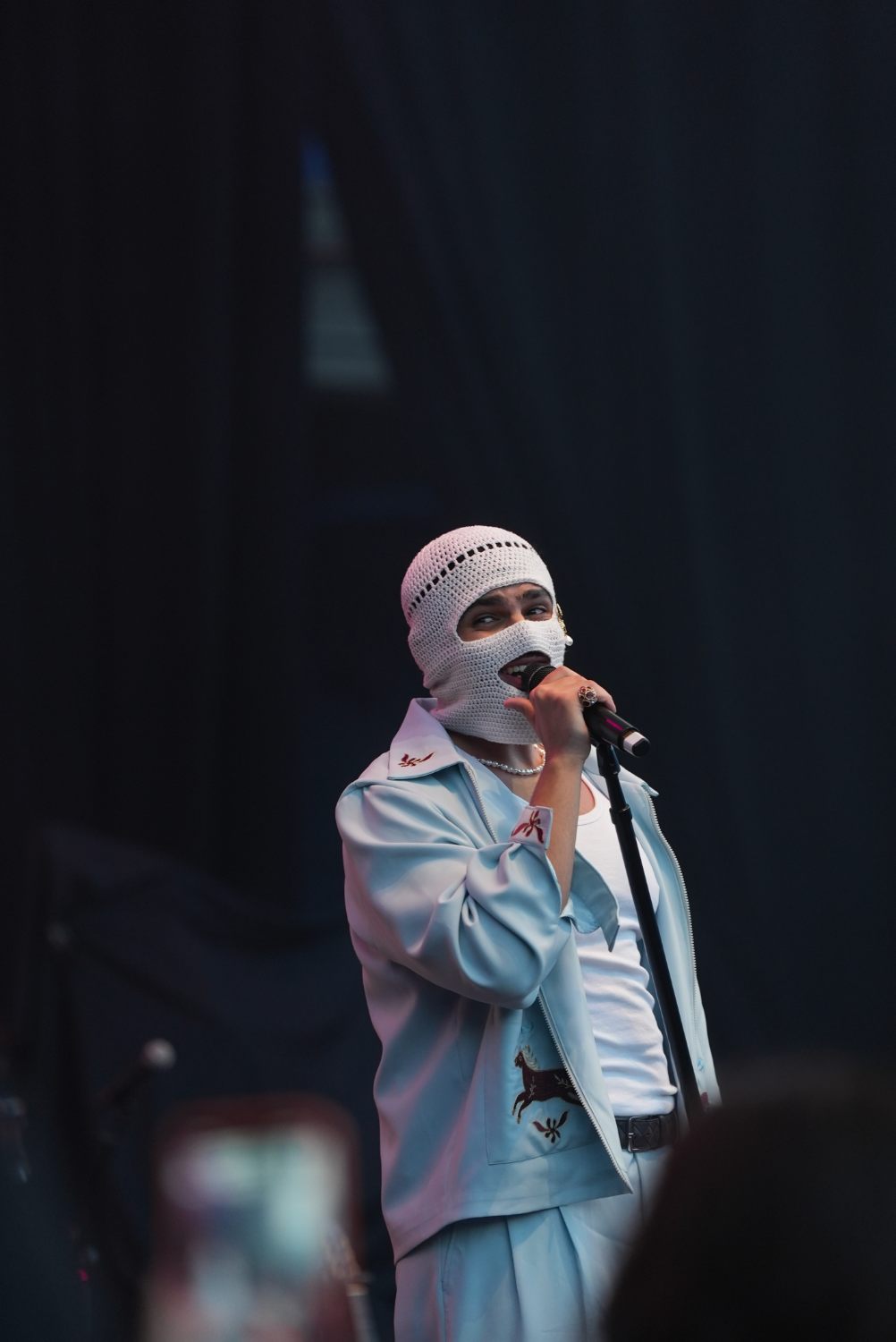
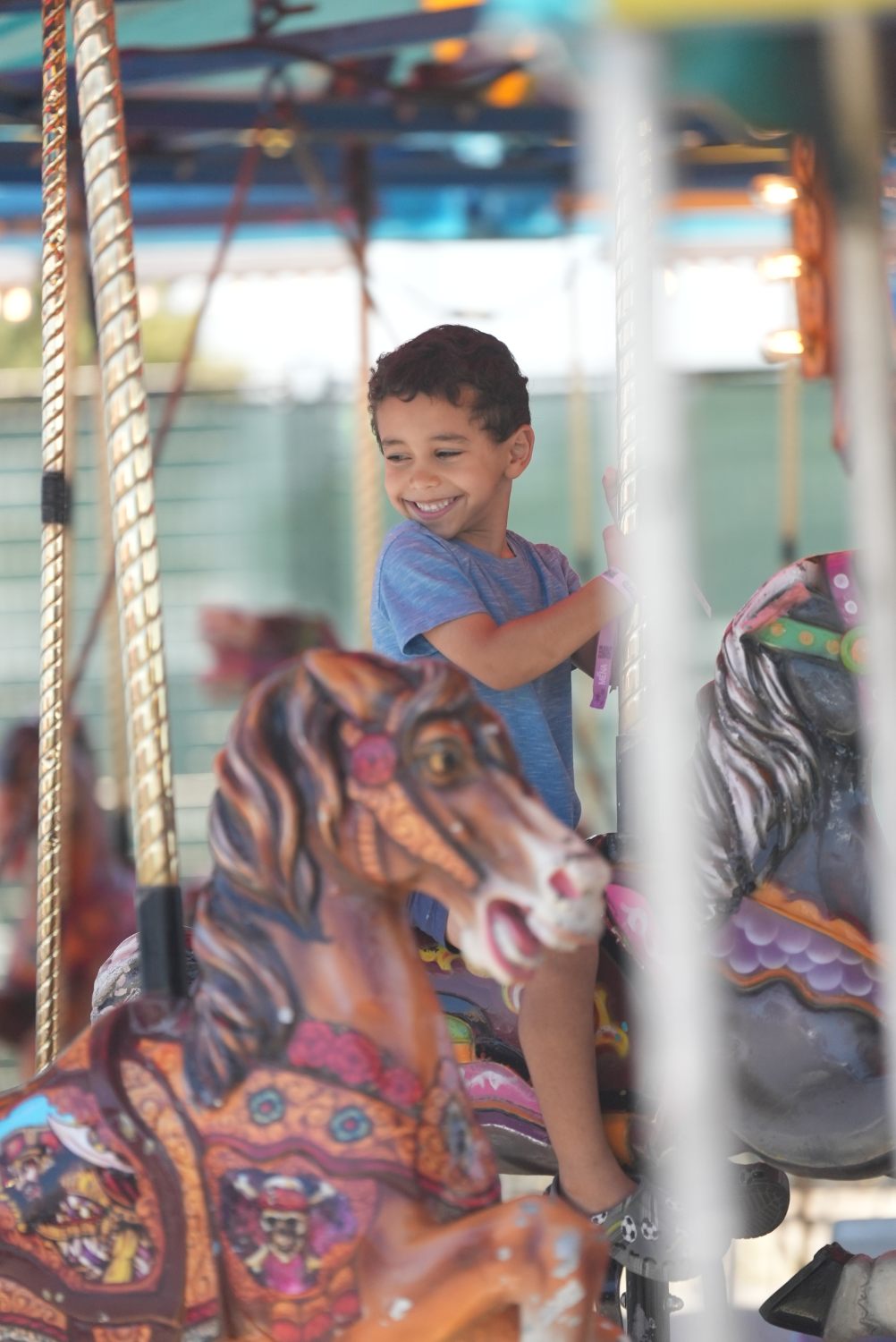
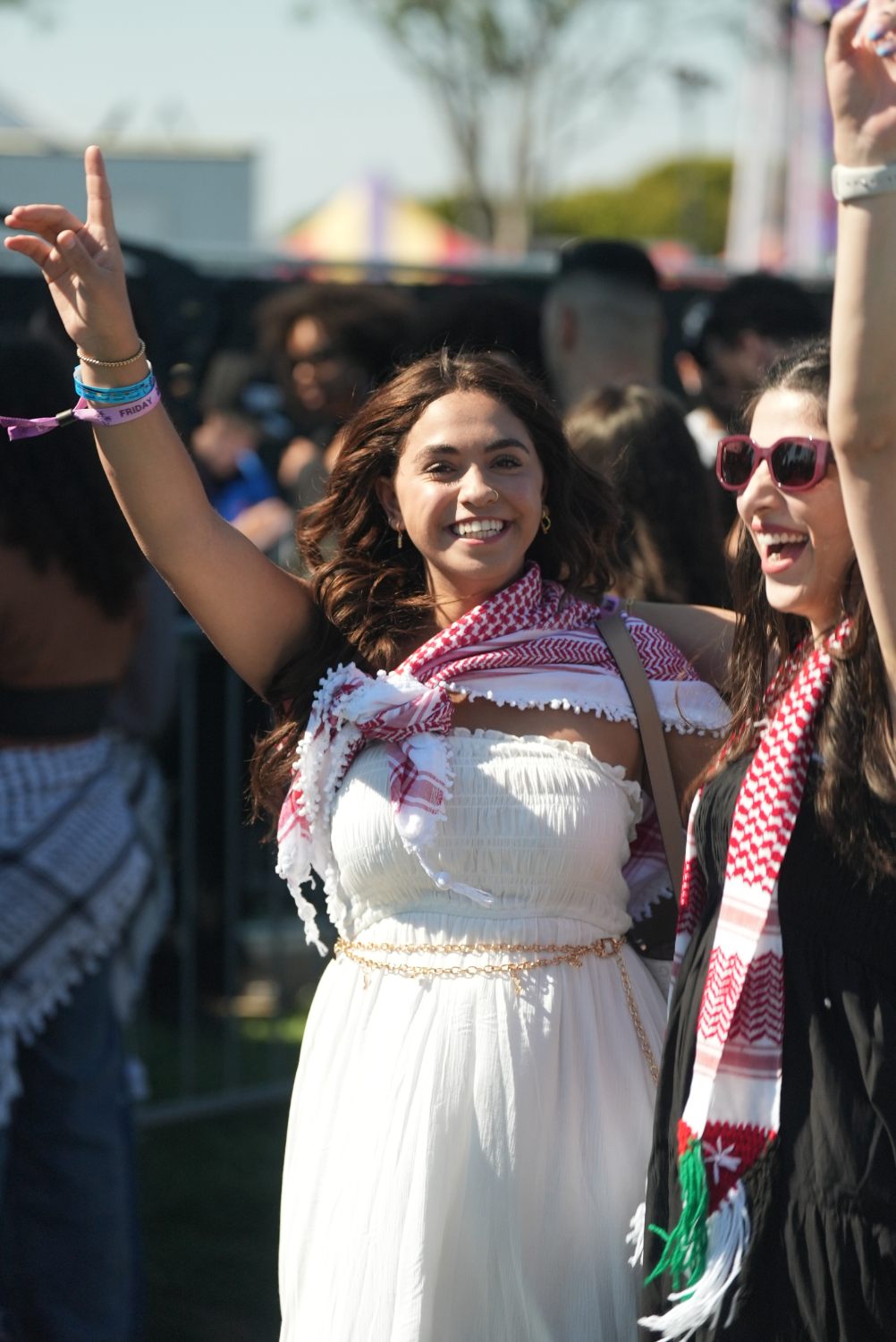
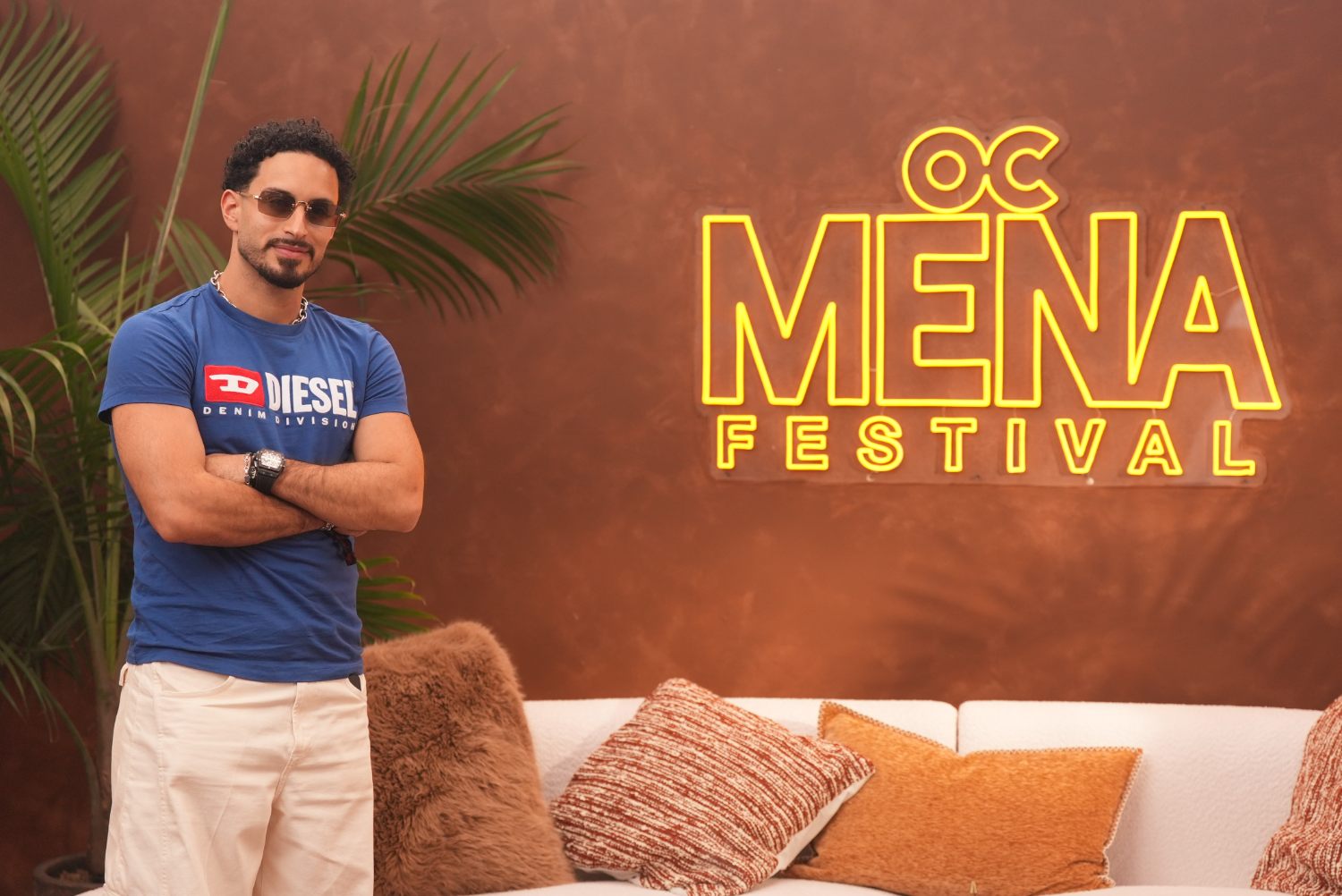
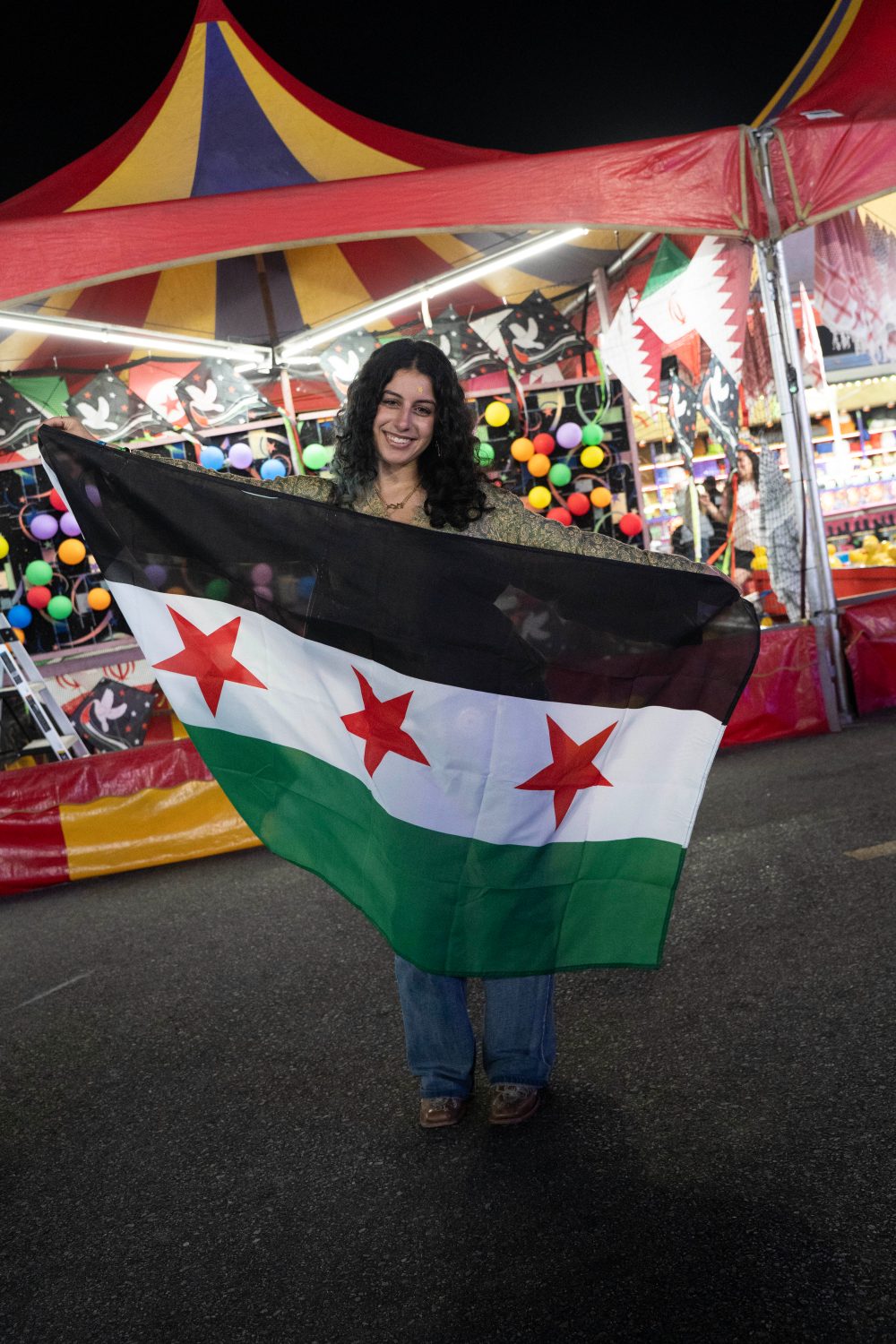
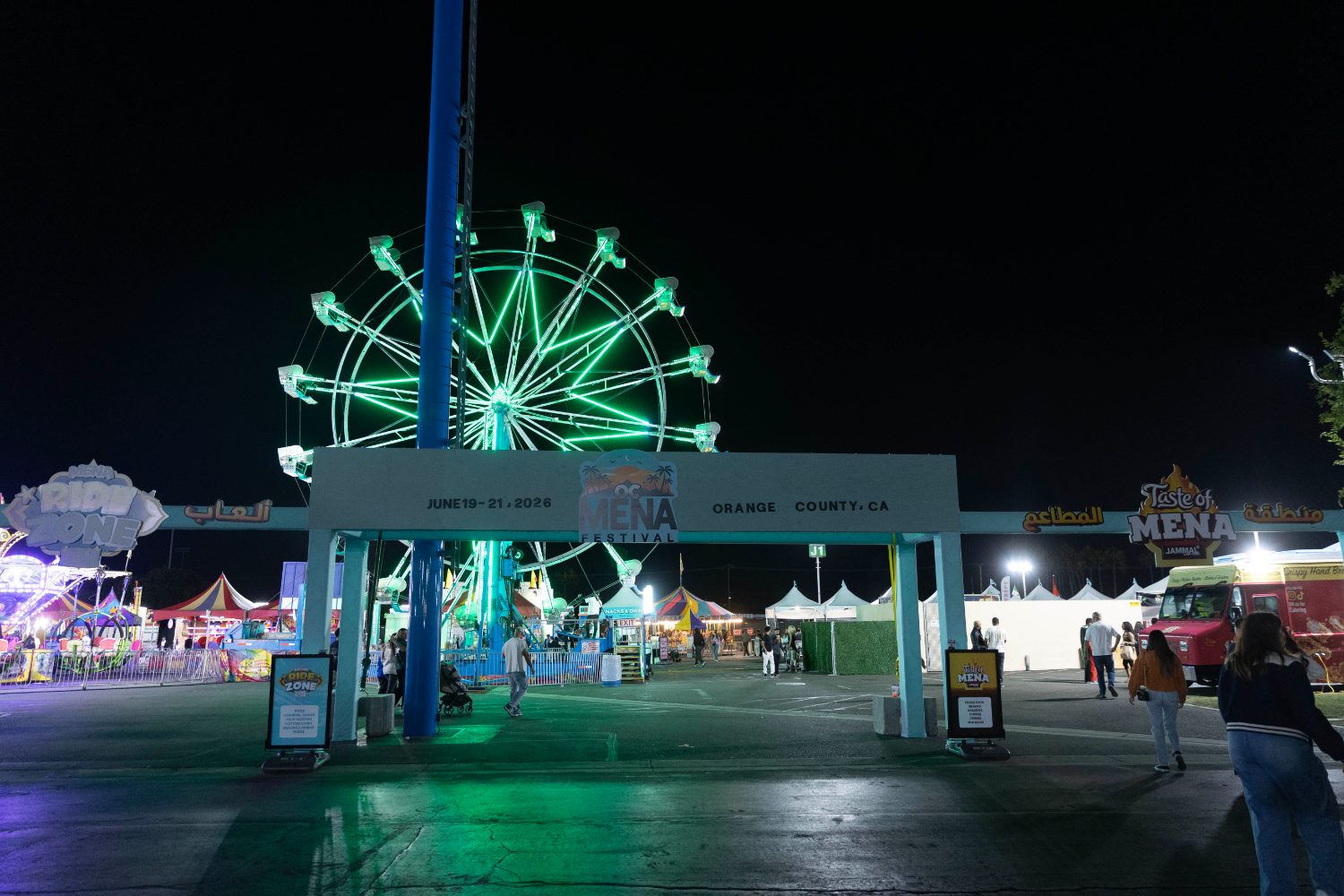
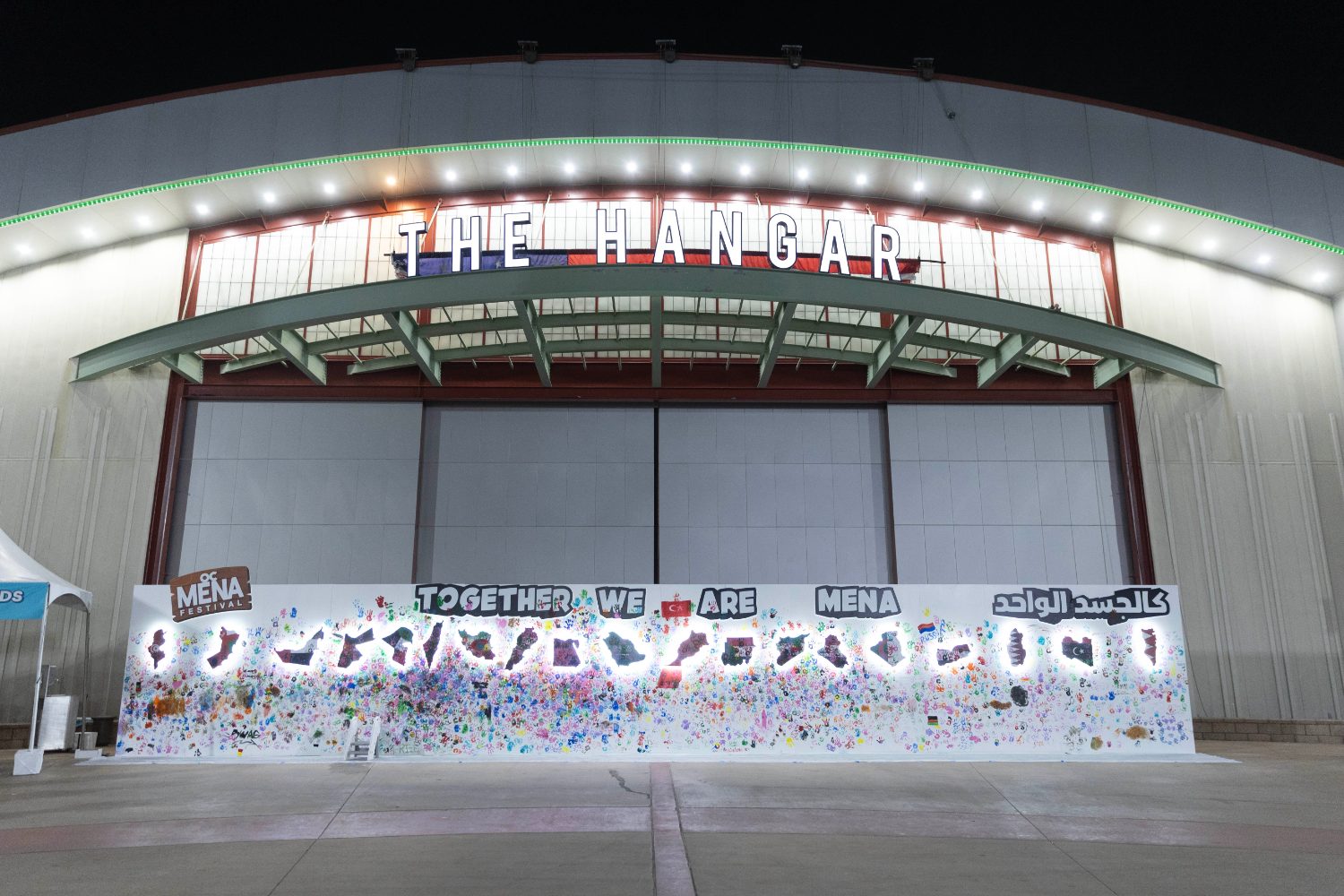
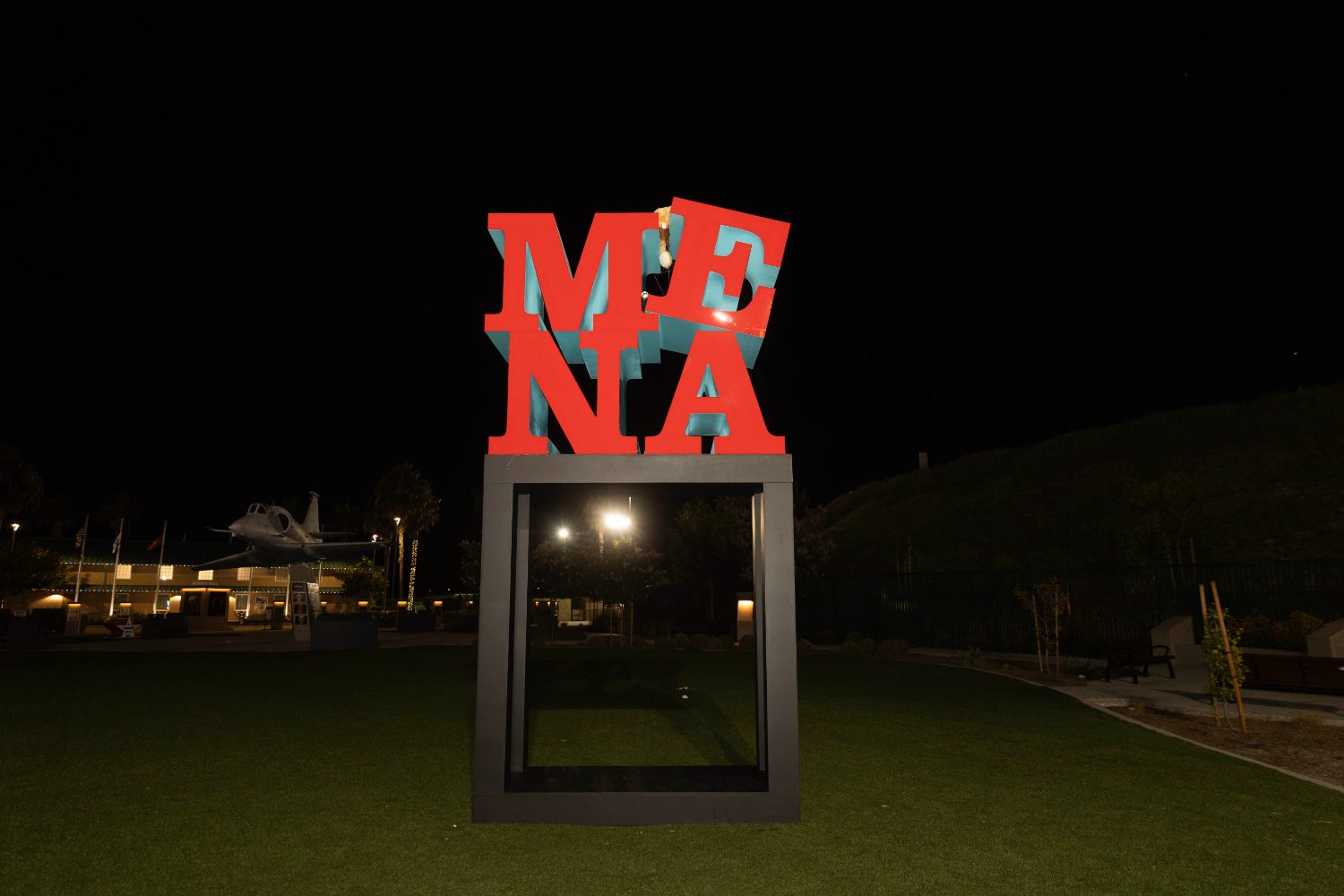
Southern California has seen an emergence of Middle Eastern North African cultural events over the past several years and last month’s OC MENA Festival was the most ambitious by far. Over 24,000 attendees poured into the Orange County Fairgrounds in Costa Mesa throughout the weekend of June 19 through 21, where they indulged in the music, laughs, cuisine and art created by and for the Middle Eastern diaspora.
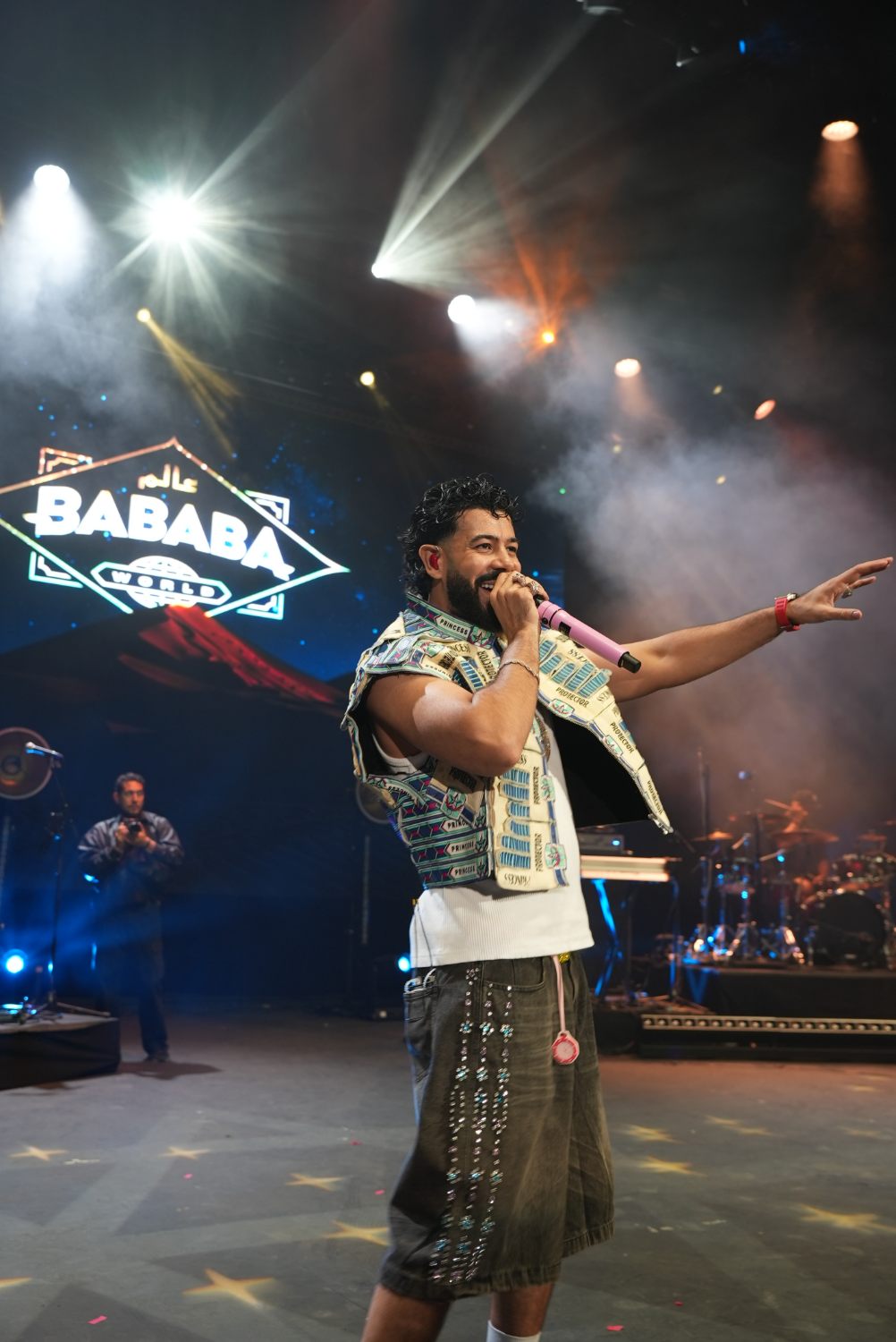
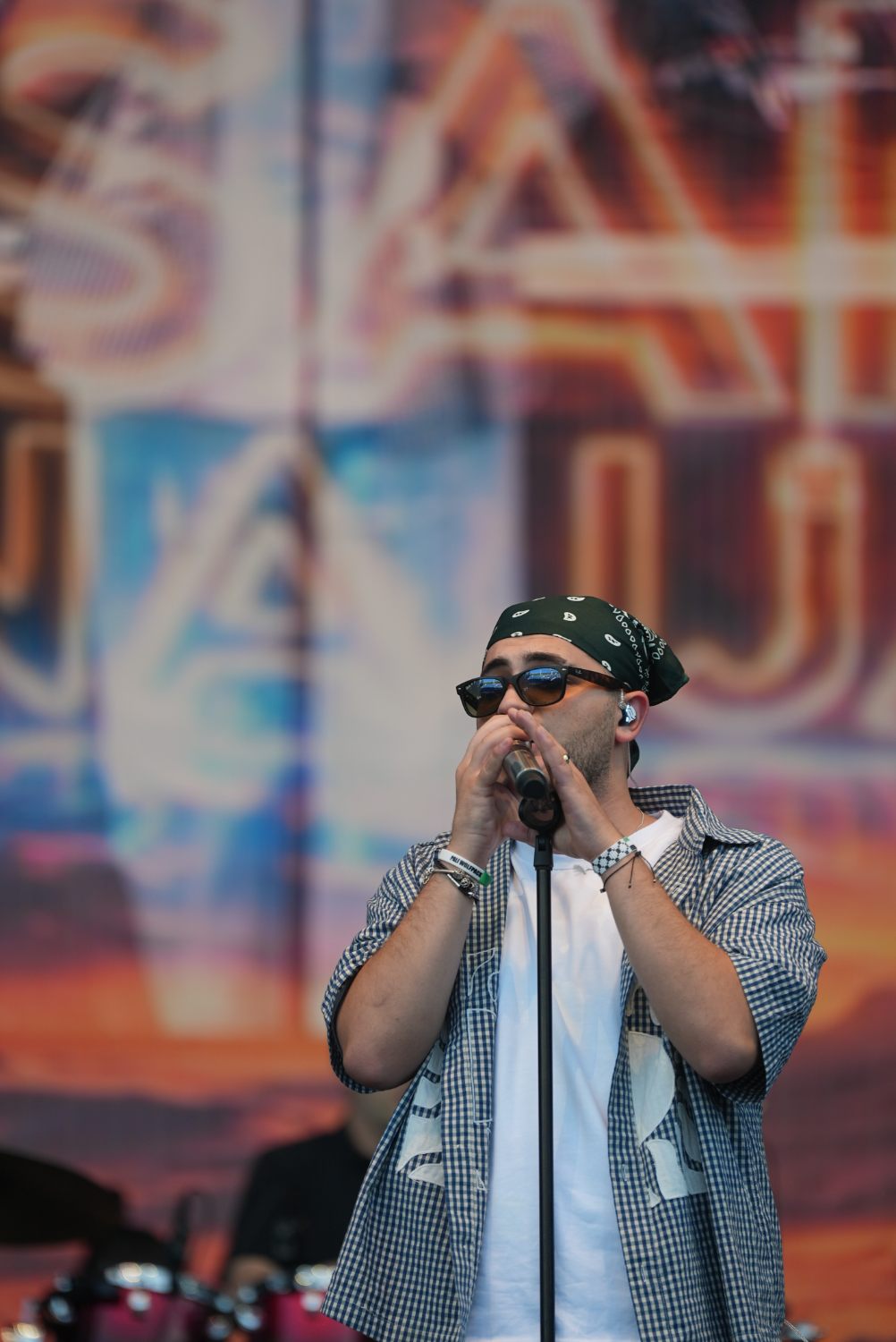
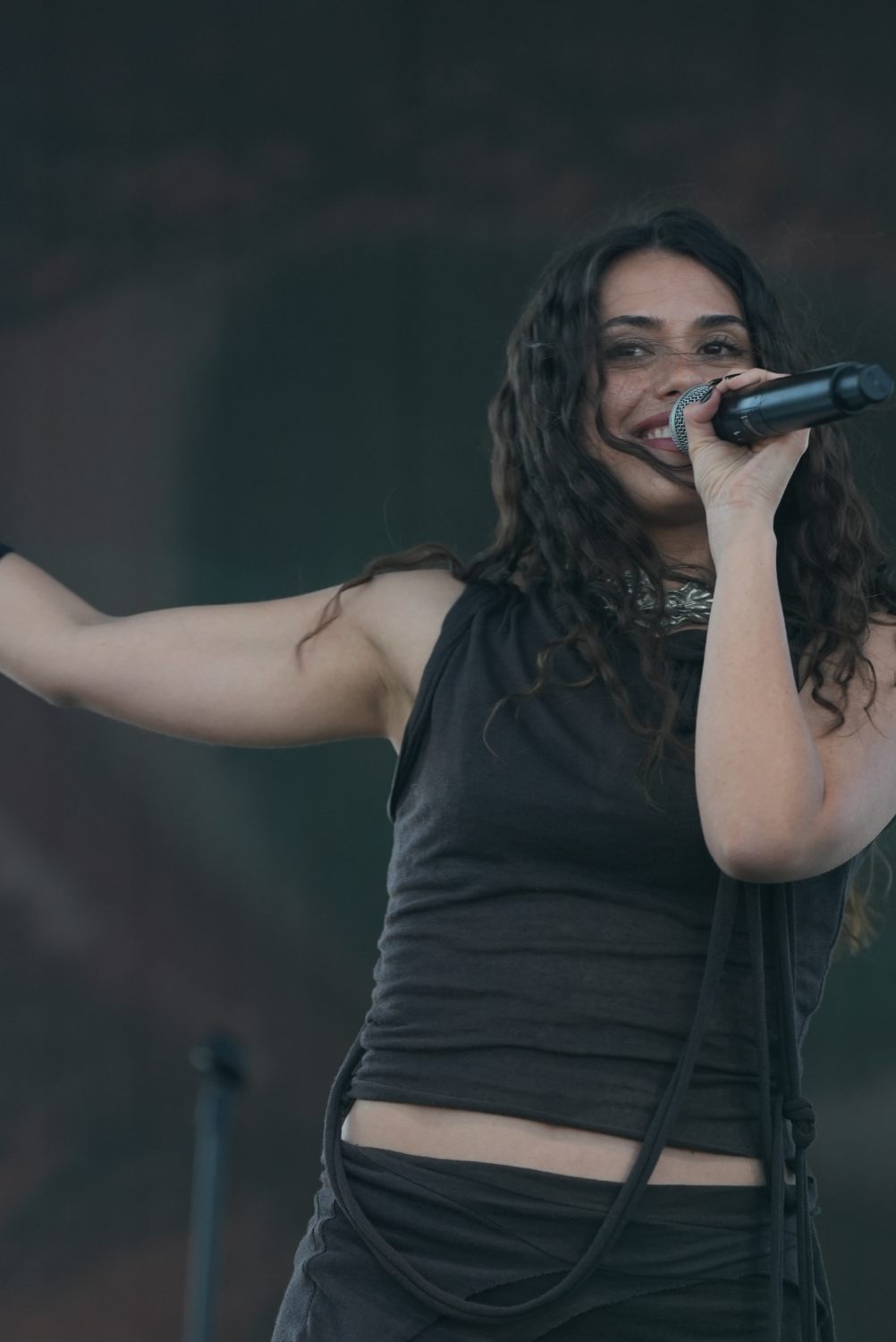
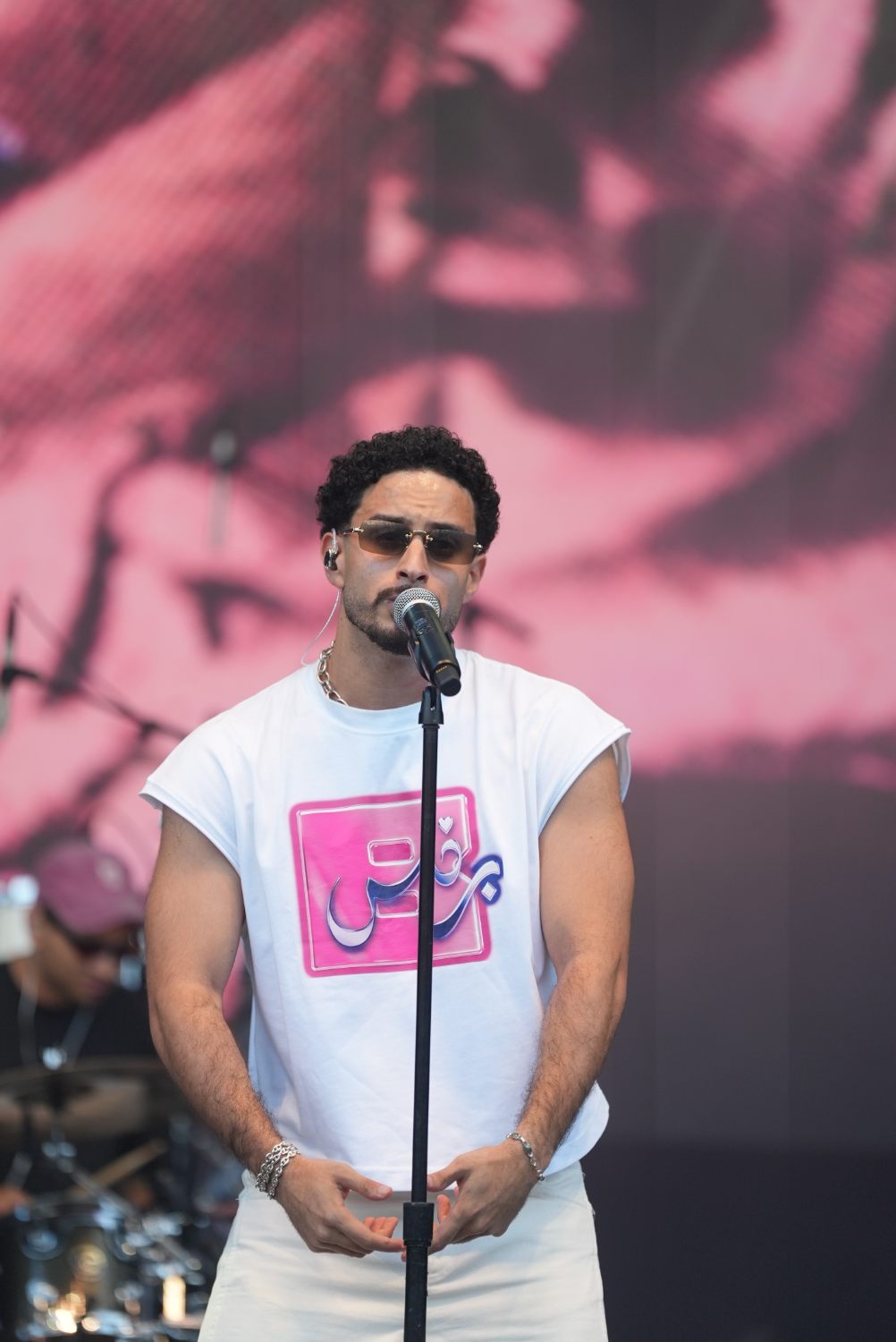
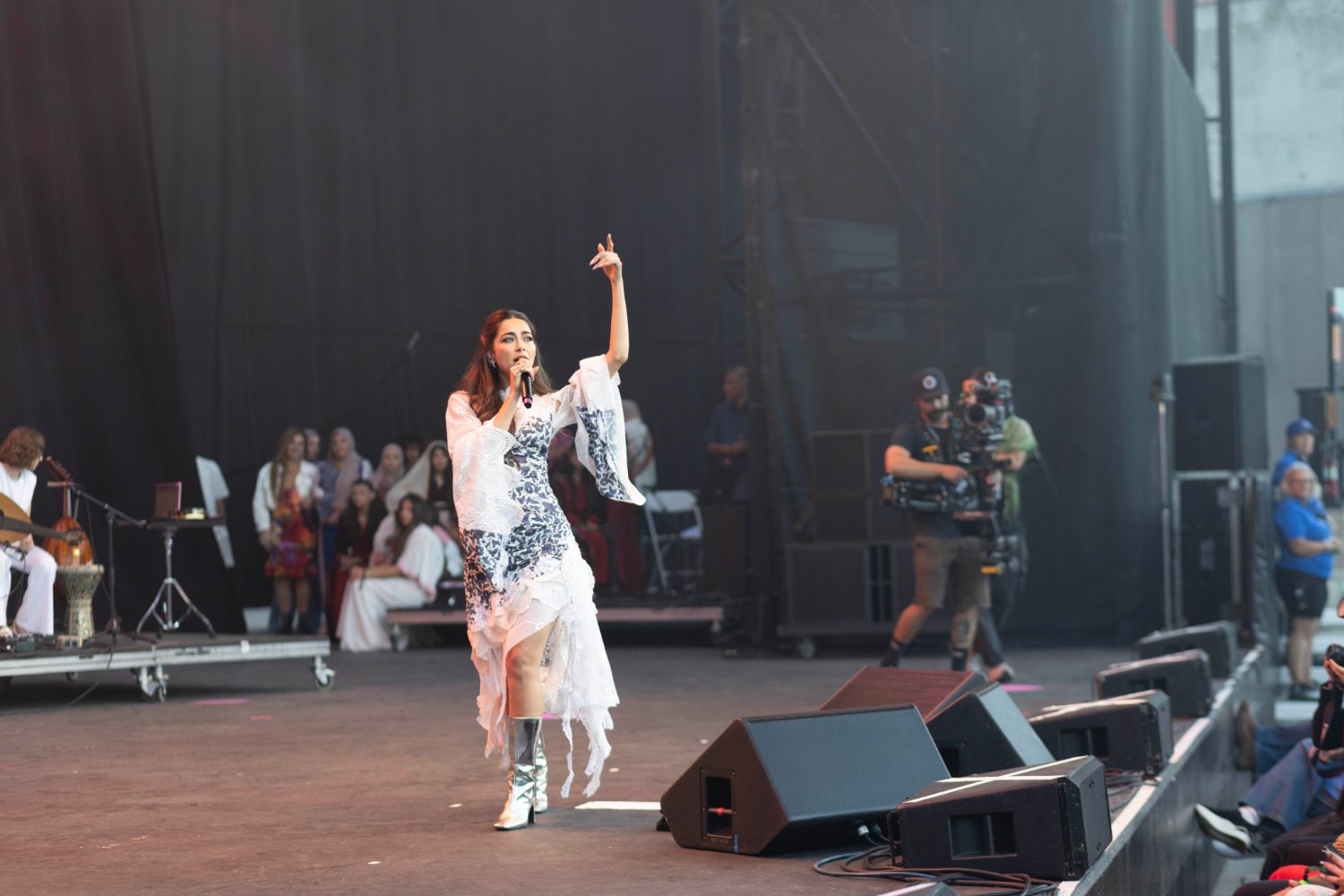
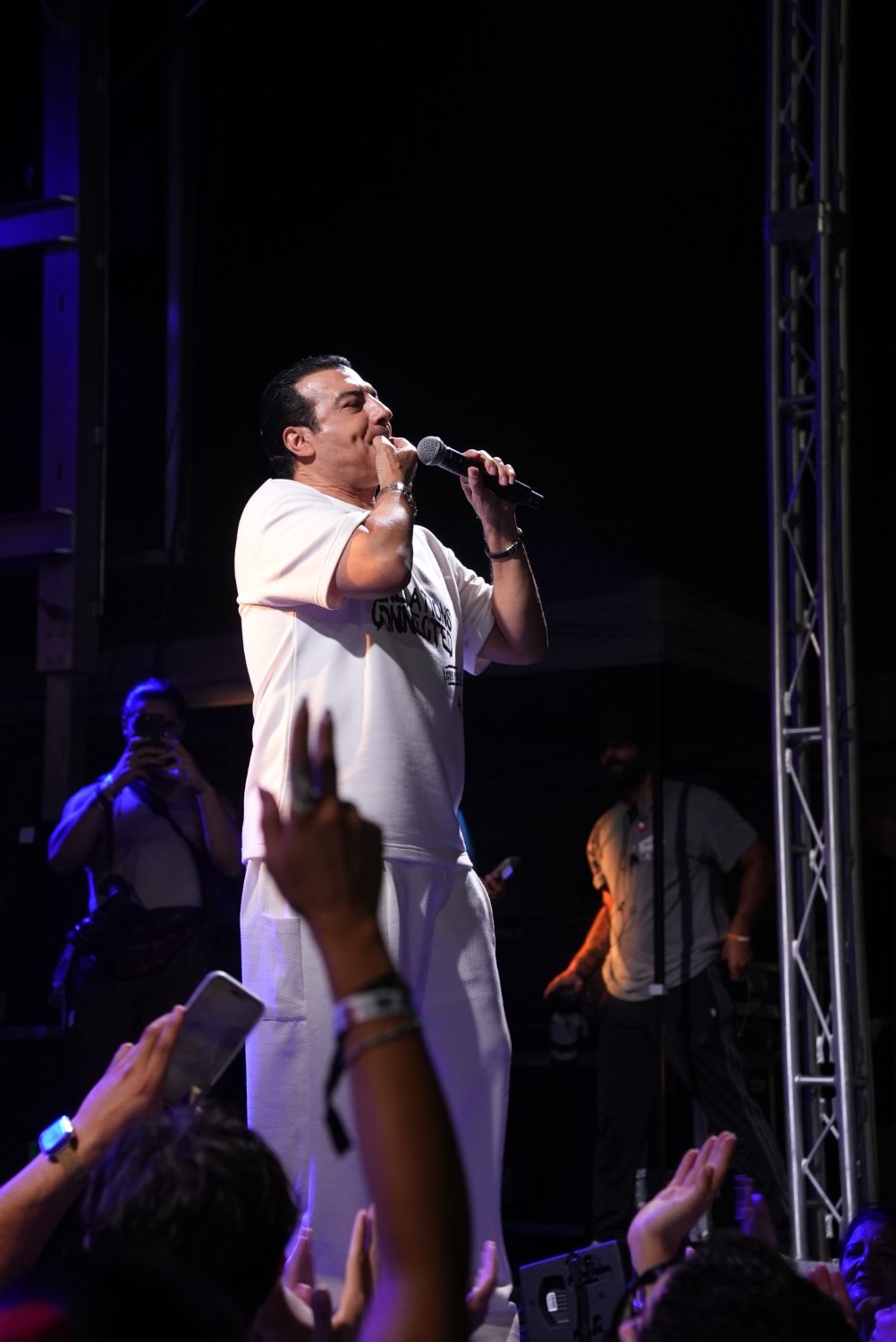
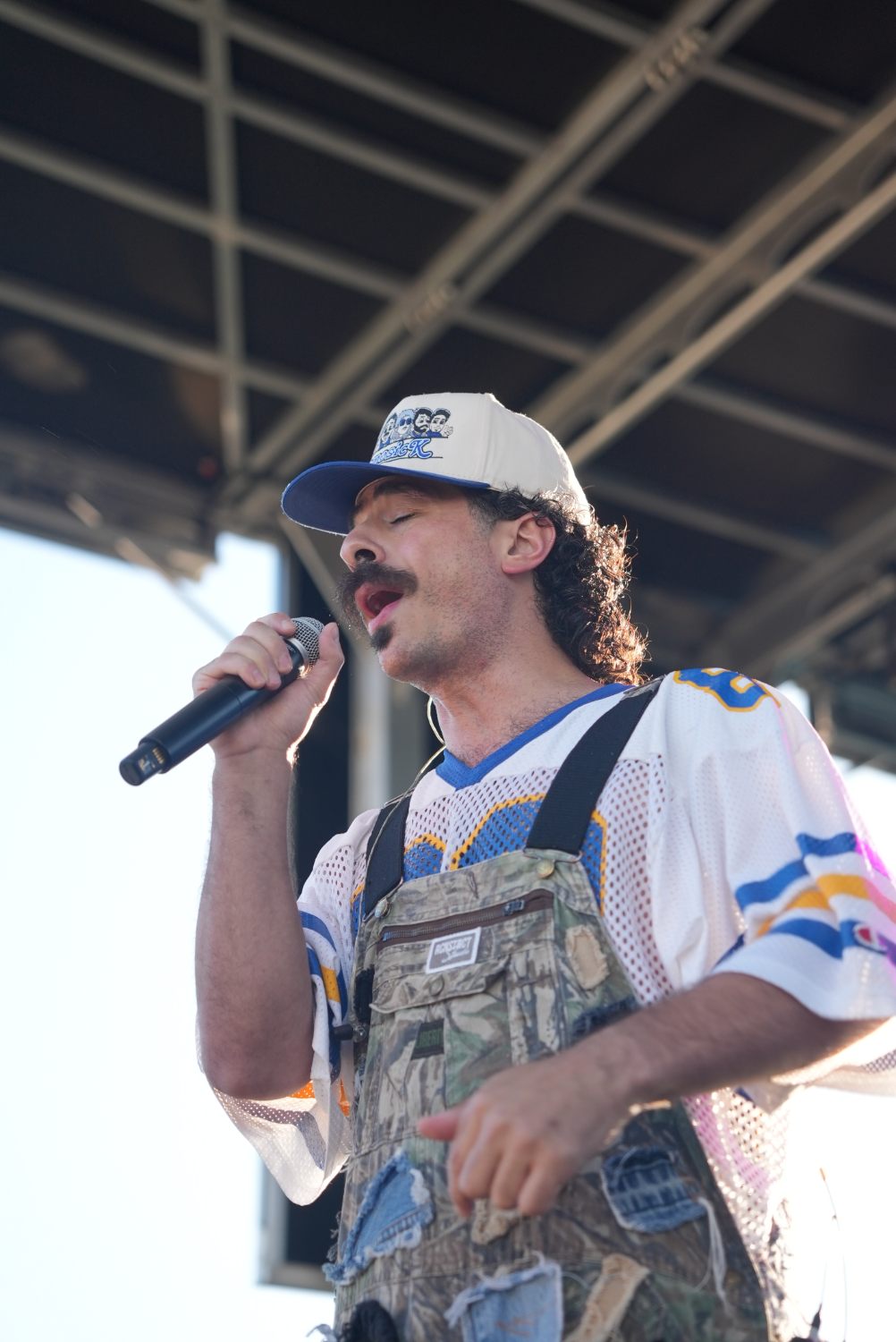
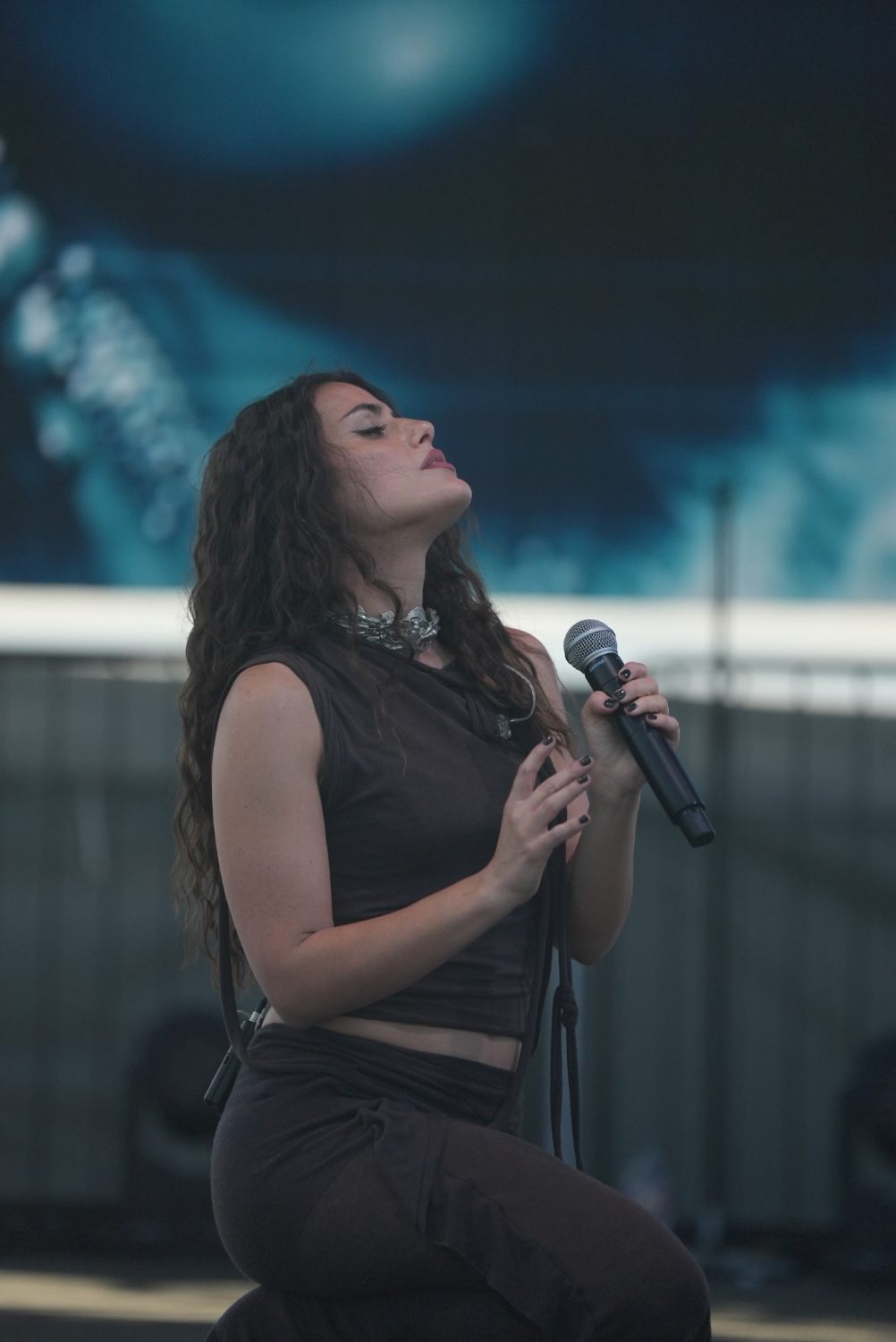
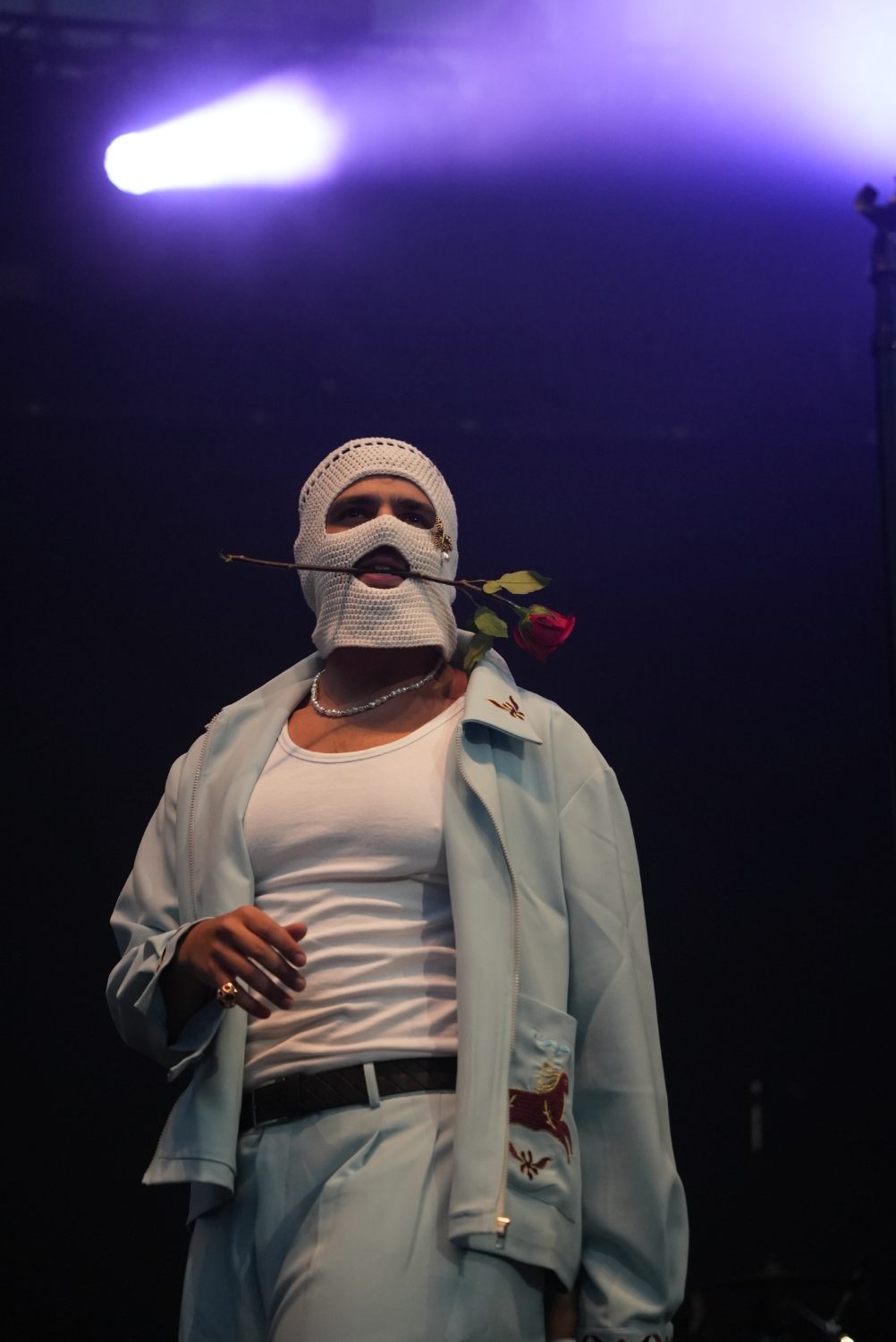
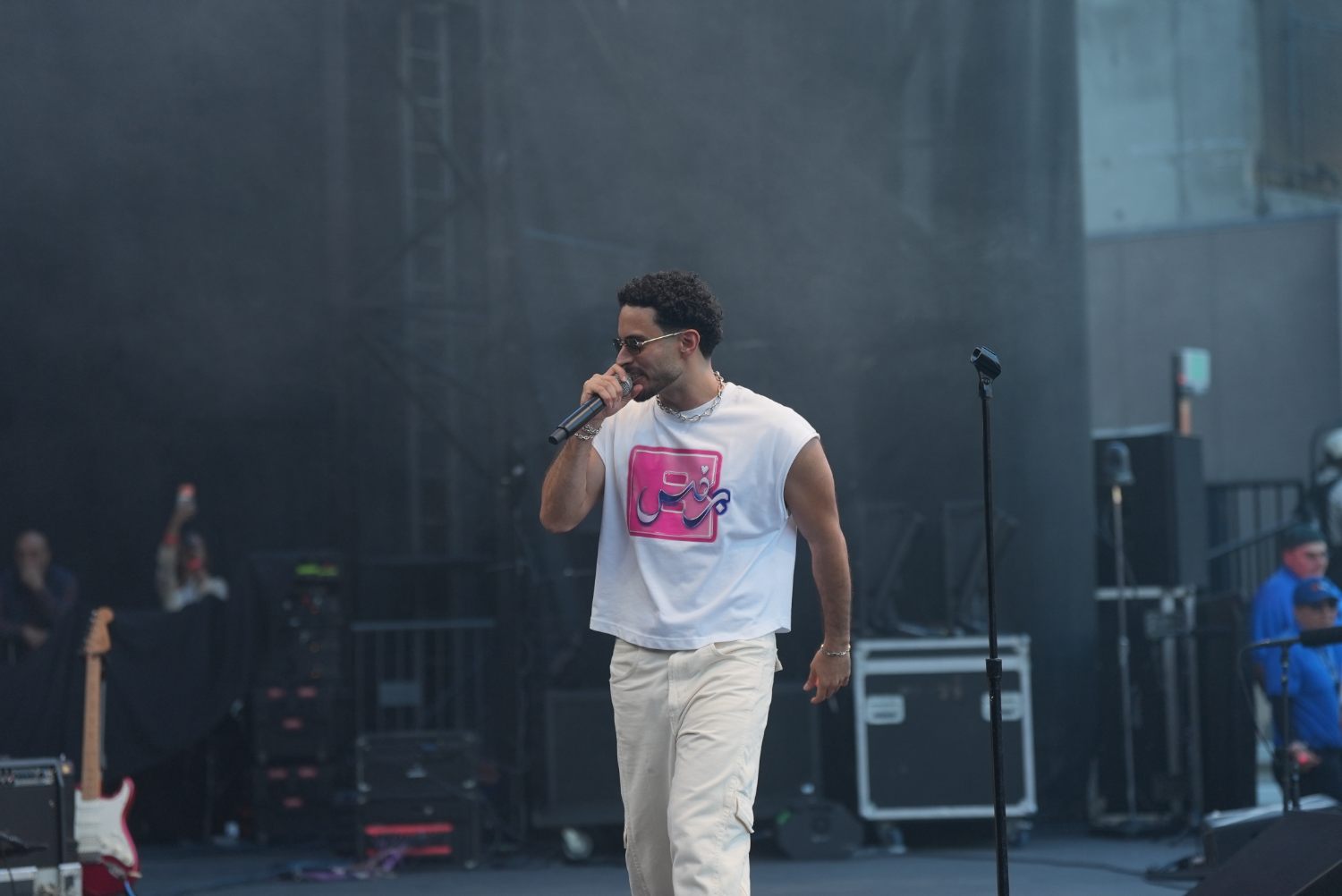
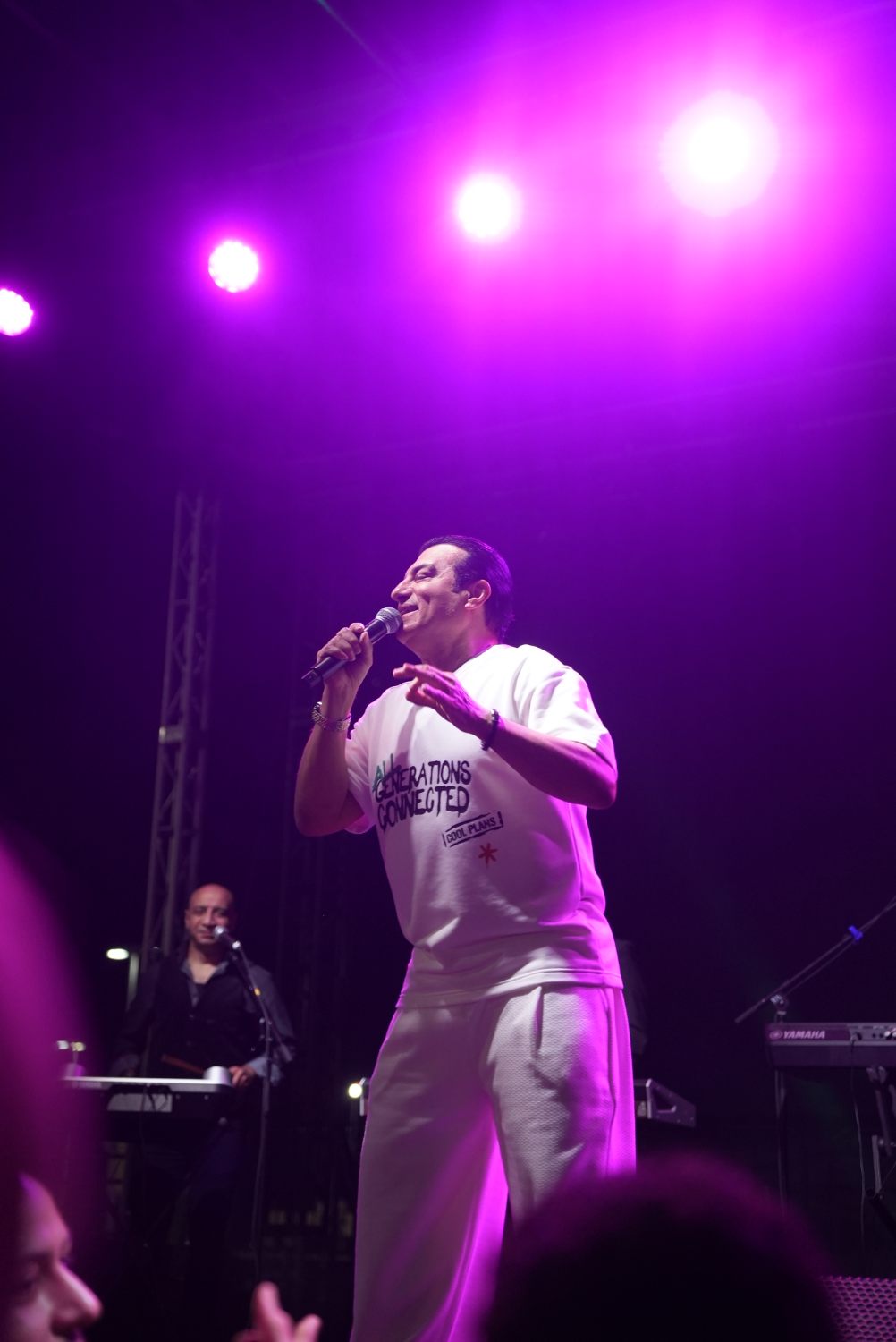
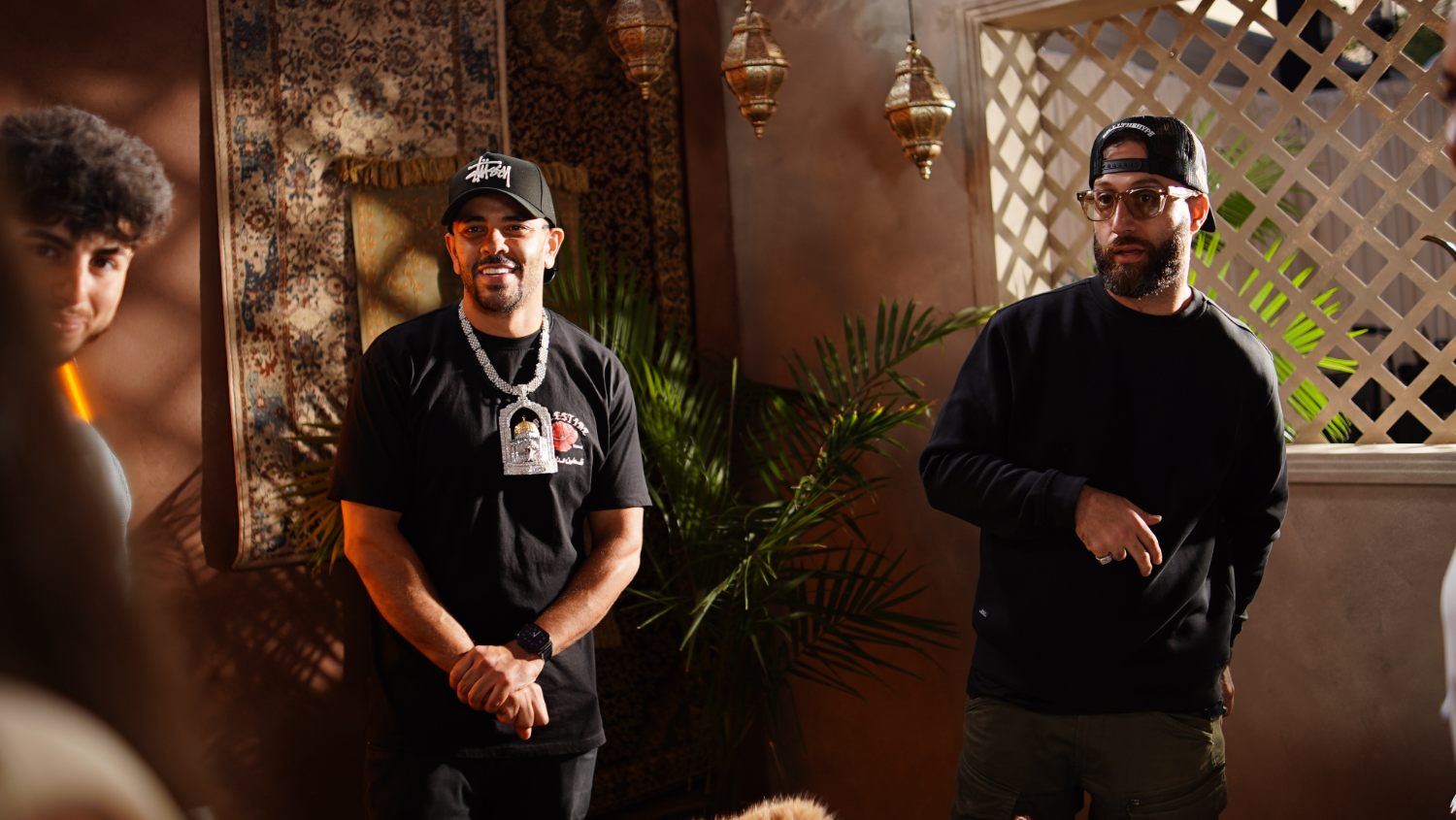
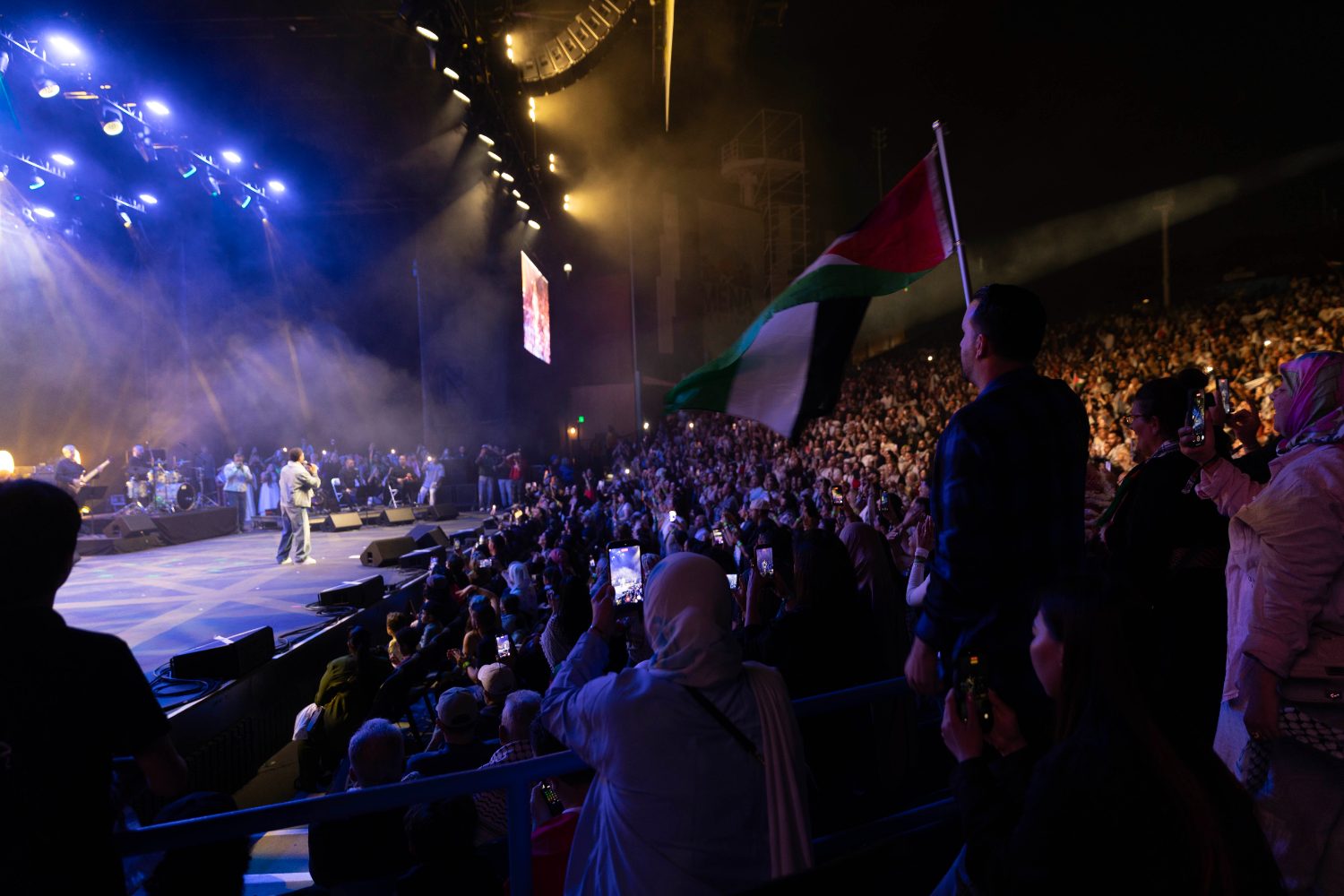
The festival featured both international MENA megastars and emerging acts, like Ehab Tawfik, Mohammed Assaf, Dystinct, Tul8te, Bayou, Issam Alnajjar, Anees, MC Abdul and Dana Salah, while transforming the fairgrounds into a gathering place that reflected both tradition and a new generation of global voices. Musical performances were split between the Festival Stage at the center of the festival grounds, and shows held on Saturday and Sunday at the Pacific Amphitheatre that required a separate ticket.
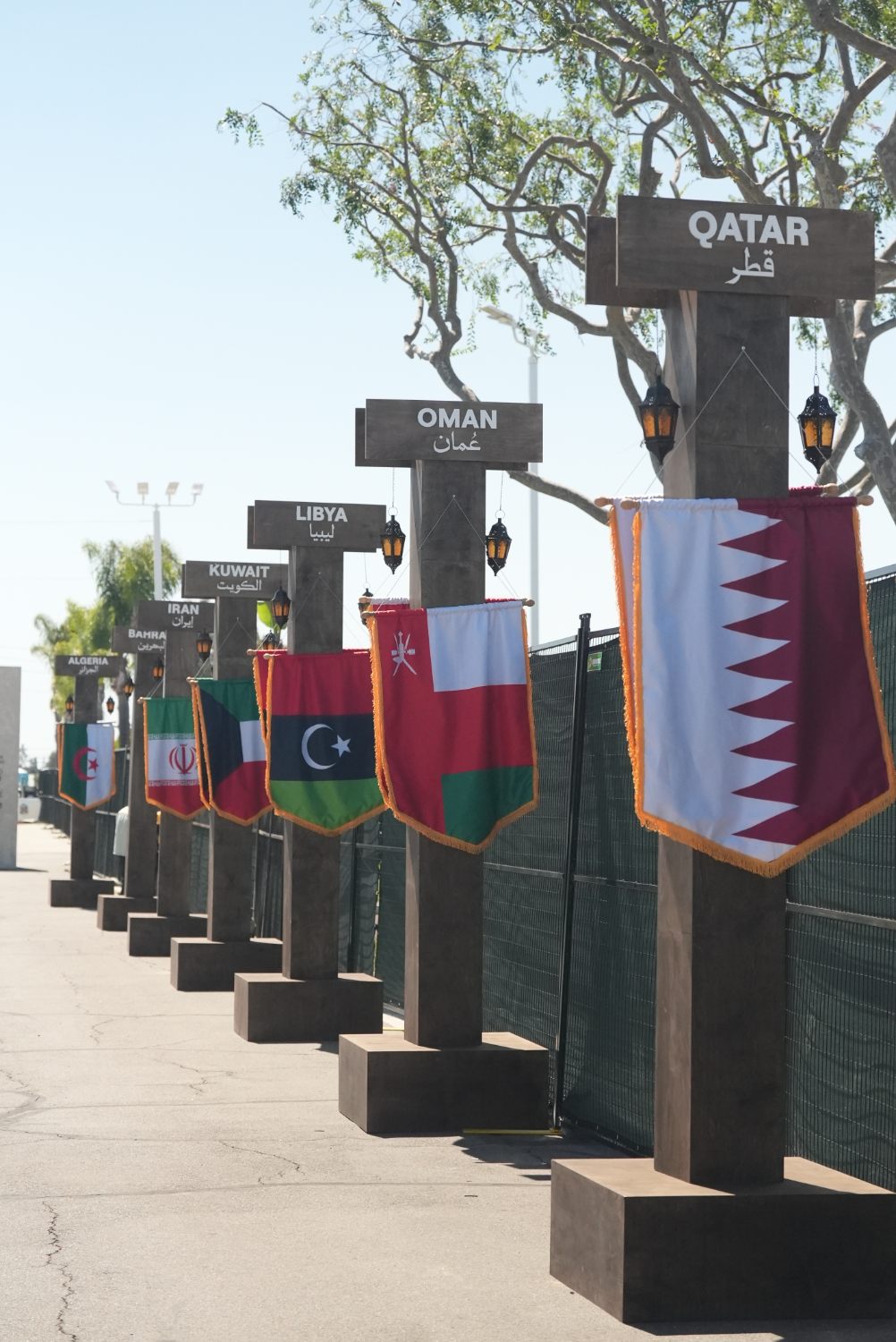
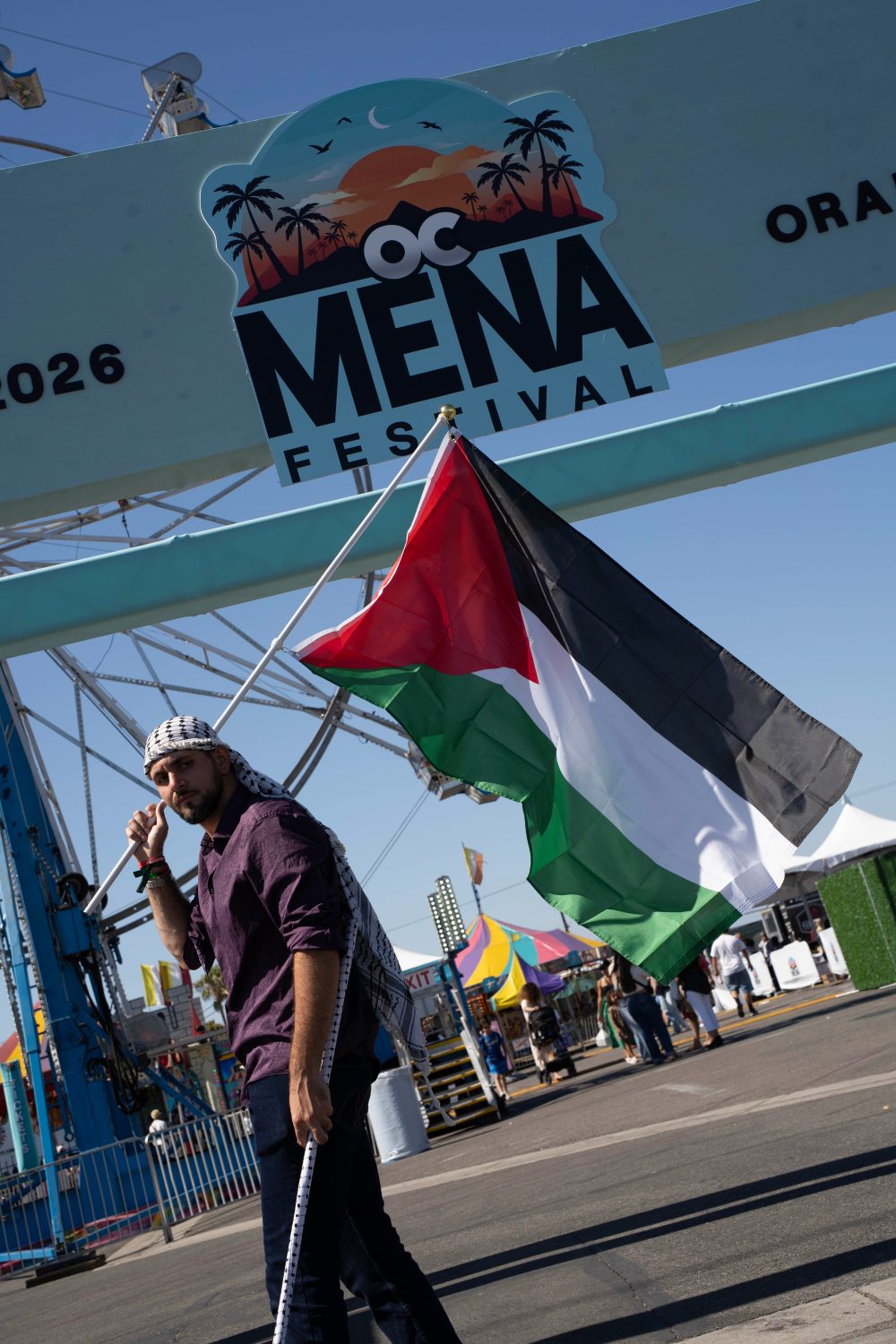
The entrance lined with flags from the MENA region (Noire Creative @noirecreative)
Event producer Razan Kesbeh says creating that space had been years in the making. “We thought there was a big void in the market where a gathering and festival of people from the MENA didn’t exist on a high level, and we decided to fill that void without cutting any corners,” she tells LA Weekly. “We wanted to give the people a festival they would love to be a part of. A festival that delivers a sense of belonging to people from the region.”
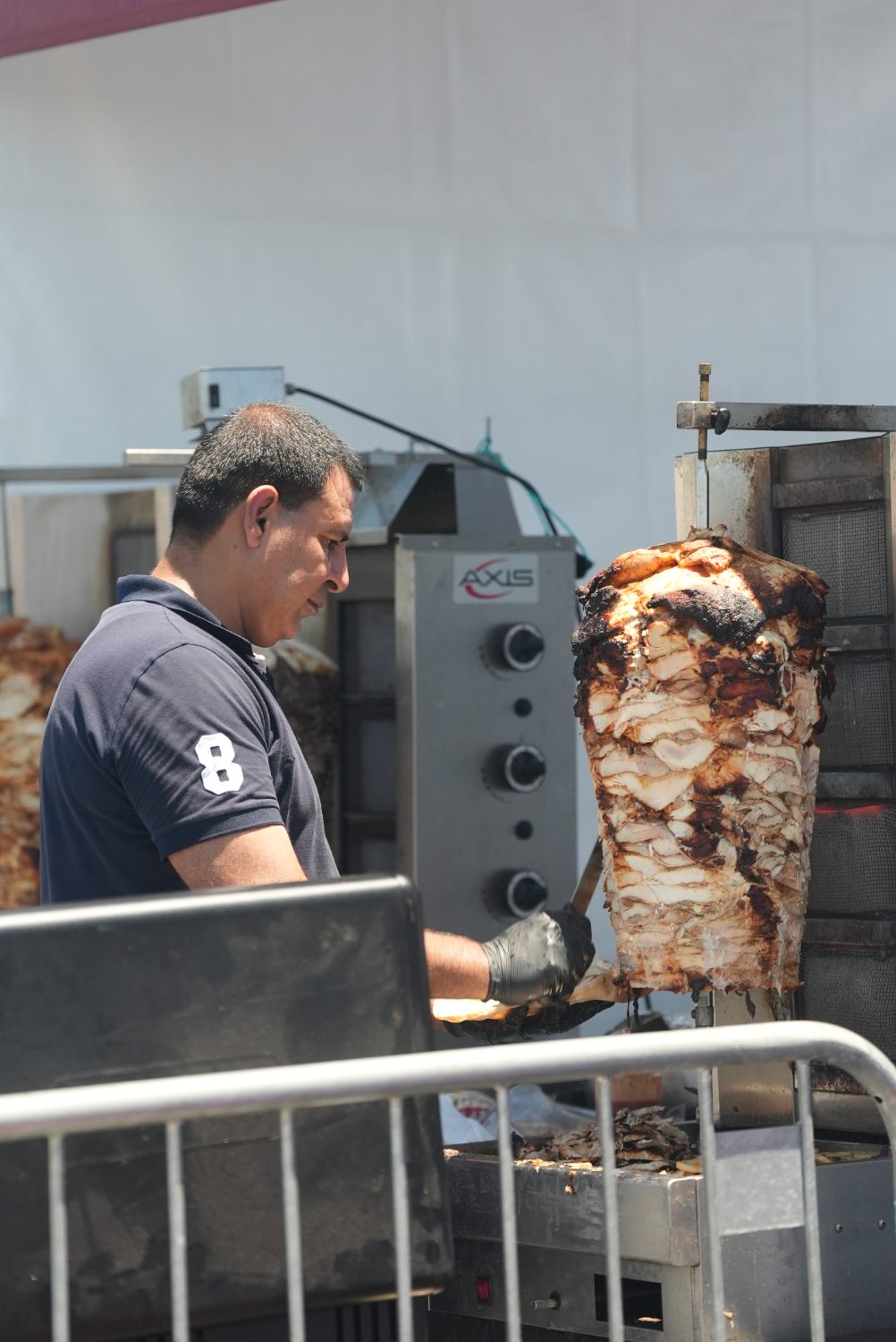
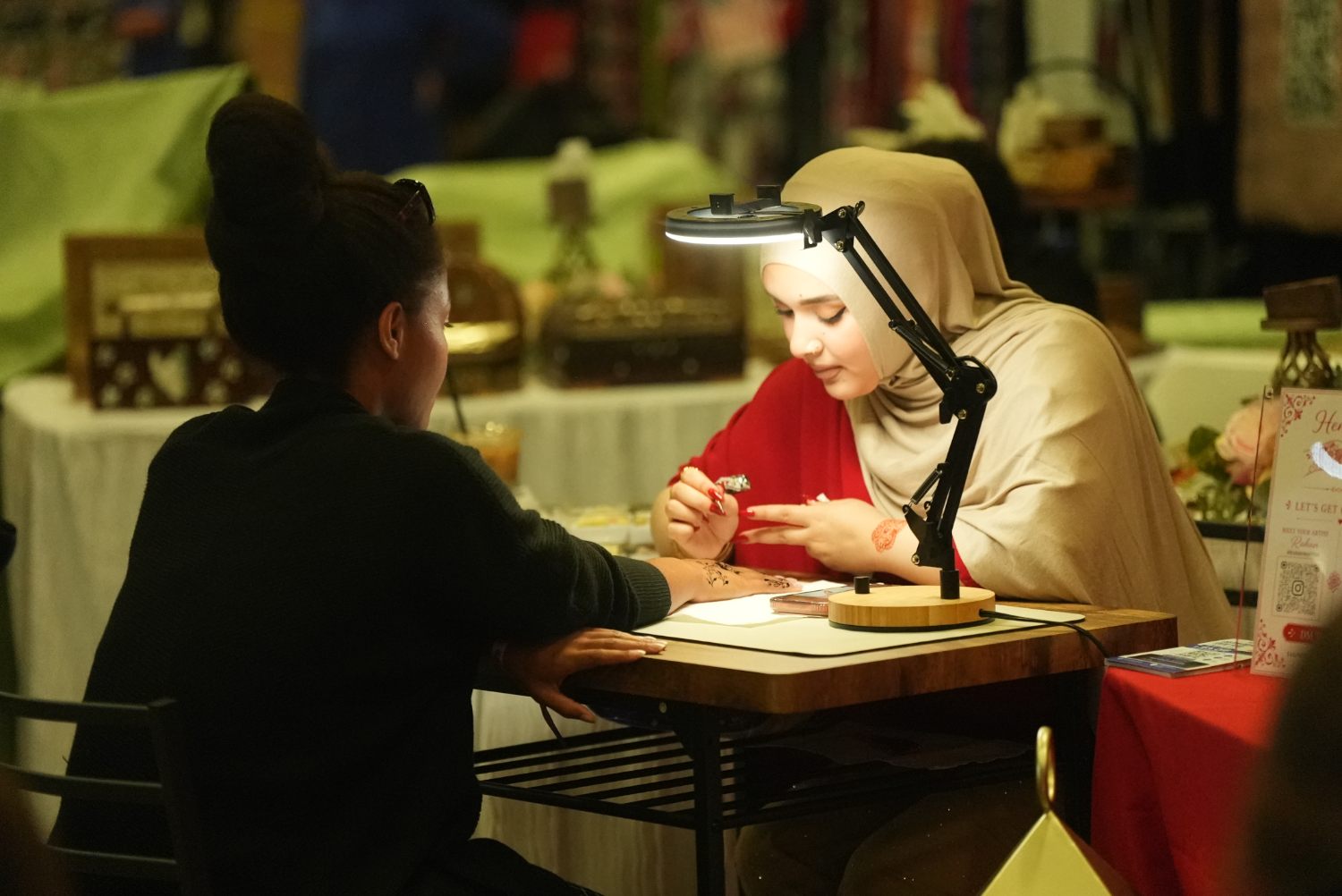
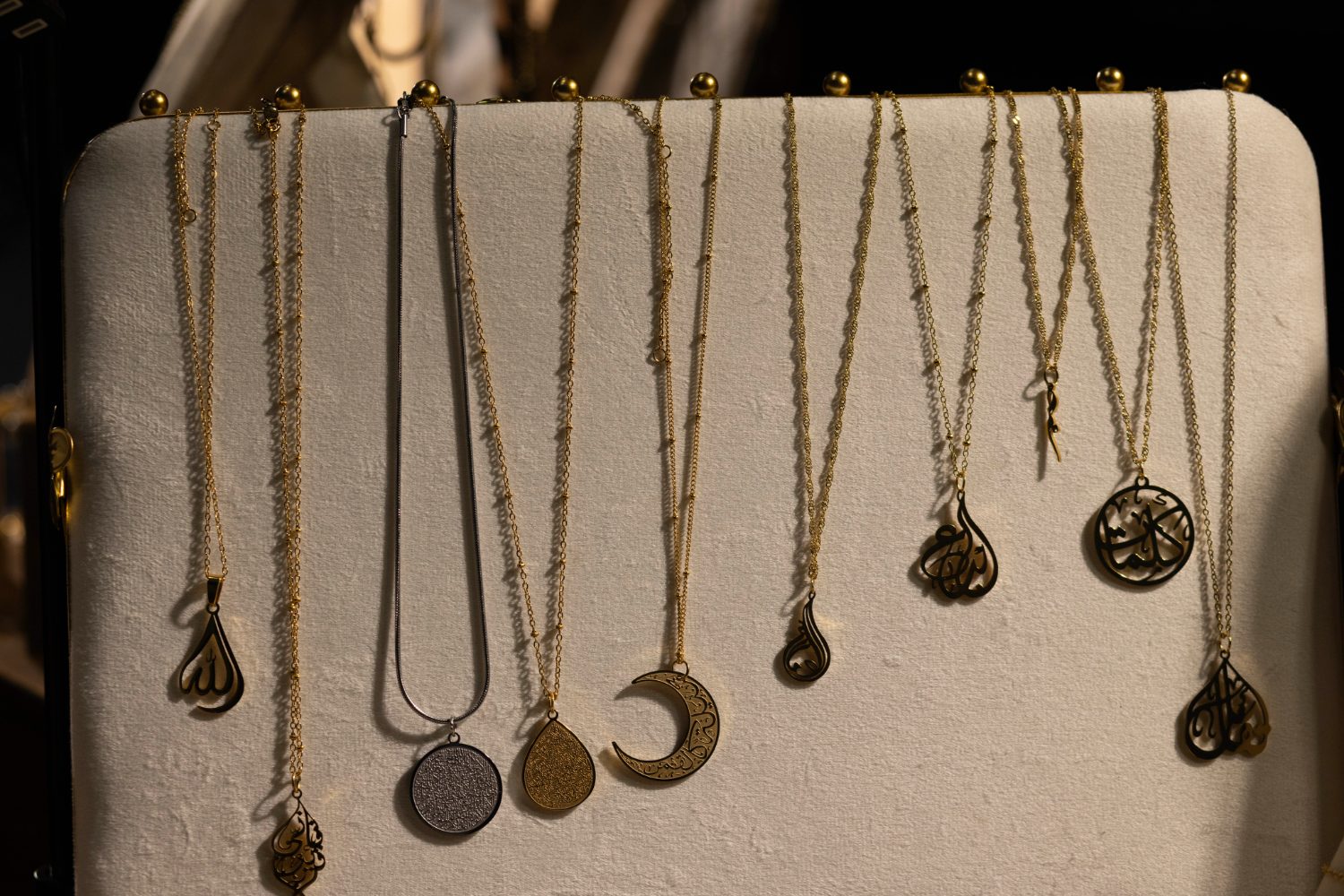
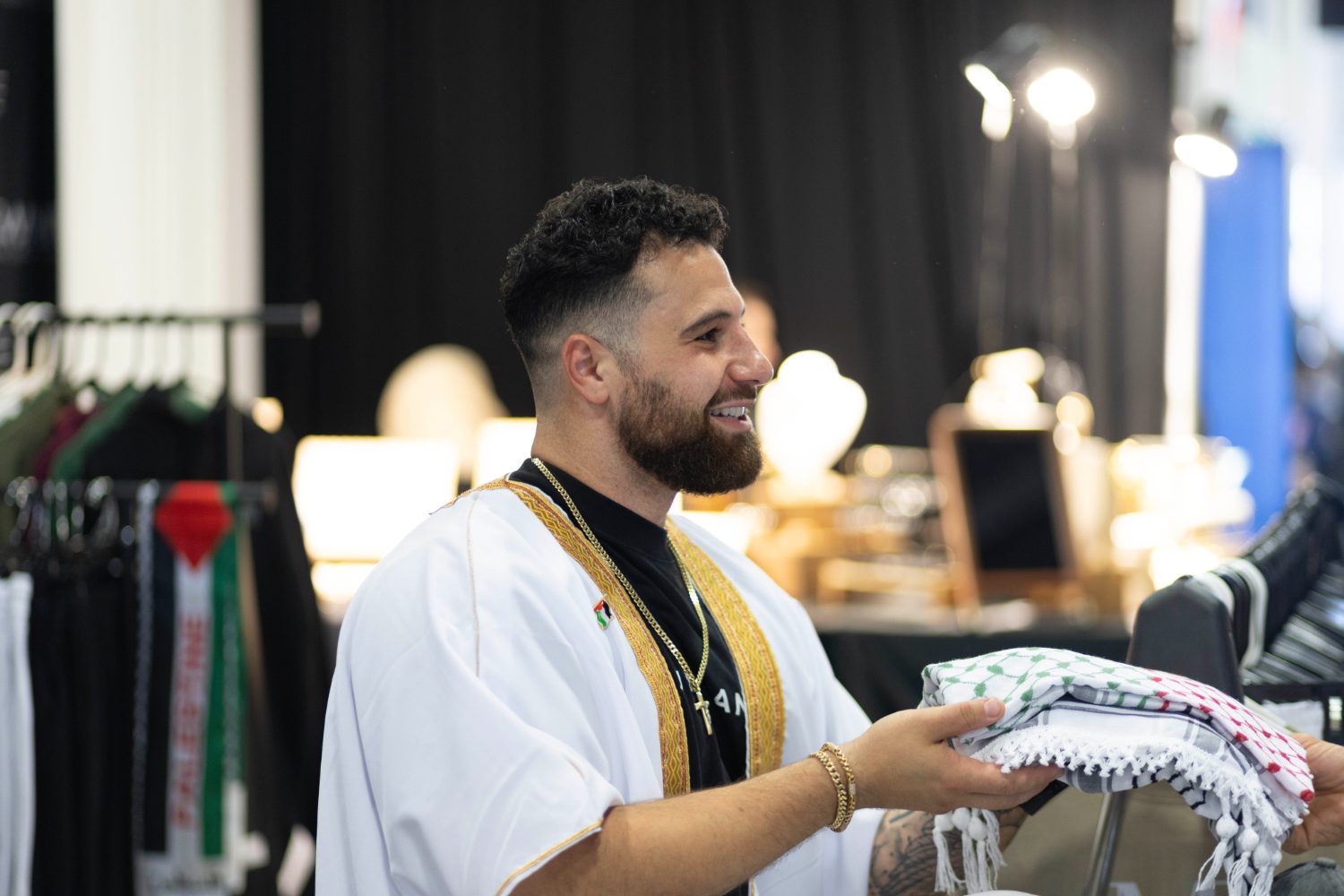
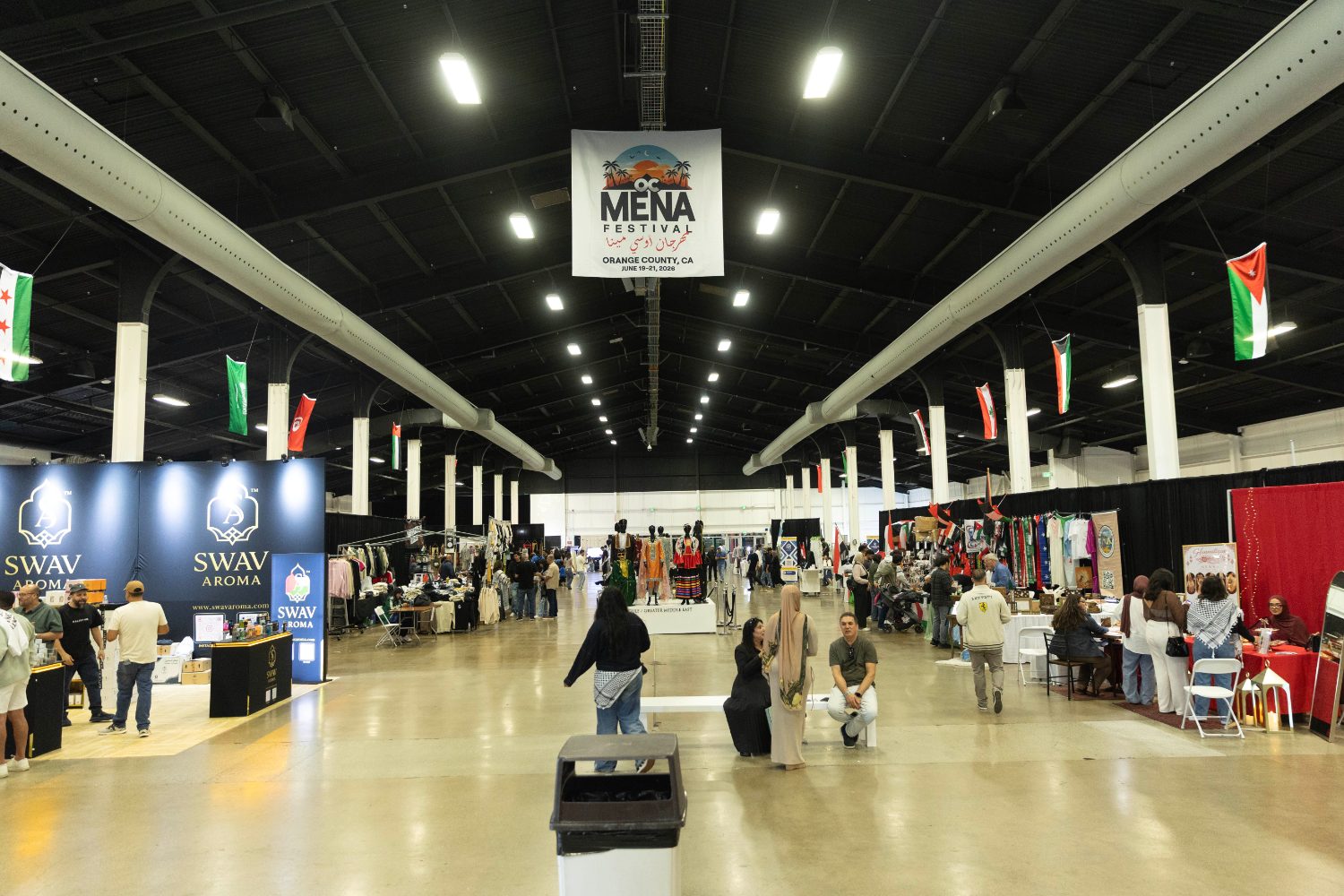
One entrance path displayed the flags of each Middle Eastern country leading to the festival center. The spices and mouth-watering aromas of the region wafted through the Taste of MENA food area, stacked with over 60 vendors with delights from Morocco to Afghanistan — everything from traditional shawarma and kabobs to sweet treats like aseer qasab and kanafa, plus modern fusions like MENA-inspired boba. The bustling indoor bazaar featured over 100 vendors selling a range of wares like clothing, jewelry and home goods.
The organizers covered all the bases for their MENA attendees: the grounds featured a multi-faith center for prayer, a carnival Ride Zone and arts and crafts for kids, a massive hookah lounge, and a Little Palestine area. An indoor stage featured breakout comedians Saad Alessa and Nasser Al-Rayess and conversations with top personalities. We saw plenty of amos parked at the FIFA World Cup Watch Party which broadcasted the games all weekend, and on Sunday, June 21, a massive crowd cheered on Mohamed Salah and the Pharaohs of Egypt as they took home their first World Cup win over New Zealand.
“It’s something our Southern California MENA community has needed for a long time,” said Kesbeh of bringing their vision to life. “To help bring a celebration of our cultures to Orange County and on this scale has been an incredible opportunity.”
She hopes the festival grows into an annual tradition that welcomes both the MENA community and newcomers alike. “As an event producer, I’ve always believed that events have the power to bring people together in ways few other things can,” Kesbeh said. “It’s about creating a space where our community can celebrate its heritage with pride while inviting others to experience the traditions, creativity and hospitality that define the MENA region.”

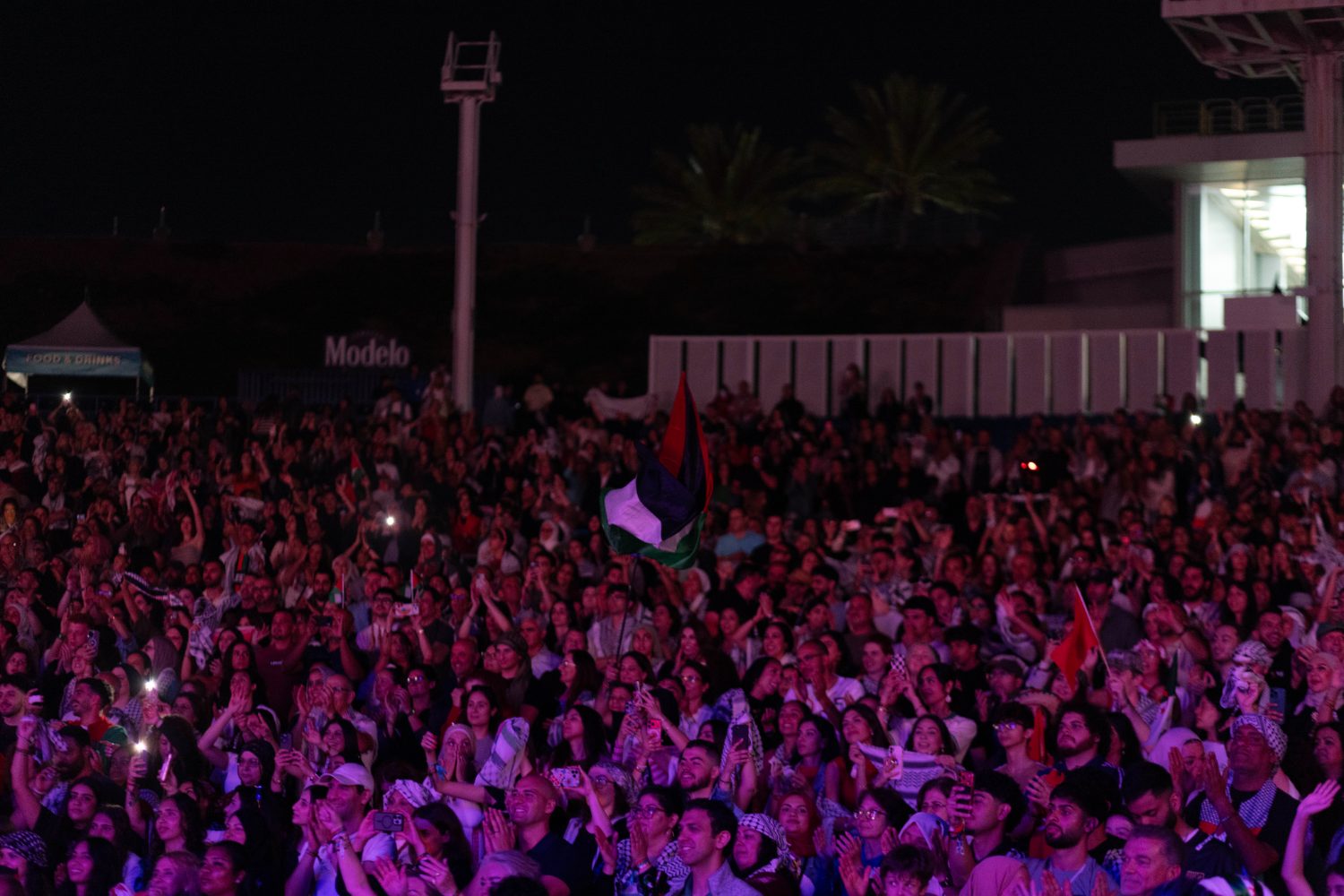
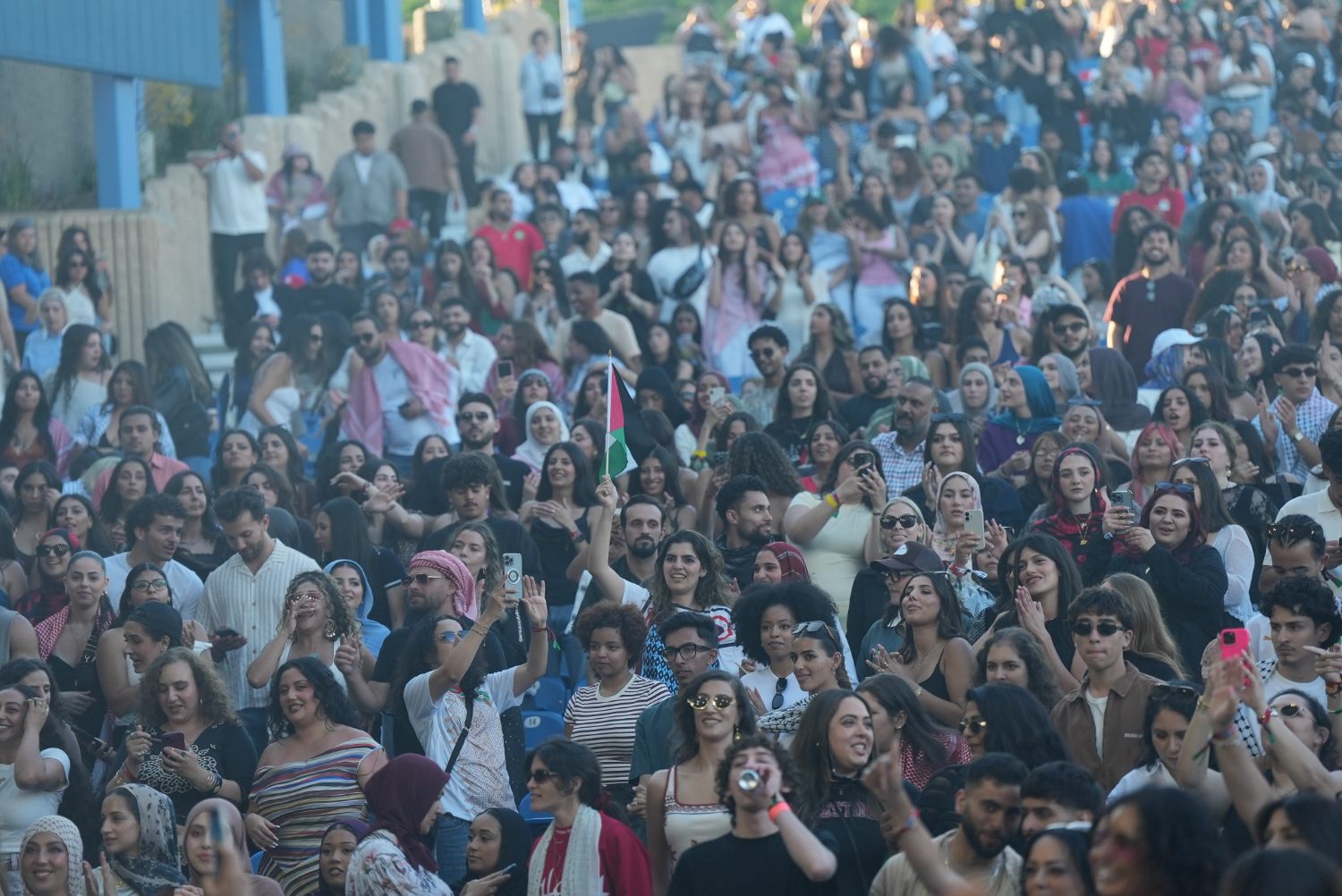
The audience at the Pacific Amphitheatre (Noire Creative @noirecreative)
The attendees we spoke with praised the organizers for delivering on the promise of a massive, inclusive MENA cultural celebration, noting the exceptional programming lineup, energy, diversity of the crowd, and overall immersive sense of community. They, and we, hope the organizers bring it back next year too.
We spoke with several standout talents who lit up the stages — Arab American singer-songwriter Anees, Jordanian-Palestinian artist Dana Salah and Palestinian rapper MC Abdul — about their experience at this milestone event.
At just 17 years old, MC Abdul has already lived a story that most artists wouldn’t experience in a lifetime.
The Palestinian rapper first gained international attention after teaching himself English through hip-hop, uploading freestyle videos from Gaza and signing with Bay Area independent label Empire at just 11 years old. Since relocating to California, he’s continued to build his career while balancing life as a high school student, all while preparing his debut album and sharing his experiences through music.
Appearing at OC MENA Fest carried a special significance for the young artist, who said festivals celebrating Arab culture are about much more than the performances themselves. “Festivals like this are a positive way of bringing people together,” MC Abdul told us ahead of his Saturday performance. “What brings us together is good music and us supporting each other as Arabs.”
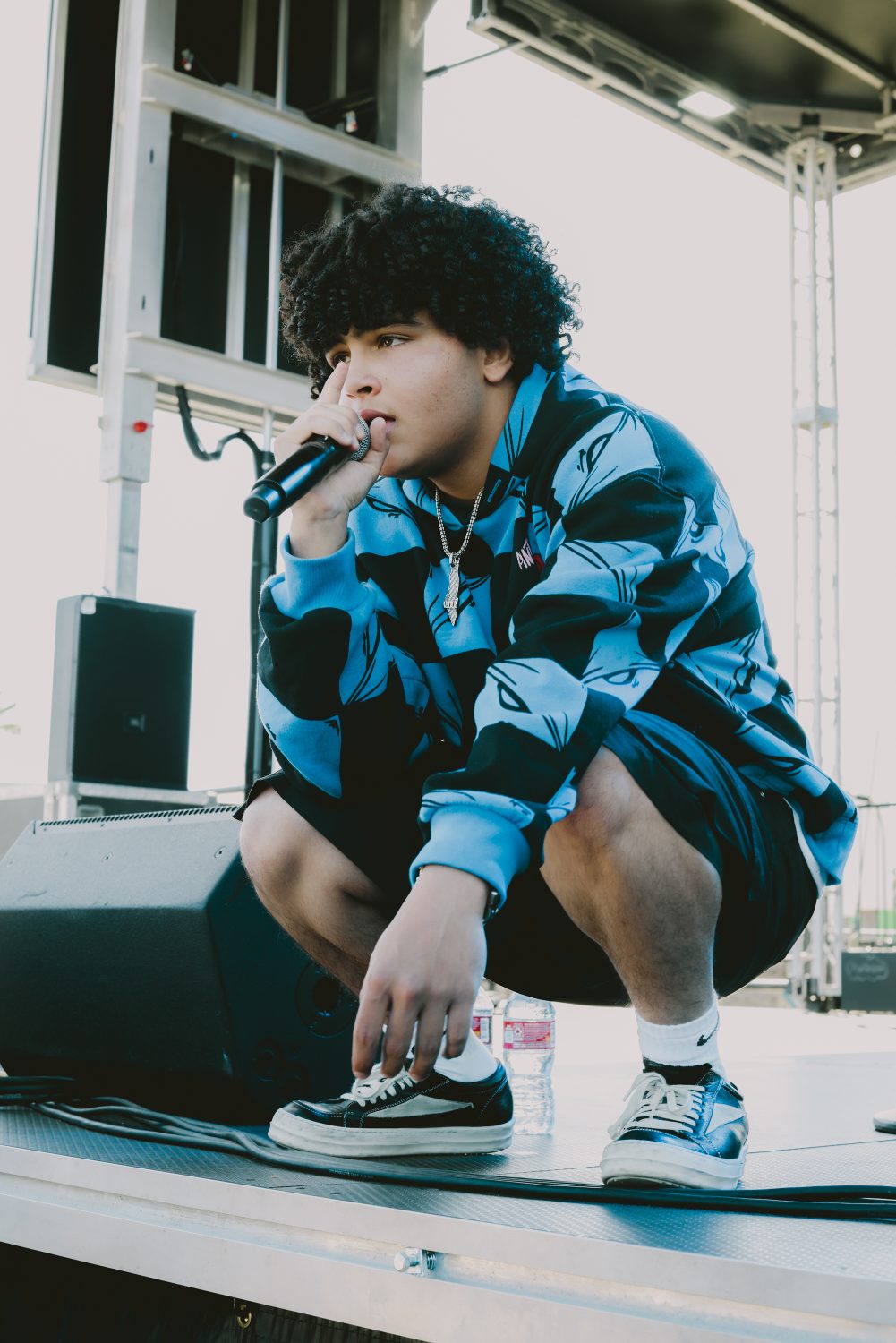
MC Abdul performing on June 20, 2026. (Photo: Juan Tejeda)
For an artist whose career has connected him with audiences around the world, seeing a festival dedicated to Middle Eastern music and culture felt like an important step forward. “I love to see those kind of festivals where you see Arabs supporting each other. It’s pretty cool. I would love to see more of this, and I’ll be back at OC MENA Fest next year.”
MC Abdul’s own journey has made community especially meaningful. After going viral as a child, he spent years working toward bringing his family out of Gaza. The outbreak of war dramatically altered those plans, shifting his focus away from music as he worked to reunite with his family before eventually settling in the Bay Area.
Today, he says the support he’s found in California has helped create a new sense of home. “People welcomed me into their homes with open hands,” he said. “They told me, ‘You always have family here.’ The love and support that I have from the community is just amazing.”
MC Abdul tells us that his upcoming album, expected later this year, chronicles leaving Gaza and reuniting with his family, to his growth as both an artist and a young man. “It just sums up the whole journey of the last two to three years of my life,” he said. “The growth — not just as an artist, but also as a human.”
While his resume already includes performances at major international events and collaborations with artists including Macklemore, MC Abdul remains focused on what’s ahead: his album release, bigger crowds and bigger stages. Oh, and finishing high school.
For Dana Salah, OC MENA Fest represented exactly what her music has been striving to create.
The Jordanian-Palestinian singer-songwriter first emerged under the name King Deco, building a career in New York’s indie-pop and electronic music scene before reconnecting with her Arab roots and reinventing herself through Arabic-language music. Today, her genre-blending sound fuses contemporary pop with Middle Eastern influences, while exploring themes of identity, womanhood and belonging.
Salah said the festival reflected the very reason she makes music. “At its core, music for me has always been about creating connection and a sense of belonging, and OC MENA Fest embodies that same spirit,” she says. “To have a festival dedicated to celebrating MENA artists in a place like Orange County is proof that our stories, our music and our cultures deserve to be celebrated on the biggest stages.”
Playing before a crowd filled with young members of the Middle Eastern diaspora made the experience especially meaningful. Having spent much of her life navigating different cultures, Salah said she immediately recognized a shared understanding between herself and the audience.
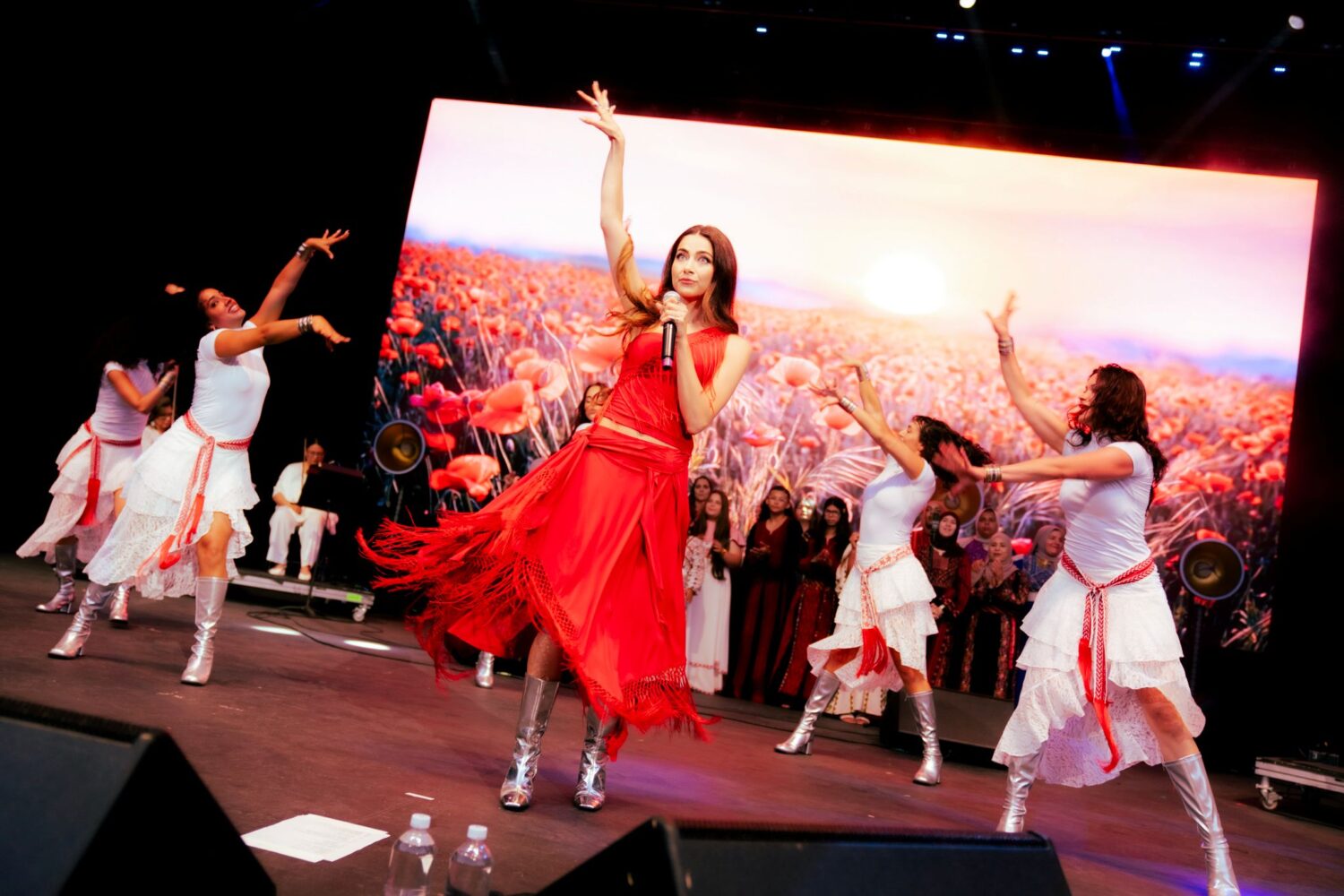
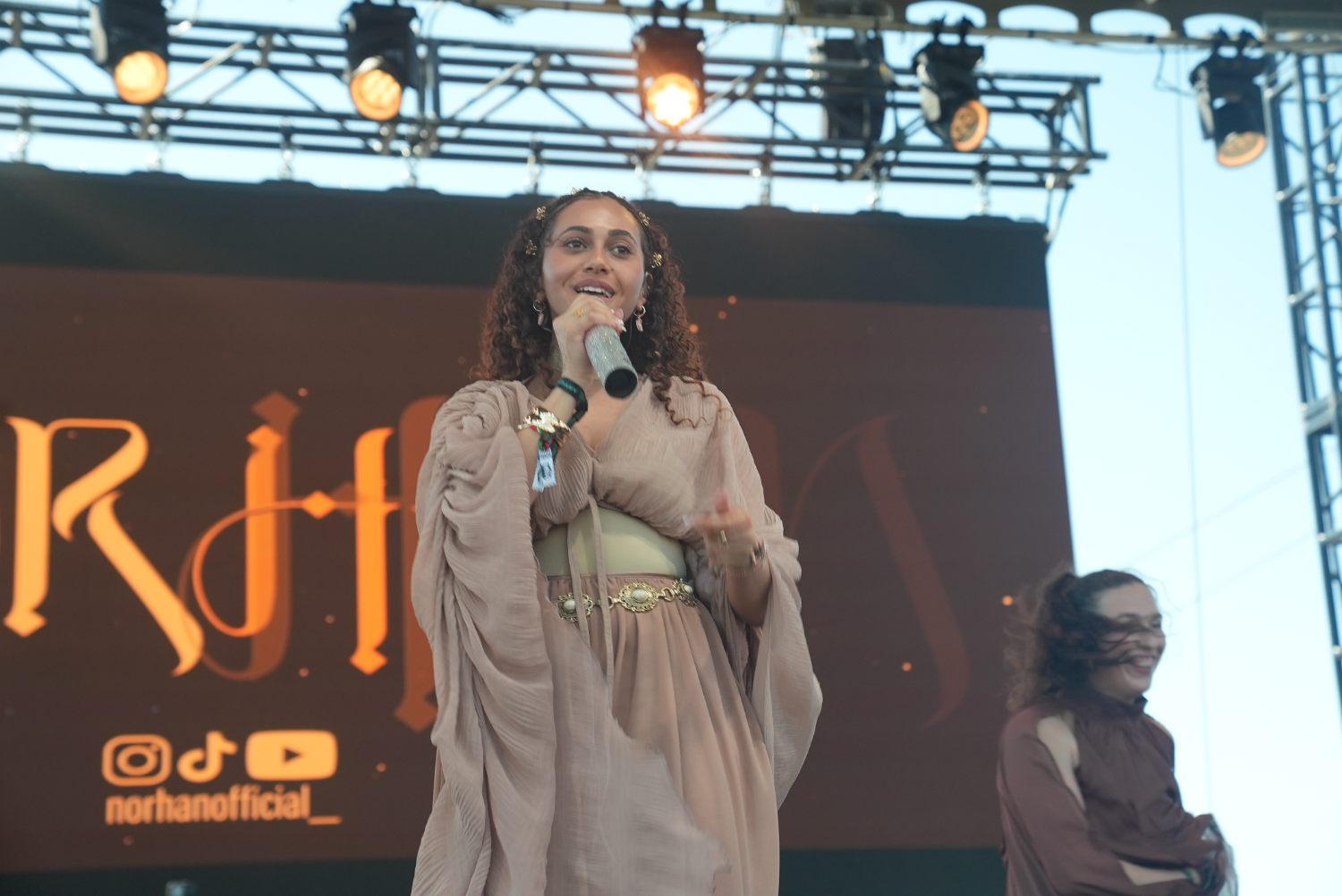
Dana Salah performing on Sunday, June 21, 2026. (Courtesy of Dana Salah)
“I’ve lived that in-between experience my whole life,” she says. “So much of my music reflects what it means to navigate multiple identities and still find a sense of belonging. Seeing those songs resonate with a crowd full of people felt like there was an unspoken understanding in the room that made the whole experience unforgettable.”
These themes run through the music she’s releasing ahead of her debut full-length album Bent Bladak. Recent singles “Dori Dorak,” “Tah Dalili” and title track “Bent Bladak” each explore different aspects of identity, resilience and relationships, but Salah says they’re united by a common thread. “The thread is ‘connection,’ in all its different forms,” she says. “Connection to ourselves, to each other, to our identity, to our land, and even to ‘the other.’ Each song explores that idea from a different angle.
“‘Bent Bladak’ celebrates the beauty, strength, and complexity of women and culture that shape us, ‘Dori Dorak’ invites empathy by asking men to step into a woman’s shoes, and ‘Tah Dalili’ explores our longing for home, a past love, and belonging. They tell different stories, but they’re all rooted in the same desire: to help people feel seen and more connected, whether to themselves and to one another.”
Salah describes her forthcoming album as her first project that completely represents who she is today while celebrating the idea that people don’t have to fit neatly into a single definition. “I hope the album gives people permission to embrace all of those parts of themselves,” she said.
OC MENA Fest was a gathering that reflected the same message Salah has at the heart of her music: that identity is something to celebrate, and that shared stories have the power to bring people together.
OC MENA Fest was a rare opportunity for Anees to stand before an audience that reflected his own heritage.
The Virginia-based musician has built a global following since breaking through in 2020 with his heartfelt blend of pop, hip-hop, R&B and soul — not exactly what you would call Arabic music. A lawyer before pursuing music full time, the Arab-American artist has become known for uplifting songwriting, energetic live shows and a fan base that stretches far beyond the Middle East. But despite his background, he said Arab audiences have traditionally made up only a small portion of his concerts.
“It’s really beautiful to feel so truly like I belong,” Anees told us after his performance on June 19. “You find certain levels of belonging wherever you go. Today, it’s like complete belonging. It’s just beautiful.”
That feeling stood in stark contrast to most of his tours. “I’m an Arab artist — I’m Palestinian, I’m Lebanese — but my crowd is the world. It’s Latinos, Asians, Black people, White people. It is some Arabs, but maybe 10 or 15%,” he said.
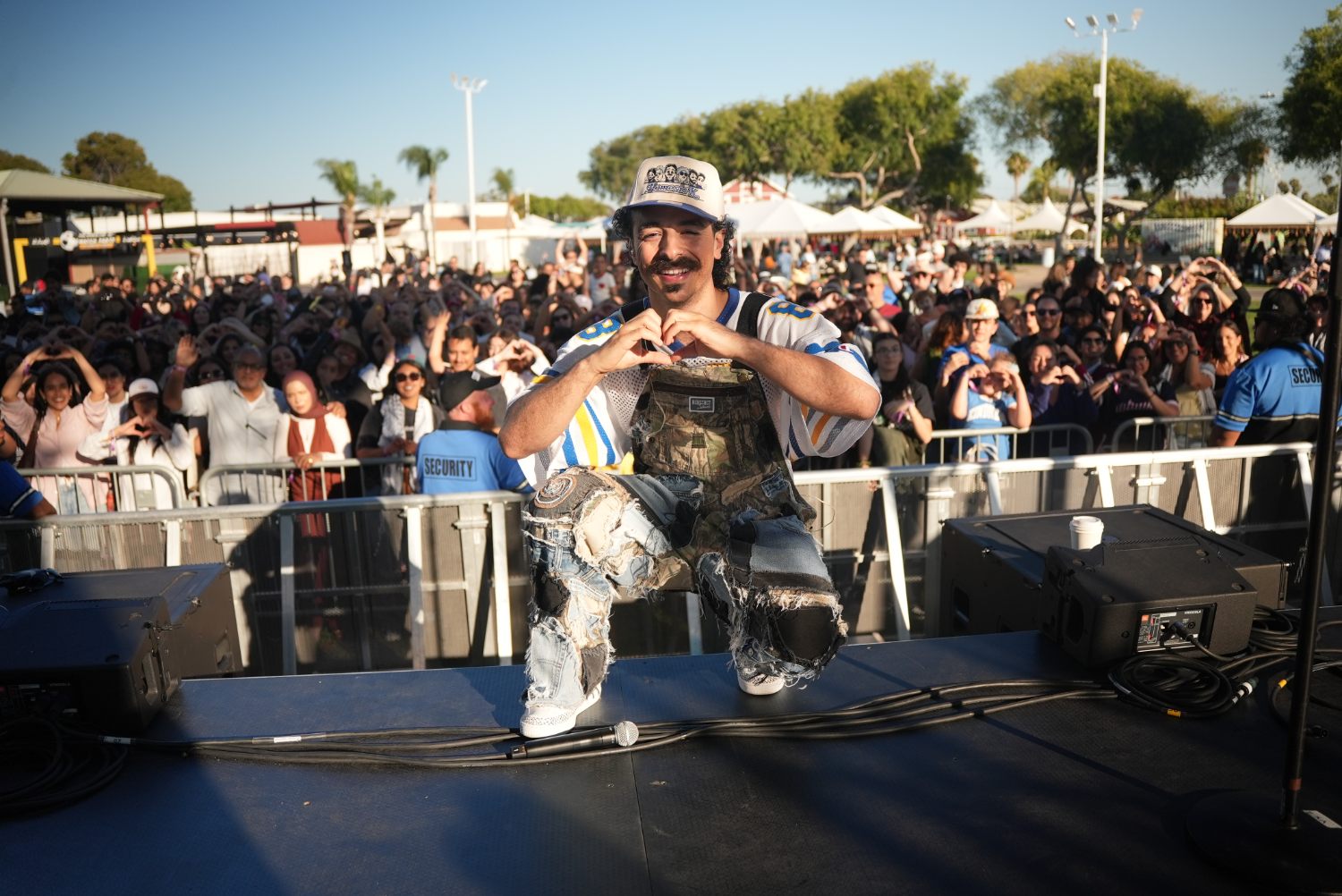
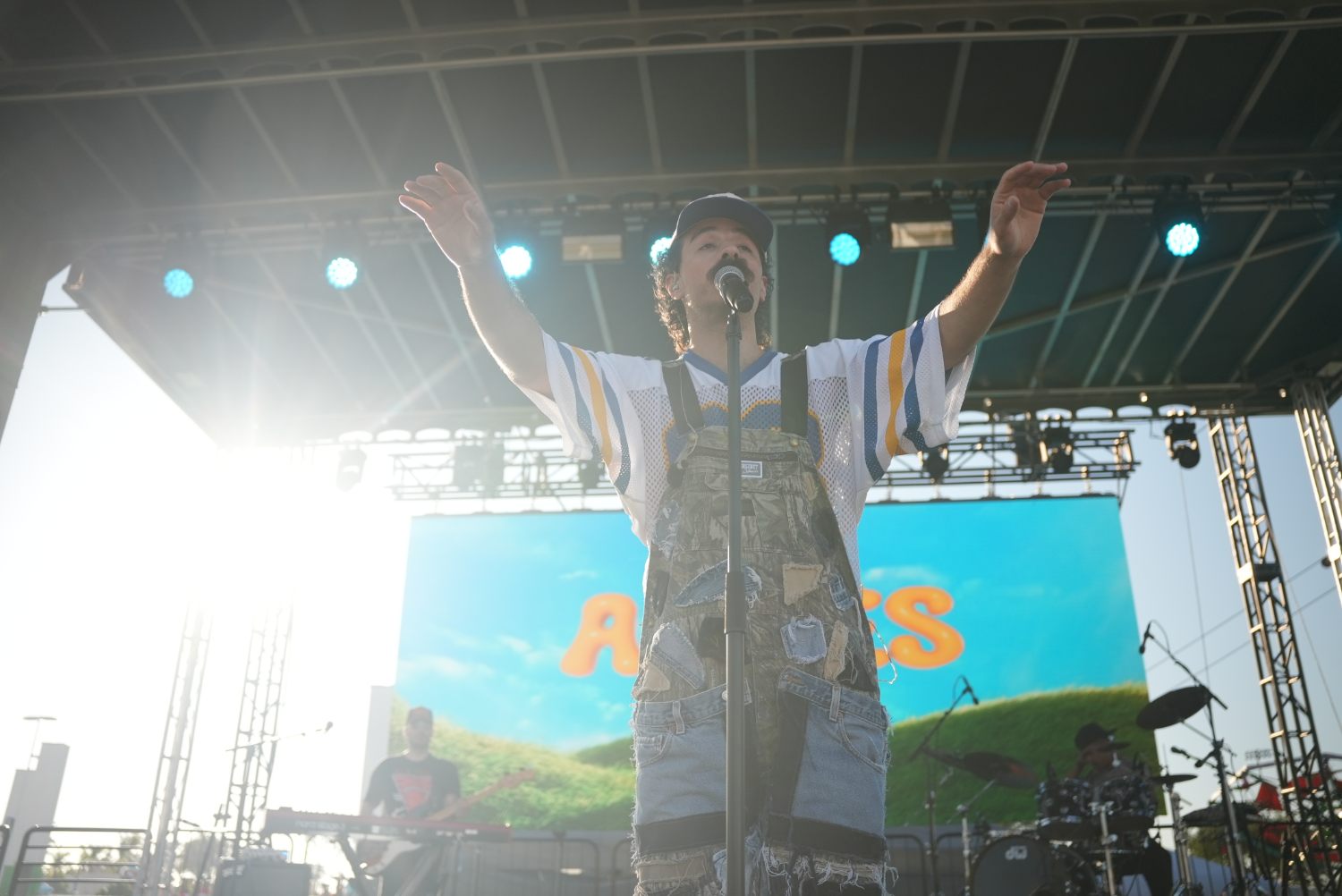
Anees performing on Friday, June 19, 2026. (Noire Creative @noirecreative)
Looking out from the OC MENA Fest stage he saw something different. “Today, that was a cool feeling to look out and see basically a mirror,” he said.
Beyond the enthusiastic reception, Anees said the festival carried a deeper significance. Growing up, he rarely saw artists who shared his background, something that delayed his own confidence in pursuing music. He hopes his visibility can help change that for the next generation.
“When I was little, part of the reason why I didn’t get into music right away is because nobody looked like me,” he said. “I didn’t really think I belonged in that space. Hopefully, my existence in this space tells the next generation of little Arab kids, little Palestinian, little Lebanese kids that they do belong in this space. They do belong on stage, and it is something that the world wants from them.”
The performance comes at a busy time for Anees. He’ll launch his 27-date Lucky Duck Tour in August, named after the rubber ducks he famously tosses into crowds during his concerts, before stopping at Los Angeles’ Globe Theatre on Aug. 22. Fans can expect a set spanning favorites from across his catalog alongside newer singles and unreleased music.
Looking further ahead, he’s already preparing his next album, Camp Crush, slated for 2027 as the latest chapter in the musical universe that began with Summer Camp and continued with Homesick.
For Anees, OC MENA Fest was a reminder of how meaningful representation can be, both for the artist onstage and for the audience looking back at him.
Follow OC MENA Festival on Instagram @ocmenafestival.