
 Will Jones
A new beauty must-have has emerged in the U.S.—the dry pedicure. One of the places people are flocking to for this treatment is Foot Care Pedicure in Southern California. It’s not easy to book an appointment there right now: we were told that the earliest available slots are several weeks away. The salon’s founder, Valeriia Dyshko, recently won the 2026 Golden Hands Award—one of the most prestigious awards in the beauty industry. She took home the prize in the Aesthetic Innovation category for developing that very iconic dry care system. In an exclusive interview, she discussed the approach that everyone is choosing today—from celebrities to those who closely follow beauty trends while also prioritizing their health.
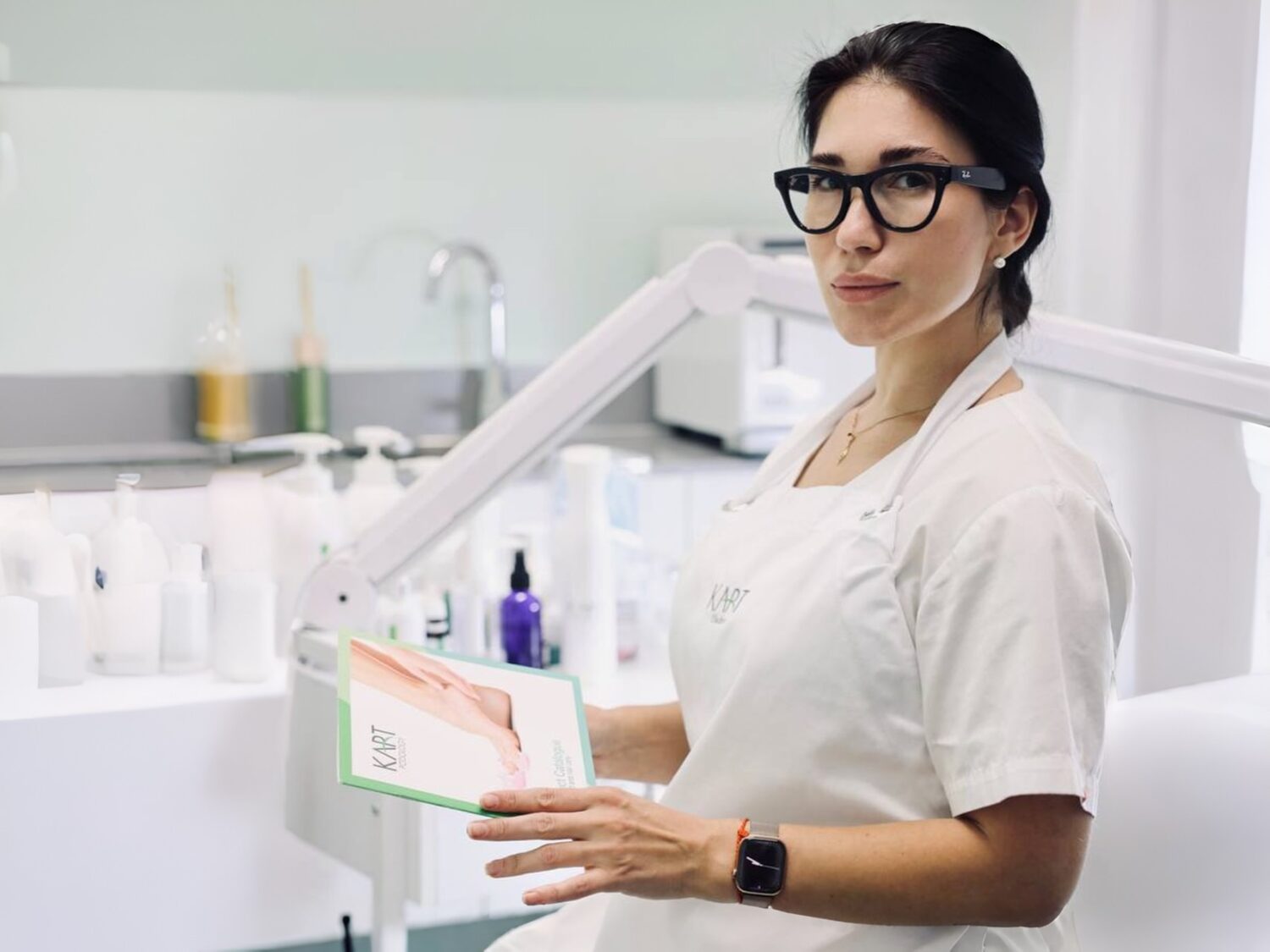
Valeriia Dyshko. Photo from personal archive
— Valeriia, thank you for agreeing to this interview! We tried to book an appointment with you, and the earliest slots were only available in a few weeks. Is this a typical situation for you, or is it a seasonal surge?
– Yes, this is a typical workload. I work a very busy schedule.
— You created the Dry Aesthetic Technique. It’s often referred to as “intelligent foot care” these days. But there are many dry techniques out there. What makes your approach unique?
– I don’t follow a set formula. There’s no one-size-fits-all approach. Each step depends on the condition of the skin and nails. In short, my non-invasive pedicure involves foot care without the use of any cutting tools. The technician doesn’t cut the skin in the traditional way at all. Instead, smart modern technologies are used. For example, special fruit acids and enzymes. They gently dissolve only dead skin cells, leaving the living skin completely untouched. Special softening compounds, called keratolytics, transform calluses into a soft layer in just a couple of minutes, which the specialist easily removes with a tissue. Finally, polishing machines meticulously buff the foot.
– Are there any other differences?
– I have special questionnaires—no other studio has this. This is an innovation I developed. It gives me a strong competitive advantage. I design a personalized foot care regimen based on a person’s lifestyle. This is extremely important.
At the same time, I don’t follow beauty trends blindly. And I teach my clients to say no if something could be harmful. For example, there are nail plates on which certain coatings should never be applied, because it will negatively affect the shape of the nail. Or, for instance, if someone asks to keep their nails long, but I see that this isn’t possible because they participate in a certain sport and, anatomically, it could cause them harm.
– You mentioned your students. As far as we know, you currently teach your own pedicure course and share your techniques with future professionals at Saddleback Beauty Academy—a prestigious professional beauty school. Could you please tell us about this work and your training program?
– Technicians come to me from different states; I help them transition from “wet” pedicures to “dry” ones. But this is far from my first teaching experience. I have already trained over 5,000 technicians. At the same time, the number of requests for training keeps growing every year. I’m approached by both beginners and experienced professionals who want to improve the quality of their work.
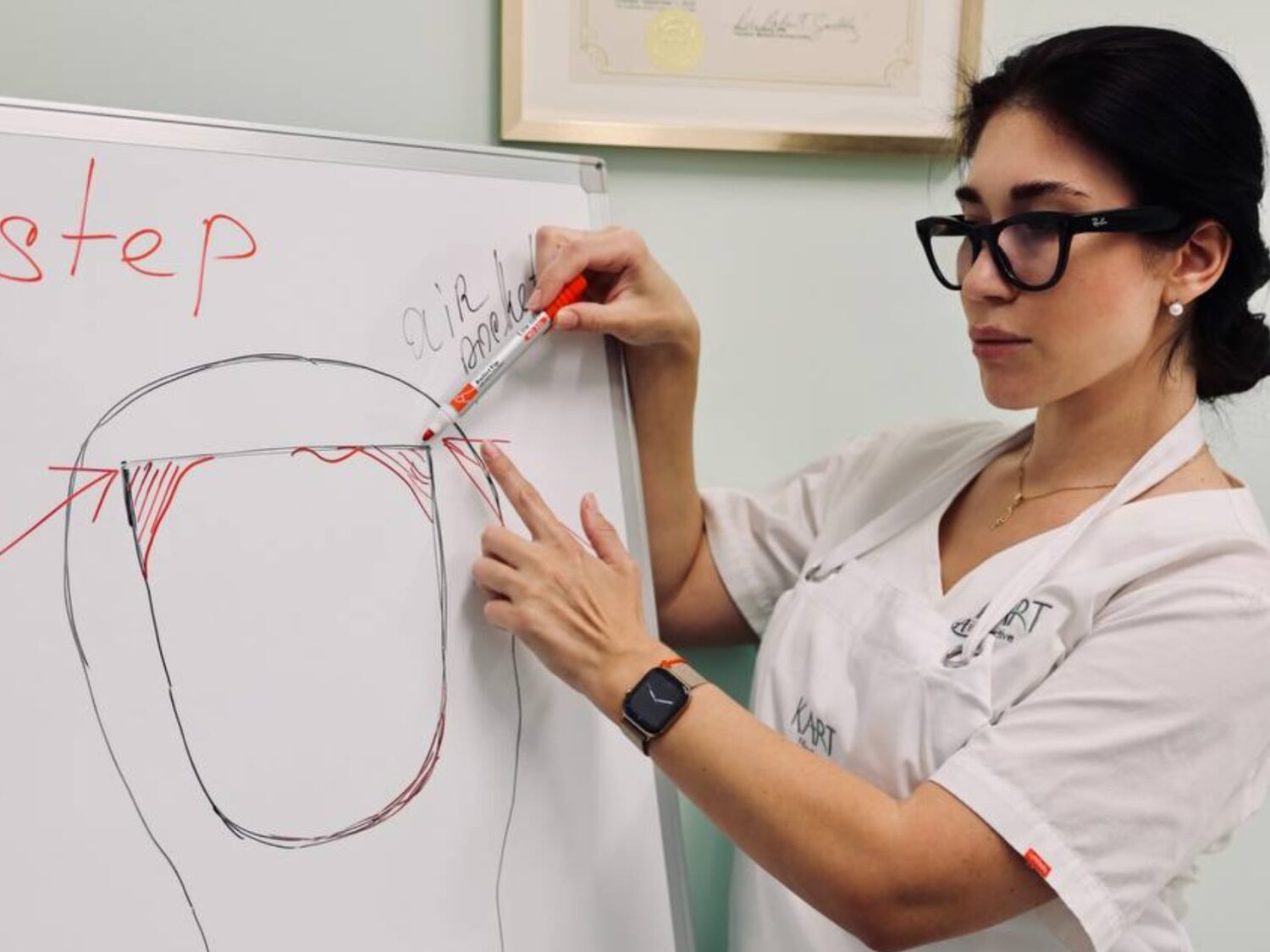
Valeriia Dyshko explains the Dry Aesthetic Technique during her author’s course. Photo from personal archive
I regularly hold master classes and seminars to help technicians advance their skills at salons in Los Angeles. It is especially rewarding to me that my students are already applying this knowledge in various countries, including Ukraine, the U.S., and Israel.
Previously, a separate focus of my work was training medical staff. I provided training for nurses working with patients with diabetic foot.
– You’re not just a beauty specialist, but also a medical professional. At the same time, you work at the Renew Podiatry clinic in Orange County as a podiatrist’s assistant. Why is this experience important?
– It makes me a specialist with an even deeper understanding of foot health.
I know how to recognize the early signs of fungal infections and nail disorders. This allows me to recommend a visit to the doctor to the client in a timely manner. I’m also gaining experience treating ingrown toenails, cracks, core calluses, and diabetic foot conditions. This means I can help clients who are turned away by regular salons. At the same time, I’m mastering new advanced techniques, including the use of specialized drills and tools for treating pathological changes in the skin and nails. I work closely with experienced dermatologists and podiatrists, such as Elena Novak and Dr. Charles Baik.
This experience makes my services more in demand and strengthens my reputation. I can offer competent solutions. I’m reaching another large audience—people with chronic foot problems are becoming my regular clients, as they need regular and professional care.
– Why is the dry pedicure particularly relevant here in California?
– There are many reasons. First, it’s hygienic and safe. The dry method eliminates the use of water baths, which can be a breeding ground for bacteria and fungi. In California, people often wear open-toed shoes and visit beaches, so the risk of catching an infection is higher here, and the dry method minimizes that risk.
Second, it provides long-lasting results. With a dry pedicure, the skin doesn’t get soggy, allowing the technician to remove dead skin more precisely. This keeps feet smooth for a longer period, which is important for residents of the Sunshine State, whose feet are always on display. As a result, it saves money—you don’t have to visit the salon as often.
Third, it saves water. California regularly faces droughts and strict water usage regulations. Avoiding foot soaks aligns with the local trend toward environmental sustainability and the efficient use of resources.
Dry pedicures are also ideal for addressing specific issues, such as calluses or cracks, which often arise from constantly wearing flip-flops and the dry climate.
And, of course, the procedure is about 30% faster—sometimes even 50%—because we don’t use soaking. This saves time, which is very important for all of us.
– California has strict safety requirements, including OSHA standards—these are federal occupational safety and health regulations. How do you manage to stay up to standard?
– Just like all top-tier salons. My instruments undergo a full cycle of cleaning, disinfection, and sterilization. The workstation is prepared anew for each client. We use disposable supplies and separate sets of instruments. After each client, the entire area is thoroughly sanitized.
And another important point—pre-assessment. I examine the condition of the skin and nails before starting. If there are signs that require medical attention, I do not perform the procedure and refer the client to a specialist. Those are the rules.
– There is a view that the classic pedicure in its traditional form no longer meets current demands. Do you agree with this?
– It’s just that preferences have shifted. Whereas before you could attract customers to a salon by offering them unique nail colors or designs, for example, the criteria for choosing a salon have changed. Every salon offers a million different nail polish options, but only a handful of salons have technicians who can really do a good job on your feet.
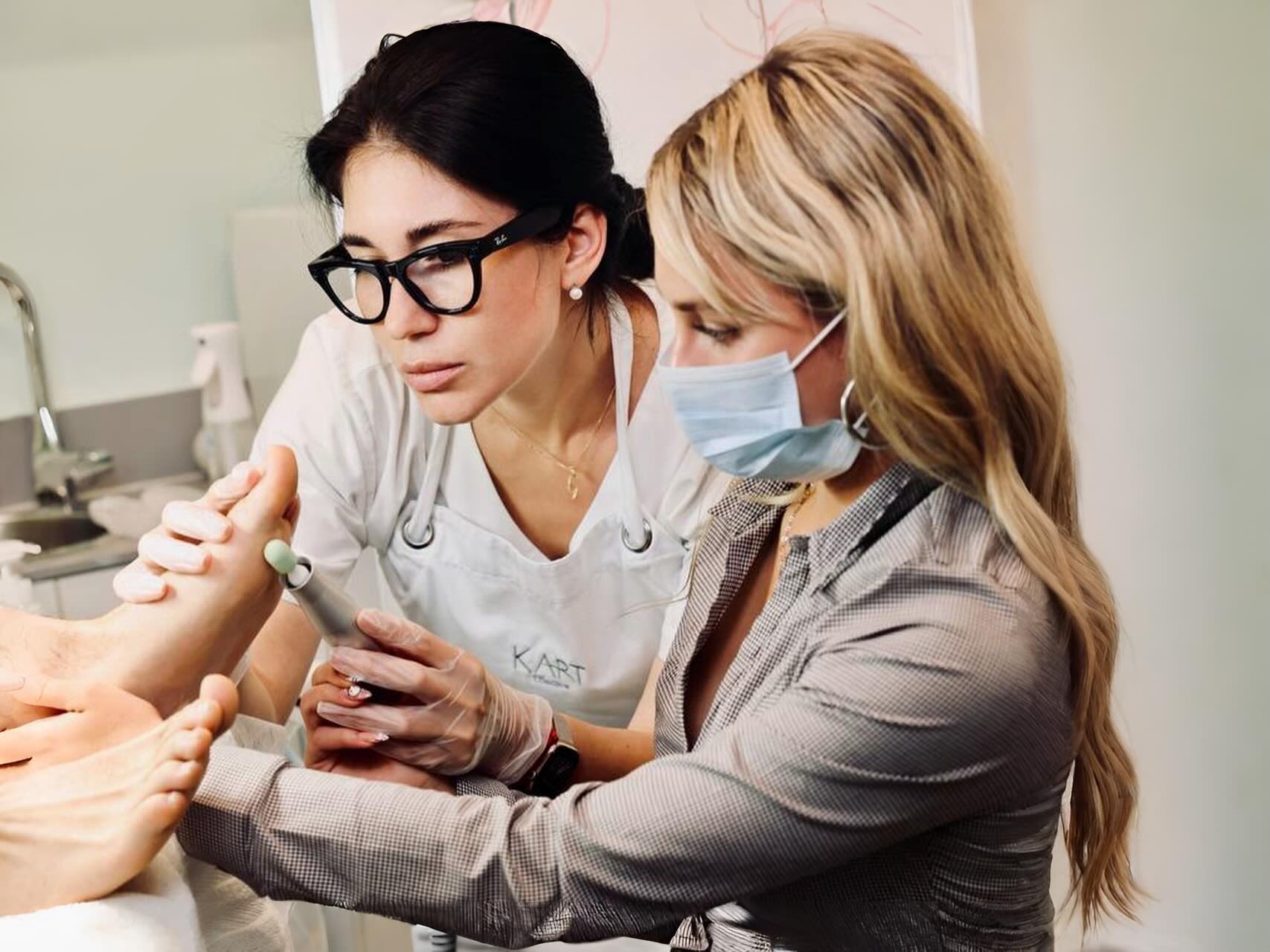
Valeriia Dyshko at a practical lesson on the Dry Aesthetic Technique. Photo from personal archive
You probably know from your own experience—if you’ve ever visited a salon for a pedicure—that after a while, you stop paying attention to the color of the polish. But whether there are any hangnails left, whether your heel is rough, and how long its softness and beauty last—that’s what becomes important! That’s the fundamental difference.
– Among your clients are public figures and artists. For example, the internationally renowned singer Svetlana Loboda. How challenging is it to work with such clients?
– These clients need predictable results. That’s why they’re quicker to adopt approaches like mine.
– This year, you received the status of international judge at the International Beauty Judging Academy. To achieve this, you underwent a professional selection process, specialized training, and successfully passed a qualifying exam. What has this given you professionally?
– First and foremost, it’s a different perspective on the profession and an expansion of my expertise. When you have experience in different countries, you develop your own system. But here, you see how it can be structured on an international level, which criteria are considered key, and so on. This is an extremely important experience.
– If someone hasn’t tried a dry pedicure yet, what would you recommend?
– Good question! We’re in California right now—a place where beauty trends come and go quickly. But the dry pedicure is a different story. According to my statistics and the observations of our technicians, about 90% of clients return specifically for it after their first visit. Yes, some people compare and try other salons—that’s normal. But our return rate is very high because clients can still feel the difference even several weeks after the treatment.
So I recommend coming in for the treatment and being pleasantly surprised. Because this experience is unlike anything else.