
 Will Jones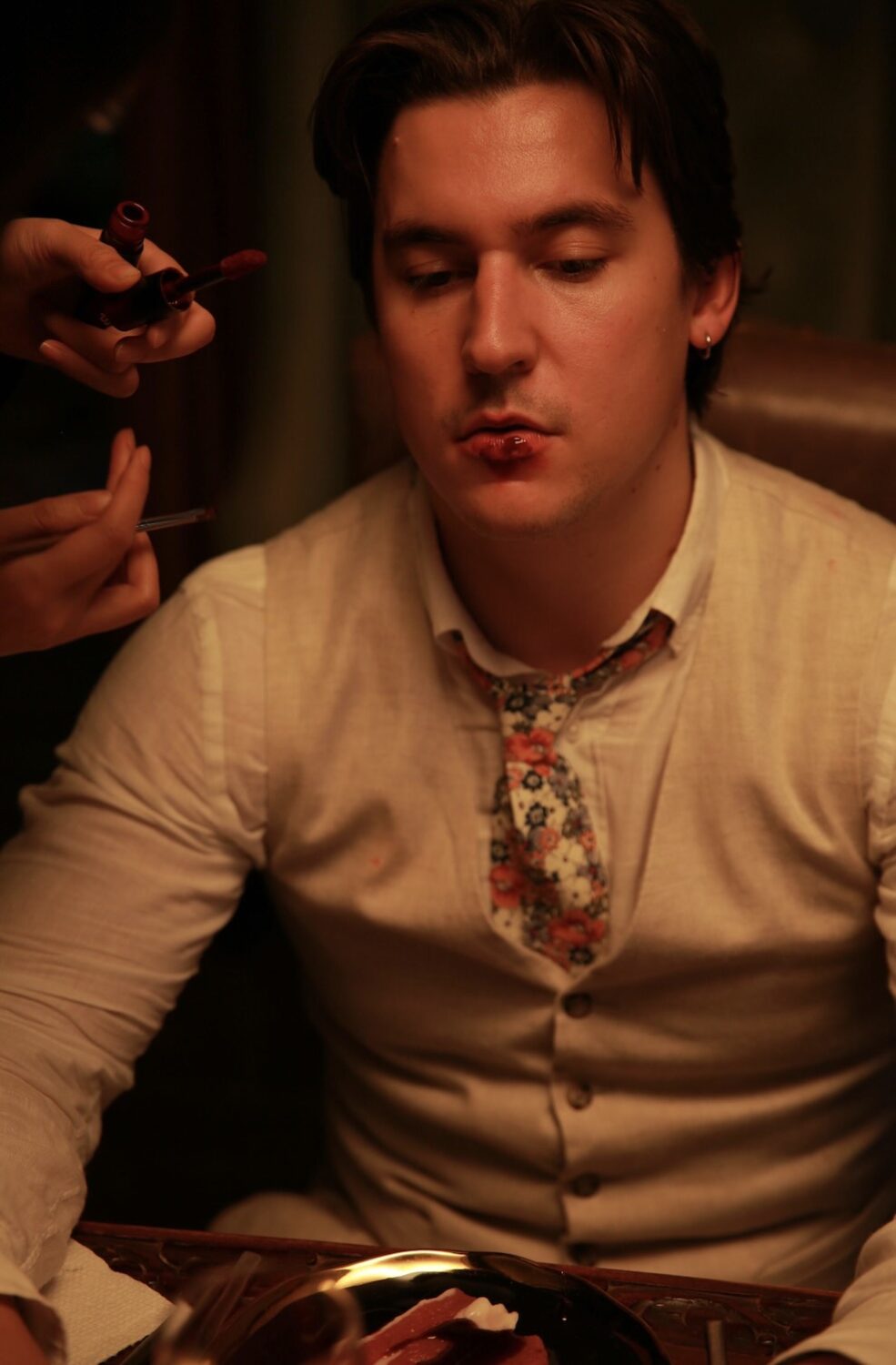
Joaquin Rodriguez Scheel, a Chilean actor based in Los Angeles, has journeyed from nervous student to featured performer, shaped by a multicultural upbringing across England, Chile, Mexico, and the United States. As a graduate of both the New York Film Academy and the American Musical and Dramatic Academy, Rodriguez has amassed credits in student films, independent features, and vertical streaming series.
This professional path reflects the rapid evolution of Hollywood, where new career realities challenge and spur young actors to constant reinvention. Industry disruption—from digital distribution and streaming to pandemic-era creative adaptations—has redefined what it means to begin an entertainment career.
Rodriguez’s experiences provide insight into how young professionals forge new paths, navigating opportunities and uncertainty with adaptability, initiative, and a focus on authenticity. His story, grounded in personal challenges and transformations, highlights broader shifts underway in post-pandemic Hollywood.
Overcoming fear
Performance anxiety is a well-documented challenge for actors, heightened by occupational pressures and creative expectations. Rodriguez recalls, “My stage fright started mainly during school project presentations. In a classroom of 20 people, my voice and hands would shake, and I would forget what to say.”
He also shares, “Knowing I wasn’t being myself and playing someone else gave me confidence I didn’t have before. I was more comfortable in a theatre packed with hundreds than a classroom of 20.”
Psychological strategies, including cognitive reappraisal and mindful self-talk, have been shown to reduce state anxiety among performers. Rodriguez echoes this approach: “If I was scared, that meant it was because it was important to me, which gave me reassurance that this is what I wanted to do.” Over time, practice has helped him convert nervousness into motivation, using fear as a “constant push in the right direction.”
Adapting across cultures
Rodriguez credits frequent moves during childhood for his adaptability. “If there is one thing I am grateful for about moving around as a kid, it’s that I experienced, but also embraced new cultures, which gave me this ability to adapt.” He explains, “Even when you go to a new set, or a new shoot, you have to learn to adapt. I think to myself, ‘I got this, it’s nothing I haven’t done before.'”
This adaptability supports a wider industry trend. With Hollywood embracing greater diversity and second acts, streaming demand for content has encouraged actors to reinvent themselves, as highlighted by an analysis of the reinvention generation of Hollywood. Rodriguez’s multicultural background fosters inspiration drawn from varied life and travel experiences, which he regards as vital in building character depth on screen.
Pandemic-era training
Rodriguez’s training reflects pandemic-induced shifts in acting pedagogy. “During my year at NYFA and my first year at AMDA, we still had to wear masks. It was difficult for me to grasp how I was gonna act when I had half of my face covered.” He adds, “Even with obstacles, I loved what I did so much that I didn’t care about them. I wouldn’t just try to blow it off or just give up, I worked hard to work with what I had.”
These experiences mirror industry-wide adaptations visible in mask-based actor training and creative remote exercises, which became the educational standard during COVID-19. Such flexibility and resourcefulness have set expectations for performers beginning their careers in a continually changing landscape.
First steps on set
Transitioning from training to professional sets marked a significant new phase for Rodriguez. “It was surreal. It was the first time I was actually getting paid to act. I was a background actor, I got to set an hour early with all my wardrobe options, excited but also nervous.”
He recalls, “When it comes to plays, you would make friends or already be friends with the cast. With my first gig, I made the mistake of overthinking, going, ‘Have fun, but remember this is a job.'”
Such transitions reflect larger trends in the industry, where digital transformation and evolving production models shape early career experiences. Young actors today step into a work environment defined by thereshaping of business models and the dominance of streaming platforms.
Redefining goals during uncertainty
The pandemic provided Rodriguez with space for self-discovery. “Something good that came out of the pandemic for me was that I realized I wanted to become an actor. The pandemic gave me the time to truly think of what I wanted to do in the future, and after taking an online acting course, I knew this is what I wanted.”
He notes, “With every semester that went on, it kind of felt like things in the industry kept changing. So as a generation, my classmates and I just had to learn how to adapt and do the best we could with the lessons we learned.”
His trajectory echoes industry research showing the pandemic’s effect on creative careers, pushing filmmakers and actors to embrace virtual models and streaming distribution. Studies have documented this accelerated transformation, including the rise of major platforms such as Netflix and Amazon Prime Video, now central to film production.
Staying grounded
Rapid shifts and intensive schedules demand new forms of grounding from actors. Rodriguez explains, “There was no set strategy that I had to adapt to the fast-paced demands of the industry. I just saw it as opportunities I had to take. You booked something that films in three days? Read the script, grasp a sense of who your character is, and work from there.” He continues, “Honestly, it’s when you’re back home from the set that I had to learn to stay grounded. That’s when you film three auditions a day and never hear back from them.”
These everyday realities are reflected in recent labor market analyses, which show that while the sector faces volatility, talent concentration and wage premiums in Los Angeles remain strong. Rodriguez’s approach highlights the importance of resilience and self-discipline for young artists finding their footing in Hollywood.
Reinventing character
Developing authentic, multidimensional characters is crucial in the current entertainment environment. Rodriguez notes, “When I was at NYFA and AMDA, I was able to study and train playing a variety of different characters. From classics like Biff Loman in Death of a Salesman to original characters in a script written by me.”
He elaborates, “Even when I play villains or ‘bad guys,’ specifically in verticals, I have to understand why they do what they do, even if I personally don’t agree with it.”
This process is aligned with current industry demands—streaming platforms and global storytelling models require versatility and nuance from their talent. Rodriguez aims for believability no matter the role: “What I hope audiences take away from my performance is believability. Even if I’m playing a villain, and they hate it, that means I am doing a good job. I want people to leave believing the circumstances set for my character.”
Advice for newcomers
Rodriguez offers pragmatic guidance: “Before being worried about being ‘typecast’, worry about being cast. If you know what you can play, great! That’s what agents, managers, and casting directors want.” He adds, “Those who come from multi-cultural backgrounds like mine. Take a chance. If this is what you love to do, if this is what you need to do, do it. It can be in English, Spanish, Mandarin, or whatever language you speak. Art knows no bounds.”
These insights reflect ongoing expansion and diversification in the film workforce—despite shifting employment shares, Los Angeles continues to lead in wages and opportunities. Rodriguez’s career demonstrates that embracing personal uniqueness and cultural heritage is becoming increasingly central to navigating Hollywood’s evolving terrain.
Rodriguez’s journey illustrates the convergence of creativity, adaptability, and perseverance demanded of contemporary actors. As Hollywood continues to shift past pandemic disruptions and embrace new creative and business models, young professionals like him are not only meeting industry expectations but helping forge new blueprints for career resilience, innovation, and authentic performance. The evolving landscape is open to those ready to turn challenges into opportunities—and fear into forward motion.