

 Jimi Devine
With the Cannabis PR space pushing CBD Day down our throats, we decided to reach out to one of the leaders of the modern CBD explosion in the decade since California cultivators began working to breed the cannabinoid back into the medical cannabis supply chain.
Back in 2009, people were starting to get wind of the seriously beneficial effects CBD had in providing relief for a range of ailments, author Martin A. Lee and Fred Gardner, a former Scientific American editorial board member, launched Project CBD to educate the public and get the word out about what they were seeing.
While CBD was first isolated a year before THC in 1963, it was discovered not long after it didn’t get you high thanks to some monkeys that were volunteered to eat some hash. This is also when researchers discovered the first rumblings of CBD’s anti-epileptic properties, but it wasn’t enough to keep the ball rolling. 30 years later GW Pharmaceuticals would get the kick things off again in England on that side of things, the resulting drug Epidolex was approved by the FDA last summer.
But another 10 years after GW was founded, and a decade after California passed Proposition 215 legalizing medical marijuana, the biggest changes would start to happen. California began to get a lot more scientific about its pot. While still keeping their head down in the early days of an Obama administration that was tougher on medical cannabis than we might have expected from campaign trail promises, some dispensary owners began to transition to the Apple Store impersonators of today. And even more importantly, the first commercial cannabis labs on a quest to understand the plant deeper than we ever had before popped up.
We started to learn about ratios of THC to CBD, more and more strains were developed from a few early cuts like Omrita and Harlequin that showed great potential. Farmers dotted across the state did their best to produce tinctures and other medicines in compliance with then-Attorney General Jerry Brown’s guidelines on medical marijuana.
And that’s when Lee, Gardner and a spread of farmers commenced their effort to propagate and educate people about CBD, leading to what we see today.
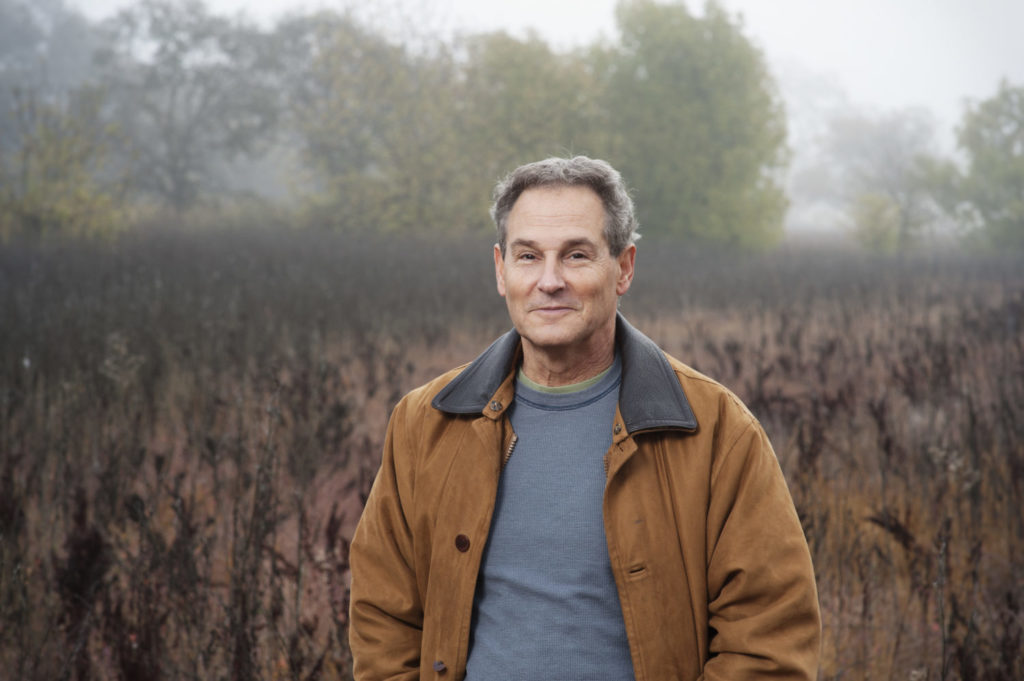
Martin A. Lee (Courtesy of Project CBD)
As we started our chat I immediately dove in head first on the traditional “Happy CBD Day” greeting to Lee.
“I don’t exactly know how or why this became CBD Day,” Lee told L.A. Weekly in a phone interview by phone,” I thought, well…whatever.”
We asked if any of the PR companies pitching the new holiday had given him a call to take part. He admitted to having lots of stuff coming through his inbox as part of his general workload, “But not really. I’m very frequently talking to reporters, but nobody mentioned it specifically, and I wondered where is this coming from?”
Where did it actually come from? A pitch to the six-year-old National Day Calendar. CbdMD president Caryn Dunayer told Westword the holiday was inspired “by the lack of marketing and advertising available to hemp and CBD companies, which can be ostracized by media platforms and regulators because of their association with marijuana.” National Day Calendar founder Marlo Anderson stands by the move, he told Westword they did their due diligence before approving CBD Day and they have only approved 200 holidays.
But 10 years ago, the idea of CBD Day? Nevermind a holiday, people just wanted to know what the experience was going to be like. “Everyday was CBD Day, that was the way we were thinking about it way back when,” Lee said. “It’s funny. I guess it’s just an indication of the situation.”
“It was twofold what we thought about CBD,” Lee said, “First, it was exciting, there was great potential for it therapeutically. It would be very helpful to people, but it would also be very helpful for the medical marijuana community because it would have a protective effect.”
Lee compared the way CBD could help the industry in those days to its neuroprotective properties, the UFC just started a program at their Performance Institute to see just how protective it is for combat sports athletes hoping to avoid things like chronic traumatic encephalopathy. Nevertheless, the idea was CBD’s medical value could help show the positives of an industry where everyone was breaking the law in the process of trying to provide for the sick.
“We sensed very early on this is going to be a very difficult pill to swallow for the FDA, DEA, the drug war establishment; that they were going to have a hard time with CBD. Because there is no explanation at all as to why you would have this be illegal,” Lee said. “You can get away with saying THC gets you high.” Lee believes there is a lot of Reefer Madness baggage to this day, “you can’t get away from it. It’s sort of prohibition’s last stand.”
“The fact of the matter is, we thought the community was under a lot of pressure and we thought CBD was something to fight back with. Something that would be a real asset to the community in debunking the whole idea medical cannabis is basically a front for stoners,” Lee said.
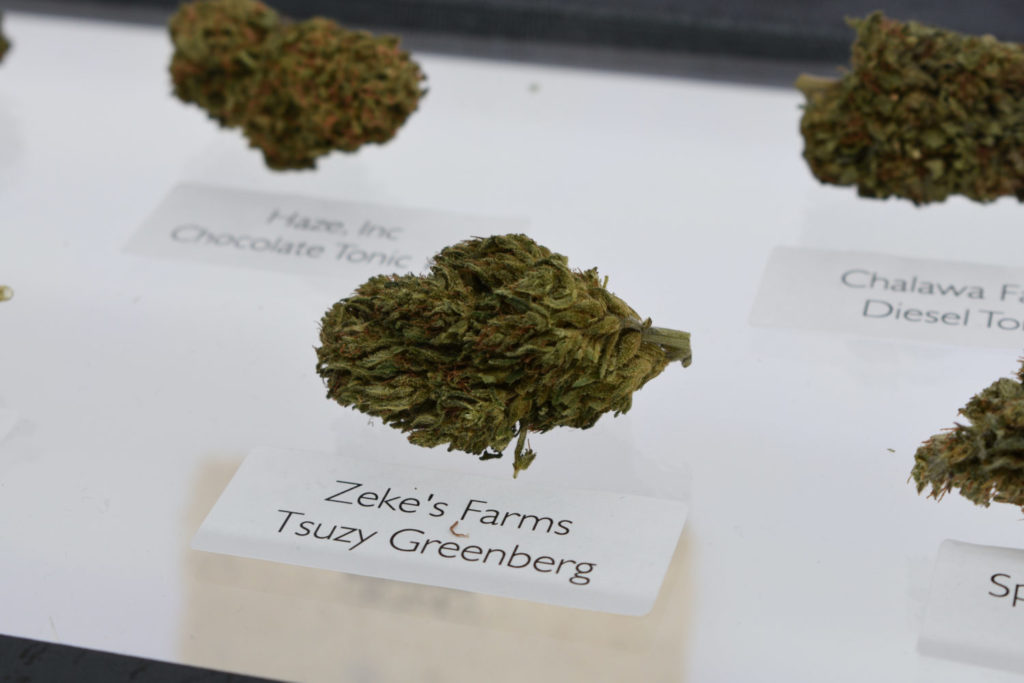
(Jimi Devine)
Lee said people would make the argument that medical cannabis was all just a rouse for seemingly able-bodied young men to get high, “You can’t make that argument with CBD.”
Project CBD’s pioneers sensed early on that CBD could soar once word got out. So in some senses, nothing has surprised Lee, but on the other hand “somehow I wasn’t invited to Kim Kardashian’s CBD baby shower,” he said.
Lee went on to discuss the impact CBD has had on liberating hemp with the Farm Bill. But he thinks it’s crazy how you can legalize one form of the plant and think to hope to regulate the rest of them.
“What happens when it goes to 0.5 percent THC? Every time you extract the oil you’re exceeding the legal limit because you’re concentrating the THC. Even if it’s not a lot,” Lee said, “The problem is that anyone making produce from concentrated hemp is breaking the law at some point.”
Lee says he wonders where all the incremental amounts of THC stripped from hemp end up.
Lee said we’re now in this absurd situation where regulators want to regulate CBD as a supplement. He doesn’t think that’s a good idea based on what he’s seeing in the way other supplements are controlled. Issues with tainted supplements are regularly referenced by athletes who get flagged by the U.S. Anti-Doping Association testing. On multiple occasions, USADA has tracked down the tainted supplements on store shelves with the assistance of affected athletes.
In contrast to the world of supplements, Lee said, “I would like to see this well regulated.”
“We’re relying on the federal government to do it right for CBD? I don’t think so. I’m not that confident. Particularly with McConnell leading the way, the great savior of humankind. It’s like, boy with friends like that it’s way beyond who needs enemies. It’s very ironic. CBD is the red state cannabinoid,” said a chuckling Lee.
Lee points out that’s how CBD is a trickster molecule.
“It has so disordered the cosmos of the DEA, FDA, the federal government; that they don’t know what the hell to do with this. They can’t do it the ordinary way of doing things. And who is leading the charge? The worst of the worst. So I guess we’re laughing all the way to liberating cannabis,” Lee said.