
 Wyles Daniel
Across the last decade, homes have begun to think. Lights dim at the sound of the voice or clap, thermostats anticipate comfort, and security systems recognize familiar faces. Innovation has quietly woven itself into daily life, creating spaces that adapt, respond, and now, even predict. Yet amid all this transformation, one room has remained curiously untouched: the kitchen.
Perhaps the most utilized room of a home, the kitchen has been a sacred space for many, where creativity, community, and skills have often taken hold. It is the emotional core of a home that carries the scent of tradition, meals prepared by instinct, and recipes measured by memory. Yet while other rooms have eagerly welcomed automation, the kitchen has often resisted change.
This resistance has been driven by a fear of losing human touch, the sensory ritual, and the sense of care that embodies the art of cooking and dining. The kitchen has this deep emotional gravity. It’s where people connect, create, and care for one another. That’s why technology has to fit around those experiences, not replace them.
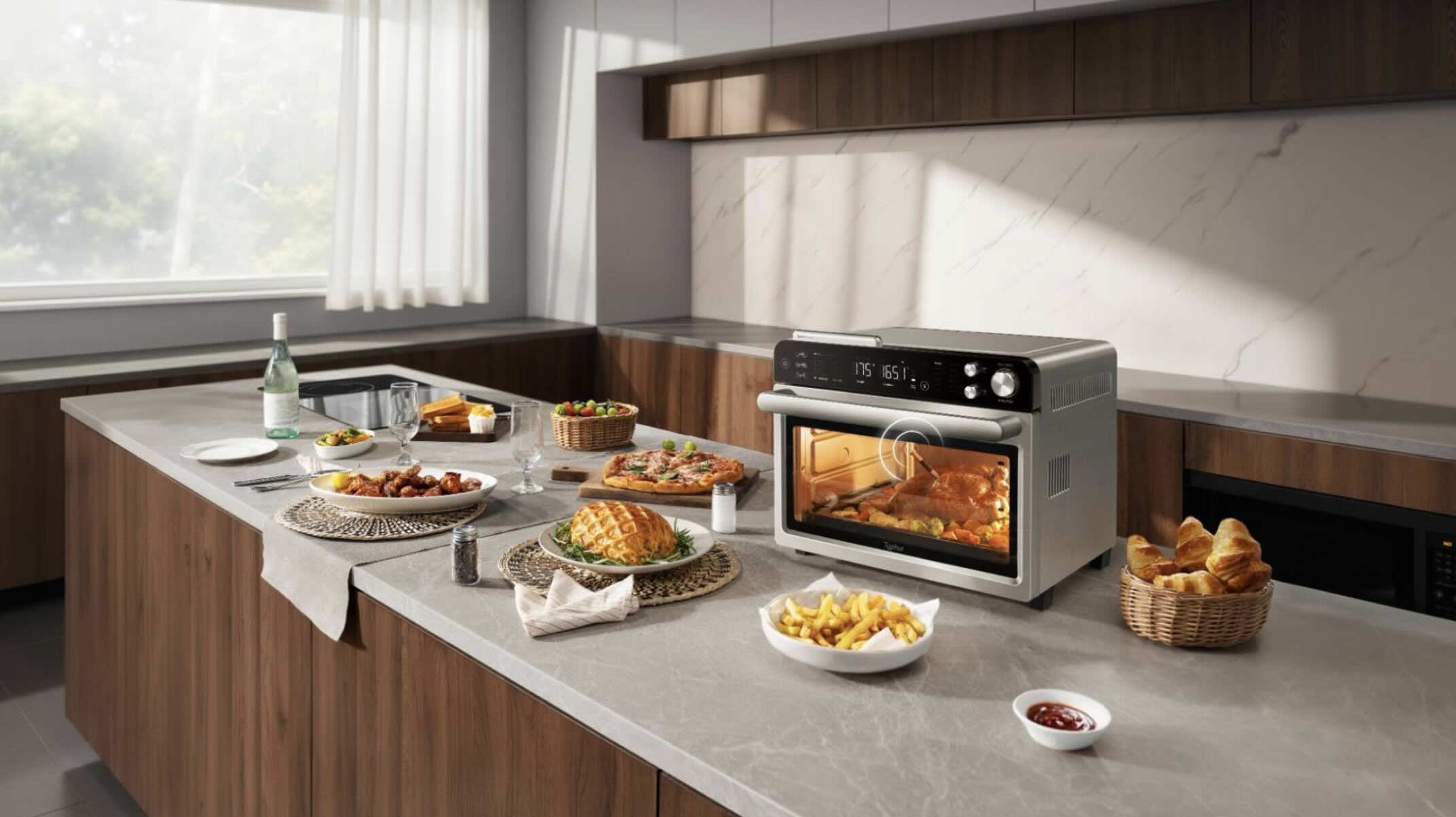
Typhur Sync Oven
During the early smart home boom in the 2010s, most advancements centered on convenience and control. Smart thermostats and lighting systems aided in simplifying routines without impacting human interactions and functions. Similarly, security and entertainment systems also ameliorated the overall state of living for adopters. But in the kitchen, the line between assistance and intrusion had been harder to navigate.
Cooking can be a very personal, intimate art, one that balances intuition and craft. Allen Fung, General Manager of Typhur, a company at the forefront of smart kitchen design, notes that early smart appliances were more focused on automation rather than empowering users, which could have missed what truly matters: the joy of the process.
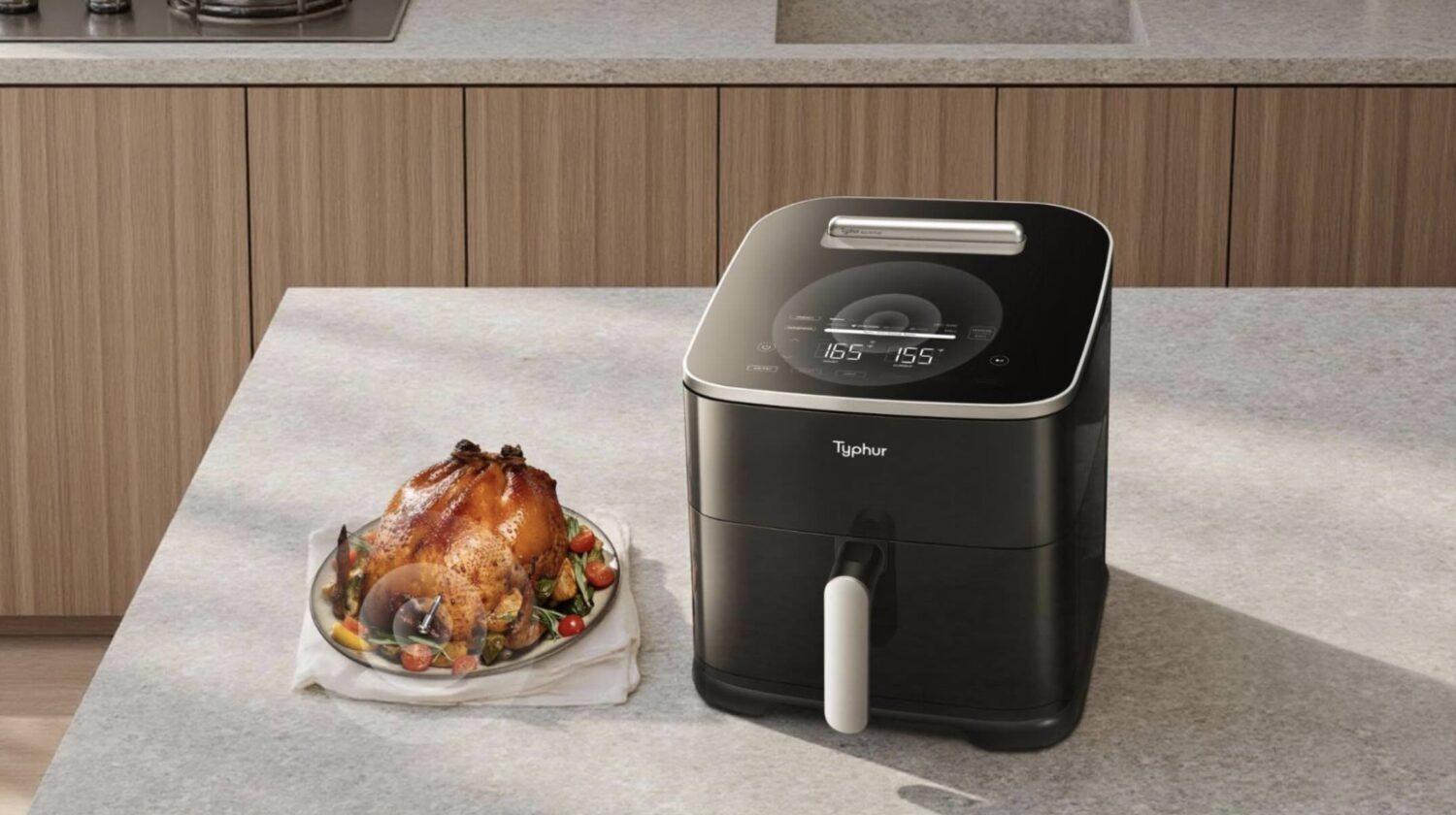
Typhur Sync Air Fryer
Preheating an oven from one’s phone or asking the fridge for a recipe sounded futuristic, but they didn’t actually solve the frustrations people face in real kitchens. The goal isn’t to make cooking robotic and gimmicky; it’s to make it more rewarding while safeguarding tradition and the art that defines cooking.
That distinction has defined the new wave of innovation emerging today. Rather than trying to digitize the cooking experience, forward-thinking companies are designing tools that enhance it. Typhur, for instance, has taken a precision-driven approach, creating products that combine craftsmanship with data-backed intelligence.
Its Sync Oven and Air Fryer, for example, use a wireless thermometer that monitors internal food temperatures in real-time, helping home cooks master consistency without losing creative control. Through its Sync Oven and Air Fryer, Typhur unlocks a degree of precision that was once out of reach for even the most skilled chefs. “Precision should never replace passion,” says Fung. “It should make it easier for people to express it.”
Even the brand’s upcoming Ice Maker reflects this philosophy, as it attempts to transform ice into perfectly chewable ice nuggets by optimizing the air ratio, keeping beverages cooler for longer. Typhur’s Ice Maker shows that even something as “mundane” as ice can be improved via innovation.
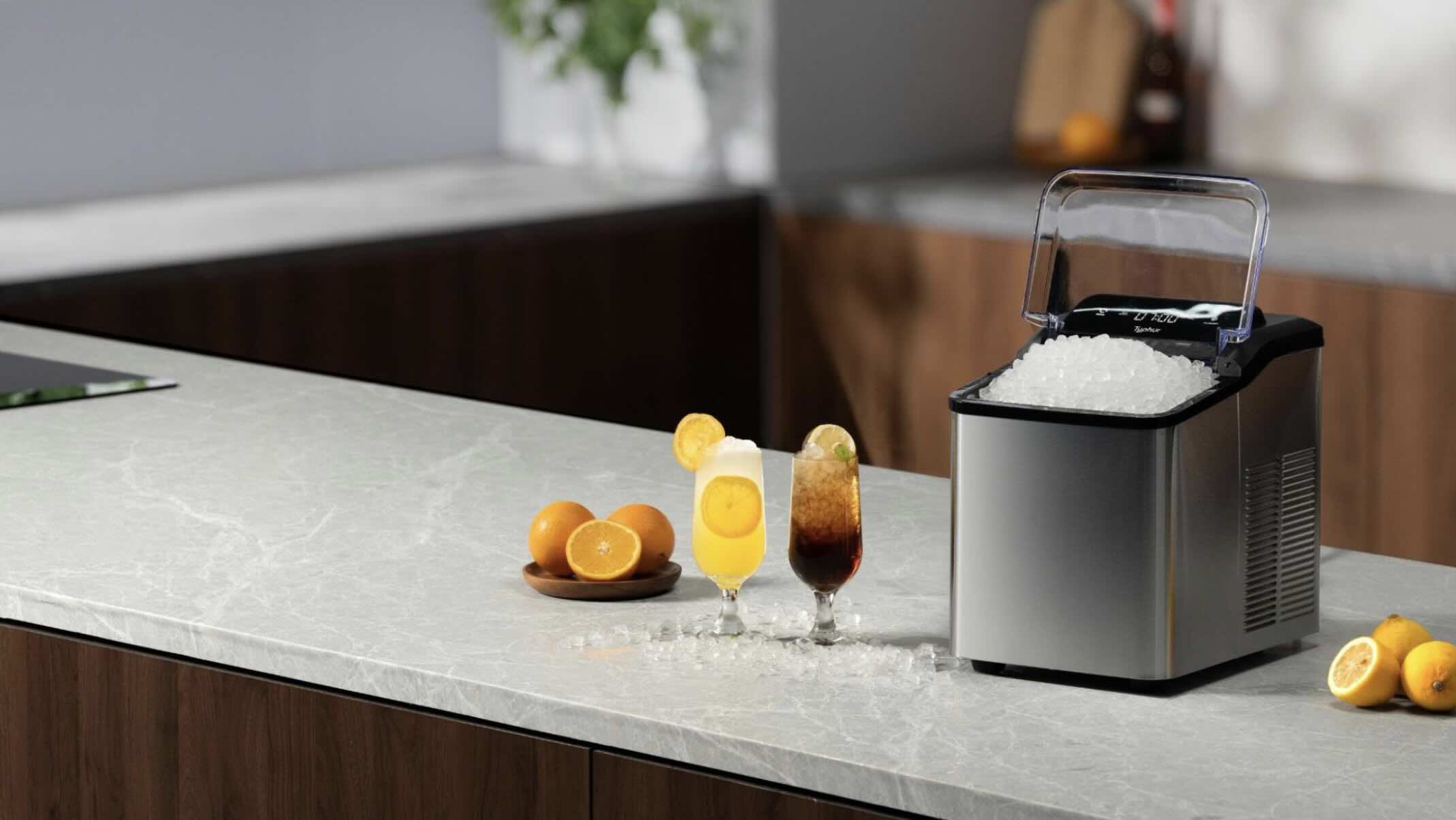
Typhur Ice Maker
What’s happening now signals a shift in mindset. The kitchen is no longer sitting on the exteriors of a smart home; it’s becoming the next frontier. As interoperability and AI grow increasingly intuitive, and appliances seamlessly incorporate IoT and other digital innovations, the kitchen is predicted to be on the frontlines of leading the conversation on how technology can integrate with everyday life.
“The smartest innovations are the ones that feel invisible,” Fung adds. “When tech disappears into the background and lets people focus on the experience, that’s when it’s truly transformative.”
Once left behind by the smart home revolution, Fung believes that the kitchen is now poised for its own resurgence, where the technology will value precision and intelligence without losing tradition, warmth, and the soul of cooking.