
 Karen Koehler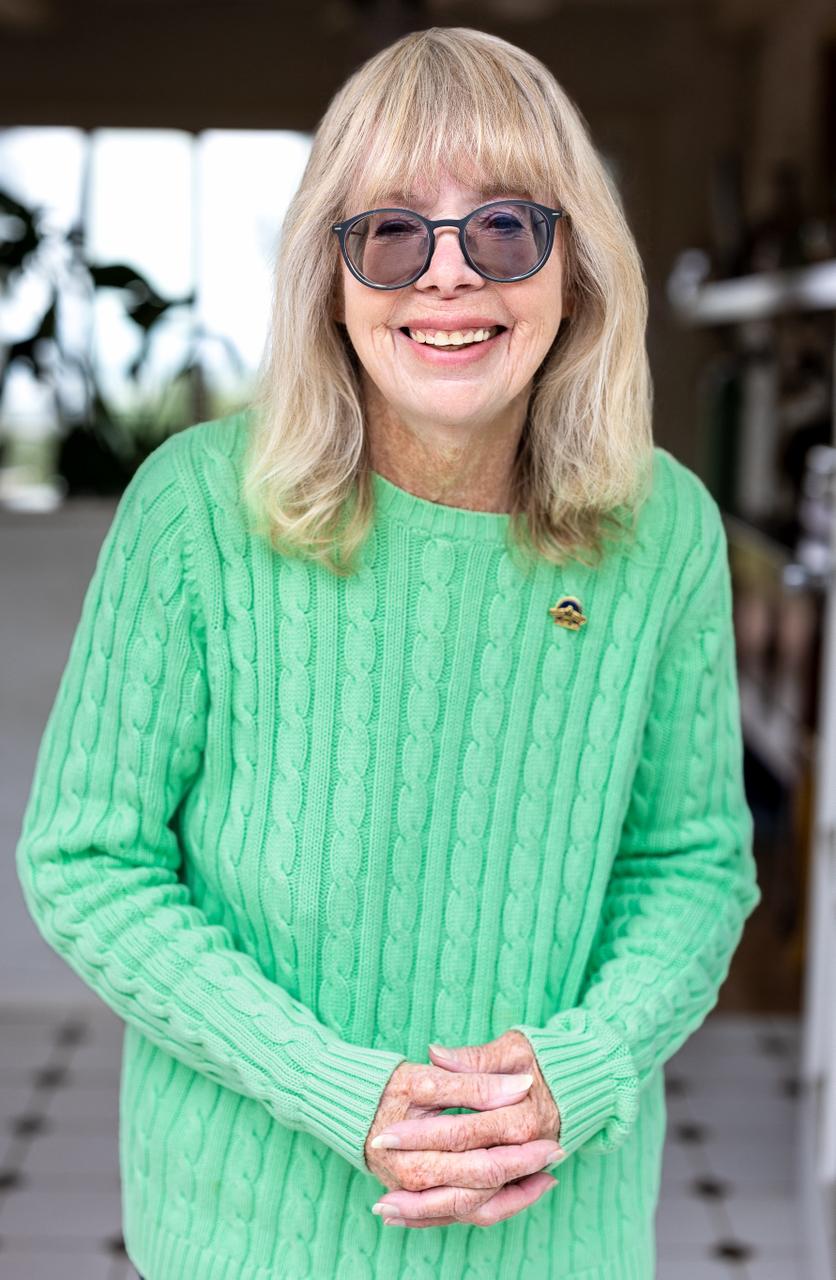
Image Credit: Elonne Dantzer
In the world of toy licensing, it’s rare for one quiet suggestion to change the future of a global character. But that’s exactly what Elonne Dantzer did. She wasn’t a VP or an exec in a corner office but just a sharp, observant designer at Mattel who saw a gap no one else did. One day, she simply asked, “Why don’t you take Minnie away from Mickey?”
That offhand idea would go on to reshape one of the world’s most iconic characters.
That single spark became Minnie and Me, a franchise that would anchor Disney’s Minnie Mouse in her own orbit. It was more than a product line; it was a reframing of a character that had lived too long in someone else’s shadow.
Redesigning an Icon
Dantzer was not just any toy designer; she was a visionary. While others may have seen limitations, she recognized an untapped potential in the partnership between Mattel and Disney. Minnie Mouse had always been cast in Mickey’s shadow—charming and loyal but never leading the way. Dantzer boldly envisioned a world where Minnie stepped into the spotlight as a strong, independent character, ready to captivate audiences on her own terms.
“I did a Minnie’s World concept,” Dantzer recalls. “Disney ended up calling it Minnie and Me. They loved it.”
The line exploded. Holiday Minnie, Learn-to-Dress Minnie, collectible Minnies, and tiny figures that played in pastel-colored dollhouses. Minnie became not just a mascot but a playmate. For a generation of young girls, she was a lead character, not a supporting one.
From Paper Dolls to Vinyl Dreams
Dantzer’s journey didn’t start with Minnie. She began as a fashion illustrator at FIT in New York, pivoted into greeting cards when photography overtook illustration, and then, almost by accident, found herself designing toys at Mattel in the 1960s. Dollhouses, suitcases, preschool toys—her fingerprints are oon themall.
But it was character design that unlocked her most resonant work. From Minnie Mouse to Betty Spaghetti to Poppy Fresh, Dantzer understood something that marketers often don’t: Kids aren’t just buyers. They’re believers. They step into worlds we create for them, and the rules of those worlds matter.
A One-Woman Powerhouse
During a time when most toy company boardrooms were dominated by men and women’s voices had little influence on major decisions, Elonne Dantzer didn’t seek attention. Instead of forcing her way in, she focused on her work. She designed, sculpted, and created entire worlds. With quiet confidence, she took bold, creative risks that left a lasting impact.
“Sometimes you just know something is right,” she says, reflecting on her decision to sculpt the first version of Poppy Fresh over a weekend at home, without approval, without budget, just belief.
Dantzer designed more than just physical toys. She also shaped narratives, deciding how children would play and what roles characters would model. Minnie wasn’t holding Mickey’s hand anymore; she was holding her own.
What Makes an Idea Last?
In the world of licensing, good ideas can die quietly in conference rooms. Dantzer’s didn’t. Why? Because it spoke to something larger: representation, independence, and personality.
“Toys feed you,” she says. “Some careers drain you. But in toy design, the energy was always coming back.”
Dantzer knew children noticed when characters stood alone when they had their own interests, outfits, and homes. With Minnie and Me, she helped plant a seed that would later bloom into a wave of female led branding, from Dora to Doc McStuffins. Before it was trendy, it was Dantzer’s instinct.
Receiving the Due Credit
Today, Dantzer is compiling decades of sketches and concepts into a forthcoming art book—a visual legacy of toys that once filled living rooms and hearts. For decades, her contributions remained behind the curtain. Designers rarely get named credit, but that’s changing.
Collectors still email her, and university students researching gender in toys find her. Designers now reference her pioneering use of character autonomy as a turning point in toy branding.
“I saved boxes and boxes of concepts,” she says. “Because people don’t realize how much thinking goes into a toy. I think they’d want to know.”
Dantzer’s vision emerged long before brand independence became a marketing strategy, before we focused on which characters received top billing, and before Disney introduced the “Empowered Princess” campaigns. Her vision wasn’t driven by boardroom strategies; it was rooted in a designer’s intuition.
In doing so, she did something timeless. She didn’t just give Minnie Mouse a product line. She gave her a point of view. A home. A story.
That story, decades later, is still unfolding.