
 Mark Stefanos



By the time Kenyon Dixon arrived at EGO RUINS EVERYTHING, his new album out today, July 24, he had already built the kind of resume that could justify a victory lap.
The Los Angeles singer-songwriter had quietly become one of contemporary R&B’s most respected craftsmen, earning Grammy nominations as both an artist and collaborator while writing and recording outside the traditional major-label system. He had toured the world, penned songs for artists including Justin Timberlake and Tyrese, and developed a devoted fan base that filled venues one show at a time.
Yet when it came time to make his latest album, Dixon found himself looking inward instead of celebrating outward.
“EGO RUINS EVERYTHING is a concept album that’s kind of just a journey through ego and learning how to deal with it,” Dixon tells LA Weekly. “It came from a retrospective place — looking at decisions I made, experiences I’ve had and things I’ve seen other people go through. I realized how differently outcomes could have been if ego was where it should have been.”
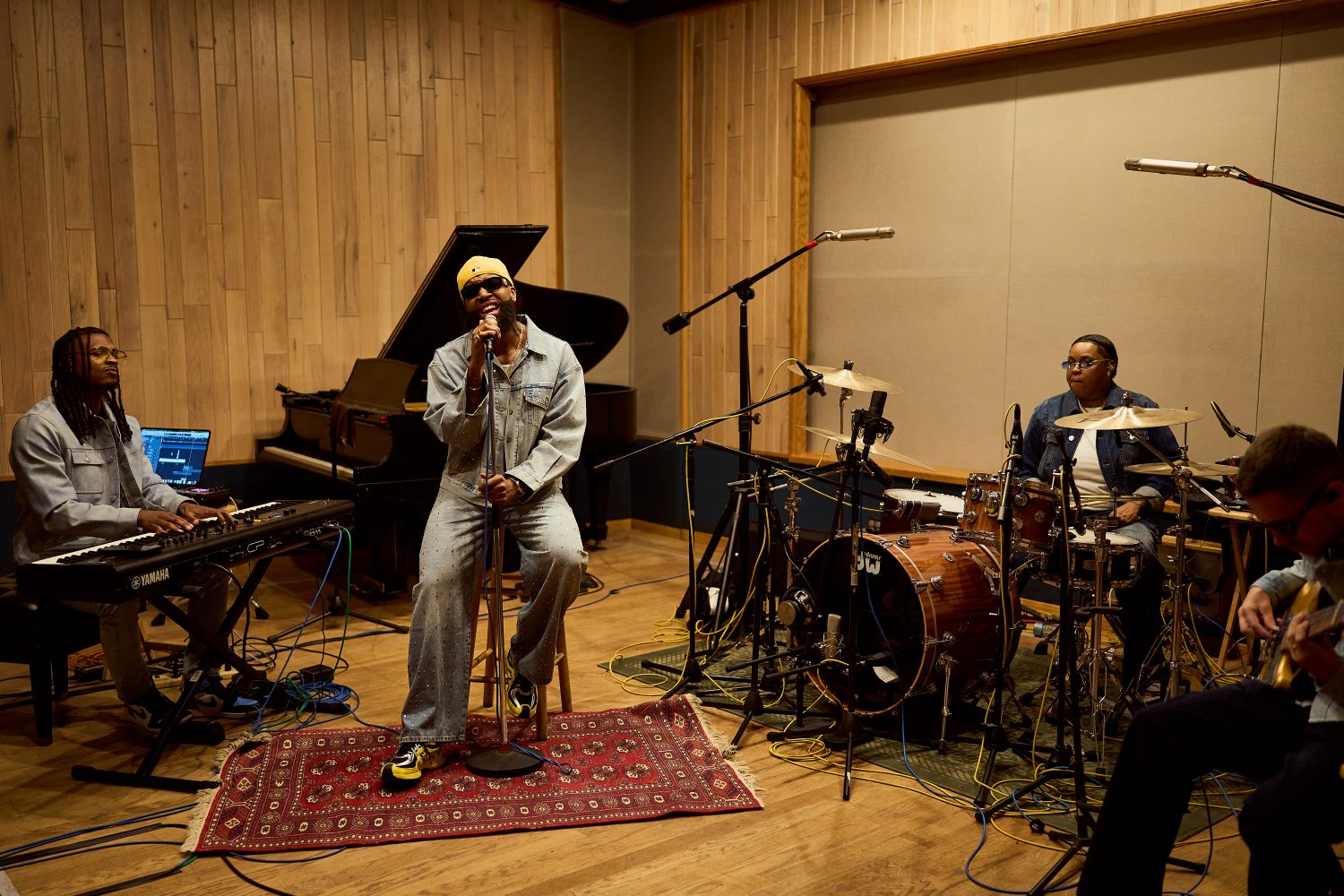
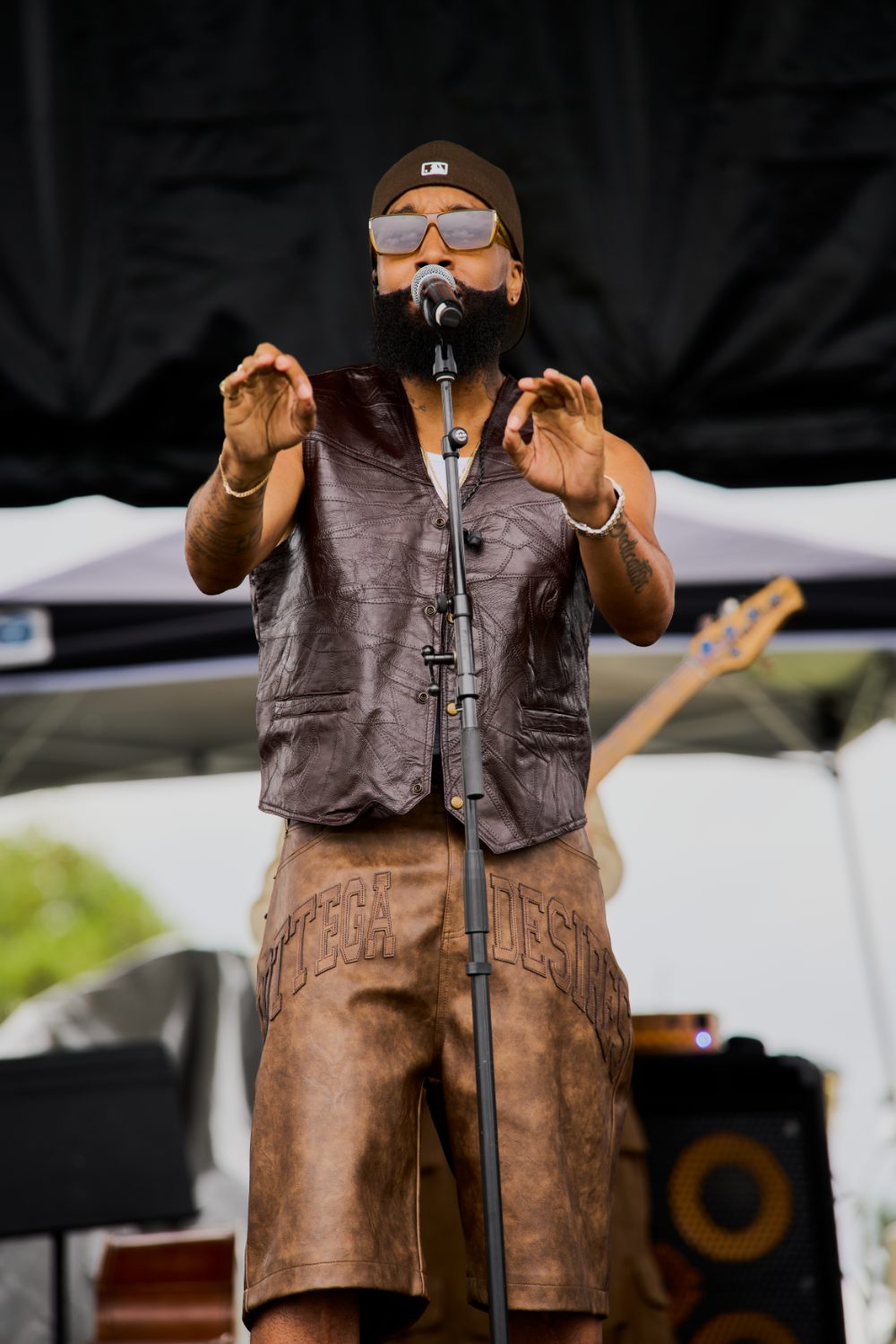
Kenyon Dixon (Photo: Gordon Price @gordanprice)
Dixon draws an important distinction: “When you let ego go unchecked, that’s when it runs rampant and ruins everything. But ego by itself is not necessarily an enemy. It’s just a terrible leader. And if you teach ego where it belongs and what to do, then in that space, you’re pretty much good with it.”
The album is loaded with earworms across 21 sultry tracks with no features. It’s structured like a film divided into acts between multiple interludes titled “RUNNING” that hold the refrain “keep running away.” The artist noted on X that the interludes “are the score to the character’s psychology. They represent what it sounds like when ego is still in control. Every time they appear, you’re hearing the moment before another ego-driven decision.”
The protagonist finally fully confronts his ego on the title track “EGO RUINS EVERYTHING” and the journey ends with the closing track “THE LIGHT” which implores men to love themselves and, in basic terms, to become grown and emotionally intelligent: “work on your temper, put God back in the center,” “let that good girl hold you down,” “only speak in truth.”
This ending, he notes, is a bit of redemption. That framing feels consistent with an artist who has spent years refining both his craft and his self-awareness while remaining fully independent.
Dixon began work on the project about two years ago. He set it aside when Terrace Martin approached him about the collaborative album Come As You Are. After that record was finished, he returned to EGO RUINS EVERYTHING and completed it. The process itself was unusually extended for him. Most of his music moves from idea to release in a year or less. He prefers to capture a feeling while it is still immediate, trusting that listeners will recognize the same emotion — but despite the timeline, the intention still lands.
His writing method starts with the music. “I believe that the music itself already tells a story,” he explains. “I like to listen to the music, see how it makes me feel, and pretty much clarify those feelings about what I’m writing. If the music is making me feel something, it’s highly likely that the listeners are feeling the same thing. So now my job as a songwriter and an artist is to storytell and to put words to those feelings.”
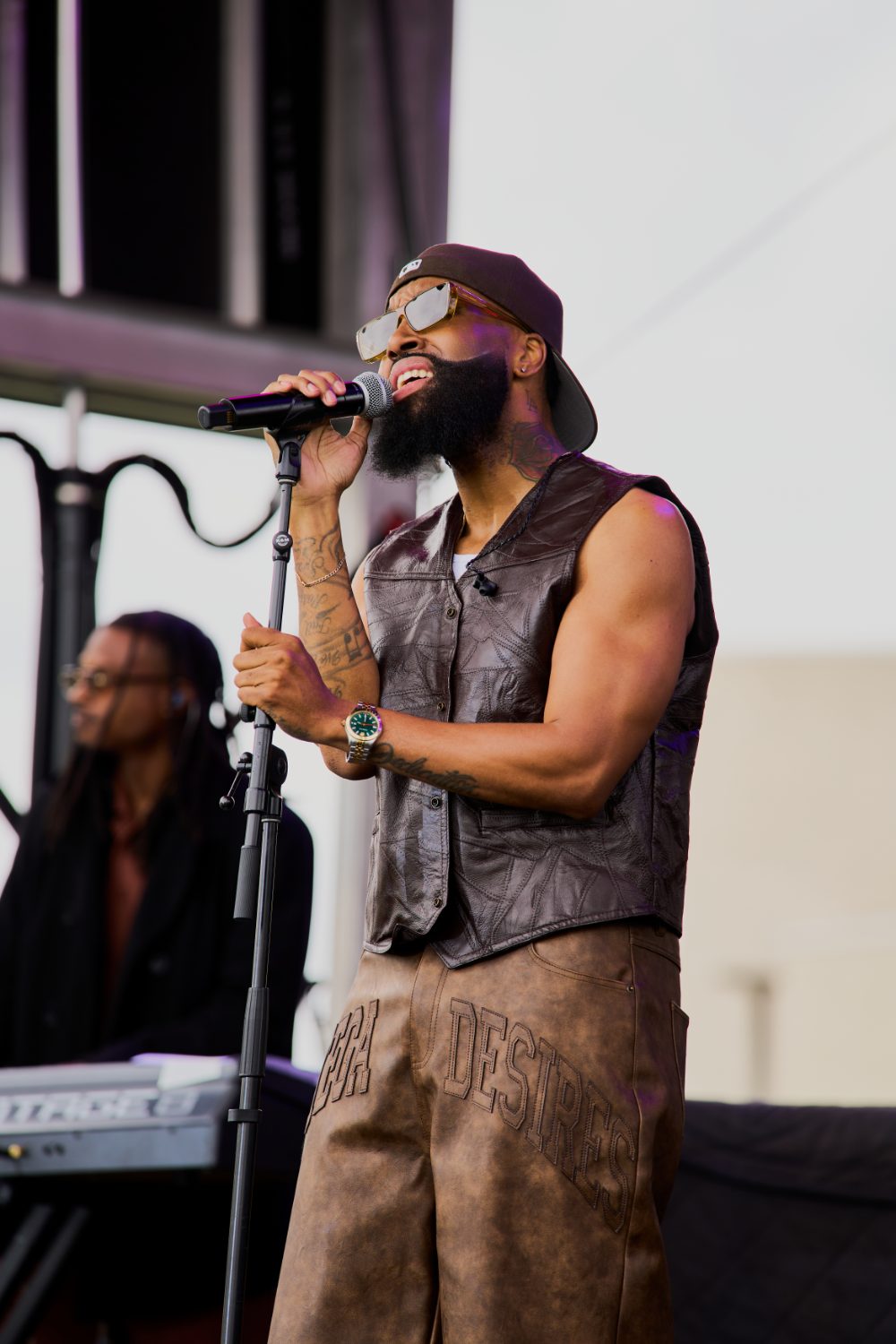
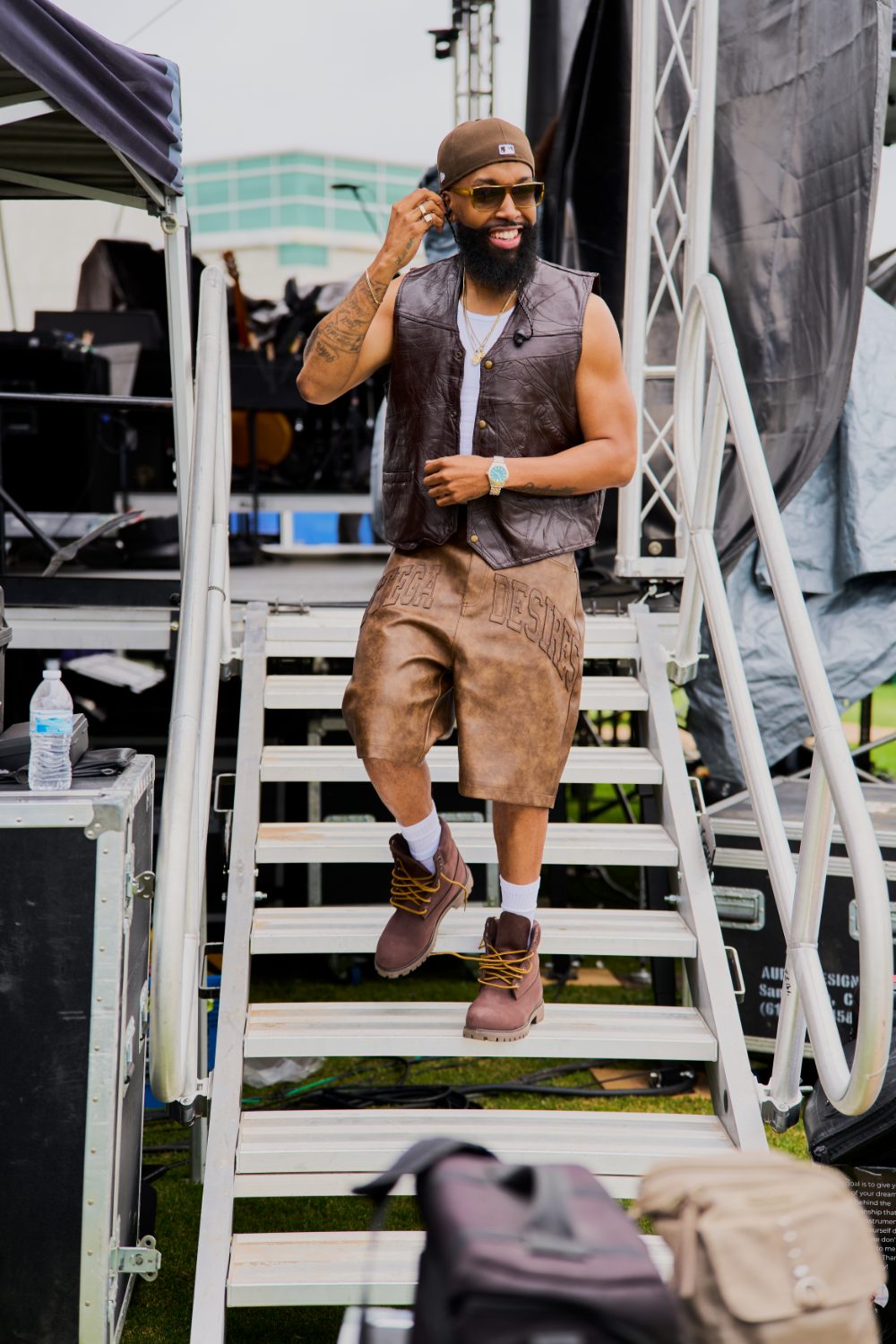
Kenyon Dixon (Photo: Gordon Price @gordanprice)
He records and engineers everything at home, pre-mixing the tracks himself. The production circle is tight and familiar: Frank Rose handled the majority of the beats, with additional work from Chris Black and Marcus Curtis, who also mixes and masters. The result, he hopes, will feel both competitive and true to the vocal standard his audience expects.
“I know I’m known as the classic R&B guy,” Dixon says. “I’m a safe space when it comes to listeners wanting a certain quality and certain feeling. I wanted to purposely disrupt that to show the evolution of my art and feelings and life in a different space.”
The disruption is intentional, yet the voice remains unmistakable. Dixon has built a career on that combination of reliability and quiet ambition.
He grew up in the Jordan Downs projects in Watts, a complex that has since been demolished. When he drove by recently, the site was already a dirt field awaiting new townhomes. The unit he lived in is gone.
He was one of seven children in a household that was intensely musical and strictly religious. Both parents were preachers and sang gospel. Drums and a B-3 organ sat in the living room. Secular music was largely off-limits at home.
Dance became his opening. Dixon began formal training at age nine and spent years in tap and jazz, touring with companies and later training at the Debbie Allen Dance Academy. The classes played the latest records, giving him access to the R&B he could not hear at home. Tap, in particular, trained his ear for rhythm in a way that still shapes his melodies.
“When I’m writing, I’m hearing a lot of stuff in between beats that people wouldn’t normally hear,” he says. “It’s because my ears trained based on that. When you’re tap dancing a phrase, you can fill it with 16th notes, eighth notes, quarter notes. I have options of how I want to move in my mind that’s now ingrained.”
The same discipline gives him a strong sense of stage presence and spatial awareness, even though he doesn’t really dance at his own shows. He left professional dance behind when he decided to focus on singing and songwriting, wanting to prove himself in a different arena.

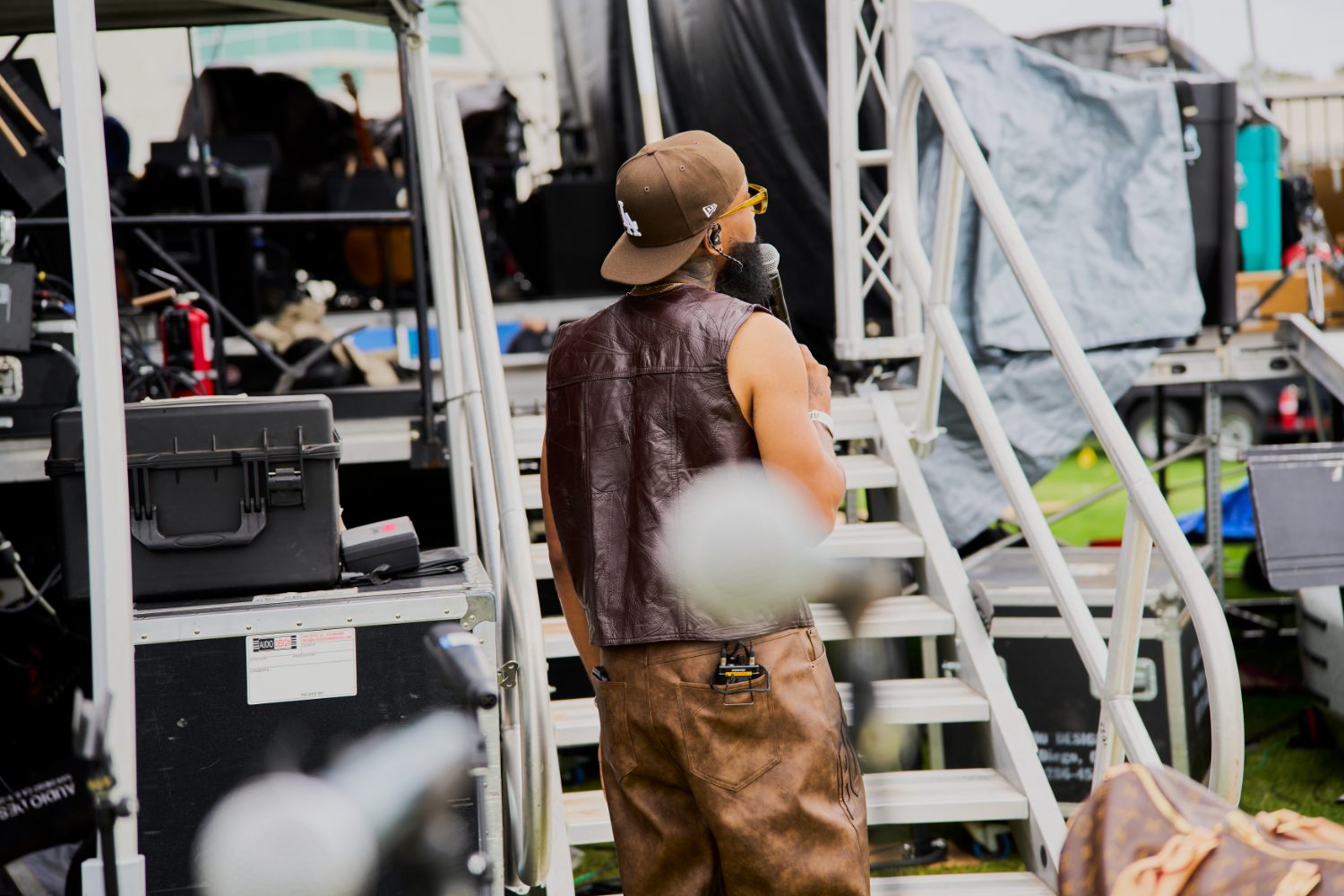
Kenyon Dixon (Photo: Gordon Price @gordanprice)
His mother was slow to embrace the path. For years his godmother Jacqueline Sims handled the logistics of dance classes and performances. The turning point came in 2022 at a sold-out show at the Roxy, where his mother watched a room full of people there for her son’s music, and something shifted. She now attends when she can and posts about his work online. Dixon’s father passed in 2009. All of his siblings carry some musical ability, and the youngest three have pursued it most actively.
I ask if his mom is cool with his music being a little sexy, given the family’s religious background.
“You know, I don’t know if she’s ever fully tuned into the context,” Dixon says with a laugh, noting that she mostly hears the clean music on the radio. “When I released ‘TALK YOU THROUGH IT’ and the visuals I was putting out, they were very kind of raunchy. My mom made a joke to my sister about it. So she had seen something.”
Dixon’s professional life followed a parallel track for years. He started releasing music in the MySpace and SoundCloud eras, then built a reputation as a background vocalist and writer. He worked with a myriad of artists including Beyoncé, Mary J. Blige, Ginuwine, Kirk Franklin and a host of others. He co-wrote heavily on Timberlake’s Everything I Thought It Was. The background work never felt like a compromise to him. “I always understood the duality,” he says. “No matter where I am, I was still an artist.”
Eventually the two roles could no longer coexist. After a run with Charlie Puth he stepped away. One of the last confirmations came when fans at a background gig kept stopping him to talk about his own records. The year he made the full switch, he received his first solo Grammy nomination as an artist. He now has five Grammy nominations, along with BET and NAACP nods, all earned while remaining 100% independent.
Independence has required patience and a clear sense of purpose. “I realize it’s a tough journey because you have to find constant motivation,” he says. “I think that’s something that being independent has taught me. Your ‘why’ has to be something concrete because you’re going to wake up a lot of days and wonder why you’re even doing this and not getting immediate results.”
Dixon has sat in label meetings and recognized that many of the services offered were things he and his team had already built. Fans turning out for his shows, he says, is one tangible measure of success that streaming numbers alone do not guarantee. “I can go play anywhere and pack a room out because I have seen artists bigger than myself play rooms smaller than rooms that I’ve played and not be able to sell tickets. And so I realized that streaming doesn’t always equate to enough interest to get people in seats. So I feel blessed and accomplished and successful to be able to know that people are listening to my records, and to know that I have given them enough interest for them to want to purchase a ticket and come see me live.
“That’s really the most I can ask for at this point.”
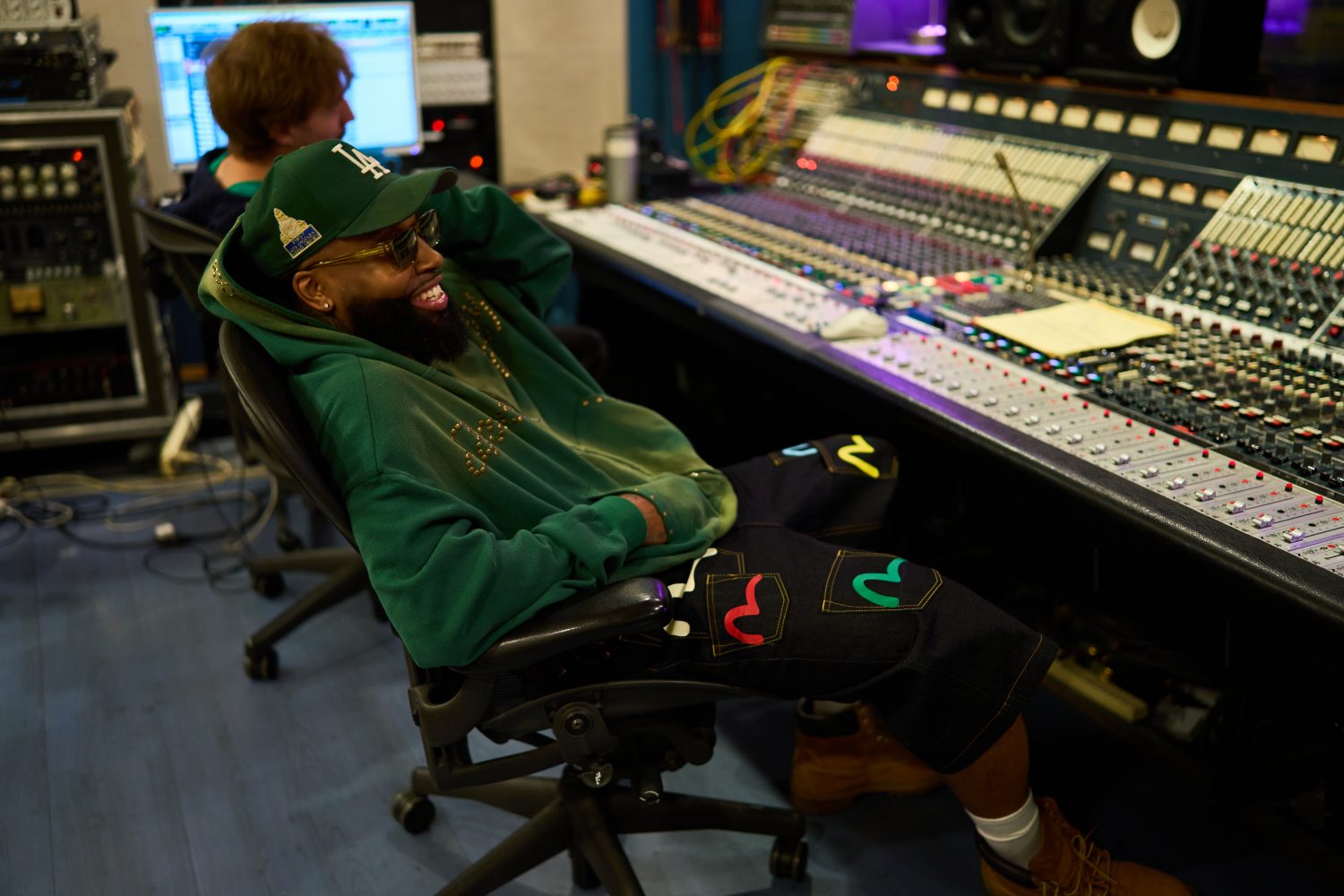
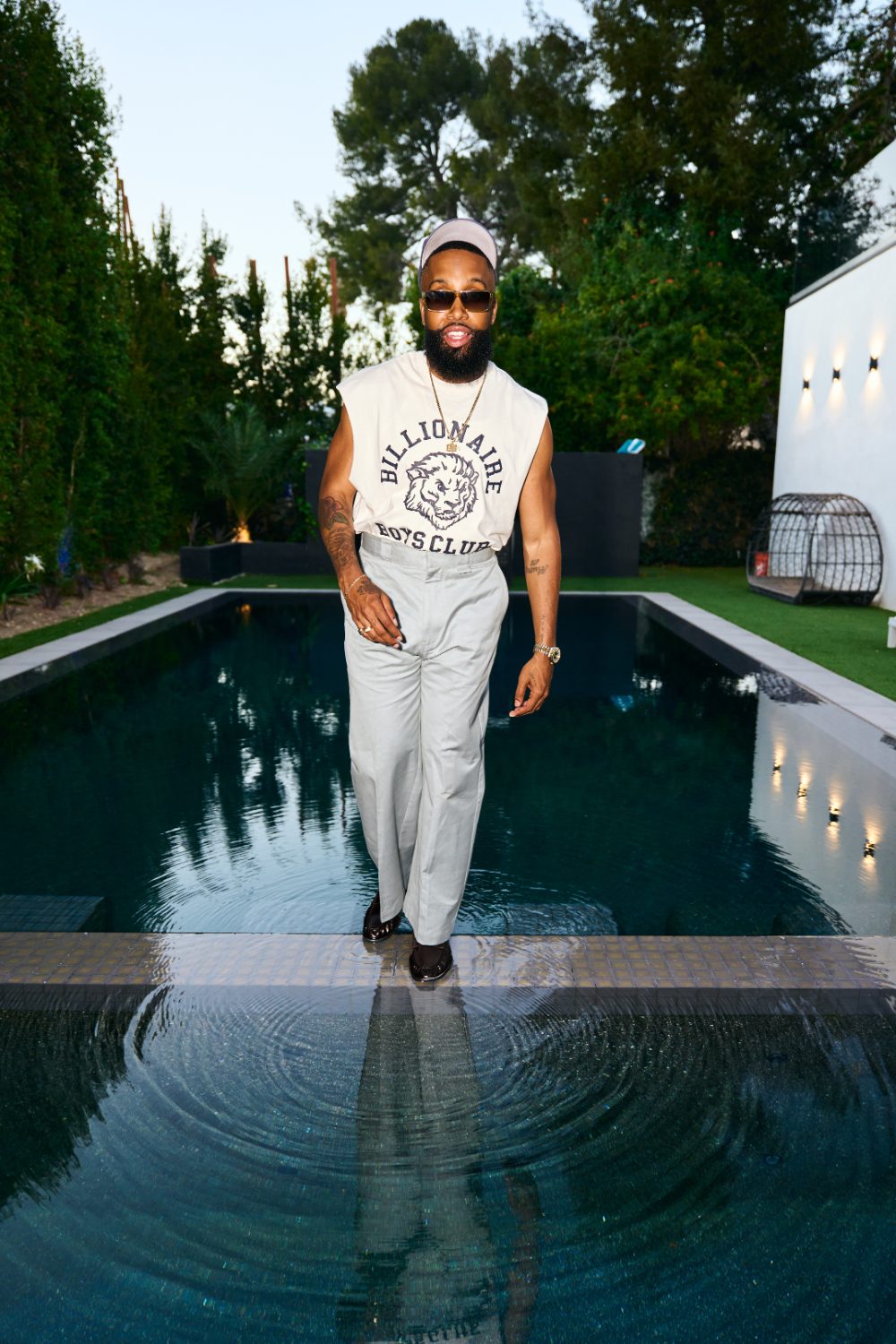
Kenyon Dixon (Photo: Gordon Price @gordanprice)
Dixon still attends church for the communal aspect and maintains a strong relationship with his pastor. His personal understanding of faith has changed. After years of church programming, he stepped back to build a more direct connection. “I probably feel closer to God now than I ever had,” he says. He takes what serves him and leaves the rest.
Los Angeles remains home. He points to places that matter to him: Simply Wholesome, Annie’s Soul Delicious on Fairfax, Oh My Burger in Gardena, Fresh and Meaty on Florence, the Watts Coffee House, and the Think Watts Foundation, which runs food drives, back-to-school events and community health fairs under the leadership of his brother STIX. The city, he believes, is at the forefront of inventiveness. “I don’t think that Los Angeles gets the credit for the way that it has influenced the rest of the creative world,” he says. He tries to put some of that texture into his music.
Fatherhood has sharpened his sense of time. His daughter, Isley Rose, turns ten in October. She knows his catalog, released and unreleased. She sang on “Isley’s Hymn,” the opening track of the Terrace Martin collaboration that earned a Grammy nomination for Best Progressive R&B Album, and has a burgeoning career brewing in her own right. “She’s so chill and she just likes to live in my world, which I think is so cool,” he says.
The practical effect on his work has been significant. School drop-off and pickup create firm windows where he needs to get work done, with evenings belonging first to her. “Parenthood upped my hustle,” he says. “It taught me how to work quicker.” It has also taught him a deeper form of patience and the ability to accept imperfections, both in her and in himself.
Dixon plans a handful of spot dates in the coming months. Those shows will not yet present the full EGO RUINS EVERYTHING experience. A proper tour is scheduled for next year, when he feels ready to stage the complete work.
As the full record drops today, Dixon sounds grounded in the same principles that have guided the rest of his path: stay close to the feeling, keep ego in its proper place, and continue the work. The album is the latest evidence of that discipline, filtered through the particular history of a singer who found music in a gospel household, learned rhythm in a tap studio, and built an independent career one carefully chosen decision at a time.
EGO RUINS EVERYTHING is out now. Follow Kenyon Dixon on Instagram @kennygotsoul.
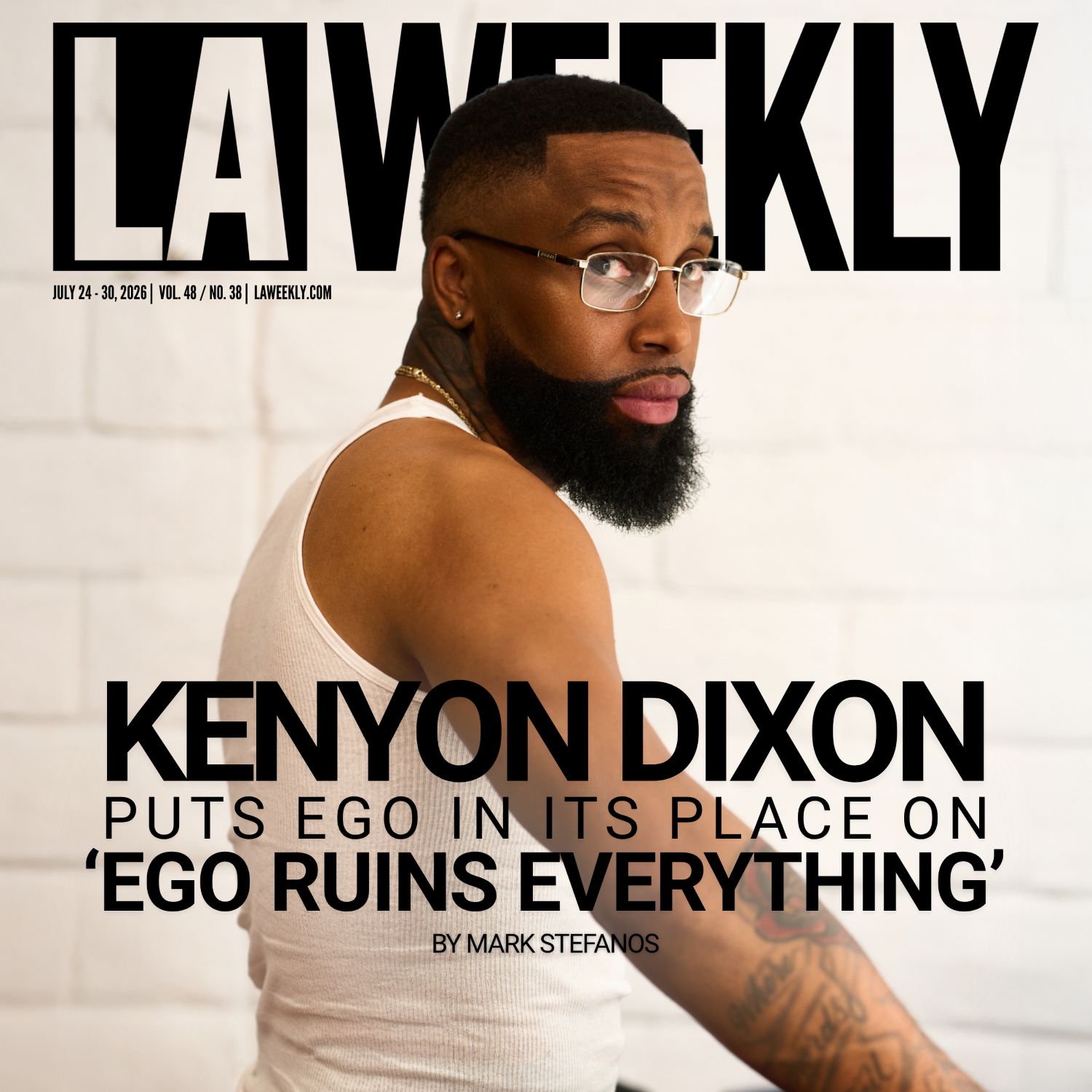
Kenyon Dixon on the July 24, 2026, issue of LA Weekly. (Photo: Gordon Price @gordanprice; cover design: Mark Stefanos)