
 Jon Stojan
In the United States, where over one in four adults – which amounts to a whopping 61 million adults – live with a disability, the barriers to employment remain bleak and ubiquitous. Among the most marginalized in the workforce, Americans with disabilities face higher rates of unemployment and absence from the labor market than almost any other demographic. While initiatives like National Disability Employment Awareness Month aim to encourage employers to hire more people with disabilities, they often overlook a critical question: Do disabled individuals have the opportunity to pursue work without risking their financial security?
Zylo Marshall has had firsthand experience navigating these challenges. Born with a brain injury resulting from a car accident in infancy, Zylo’s journey has been anything but easy. He grew up with neurological brain damage, which made learning and social interactions difficult. “Due to my traumatic brain injury (TBI) I went through some challenges, such as understanding some concepts and how things are said in a person-to-person interaction,” he shares.
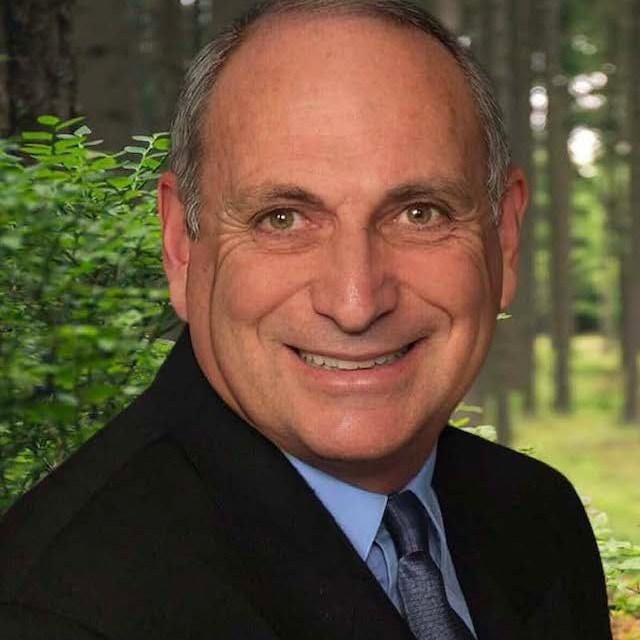
Image credit: Zylo Marshall
Despite these difficulties, Zylo’s determination to succeed never wavered. After attempting college, he found his niche in real estate – a profession that allowed him the flexibility he needed due to his inability to drive. For five years from 2005 to 2010, Zylo was the only realtor in the country who listed and sold properties without the use of a car. “It was very, very difficult because you have to use disabled services to get around,” he recalls. But his success in real estate proved that just because someone is disabled does not mean they are incapable. “People think disabled people are incompetent, but that’s not true. Just because they can’t do one thing does not mean they can’t do another.”
However, the structural barriers imposed by programs like Supplemental Security Income (SSI) present significant obstacles for individuals with disabilities who want to work. SSI is a federal program designed to provide financial assistance to disabled individuals, but it comes with restrictive conditions. For instance, if a recipient starts earning money, even in a part-time job, their SSI benefits may be reduced or terminated. This creates a harsh dilemma: either stay dependent on government assistance or risk losing financial security by attempting to work.
Zylo’s experiences illustrate this conundrum. Although he is fully capable of working as a realtor, his SSI benefits were reduced when he won $1,500 from a scratch-off lottery ticket – a one-time event that should not have impacted his long-term financial support. The reduction in benefits not only discouraged him from seeking further work but also highlighted the system’s punitive nature. “There should be a law that says: If you win money from a scratch-off, that’s your choice, and you won. But because it’s not a job, your SSI shouldn’t be reduced.”
The fear of losing SSI benefits is a significant reason why many disabled people are reluctant to enter the workforce. “People with disabilities are afraid to speak up because they’re going to be put down – You’re disabled, you can’t do this. And that’s a terrible concept. They should support you in whatever you do,” Zylo asserts.
Zylo’s story underscores the importance of support systems for individuals with disabilities. Without the backing of family or close friends, many are left to navigate a system that seems designed to keep them from achieving independence. Zylo is clear about what needs to change: “There needs to be a trial period for those with disabilities to get a job, with the safety net of SSI still in place. If the job doesn’t work out, they shouldn’t lose their benefits. It’s about giving people a chance to prove themselves.”
The reality is that the current system forces disabled individuals to choose between work and financial security. This is an unfair and outdated approach that fails to recognize the complexities of living with a disability. Zylo’s fight is not for himself but for all who want the opportunity to contribute to society without the fear of losing their safety net. “We just want support,” he says. “If you don’t try, then you won’t know what you’re capable of. But you need the government to support you, not penalize you for trying.”
Zylo’s motivation to succeed stems from his refusal to do nothing. “It comes from having to rely on other people to do things. Without my family, I would have been stuck indoors, unable to experience the world,” he reflects. His fight is far from over. His goal is to push legislators to rethink the SSI program and allow for a more flexible, supportive approach that enables disabled individuals to pursue their dreams without risking everything.
In a society where independence and self-reliance are highly valued, it is time to extend those values to all, even the disabled. It is not about finding a job – it is about finding the freedom to live a fulfilling life.