

 Michele Stueven
Darkly gripping, The Mortician on MAX takes a deep dive into the macabre true story behind David Sconce, scion of the Lamb Funeral Home family in Pasadena, who took over the family business and ended up engaging in years of morally questionable and inhumane practices for profit in the 1980s. The story made national headlines at the time.
The three-part series that debuts on Sunday, June 1, features an exclusive interview with Sconce, newly released from prison, and emotional interviews with families of the victims of the Lamb Funeral Home and gruesome revelations from former employees.
Director and Executive Producer Joshua Rofé unravels a dark, troubling story that involves mass cremations and stealing items from the dead, like wedding rings and gold teeth. Sconce made $20,000 to $30,000 a month from the gold alone, and in all, more than 20,000 families were affected by the practices at the Lamb Funeral Home
The scandal shook Southern California, and as members of the Lamb family, once pillars of Old Pasadena society, stood trial and were convicted of various crimes, including fraud, which resulted in the funeral industry bringing about tighter regulations and allowing for greater transparency into the business of death.
Sconce, who attended high school in Glendora and graduated from Cypress College with a degree in Mortuary Science, took over the Pasadena Crematorium part of the Lamb family funeral business. It promptly increased from 194 cremations to 1,675 in 1982, with a total of 8,173 by 1985.
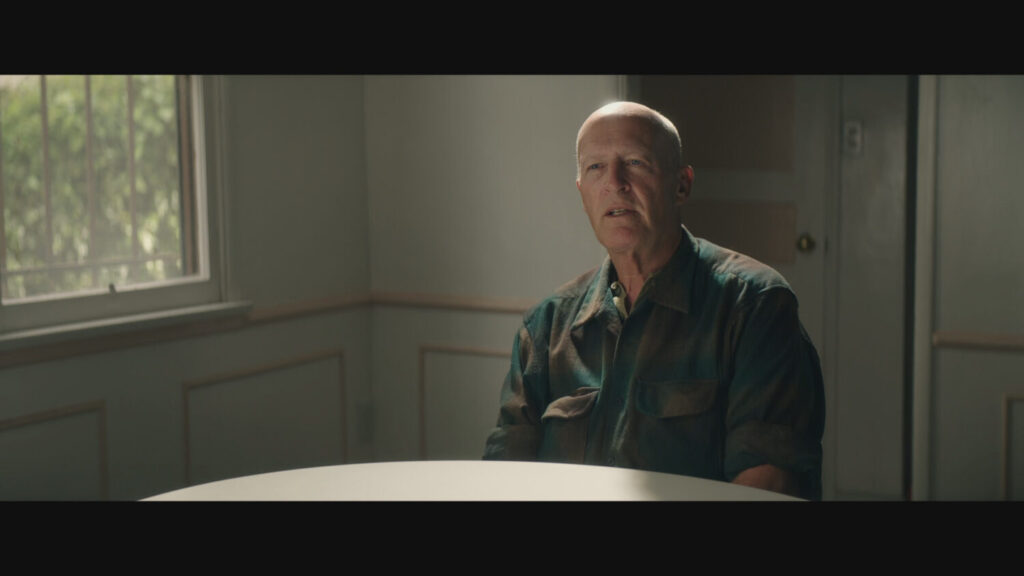
David Sconce (Courtesy HBO)
The series details the family’s fall from grace, featuring a wealth of historic photos, film footage, and interviews with locals who covered the story at the time, including journalist David Geary from the Pasadena Star News. It gets darker and more twisted with each episode.
“I’m an open book for you guys, there’s nothing you can’t ask me,” Sconce tells Rofé in a shockingly candid interview.
While in prison, a murder charge was brought against Sconce for the death of his competitor, but in 1991, the charges were dropped due to a lack of hard evidence.
“The toughest part of this two-and-a-half-year odyssey was waiting for him to get out of prison,” Rofé, whose documentary credits include Lorena, Bob Ross: Happy Accidents, Betrayal and Greed, and Sasquatch, tells LA Weekly.
“By November of 2021, he was still incarcerated,” says the director. “Worst case scenario, we could interview him inside, but we were still in the COVID era, and they weren’t letting people into prisons. I’m already talking to other people and spending HBO’s money, and he’s got a parole hearing coming up. It was an election year, and every governor in every state would rescind parole hearings to show they were tough on crime. So, that happened to him. I just don’t know how you would tell this story without him in a way that begs to be told the way we and HBO wanted to tell it.
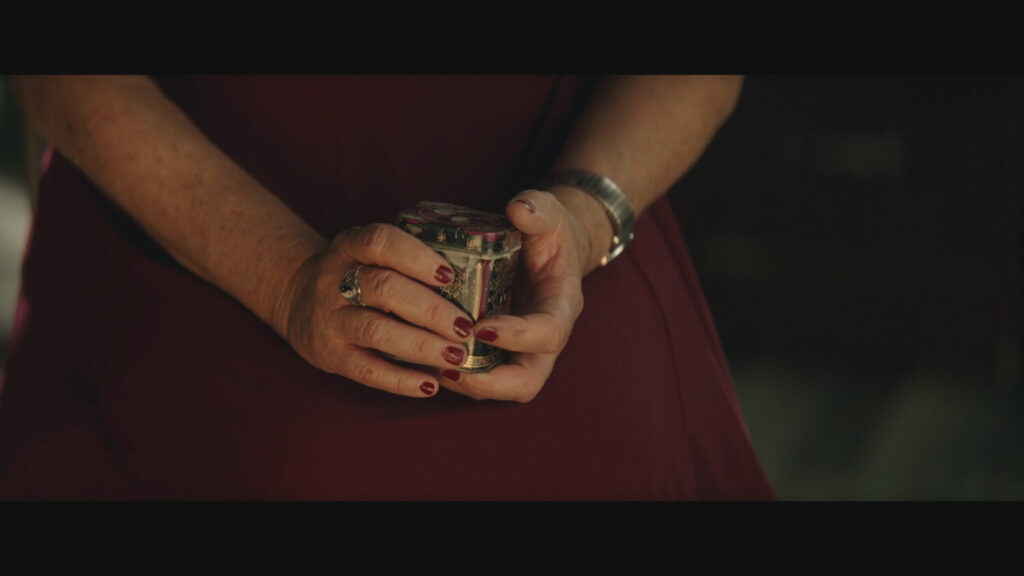
Victim Darlynn Branton-Stoa (Courtesy HBO)
“Six months later, I was driving and the phone rang,” Rofé goes on. “It was Steven. Berger, my producing partner. He said I just got a call from David, and he’s getting out in the next 48 hours. We mobilized the crew. Steven and I got into the car the next morning and drove straight up to Sacramento. We had been in touch with him and told him we’d be waiting and would do the interview. He said OK. We’re out there at about 5:30 a.m. just waiting and waiting, and at about 7:30 a.m., out he walks with the biggest smile on his face, pointing at us. I don’t think we were three minutes outside of the prison gates down the road when he, on his own, brought up the mortuary and cremations. I knew it was going to be a wild ride.”
Aside from the hubris, Rofé’s take away from Sconce, who, according to reports, has relocated to the far corners of Montana to become a successful taxidermist, is the lack of accountability.
“There’s no question that the family was convicted of several crimes,” says Rofé. “ In the wake of that, with decades of hindsight, there’s still no accountability that they are willing to take. I don’t believe that forgiveness is possible or should even be on the table, or should be a burden that is handed to the loved ones of the decedents. The never-ending deflection and pointing fingers, and making excuses is what I found so chilling. You can feel the remorse in some of the people who worked for him, and you can feel that their lives have been defined by the gravity and the weight of what they were a part of in a most damaging way to their souls and day-to-day lives.”
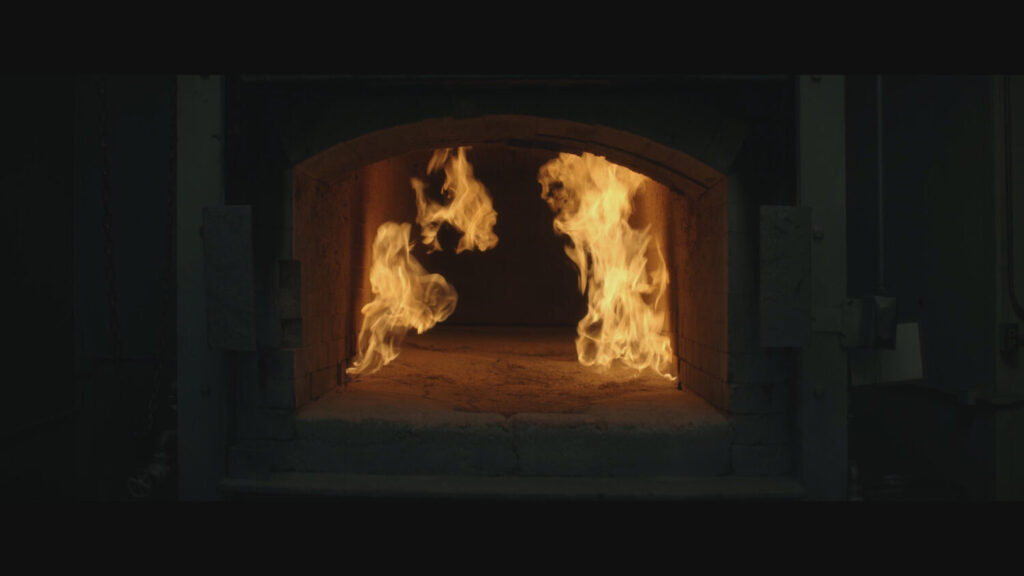
The Mortician airs Sunday, June 1 (Courtesy HBO)