
 Chelsie Carvajal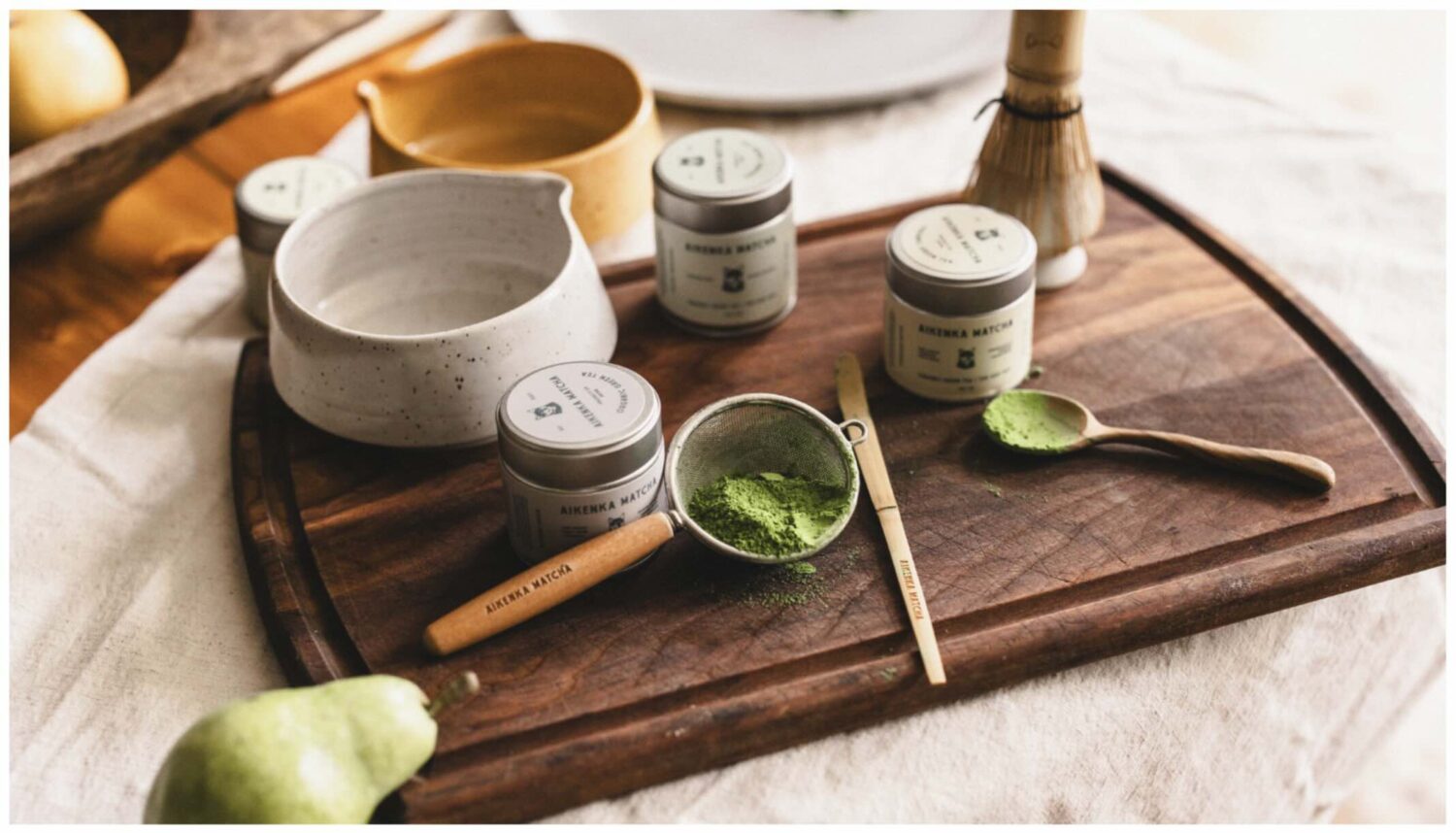
Photo Courtesy of: Aikenka Matcha
Each morning in Vancouver, Jamie Shelnitz begins her day with a meditative and purposeful ritual: whisking bright green matcha alongside Bao Bao, her loyal Shiba Inu who inspired the brand’s name. What started as a simple coffee replacement evolved into a journey that would introduce West Coast tea enthusiasts to the mindful traditions of Japanese matcha culture.
From Entertainment to Entrepreneurship: A Heritage-Driven Pivot
Shelnitz’s transformation from actor to tea entrepreneur reflects a discovery of both roots and purpose. Her great-grandmother grew up on Kyushu, Japan’s southern island renowned for its tea farms, a heritage that gained profound meaning during personal loss. After years in entertainment, Shelnitz sought healthier alternatives and found the centering practice of matcha preparation transformative. This professional pivot allowed her to blend creative discipline, appreciation for ritual, and entrepreneurial vision into something meaningful.
The transition brought its challenges. “I still have imposter syndrome,” Shelnitz admits. “I had no idea about how to run a business, especially something as complex as sourcing organic goods from another country.” Nevertheless, hitting her first $20,000 monthly revenue milestone proved that authenticity and education could attract devoted customers willing to pay for quality and transparency.
Establishing Market Leadership Through Conscious Sourcing
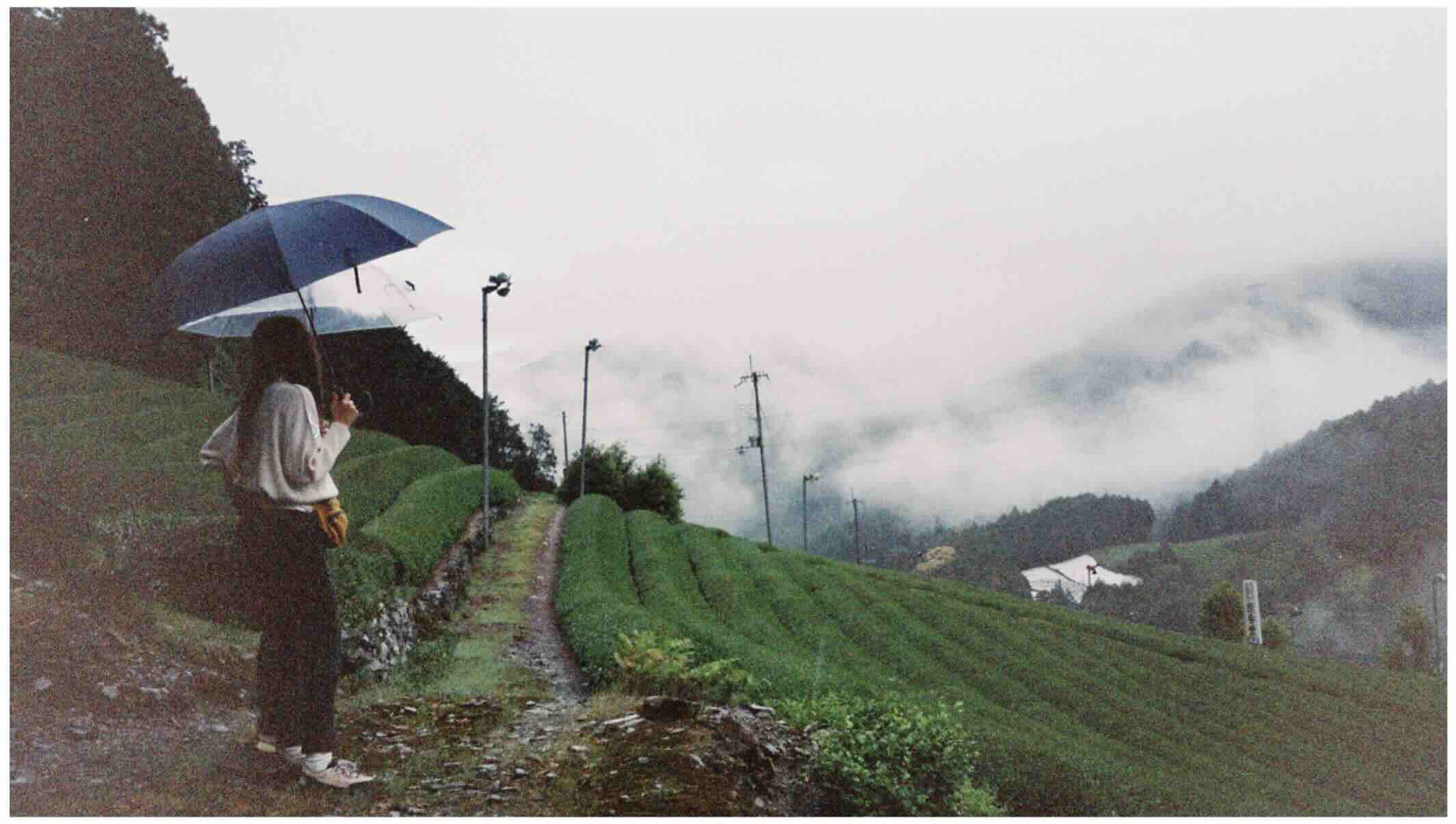
Rather than follow mass-market trends or influencer-driven strategies, Shelnitz traveled to Japan to forge partnerships with small, pioneering organic farms. These producers employ hand-picking techniques, solar power, and innovative methods like using goats for weed control. By focusing on single-estate cultivation and transparent sourcing practices, Aikenka differentiates itself from volume-focused competitors.
This approach positions Shelnitz as someone pursuing a different business model in the tea industry. Her advocacy for slow growth, ethical sourcing, and consumer education offers an alternative to typical startup approaches. ECOCERT Canada’s organic certification validates these practices, providing additional trust and credibility to health-conscious buyers.
Pine Kits: Making Traditional Ritual Accessible
Aikenka’s best-selling Pine Kits perfectly exemplify the brand’s philosophy. Each kit contains a glass tea bowl, bamboo whisk, wood strainer, and bamboo scoop, carefully arranged in a reusable wooden box with dedicated compartments. These thoughtfully designed kits invite newcomers and experienced enthusiasts to embrace the sensory experience of the Japanese tea ceremony.
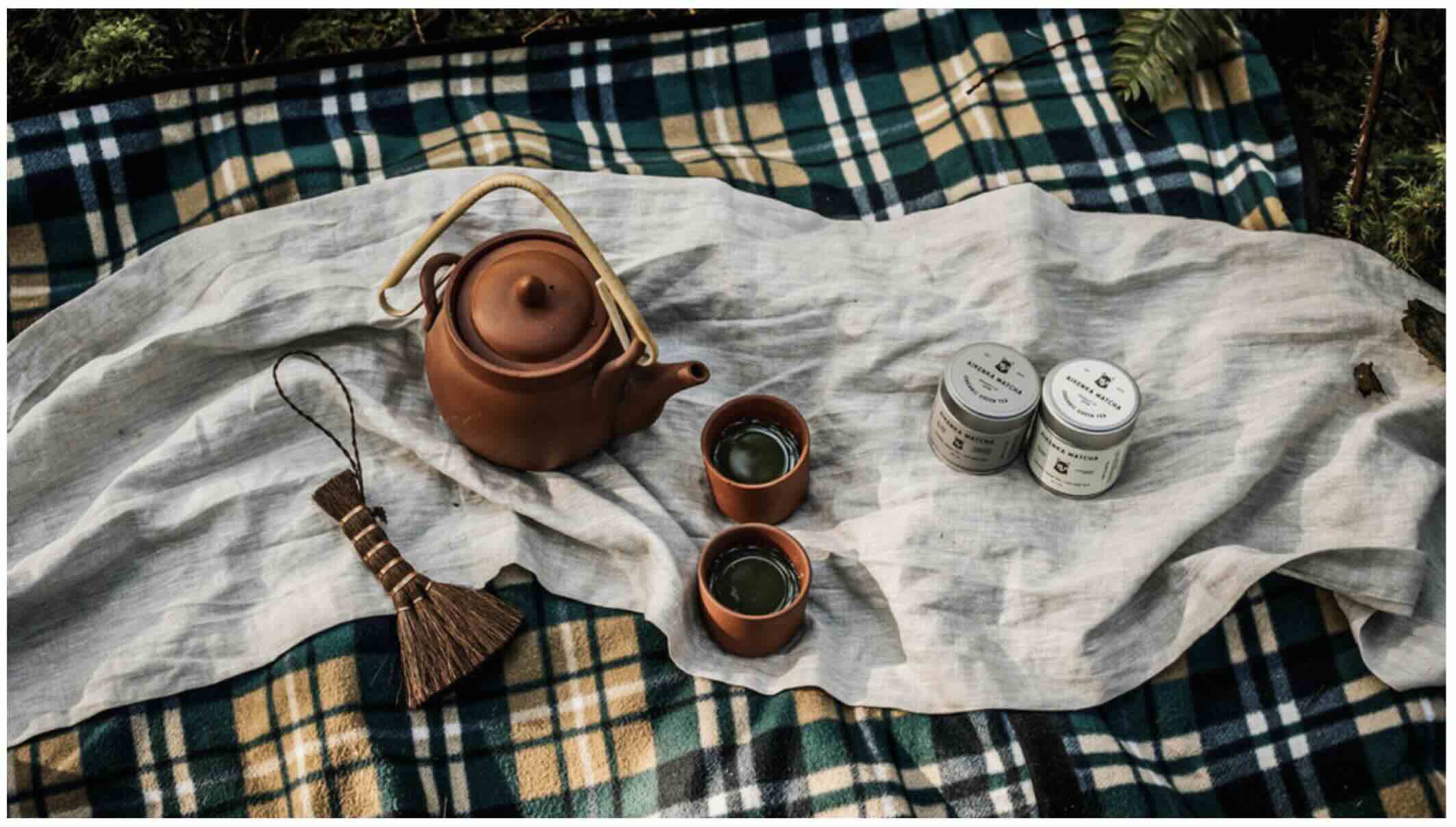
Customer feedback consistently highlights how Pine Kits transform daily routines, introducing users to tradition, refined taste, and mindful preparation. The 4.9-star rating on the company website reflects satisfaction that extends beyond product quality to encompass the entire educational experience Aikenka provides.
Educating Consumers and Simplifying Market Complexity
Shelnitz recognized early that matcha’s diversity could overwhelm consumers, like navigating the wine market. Aikenka addresses this challenge by providing clear, accessible information about tea varieties, regions, flavor profiles, and cultivation stories. The company’s website guides customers in developing sophisticated palates, encouraging curiosity and confidence, and eliminating confusion.
“I want people who love matcha and approach it with curiosity to visit our site and try something new, refining their tastes while developing a genuine interest in production methods,” Shelnitz explains. This educational mission distinguishes Aikenka from competitors who focus solely on sales transactions.
Strategic Innovation in a Crowded Market
Aikenka has taken a patient path to growth, building its presence slowly and deliberately rather than chasing quick wins. The brand remains focused on connecting with holistic, values-driven consumers who see matcha not just as a product but as part of a daily ritual. By emphasizing authenticity and mindful living, Aikenka positions itself as a choice for those who prioritize meaning and quality over convenience.
The business operates primarily as “a one-woman show,” with Shelnitz handling operations while strategically outsourcing design and legal work. This lean structure enables rapid decision-making and personal customer connections that larger operations cannot match. Growth relies on word-of-mouth recommendations, educational content, and customer referrals while deliberately embracing genuine brand advocates instead of influencer partnerships.
Vision for Sustainable Expansion
Plans include introducing new matcha cultivars, expanding lifestyle accessories, and deepening customer education programs. By strengthening relationships with Japanese farmers while emphasizing transparency, Shelnitz aims to lead a movement that values patience, connection, and sustainability even as market demand increases.
Aikenka currently serves customers in both the United States and Canada, balancing shipping economics with its philosophy of measured growth. Recent changes to the U.S. De Minimis rule mean that American customers are now required to pay duties on their orders, yet the company remains committed to maintaining and supporting its community in the U.S. This focus on organic growth within North America reflects Aikenka’s broader approach: prioritizing sustainable development over rapid scaling.
A Blueprint for Mindful Business Success
Aikenka Matcha shows how entrepreneurs can build businesses around personal values and customer relationships. Shelnitz has created lasting customer loyalty in her niche market through patient relationship-building and steadfast values. Her evolution from performer to founder offers one example for modern entrepreneurs seeking meaningful success in health and lifestyle industries: one cup, one relationship, and one mindful morning at a time.