
 Nia Bowers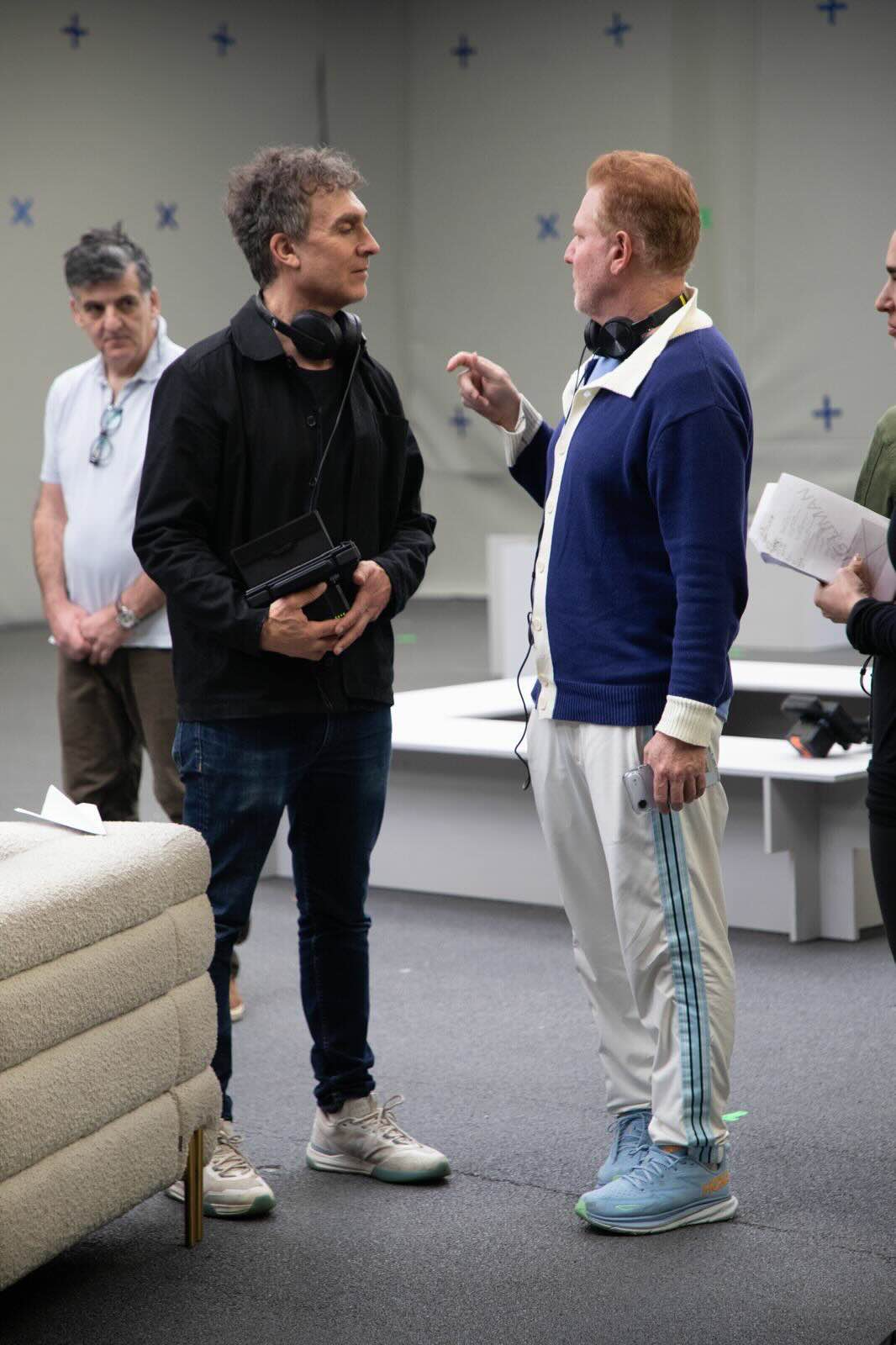
Los Angeles knows the sound of a stalled industry.
It is in the quieter stages, the thinner production calendars, the crews waiting for the next call and the writers with strong scripts that no one wants to finance. Hollywood is still making movies, but it is making fewer risky ones. The business has narrowed. Sequels, franchises, remakes and familiar IP dominate the conversation.
Original films, especially mid-budget ones, are fighting for oxygen.
Acme AI & FX thinks it can change that.
The company has been building quietly, without the usual Hollywood noise. No splashy launch. No constant press cycle. Just facilities, technology and productions. Its pitch is blunt: AI can reduce the cost of filmmaking without replacing the people who make films worth watching.
That last part matters in this town.
Acme’s model uses a proprietary grey stage where actors perform and directors direct in a controlled environment. The AI does not replace performance. It generates the world around it. Streets, interiors, landscapes, cities and large-scale environments are built digitally with photorealistic precision.
The savings come from what the company removes: location moves, travel, weather delays, physical builds, permitting headaches and the sprawling logistics that drive budgets higher before a scene is even finished.
Acme says it can cut shoot schedules by 60 to 70 percent and produce at roughly 20 percent of traditional below-the-line costs. In a city where production flight and falling shoot days have become major concerns, that claim is not just technical. It is economic.
The company’s highest-profile project is Killing Satoshi, directed by Doug Liman and starring Casey Affleck, Pete Davidson, Gal Gadot and Isla Fisher. The film, written by Nick Schenk, explores the mystery of Bitcoin creator Satoshi Nakamoto.
It is not a superhero sequel. It is not a reboot. It is an original thriller with a major director and recognisable cast. In other words, it is exactly the kind of movie Hollywood says it wants but often struggles to make.
Acme is also the VFX and AI partner on Adam Shankman’s Stop That Train and says it has more than 15 projects moving through production and pre-production.
The leadership team includes Ryan Kavanaugh, Garrett Grant, Lawrence Grey and Matthew Kavanaugh. Kavanaugh’s name carries baggage in Hollywood, as well as a record of major industry bets. He founded Relativity Media, helped popularise slate financing and was involved in early structures that reshaped film finance and streaming distribution. Relativity’s bankruptcy made him a target. Acme now puts him back in familiar territory: trying to solve a broken part of the entertainment business.
The difference is that this time the problem is not access to capital. It is the cost of production itself.
Hollywood has spent years arguing about whether AI will destroy jobs. Acme is trying to prove the opposite. If the technology can make projects cheaper, more projects may get greenlit. More projects mean more writers, actors, directors and crews working.
That is the promise. The proof will be in the films.
But for a city that has watched too many productions leave, shrink or die in development, Acme’s model offers something rare: a version of AI that might actually keep Hollywood working.