
 Malana VanTyler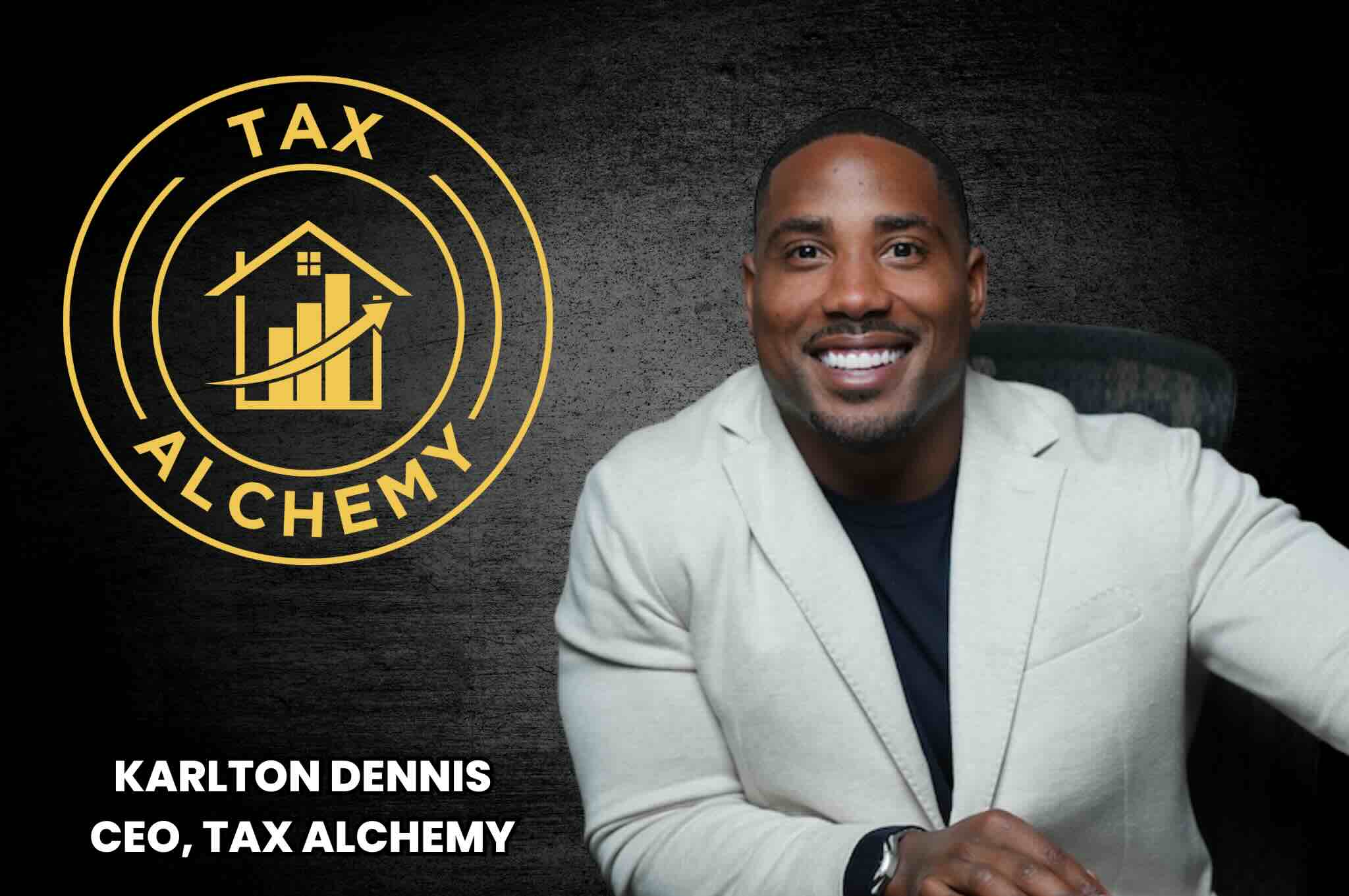
When it comes to taxes, most people assume the wealthy play by a different set of rules. To separate fact from myth, we turned to Tax Alchemy, the advisory firm led by tax strategist Karlton Dennis. Known for helping entrepreneurs and high income earners reduce their tax burden legally, Dennis and his team explain how the same strategies billionaires use are available to anyone willing to plan ahead.
Owning Structures, Not Just Assets
One of the biggest differences between the wealthy and everyone else is how they hold what they own. Most people keep property, accounts, and investments in their own name. The wealthy rarely do. They build structures around their assets using LLCs and trusts.
Dennis teaches clients what he calls the “T formation chart.” On one side are operating businesses that generate income. On the other side are holding companies that protect investments. At the base sits a trust that ties it all together for long term planning.
The setup may sound complicated, but Dennis says it is exactly what keeps wealth intact over generations. “If you do not use structure, you will pay more than you need to, and your heirs will too,” he explains. LLCs create legal distance between the owner and the liability. Trusts manage the transfer of wealth without unnecessary tax exposure. Together they create a system that does more than just shield assets. They reduce taxes in real time while also setting the stage for long term wealth building.
Taking Full Advantage of the Code
Beyond structure, the wealthy stand out because they use the entire code to their advantage. The U.S. tax code is more than 70,000 pages long, and much of it is not about raising revenue. It is about creating incentives. The wealthy know how to find and apply those incentives in ways that ordinary taxpayers often overlook.
One of the most powerful tools is bonus depreciation. Business owners can immediately write off the full cost of qualifying purchases such as vehicles, equipment, and improvements instead of waiting years to depreciate them. For entrepreneurs, that can mean the difference between barely breaking even and having the cash flow to scale.
“Most people think of buying a car as an expense,” Dennis explains. “But if that car is over 6,000 pounds and used for business, you can write off the whole thing. That is how a tax law turns a purchase into a deduction.”
Another underused strategy is the Augusta Rule. This provision allows homeowners to rent out their personal residence for up to 14 days per year without reporting the income on their tax return. Wealthy individuals use this by renting their homes to their own businesses for meetings or events. The business gets a deduction for the expense, while the homeowner enjoys tax free income.
“Imagine you host your team for a retreat at your own home,” Dennis says. “The company pays a fair market rent, deducts it as a business expense, and you pocket the income tax free. That is the kind of strategy most people never hear about, but it is perfectly legal.”
Why These Strategies Matter
The significance of these moves goes beyond the dollar amounts. They reflect a mindset. Where most taxpayers see their tax bill as a fixed cost, the wealthy see it as an area of opportunity. That perspective shift is critical, Dennis argues.
“Taxes are one of the biggest expenses any of us will ever face,” Dennis says. “If you ignore the code, you are guaranteed to overpay. If you learn how to apply it, you can use it to grow wealth just like the wealthy do.”
Take a high income business owner who invests in equipment for growth. Without bonus depreciation, they may spread out deductions for years and strain their cash flow. With it, they can reinvest faster and keep momentum on their side. Or consider the Augusta Rule. Fourteen days of legitimate rental income might cover thousands in household expenses tax free. Multiply that across a decade, and the impact is substantial.
The Role of Education and Strategy
Dennis emphasizes that none of this requires breaking the law or hiding money. It requires education and a willingness to plan. That is where Tax Alchemy comes in. His firm works with entrepreneurs, investors, and high income families to design and implement strategies that are tailored to their situation.
“We find that many people earning six or seven figures are still paying full freight,” Dennis explains. “They think their accountant is doing everything possible, but often their accountant is just recording history. What they really need is a strategist who can help them play offense.”
That is the gap Tax Alchemy exists to fill. With more than 40 professionals on staff, the firm focuses on showing clients not just what deductions exist but how to legally position themselves to use them. From setting up LLCs and trusts to timing major purchases, the work is about creating clarity and reducing unnecessary taxes.
Why This Conversation Matters Now
There is also a cultural layer to this discussion. Public frustration over tax inequality often focuses on billionaires who appear to avoid taxes while ordinary workers shoulder the burden. Dennis points out that the real solution is not outrage but education. The more people understand how the system works, the more they can benefit from it.
“Knowledge is leverage,” he says. “The wealthy know that, and that is why they play the game differently. If you are serious about building wealth, you have to learn to play it too.”
About Tax Alchemy
Karlton Dennis leads Tax Alchemy, a firm of more than 40 professionals dedicated to helping high income individuals and business owners implement advanced tax strategies. The company specializes in serving entrepreneurs, investors, and high net worth families who want to keep more of what they earn, protect their assets, and build lasting wealth.