
 Erin Maxwell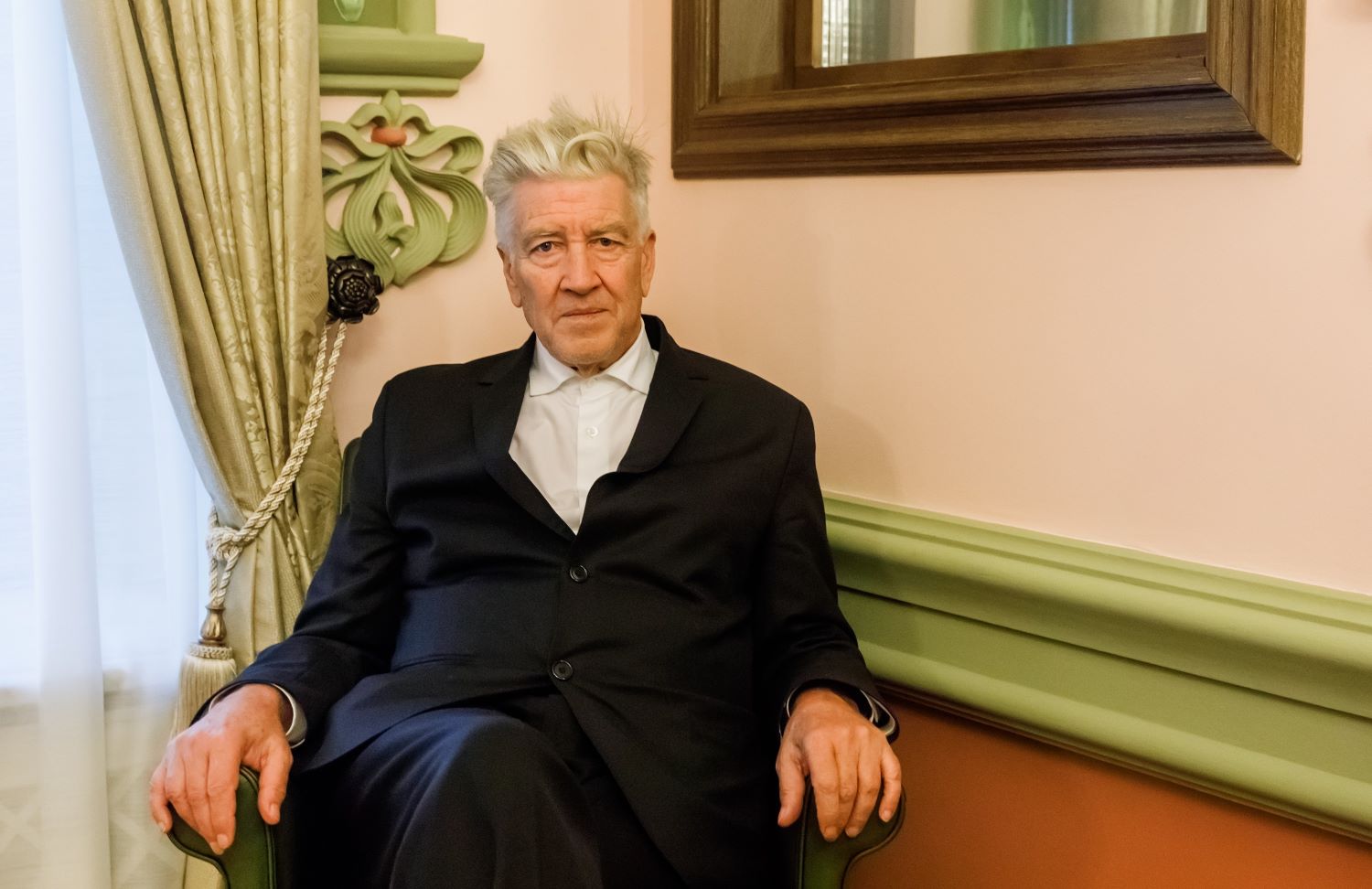
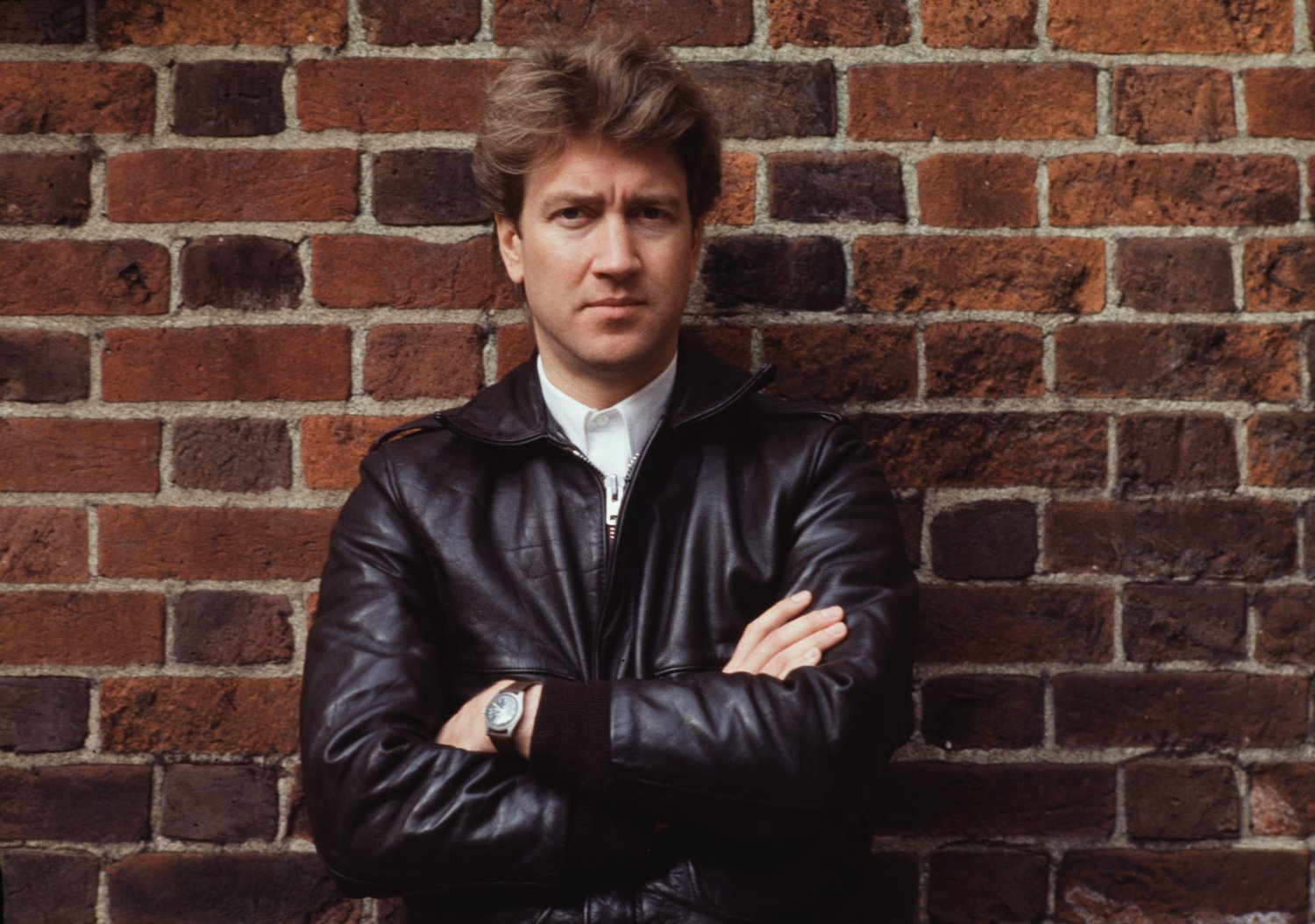

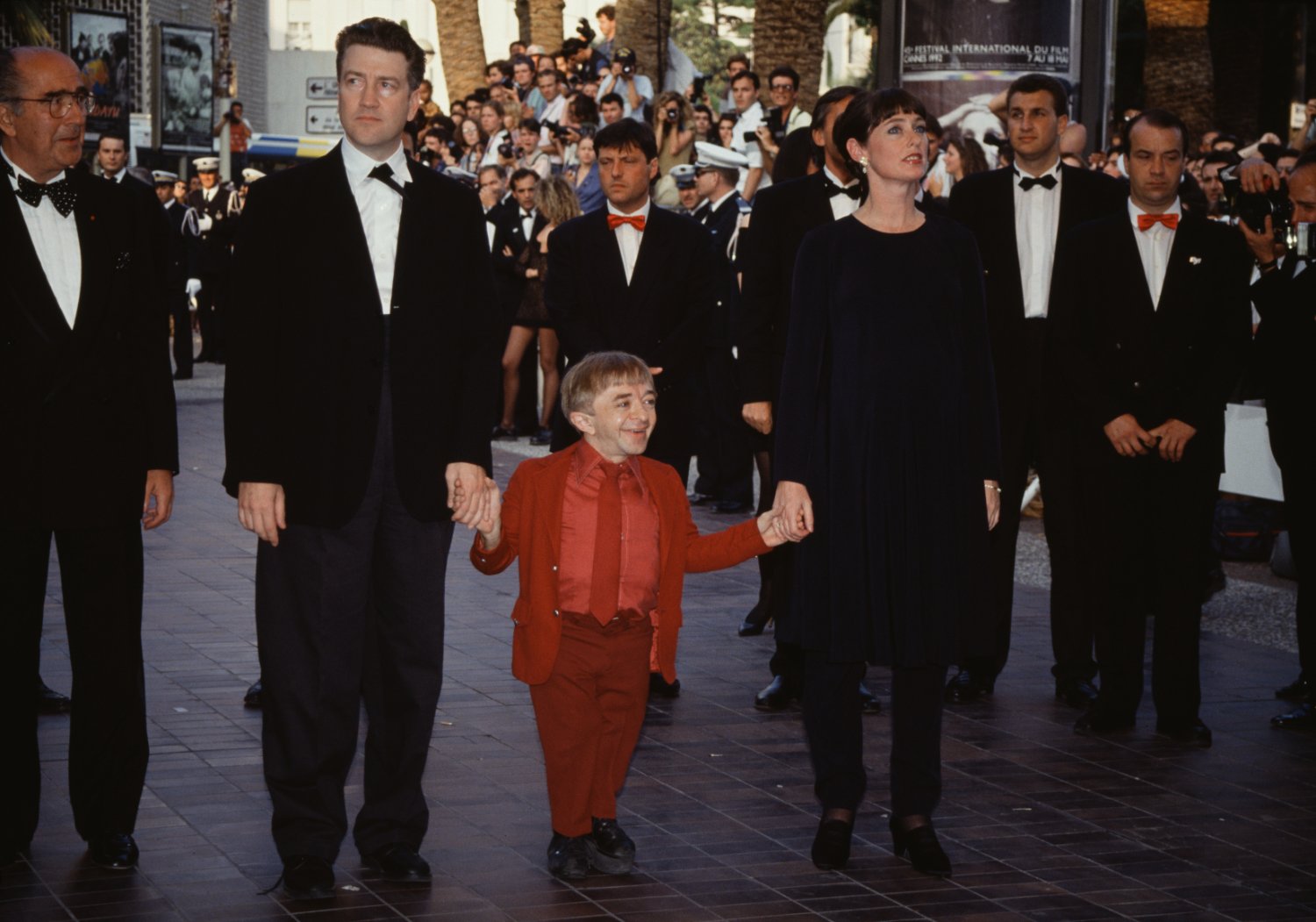


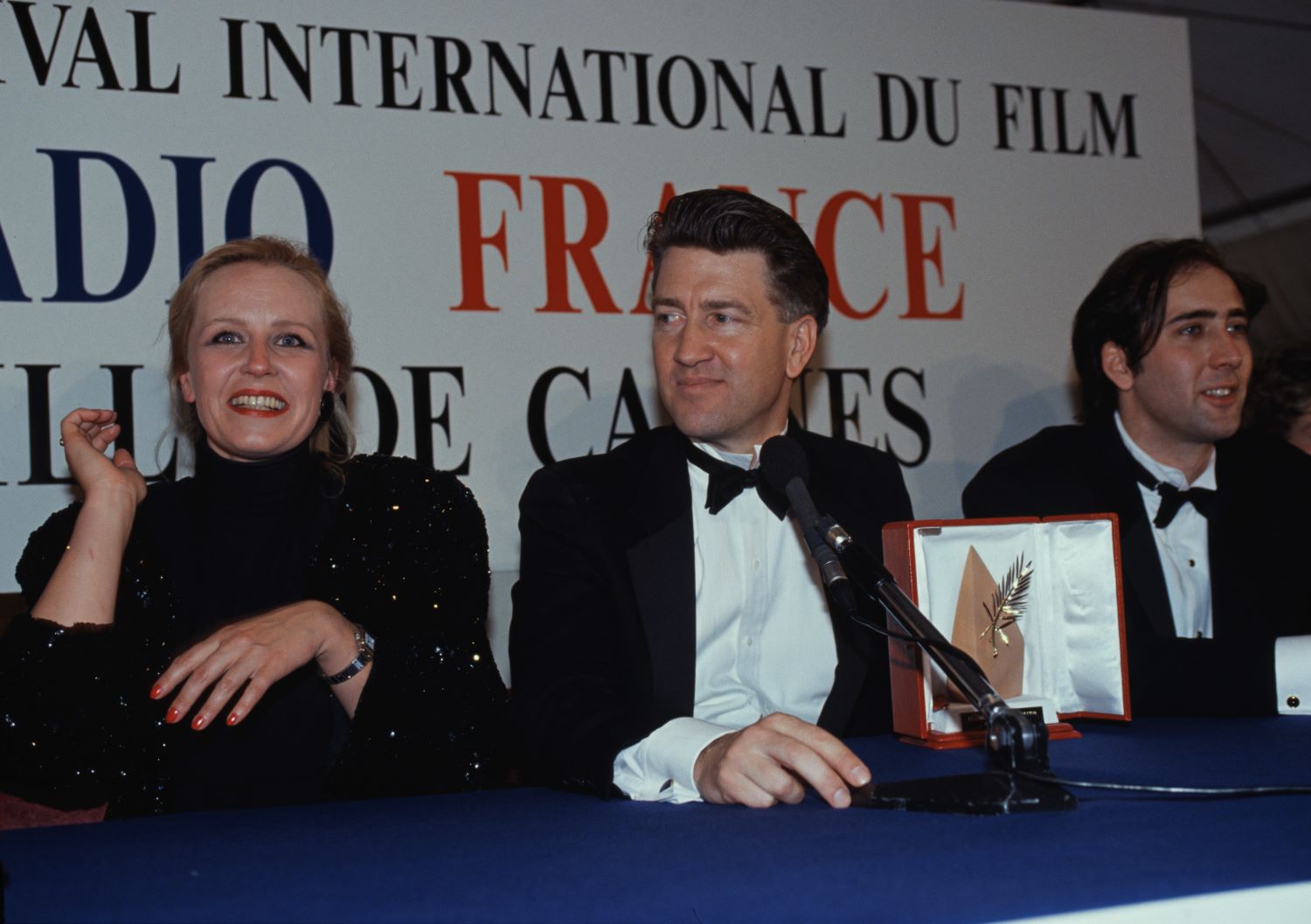
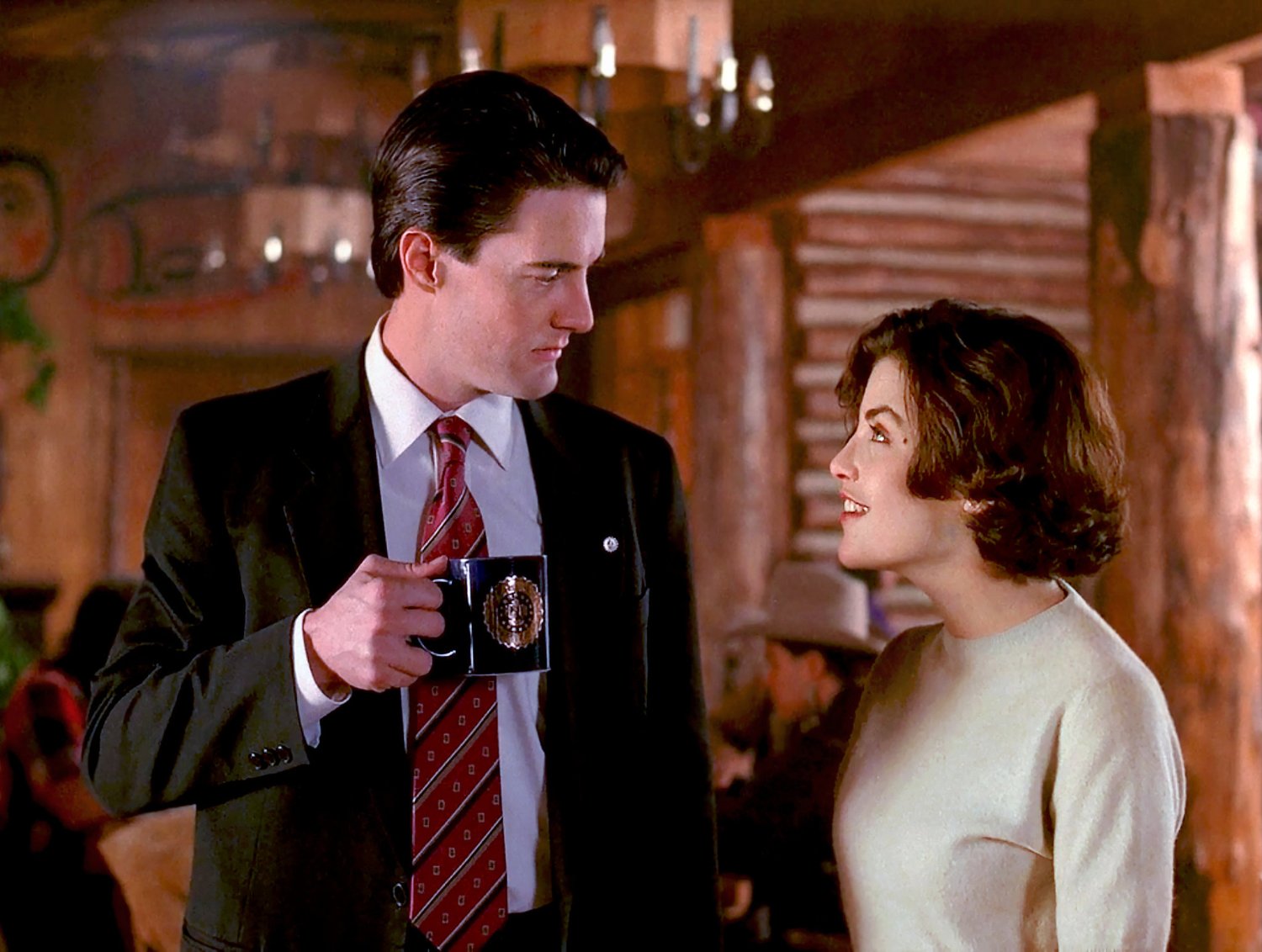

Director, writer and artist David Lynch, who transformed the film landscape with his surrealistic vision and ethereal aesthetic, has passed away at the age of 78. The filmmaker is best known for his films Blue Velvet (1986), Mulholland Drive (2001), Eraserhead (1977), and The Elephant Man (1980), for which he was nominated for an Oscar for Best Director. He will also be remembered for his work with Mark Frost on the landmark television series Twin Peaks.
On January 16, his family announced the passing of the legendary filmmaker in a Facebook post:
“It is with deep regret that we, his family, announce the passing of the man and the artist, David Lynch. We would appreciate some privacy at this time. There’s a big hole in the world now that he’s no longer with us. But, as he would say, ‘Keep your eye on the donut and not on the hole.’
It’s a beautiful day with golden sunshine and blue skies all the way”
The last line is a reference to the daily weather reports Lynch would post on his YouTube channel, where he would offer a quirky take on the Los Angeles weather for his fellow Angelenos.
No cause has been officially given for Lynch’s cause of death, though the filmmaker revealed in 2024 that he had been diagnosed with emphysema due to his smoking habit.
David Lynch was born on January 20, 1946, in Missoula, Montana, to agriculturalist Donald and English teacher Edwina (“Sunny”). Alongside his younger brother John and sister Martha, Lynch experienced a nomadic childhood, frequently relocating due to his father’s work with the U.S. Department of Agriculture. Though he and his family often moved, Lynch called these times “a super happy household” in his 2018 memoir, Room to Dream.
His passion for the arts emerged early in life, paving the way for his future as a filmmaker. He first attended the Corcoran School of the Arts and Design in Washington, D.C., before transferring in 1964 to the School of the Museum of Fine Arts in Boston. Frustrated by what he considered an “uninspired” curriculum, Lynch began experimenting with short films, ultimately leading him to enroll at the Pennsylvania Academy of the Fine Arts, where his cinematic journey began.
While earning a keep at a day job printing engravings, Lynch began creating short films, a hobby that ultimately motivated him to move to Los Angeles and study filmmaking at the AFI Conservatory. It was there that he developed his first feature-length film, Eraserhead, starring Jack Nance. Although initially rejected by many film festivals, including Cannes, Eraserhead eventually gained a cult following, particularly among midnight movie enthusiasts. Its surreal and otherworldly exploration of fatherhood anxiety and the fear of responsibility resonated with audiences, solidifying its status as a unique and enduring classic.
The success of Eraserhead got Lynch noticed in Hollywood and a seat in the director’s chair for The Elephant Man, based on the tragic true story of Joseph (John) Merrick. Starring Anthony Hopkins, John Hurt and Anne Bancroft and executive produced by an uncredited Mel Brooks, The Elephant Man was nominated for eight Academy Awards, including Best Director for Lynch and Best Picture.
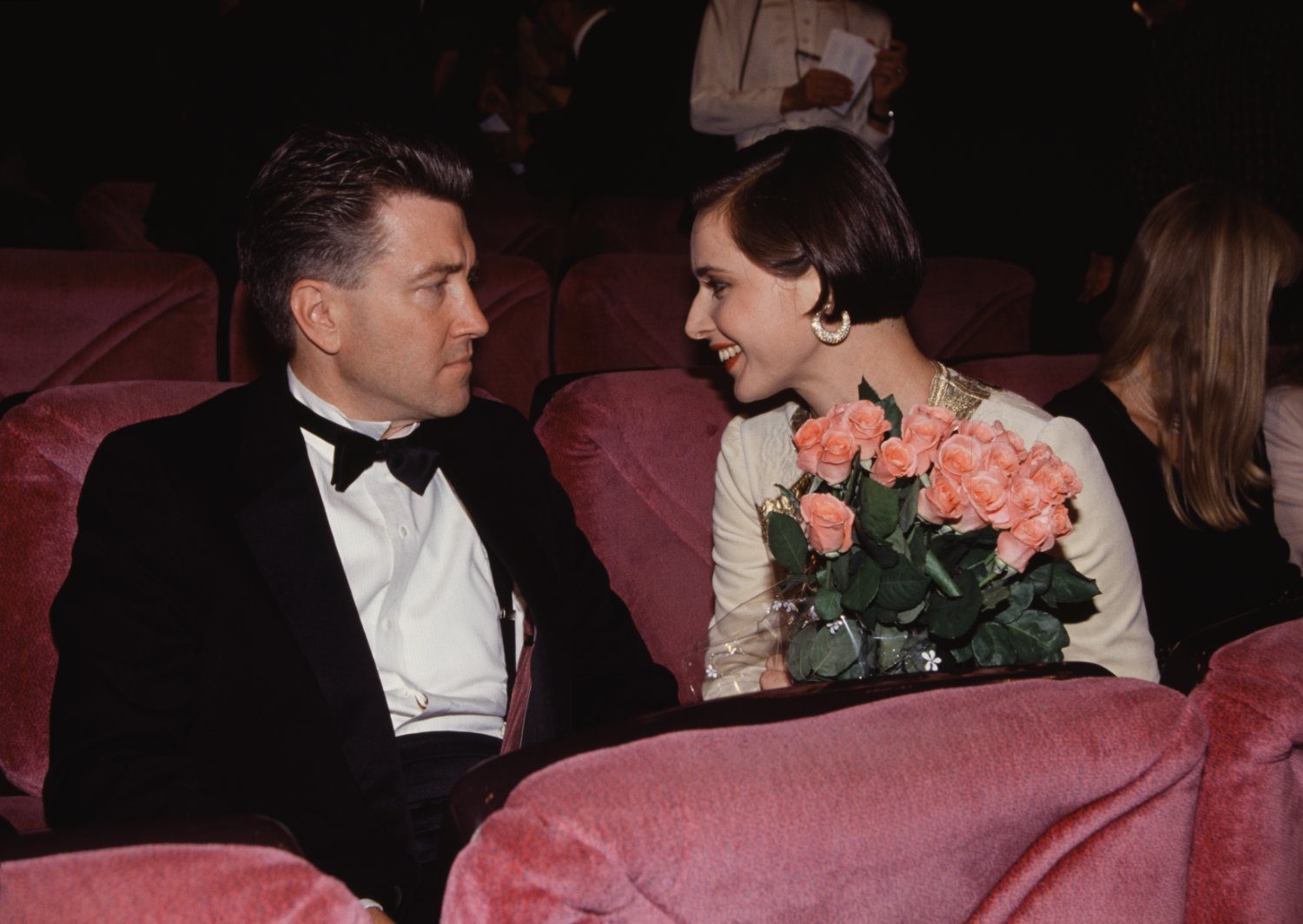
After The Elephant Man, Lynch directed Dune (1984), followed by the neo-noir psychological thriller Blue Velvet (1986). Widely regarded as an artistic masterpiece, Blue Velvet contrasted idyllic small-town America with the dark violence lurking beneath its surface. Starring Isabella Rossellini, Kyle MacLachlan, Dennis Hopper and Laura Dern, Blue Velvet became a defining representation of Lynch’s distinctive themes and cinematic vision.
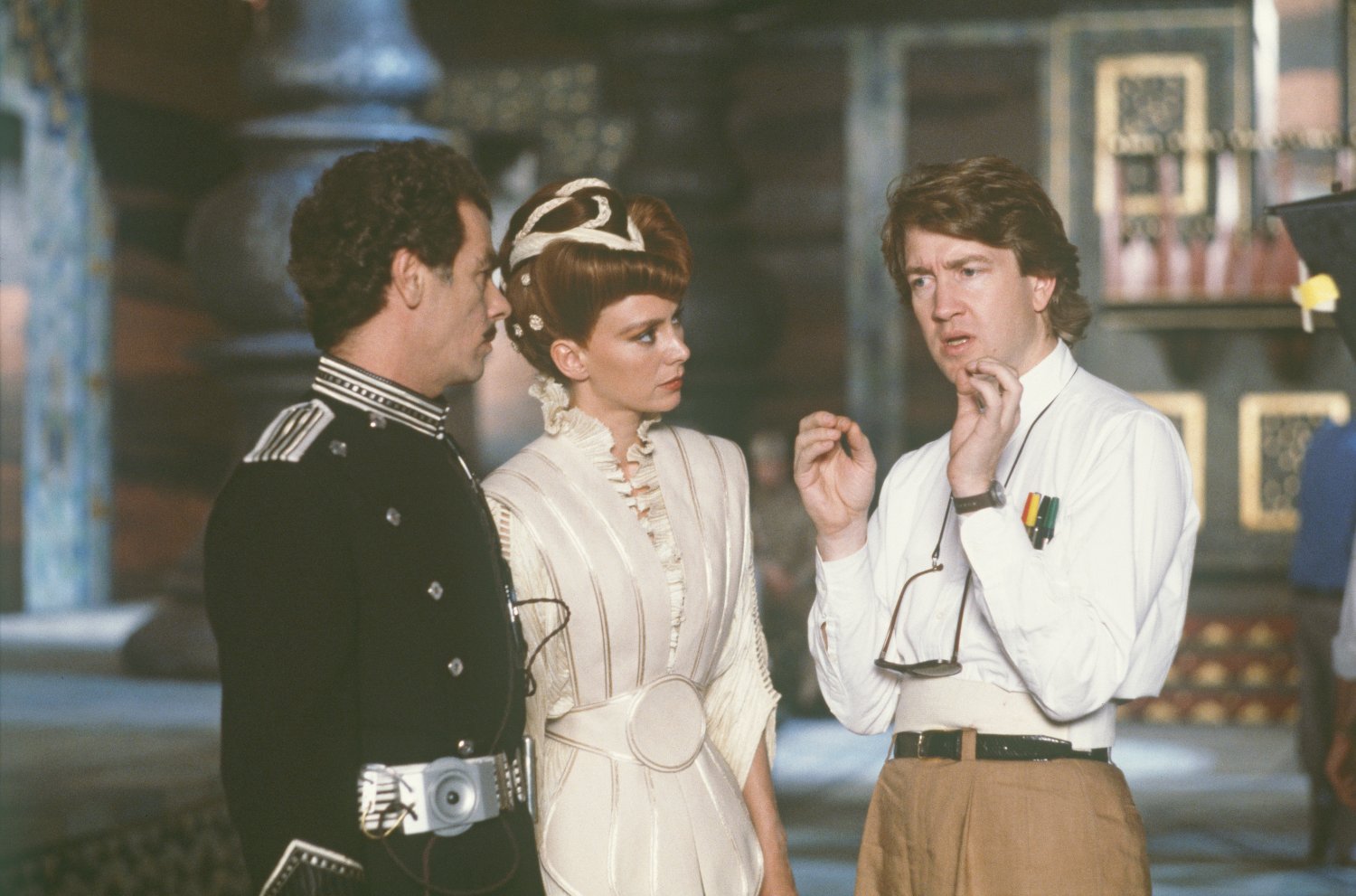
Actors Dean Stockwell, Francesca Annis and David Lynch on the set of “Dune.” (Nancy Moran/Sygma via Getty Images)
Lynch’s work included the psychological romance Wild at Heart (1990), the iconic TV series Twin Peaks and its revival (1990-1991, 2017), the prequel film Twin Peaks: Fire Walk with Me (1992), the mind-bending Lost Highway (1997), the unexpectedly poignant The Straight Story (1999), the highly-acclaimed Mulholland Drive (2001) — for which he earned Academy Award nominations for Best Director and Best Original Screenplay — and the unsettling Inland Empire (2006).
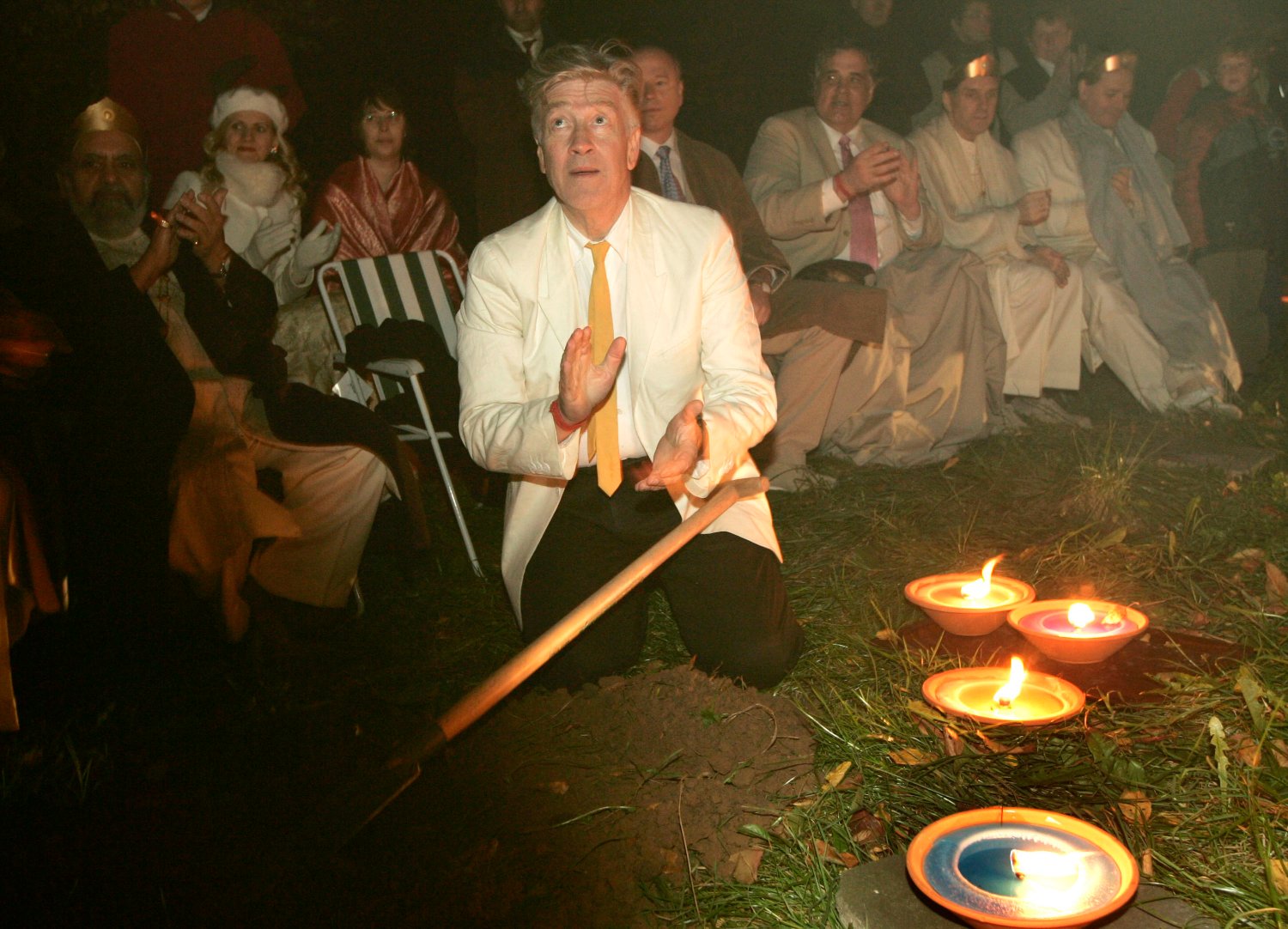
Film and TV weren’t his only pursuits. As a painter, Lynch’s works were exhibited at the Venice Biennale, the San Francisco Museum of Modern Art, and The Kunsthalle Mannheim in Germany. He was a practitioner and advocate for Transcendental Meditation, and in 2005, started the David Lynch Foundation to teach the mindfulness practice to adults and children.
Known for his sound design and editing in addition to taking on directing and writing duties for most of his projects, David Lynch was a true multi-hyphenate who transformed the filmmaking sphere. He created a lasting legacy that continues to inspire generations of independent filmmakers. The term “Lynchian” has emerged to describe his distinctive style, often applied to visual storytellers who use abstract and surreal elements to convey their narratives. His contributions have left an indelible mark on cinema, shaping its evolution for years to come.
At the 63rd Venice International Film Festival, Lynch said this about film — “Cinema is such a beautiful language and all of you all … you have the gift of words. Cinema is a thing that deals with beyond words. And it’s so beautiful,” said the auteur. “It’s so fantastic. It talks to you, but not with words alone. So just go in open, and have an experience in a different world.”