
 Jon Stojan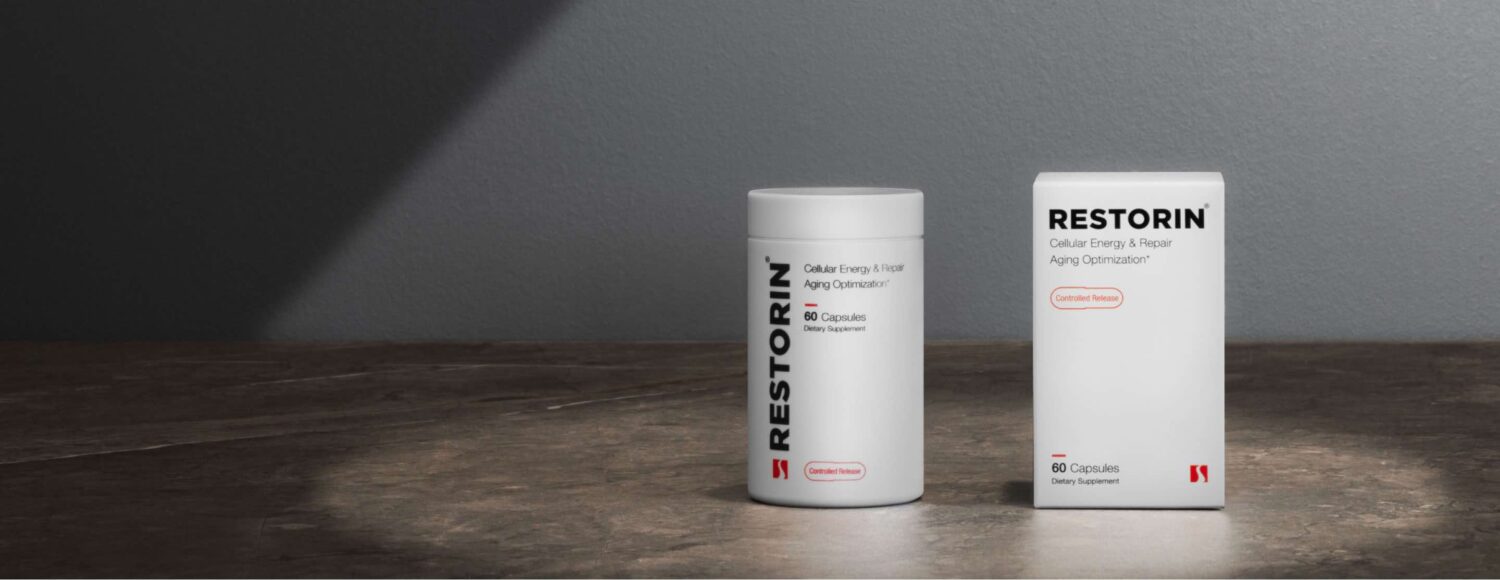
Aging – it’s the one universal truth that binds us all. As the years march on, we’re met with a host of visible and invisible changes that impact our health and lifestyle. While some view aging as a sign of wisdom and life experience, it’s also an inevitable process that can bring myriad health challenges.
The problem with most anti-aging strategies is the focus on treating the symptoms, think gray hair and wrinkles in the skin, rather than addressing the root causes. In fact, many cosmetic solutions and general health supplements, fail to target aging at its source – the cellular level.
That said, as research has intensified and our understanding of the significance of cellular health has increased, some companies have risen to the challenge of redefining our approach to aging. Among them is Seragon Biosciences who have just released a revolutionary product called RESTORIN.
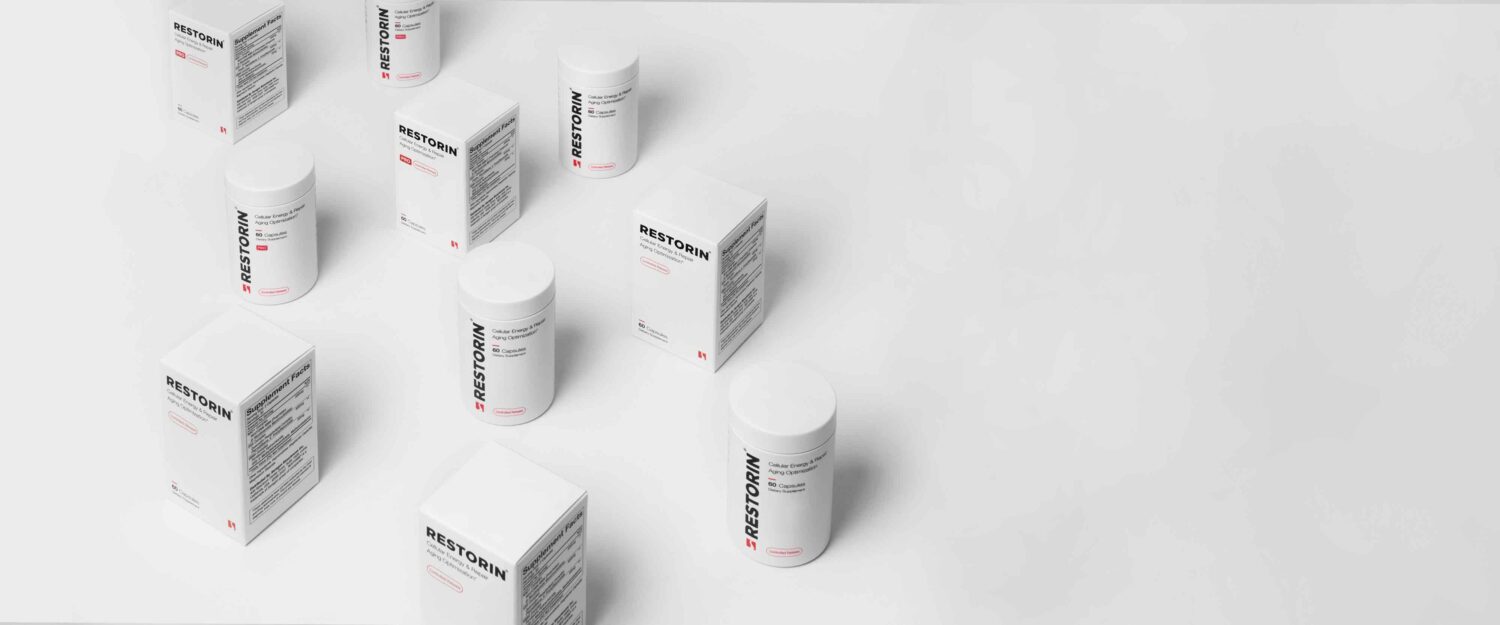
RESTORIN was developed with support from world-renowned institutions like Harvard University and the Mayo Clinic and represents a huge leap forward, offering a comprehensive approach to combating the multifaceted process of aging.
Dr. David Brown, senior scientist at Seragon Biosciences, who helped develop RESTORIN, says the product is designed to target the very foundations of cellular aging.
“It’s the fruit of exhaustive research, collaboration, and innovative science. The result is the combination of several advanced technologies designed to optimize cellular aging and energy metabolism,” he states.
RESTORIN consists of some of the most potent compounds in the anti-aging arena. One of these technologies is NAD+ precursors. Shedding more light on the subject, Dr. Brown elaborates that NAD+ (nicotinamide adenine dinucleotide) is an important coenzyme that is present in all of our cells, playing an essential role in cellular metabolism by ensuring the conversion of nutrients into energy.
As we age our NAD+ levels begin to decline. RESTORIN provides NAD+ precursors which have been shown to replenish these declining NAD+ levels, ensuring your cells have what they need to work optimally.
Sirtuins, a group of proteins known for their role in the aging process, are another vital target for RESTORIN. “These proteins are critical for DNA repair, managing inflammation, and many other cellular processes. RESTORIN provides sirtuin-activating compounds, or STACs.” These are designed to stimulate sirtuin activity.
Moreover, something known as ‘senolytic agents’ plays an equally important role. Their task? To target senescent cells for elimination by the body. These so-called ‘zombie cells’ are dysfunctional and can cause inflammation, driving the progression of many age-related diseases.
Unlike ‘normal’ cells that can eliminate themselves at the end of their lifespan, senescent cells avoid this ‘self-destruction’ mechanism, which causes them to build up in various parts of the body. Dr. Brown highlights that senolytic agents can switch off this ability to avoid ‘self-destruction’. Senolytics are another important component of the SSA complex in RESTORIN.
Still, as impressive as these components in RESTORIN are, getting them where they need to go in order to be absorbed is just as pivotal. This is where SERC technology comes into play. This innovative tech ensures that the active components of RESTORIN are effectively delivered and absorbed by the body, maximizing their impact and benefits.
Looking ahead, Dr. Brown and his team at Seragon are optimistic about the future of longevity research. The science is evolving at such a rate that Dr. Brown believes we are now on the cusp of a brand-new era in which science will consider both the outward and inward aspects of health in order to curate more holistic and comprehensive solutions that will support us through each stage of life.
As Dr. Brown says, “We should endeavor to promote healthy aging through the integration of innovative research and sustainable practices. Our goal is to not only extend lifespan but also to enhance the quality of that life.”