
 Wyles Daniel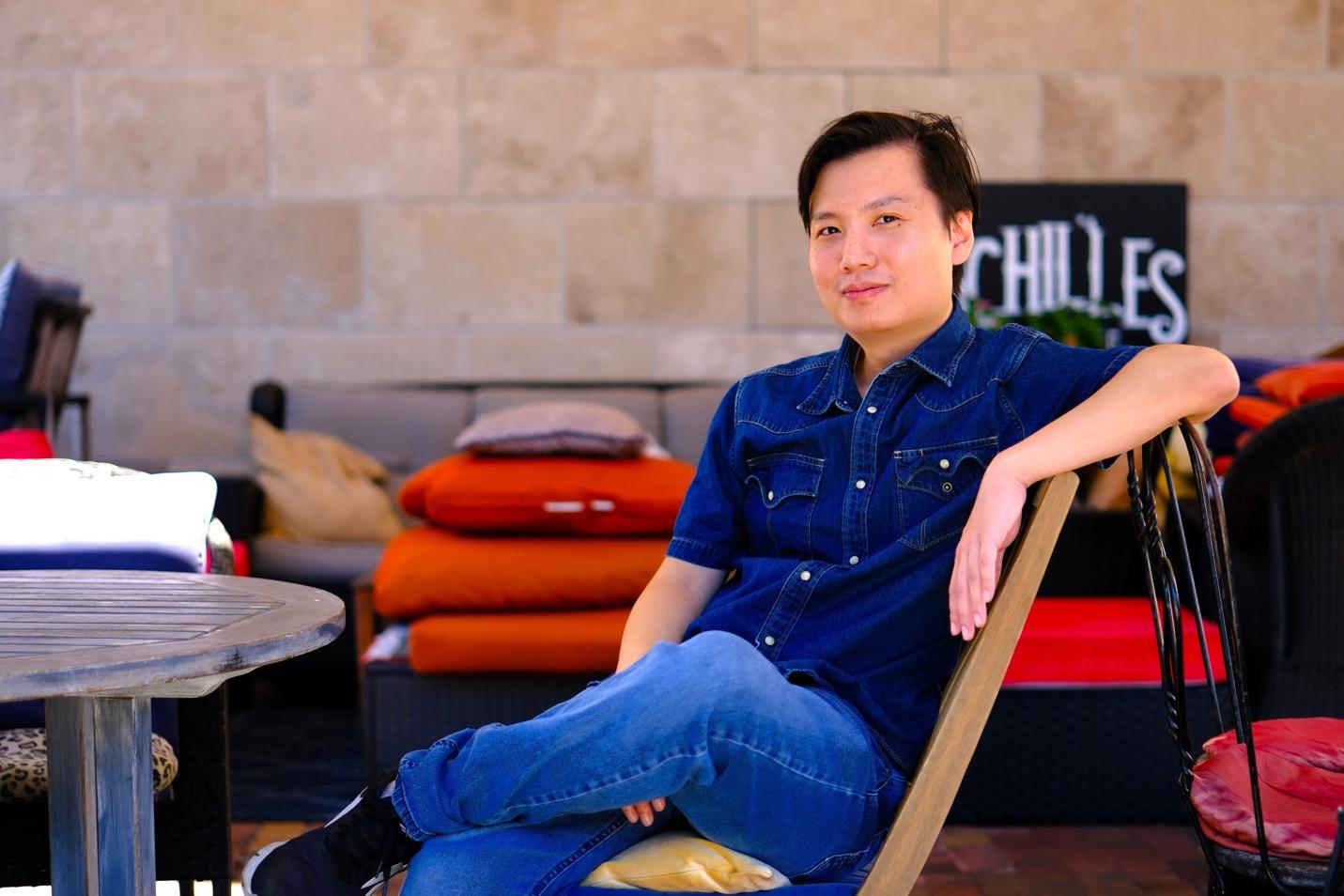
When Nathaniel Halim quit his six-figure banking job in Jakarta to study animation at age 30, his colleagues thought he’d lost his mind. Three years later, the Indonesian 3D artist was creating digital environments for Gucci fashion shows and theme park attractions, proving that sometimes the biggest risks deliver the biggest rewards.
Halim’s dramatic career pivot began in 2020 when he traded his financial analyst position at MUFG Bank for art school in Savannah. “I was working with Japanese animation companies as clients and realized I wanted to be on the creative side, not just analyzing their numbers,” he explains.
The transition wasn’t smooth. Starting his MFA in Animation during COVID lockdowns meant learning complex software like Maya and Unreal Engine through Zoom calls while competing against classmates with years of experience. “I was basically a 30-year-old freshman surrounded by kids who’d been doing this since high school,” Halim recalls.
His persistence paid off. Within months of graduating in 2023, he landed a contract position at CTRL ALT Games, then quickly moved to Supersocial Inc., where he worked on high-profile brand collaborations. The Gucci Ancora Fashion Show project he helped create won a 2024 Webby Award for Best Mobile User Interface, putting him on the map in luxury digital experiences.
“Working with Gucci meant everything had to be pixel-perfect,” Halim says. “We’re talking about recreating $3,000 handbags in 3D that had to look photorealistic on mobile devices. The technical constraints were insane.”
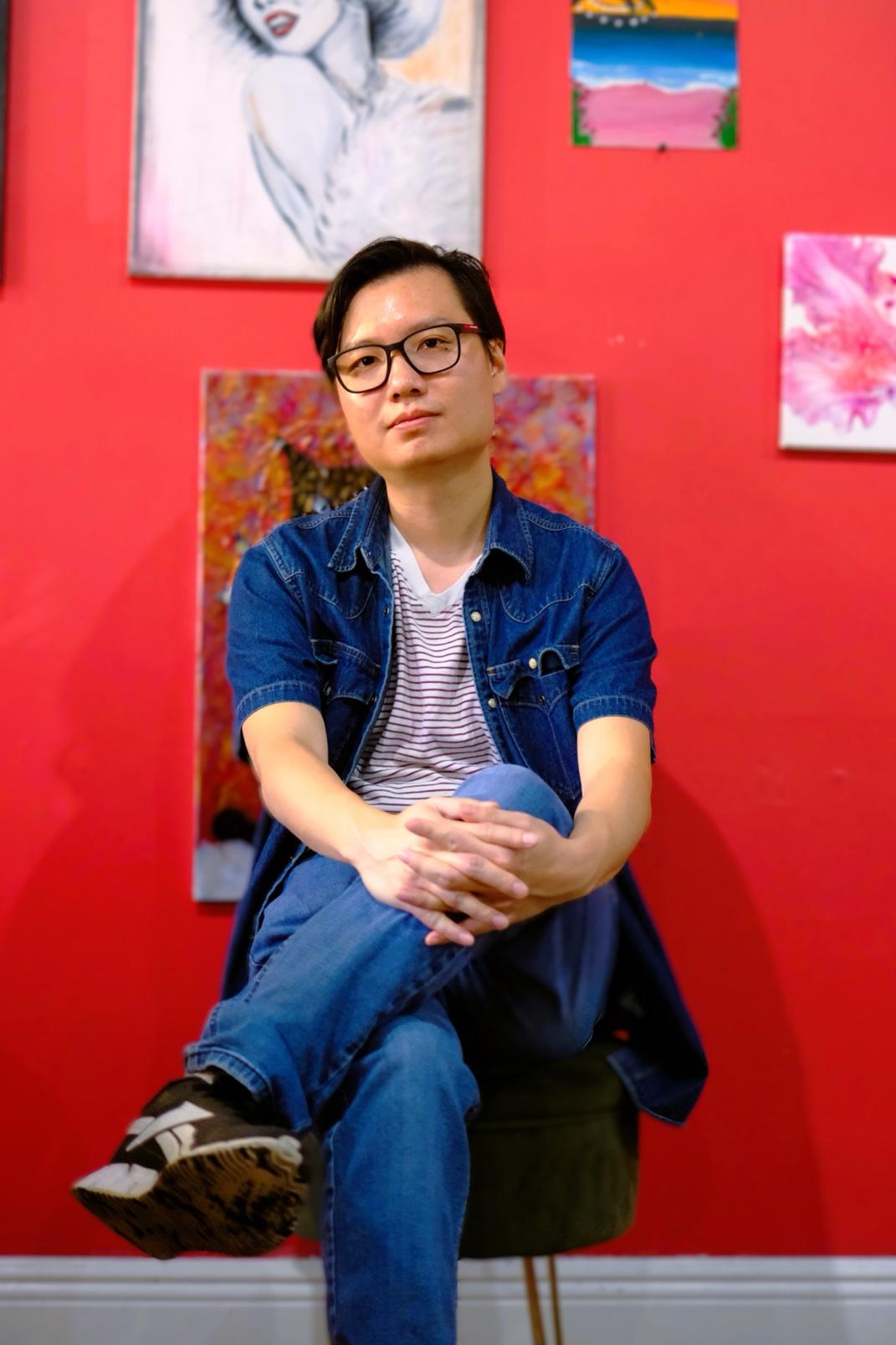
The project’s success opened doors to bigger opportunities. Supersocial’s collaborations with major brands like Gucci demonstrated how traditional luxury companies were embracing digital spaces, particularly on gaming platforms like Roblox where younger consumers spend increasing amounts of time.
Nathaniel Halim also made significant contributions at Falcon’s Creative Group in Orlando, designing environments for theme park attractions. The company, known for creating immersive experiences for Disney, Universal, and other major theme park operators, represents another evolution in his career and a contribution to all theme park visitors!
“Theme parks are the ultimate 3D environments,” he notes. “You’re not just creating something people look at on a screen—they’re walking through it, touching it, experiencing it physically.”
His technical skills span multiple platforms and engines, from mobile-optimized Roblox environments to high-end Unreal Engine 5 experiences. This versatility has become increasingly valuable as entertainment companies seek artists who can adapt content across different media formats.
The numbers back up Halim’s career choice. The global 3D animation market is projected to reach $33.78 billion by 2026, primarily driven by demand for gaming, film, and emerging technologies like virtual reality. Meanwhile, luxury brands invest heavily in digital experiences, with companies like Gucci, Louis Vuitton, and Balenciaga creating virtual stores and branded gaming content.
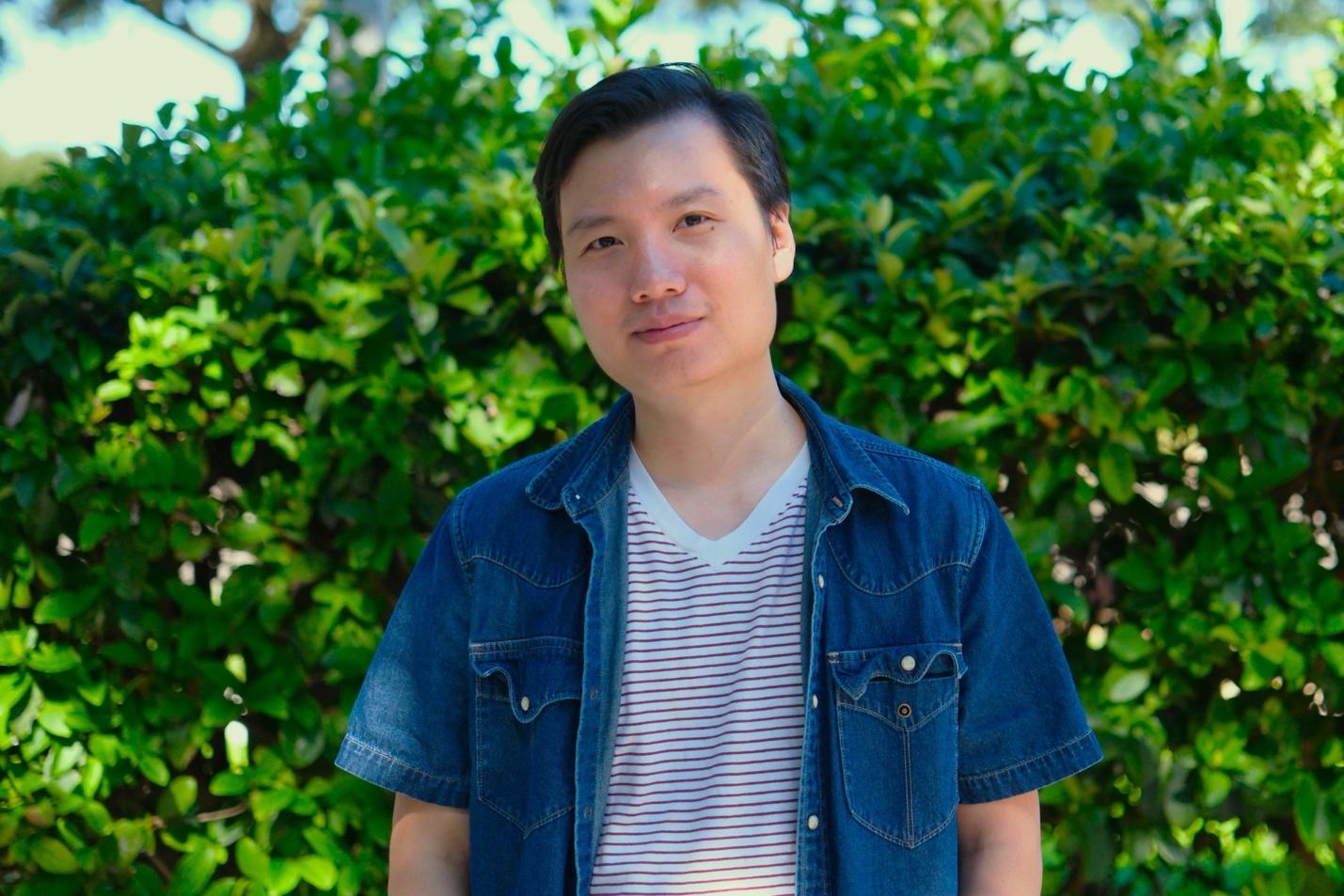
Halim’s background in finance gives him an edge in understanding client needs. “I speak the language of business,” he says. “When brands want to know ROI on digital investments or timeline constraints, I understand both the creative and commercial sides.”
His Indonesian heritage also provides a unique perspective in an industry increasingly focused on global markets. Growing up in Bali, surrounded by traditional art and architecture, influences his approach to digital world-building. “There’s something about ancient temples and mystical landscapes that translates well to fantasy game environments,” he explains.
The artist’s rapid rise reflects broader shifts in the entertainment industry’s hiring practices. Studios are increasingly valuing diverse backgrounds over traditional art school pipelines. Halim’s finance experience taught him project management and client communication skills that many traditional artists lack.
Looking ahead, Halim sees opportunities in emerging technologies like AI-assisted 3D modeling and real-time ray tracing. “The tools are evolving faster than anyone can keep up with,” he says. “But that levels the playing field—experience matters less when everyone’s learning new software every six months.”
His advice for other career changers? Focus on portfolio over pedigree. “Nobody cares where you went to school or what you did before if you can deliver quality work on deadline,” Halim emphasizes.
The 3D artist’s next goal is to work on major film productions or AAA gaming titles. With his proven track record of creating award-winning digital experiences for luxury brands and theme parks, Hollywood studios are taking notice.
Halim’s story reflects a broader trend of professionals abandoning traditional careers for creative industries. As digital entertainment continues expanding globally, his combination of technical skills, business acumen, and artistic vision positions him perfectly for continued success in an industry where the only constant is change.
For someone who started learning 3D modeling at 30, Halim’s trajectory proves it’s never too late to reinvent yourself—especially when billion-dollar industries are desperate for fresh talent.