
 Will Jones
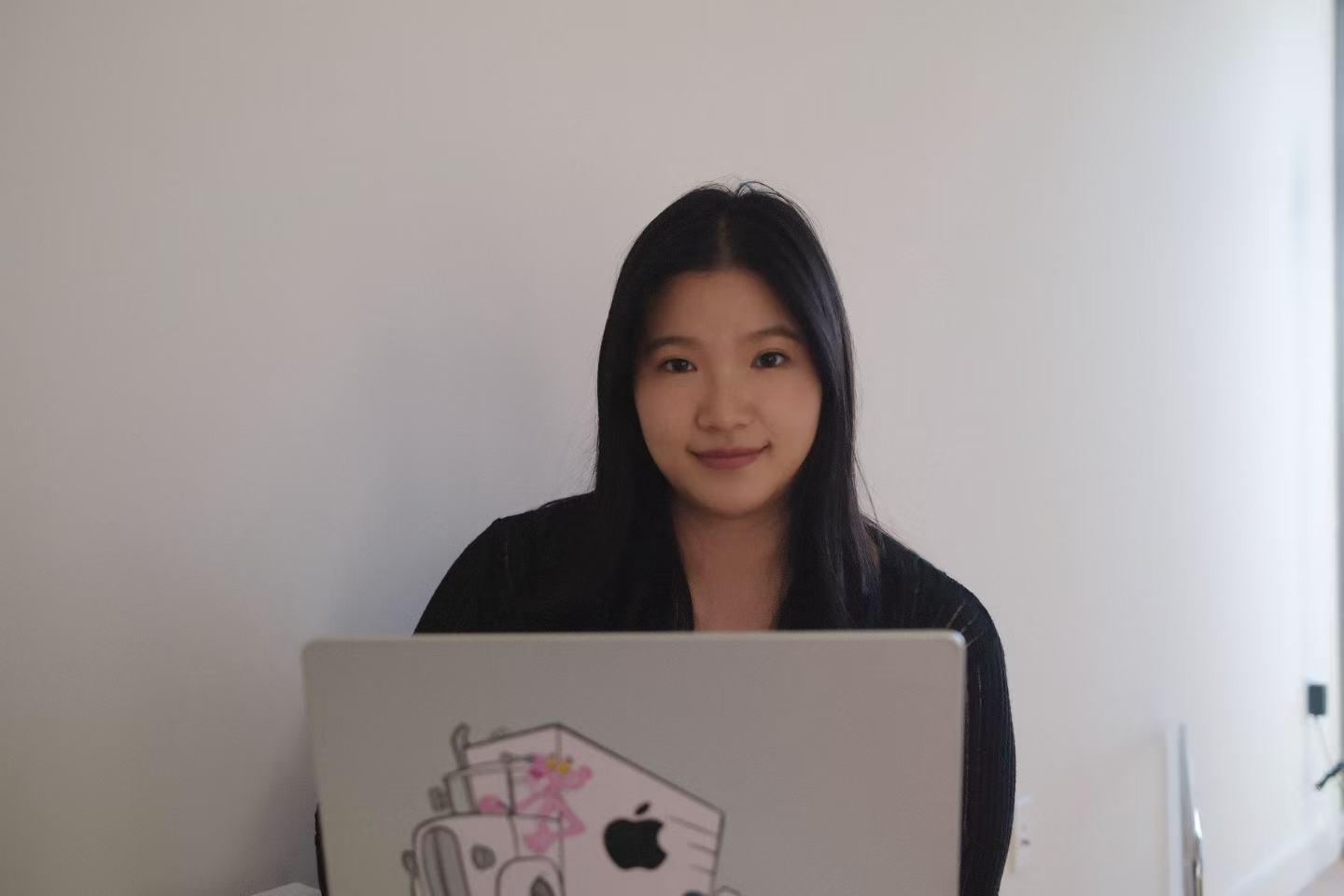
In recent years, vertical short dramas have grown rapidly within the mobile entertainment industry. Bo Wang is an editor with long-term experience in vertical short drama production, whose several breakout works have accumulated tens of millions of views on the GoodShort platform. In her view, this narrative form has not only transformed how audiences watch content, but has placed new demands on the craft of editing itself. “When audiences watch content on their phones, attention is often measured in seconds,” she says. “Editing is not just about connecting shots — it’s about controlling rhythm and the sequence of information so that a story builds emotional appeal in the shortest possible time.”
From “Fragmented Collage” to “Structured Narrative”: Designing the Audience’s Psychological Contract
For Bo Wang, the editing suite for short dramas is a precise calculus of audience psychology. The projects she has worked on span multiple genres: elite family revenge, gangster romance, identity reversal. Across these different subjects, editing must contend not with a single universal standard of pacing, but with the distinct emotional architecture each genre demands.
In Bo Wang’s early signature work Will You Be My Love Again (9.9M views), she demonstrated how radically restructuring a screenplay can reverse a project’s fortunes. The drama follows a male lead who, having fallen from wealth and rescued at his lowest point, returns twenty years later as a top-tier tycoon to repay his debts and exact revenge. In the initial cut, the original script opened with the male lead’s polished image as a successful CEO, with his backstory revealed through flashbacks. Bo Wang acutely recognized that this “effect-before-cause” logic lacked emotional pull. She implemented what she calls a “pain-forward” strategy, reassembling the most broken, humiliating scenes from the male lead’s childhood as the prologue of the first episode.
This shift fundamentally altered the psychological register of the series: before audiences met the CEO, they had already signed an emotional contract with that helpless boy. By anchoring the opening in a powerful hook of sympathy, every subsequent act of retaliation carried a visceral, almost physiological satisfaction, precisely solving what is perhaps the hardest problem in the short drama industry: initial audience retention.
A similar structural philosophy takes an entirely different form in The Queen Strikes Back with Three Tycoons (4.6M views). This drama opens directly with the characters at their peak status: the female lead arrives by helicopter, three male leads appear in sports cars. Rather than rushing the plot forward, Bo Wang chose to linger on close-ups of these luxury details, establishing a clear baseline and letting audiences “see the height” first. When the narrative pivots to the female lead’s romantic setbacks and family conflicts, the commanding aura established earlier is shattered, and the contrast generates enormous narrative impact in everything that follows.
Beyond this “peak-status-forward” approach, Bo Wang has also demonstrated precise control of information across other works. In Mistaken for a Gold Digger (13.8M views), she deliberately compressed explanatory shots and delayed the appearance of key information, keeping audiences in a state of informational asymmetry with the characters and sustaining steady viewing momentum. In How to Train Your Good Boy CEO (1.4M views), the pacing is more restrained; she extends the duration of key emotional beats to preserve the breathing room necessary for emotional development.
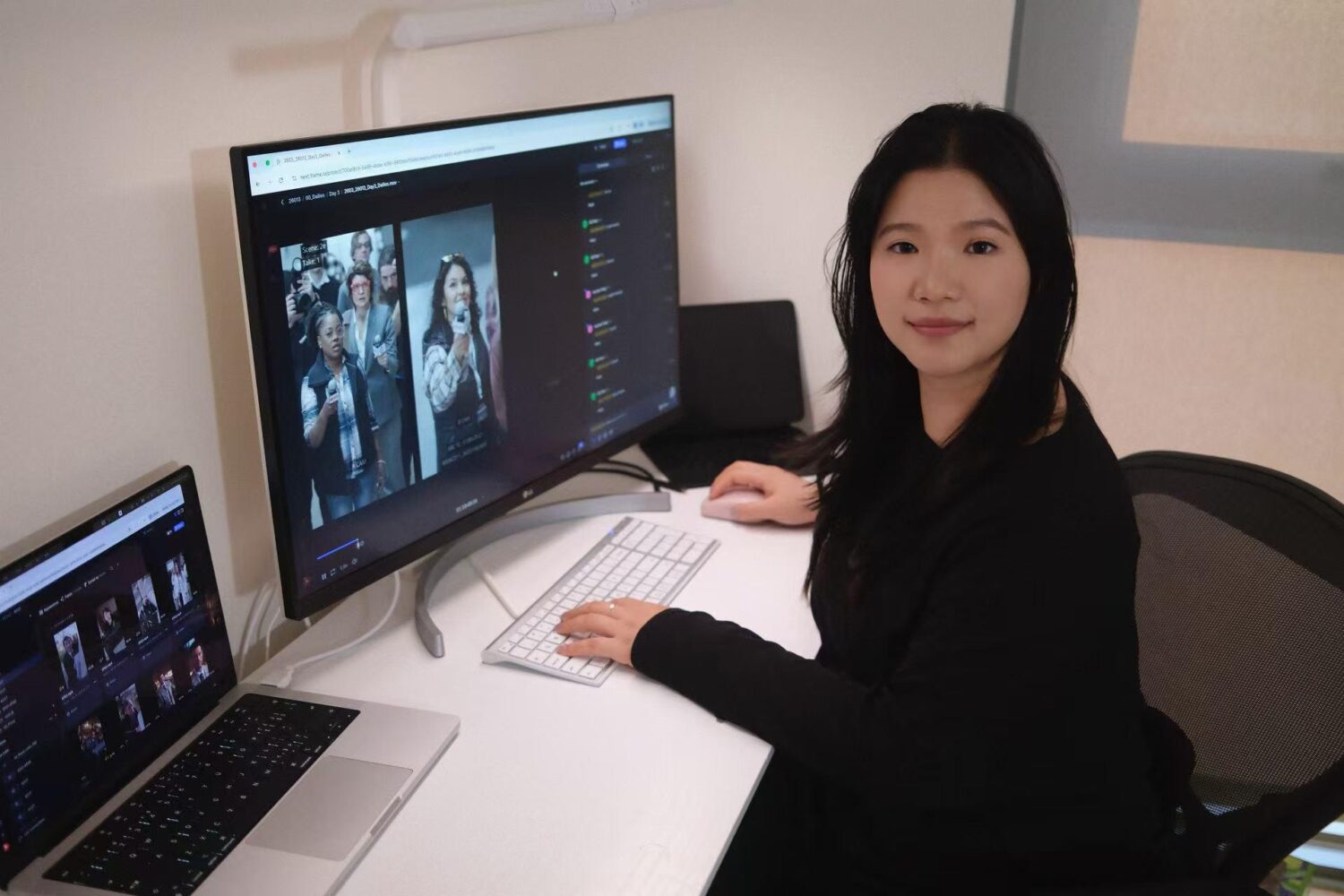
Reshaping Sensory Boundaries: Vision, Sound, and the Construction of Psychological Pressure
Bo Wang’s editing does not only reshape narrative structure — it acts directly on the audience’s sensory experience. She favors using sound as an “emotional trigger.” In My Gangster Baby Daddy (8.2M views), as dangerous forces close in, she added not only rapid cuts on the visual track but layered in the sound of footsteps approaching from a distance. This auditory sense of motion creates a violent cognitive compression in the viewer’s mind, forcibly implanting an invisible “countdown to death” and inducing extreme tension at a physiological level.
Beyond sound manipulation, Bo Wang has elevated VFX from visual decoration to the level of “narrative completion.” In a high-tension scene involving a severed arm in Blood and Bones, she did not simply rely on raw footage but worked closely with VFX designers to precisely calibrate the viscosity of blood, the trajectory of splatter, and color saturation. Every VFX layer was subject to rigorous psychological calculation. As she explains: “Blood is the most direct visual symbol of conflict in short dramas. The core of how I work with VFX is making sure the visual impact lands precisely at the moment the audience’s emotions are ready to detonate.”
Working on the gangster drama My Gangster Baby Daddy, Bo Wang further demonstrated how VFX can intervene in storytelling. In a pivotal scene where the male lead is accidentally stabbed, she and the VFX designers co-designed the visual detail of the wound, precisely controlling the speed and tone of the blood seeping out. She insisted on a slow, viscous, dark visual quality, a “visual gravity” that causes audiences, in the moment of seeing the male lead injured, to experience a physiological burden of empathy, resonating at the same frequency as the female lead’s internal heartbreak.
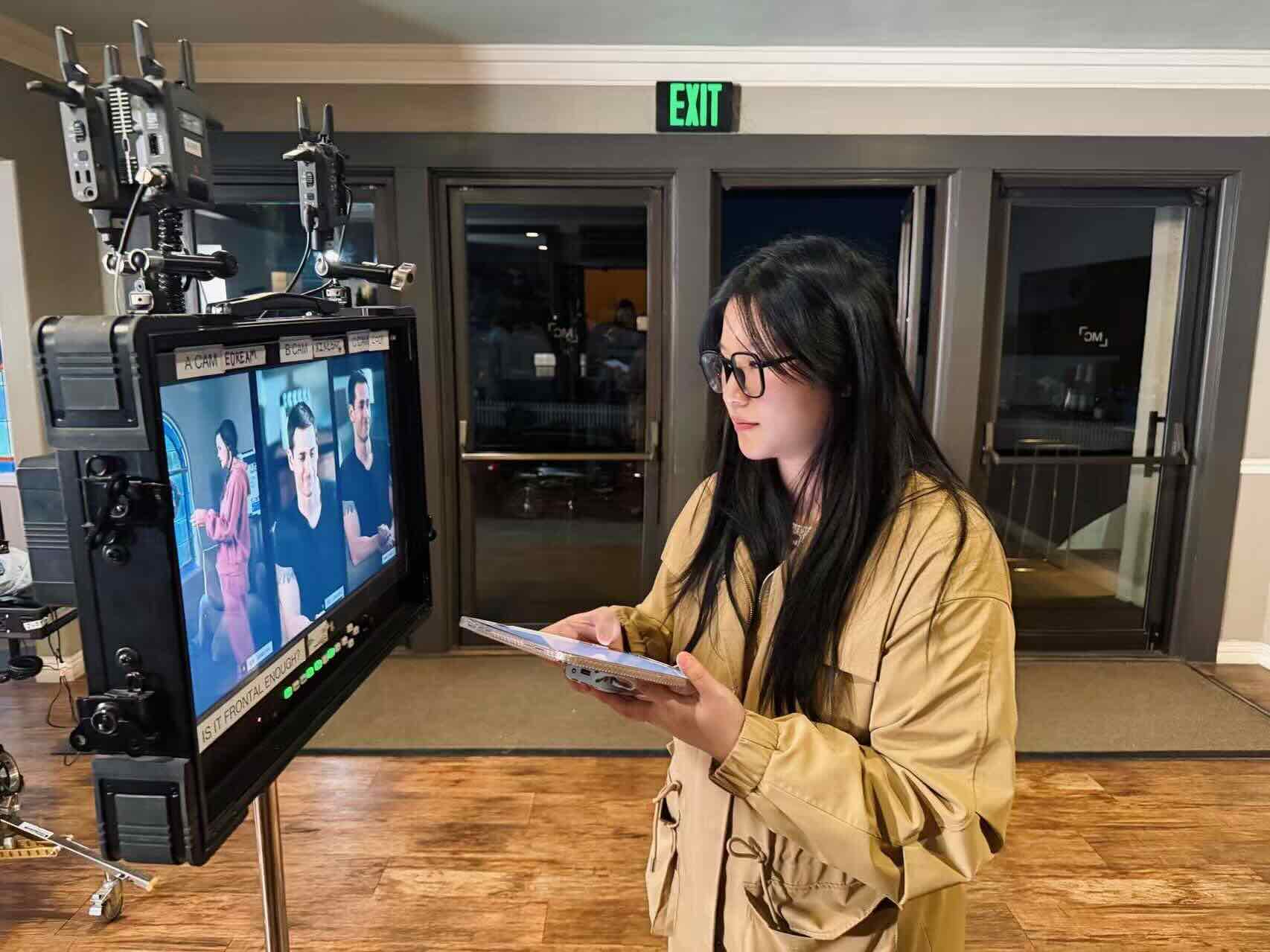
Cross-Cultural Visual Transcoding: Defining the Narrative Universal
Beyond her micro-level command of the visual and psychological, Bo Wang’s distinction as an editor lies in her capacity to translate across global narrative contexts.
Bo Wang has acutely observed that Eastern audiences tend to perceive character relationships through dialogue and the emotional accumulation of long takes, while Western audiences experience “power” and “threat” primarily through the aggression of physical space and the tension of body language. When working on the confrontation scenes in This Time I Choose Mr. Mafia, she broke from the original conversational rhythm and adopted a more Hollywood hard-noir style of “spatial-pressure editing.” Through nonlinear rapid re-sequencing of low-angle upward shots, she artificially heightened the characters’ sense of dominance on screen, so that the power dynamic is visually established through gravitational weight before a single line of dialogue is spoken, hitting squarely on Western audiences’ visual instincts for what a “strong” figure looks like.
At the same time, attuned to the individualism at the core of Western narrative, Bo Wang applied what she calls a “character decoupling” strategy in her editing. In Eastern storytelling, a character’s motivation is often embedded within family, duty, or complex social networks. But for edits targeting Western markets, she consciously amplified what she describes as the “solitary light effect.” In depicting the male lead’s high-stakes business confrontations as a top CEO in The Outcast Makes a Comeback, Bo Wang rejected the tight close-ups typical of short dramas and instead insisted on full shots and medium shots. “A CEO’s aura should not be conveyed through facial expression alone,” she argues, “but through the physical space he commands.”
Under this visual strategy, Bo Wang used wide shots to give the character ample “breathing room” within the frame, capturing his ease and the natural gravitational pull of his leadership. This approach extracts the protagonist from a cluttered background, making him the sole gravitational center of the image. This “visual solitary-light effect” not only grants the character physical dominance on screen but communicates, at a psychological level, the spirit of independence so prized in Western elite narratives: the protagonist does not depend on any social network; he himself is the maker of order. This precise orchestration of spatial framing successfully transformed the triumphant return of an “outcast” into a visually heroic spectacle.
By reshaping works across diverse genres with cumulative viewership in the tens of millions, Bo Wang has demonstrated that an editor is by no means the final assembler on an industrial production line but a deep decision-maker for the narrative soul of a project. She has successfully translated complex cinematic storytelling logic into an audiovisual language suited to the vertical aesthetics of mobile screens, achieving exceptional emotional density and narrative efficiency within a minute-scale format.
For Bo Wang, the editing suite is not merely a tool for processing footage. It is the command post from which she deploys audience attention and reconstructs psychological resonance. Through her reshaping of sensory boundaries and cross-cultural intervention in narrative structure, she continues to expand the audiovisual frontiers of our era.