
 Nia Bowers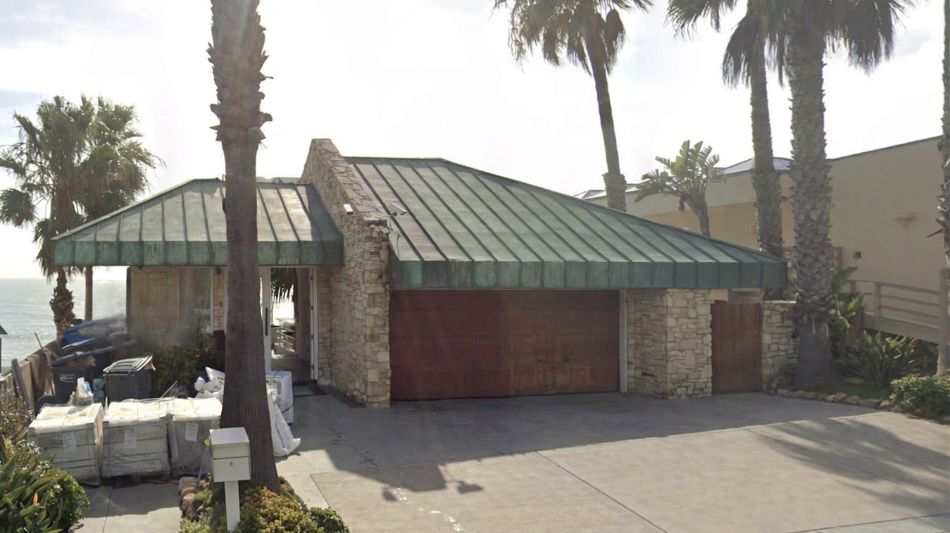
A lawsuit filed in Los Angeles County Superior Court is raising questions about patient safety, disclosure practices, and basic habitability standards within segments of Malibu’s luxury rehabilitation industry.
The complaint, filed against The Pointe Malibu Recovery Center, alleges that the facility placed a medically vulnerable patient in a room affected by environmental hazards while allegedly failing to disclose known conditions and adequately respond to escalating health concerns.
According to the complaint, the plaintiff paid approximately $50,000 for a 15-day residential treatment stay and was assigned to a “deluxe suite” that allegedly showed signs of water intrusion and deterioration. The lawsuit further alleges that the room allegedly did not have functioning smoke detectors, a condition that, if proven, would raise additional safety concerns in a region historically impacted by wildfires.
According to the complaint, days before the plaintiff’s arrival, the facility had received reports of environmental issues in the same room and obtained an evaluation recommending further review if deterioration or moisture conditions persisted, conditions the lawsuit alleges were not disclosed to the plaintiff. The complaint further alleges that less than two weeks before the plaintiff’s admission, another resident occupying the same room exhibited symptoms of the same type of harm subsequently suffered by the plaintiff and was emergently removed and required urgent medical attention. Despite this specific notice, the lawsuit alleges, the facility assigned the plaintiff to that same room without disclosure.
The plaintiff, described in the complaint as medically vulnerable with a documented history of multiple prior sinus surgeries, was allegedly placed in that room and remained there as his condition deteriorated. According to the complaint, the plaintiff reported worsening symptoms at each daily nursing check-in, but these complaints were not documented in his medical or facility records, and no disclosure of the room’s prior contamination history was made.
When the plaintiff’s treating physician observed visible water intrusion during a remote consultation and recommended immediate relocation, the facility’s executive director allegedly assured the plaintiff that an environmental report showed “no concern whatsoever” regarding mold exposure, according to the complaint. The lawsuit alleges that this assurance was misleading given the known limitations of the environmental testing and the visible conditions in the room.
According to the complaint, as the plaintiff’s condition continued to worsen and he sought emergency medical care, two of the defendants participated in a coordinated telephone call in which they allegedly characterized his objectively confirmed infection and escalating symptoms as psychosomatic and “drug-seeking,” discouraging him from obtaining emergency treatment.
Within days, according to court filings, the plaintiff was admitted to Providence St. John’s Hospital in Santa Monica, where physicians evaluated him for possible meningitis, performed an invasive lumbar puncture, and obtained an emergency neurosurgical consultation. He required treatment in a progressive care unit with intravenous antibiotics, a level of care typically associated with acute medical conditions. The lawsuit alleges that he continues to experience lasting and potentially permanent serious health effects, including a persistent bacterial infection lasting more than six months, permanent mucosal and structural sinus damage, and complications from prolonged antibiotic treatment that led to additional hospitalizations.
The case also highlights how safety is represented in the marketing of high-end residential treatment facilities. According to The Pointe Malibu Recovery Center’s website, the facility describes itself as a “world-renowned residential treatment facility” offering “concierge-style service and highly skilled clinicians employing mind-body interventions.” The facility’s materials emphasize safety as a central component of care, stating that it seeks to “co-create an environment that promotes health and wellness” and that “the science of safety guides us to healing.”
According to information listed on the facility’s website, The Pointe also promotes its completion of the Polyvagal Institute Organizational Program and its designation as a “Polyvagal Informed” organization.
“This case is about accountability,” said Robert Hickman, the plaintiff. “When a facility markets itself as a safe, luxury treatment environment and charges $50,000 for a 15-day stay, patients and their families are entitled to trust that the most basic safety standards are being met. The allegations in this complaint suggest they were not.”
The allegations in this case arise against a broader backdrop of documented patient safety concerns in rehabilitation settings. A report by the Office of Inspector General of the U.S. Department of Health and Human Services found that an estimated 29 percent of patients in rehabilitation facilities experienced adverse or temporary harm events during their stays, and that physicians deemed 46 percent of those events clearly or likely preventable. Physicians attributed much of the preventable harm to substandard treatment, inadequate patient monitoring, and failure to provide needed care. Nearly one quarter of the harmed patients required transfer to an acute care hospital for additional treatment. The OIG recommended that federal agencies raise awareness of patient safety issues in rehabilitation facilities and work to reduce preventable harm.
As reported by ProPublica and NPR, patient safety experts have described rehabilitation settings as among those most likely to be underestimated in terms of the harm that can occur. Lisa McGiffert, then director of the Consumers Union Safe Patient Project, noted that adverse events in such settings can trigger a cascading effect on a patient’s recovery and long-term health.
The complaint raises broader questions about trust in residential treatment settings, where patients and families rely on representations of safety and clinical care. The lawsuit alleges that the conditions encountered by the plaintiff at The Pointe Malibu Recovery Center did not align with the facility’s representations, underscoring concerns about how The Pointe Malibu Recovery Center’s safety standards are communicated and upheld in an industry where regulatory oversight remains inconsistent.
In addition, the lawsuit alleges that environmental information requested by the plaintiff and his treating physicians was not produced by The Pointe Malibu Recovery Center until after court intervention, according to filings in the case, despite his worsening condition and formal requests from a licensed physician for records needed to inform his medical treatment. The complaint alleges that The Pointe Malibu Recovery Center’s refusal to produce records deprived the plaintiff’s medical team of diagnostic information required to treat his persistent infection.
Taken together, the complaint alleges a significant disconnect between The Pointe Malibu Recovery Center’s publicly described emphasis on safety and the conditions the plaintiff alleges he encountered at the facility, including alleged failures in basic safety measures and The Pointe Malibu Recovery Center’s alleged nondisclosure of known risks.
The claims asserted in the complaint include negligence, premises liability, fraud and concealment, negligent misrepresentation, professional negligence, breach of fiduciary duty, intentional and negligent infliction of emotional distress, breach of contract, breach of the implied covenant of good faith and fair dealing, and rescission, according to the court docket. The complaint seeks compensatory and punitive damages.
The case is Hickman v. James & Bentz, Inc., dba The Pointe Malibu Recovery Center, et al., Case No. 25SMCV04669, pending in the Superior Court of California, County of Los Angeles, assigned to Judge Mark H. Epstein, Department I, Santa Monica Courthouse.
The defendants have not yet responded to the allegations. The allegations described in this release are based on claims contained in the complaint, and the claims remain to be proven in court.