
 Nia Bowers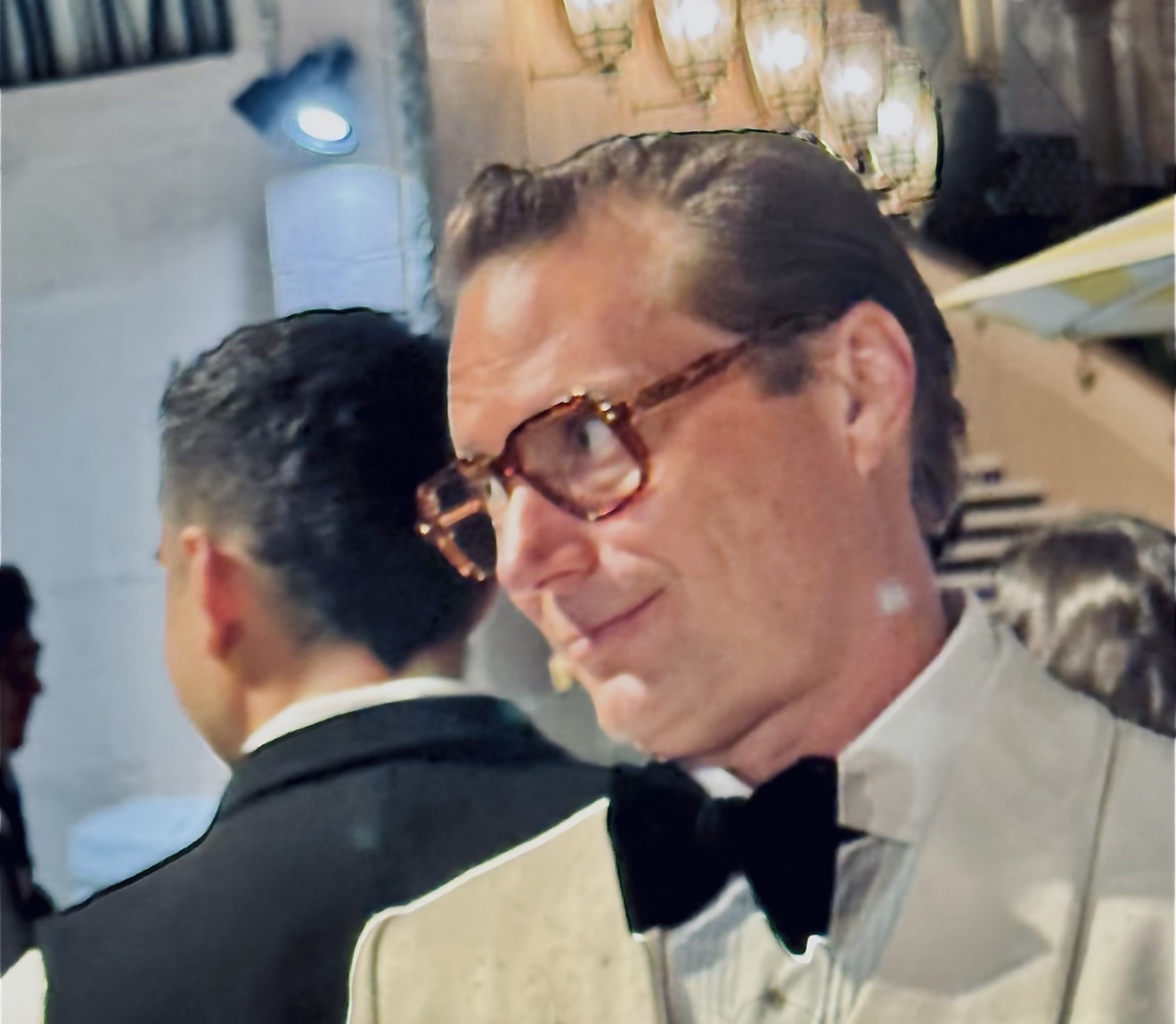
Image: KrisHamburger.com
In the world of commercial insurance, influence rarely comes from flashy announcements. Instead, it is built through trust, disciplined modeling, and long term performance. For Kris Hamburger, that philosophy has guided the rise of Miami based EOS Property and Asset Management, a specialized underwriting platform operating through a co brokerage relationship with Arthur J. Gallagher & Co..
Over the last decade, the insurance industry has undergone steady consolidation among traditional carriers and brokerages. Recently, however, another category has begun drawing attention from investors and insurers alike: managing general agents and managing general underwriters.
These entities, often referred to as MGAs or MGUs, hold delegated underwriting authority from insurers, allowing them to evaluate risk, structure policies, and manage portfolios in ways traditional insurance operations often cannot.
According to Hamburger, that shift is not accidental.
“There is a lot of interest right now in acquiring MGAs and MGUs because they sit at the intersection of modeling, underwriting authority, and long term relationships with reinsurers,” he explains. “But there are very few groups that actually know how to aggregate risk properly.”
By Hamburger’s estimate, only a small number of firms nationwide truly operate at scale in this niche.
“It used to be maybe eight groups in the country that really understood this,” he says. “Today there might be thirteen or fourteen.”
That scarcity has turned specialized underwriting platforms into strategic assets in a rapidly evolving insurance landscape.
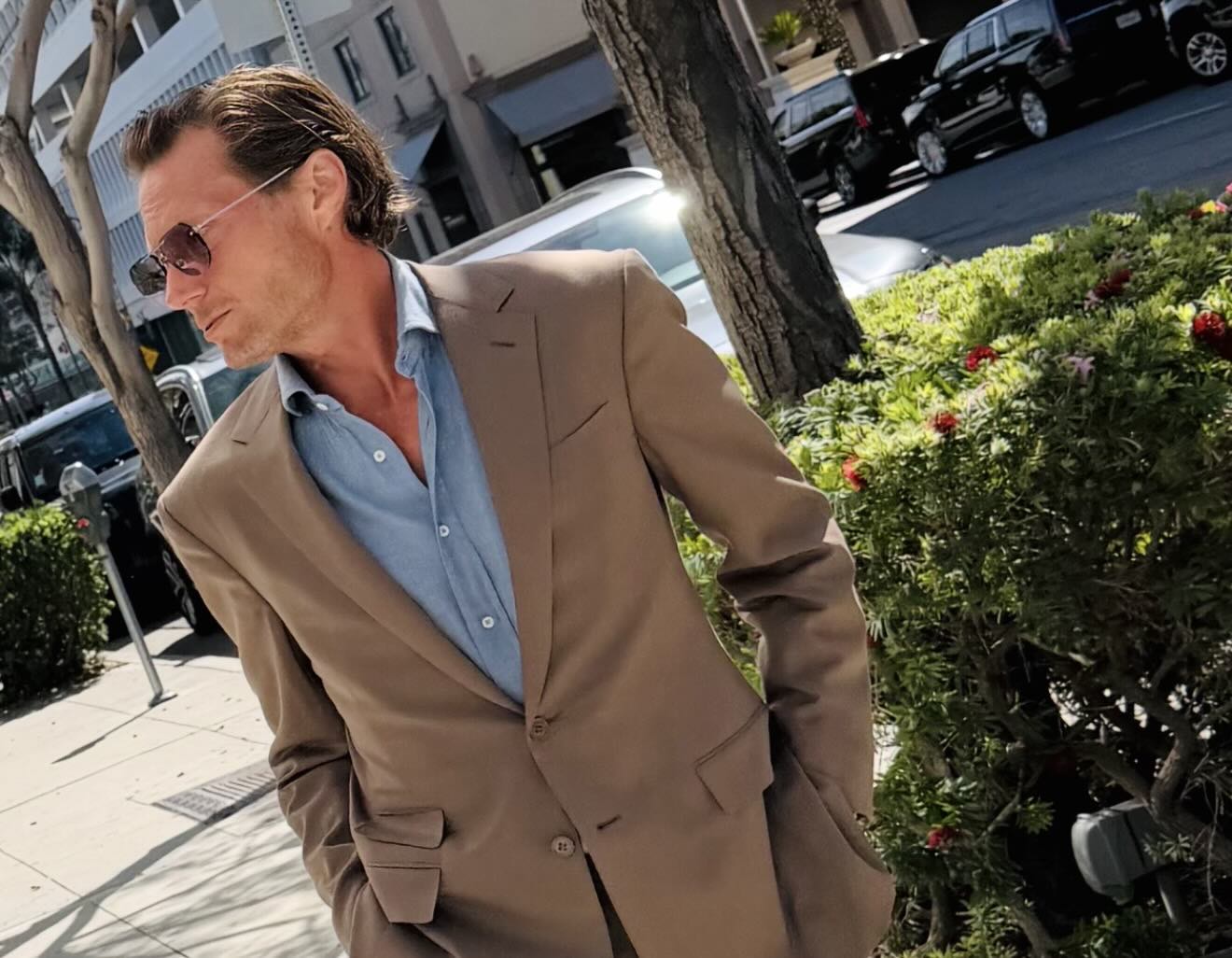
Image: KrisHamburger.com
The Trust Factor
While technology and modeling software play a role, Kris Hamburger argues the most important asset in insurance aggregation is trust.
Platforms like EOS rely heavily on relationships with insurers and reinsurers both in the United States and international markets such as London. Those relationships take years to build and even longer to prove.
“Trust is everything in this space,” Hamburger says. “You are asking carriers and reinsurers to rely on your understanding of risk modeling, your underwriting discipline, and your ability to avoid adverse selection.”
Adverse selection, a persistent challenge in insurance markets, occurs when insurers unknowingly assume the riskiest portion of a portfolio while the safer assets remain elsewhere.
Hamburger believes many programs fail precisely because they ignore that principle.
“If someone comes to you with hundreds of millions of dollars in property, but they only want to give you the worst pieces first, that is a problem,” he says. “You need the right spread of risk. Without that, the program eventually collapses.”
Avoiding that trap has been central to EOS’s long term performance.
Over the past decade, the platform has maintained consistent underwriting discipline, carefully selecting portfolios and clients that align with its modeling assumptions. That approach has allowed the firm to remain profitable while navigating major events such as windstorms and wildfire related claims.
The Early Gamble
Ironically, Hamburger says the greatest risk in launching EOS was not underwriting exposure but convincing insurance carriers to trust a new model.
“The biggest risk we faced was the carriers taking a chance on our approach,” he says.
From the outset, Miami Beach-based EOS emphasized partnership longevity and disciplined underwriting rather than aggressive expansion.
The strategy appears to have paid off. Many of the firm’s partners have remained involved since the program’s earliest years, creating long term stability that is rare in insurance markets.
“That consistency matters,” Hamburger says. “When people stay in a program for six or seven years on average, it tells you the model works.”

Image: KrisHamburger.com
A Market Moving Toward Quality
As the insurance industry adjusts to climate risk, inflation, and global capital shifts, Hamburger believes the market is increasingly rewarding programs that prioritize disciplined underwriting.
He describes the trend as a “flight to quality.”
EOS initially focused on commercial office and warehouse assets, property classes that typically present fewer risk variables than other segments.
“Those buildings are often empty half the day and are typically built with more durable materials,” he explains.
Over time the platform expanded into multifamily housing, temporarily exiting the sector before returning several years later with a revised approach that emphasized stronger policy structures and improved coverage forms.
For Hamburger, the evolution reflects a broader shift in the industry.
“The market is demanding better forms, better modeling, and more accountability,” he says.
Programs capable of delivering those elements are increasingly valuable in a sector where risk tolerance is shrinking.
Looking Ahead in Miami, Florida
As consolidation accelerates across insurance and reinsurance markets, Hamburger believes specialized underwriting platforms will play an even larger role.
The reason is simple: they sit at the center of a complex ecosystem that includes brokers, property owners, lenders, insurers, and reinsurers.
When the model works, the entire chain benefits.
“In the end, this business is about understanding where risk lives,” Hamburger says. “If you can do that consistently, everything else tends to follow.”