
 Will Jones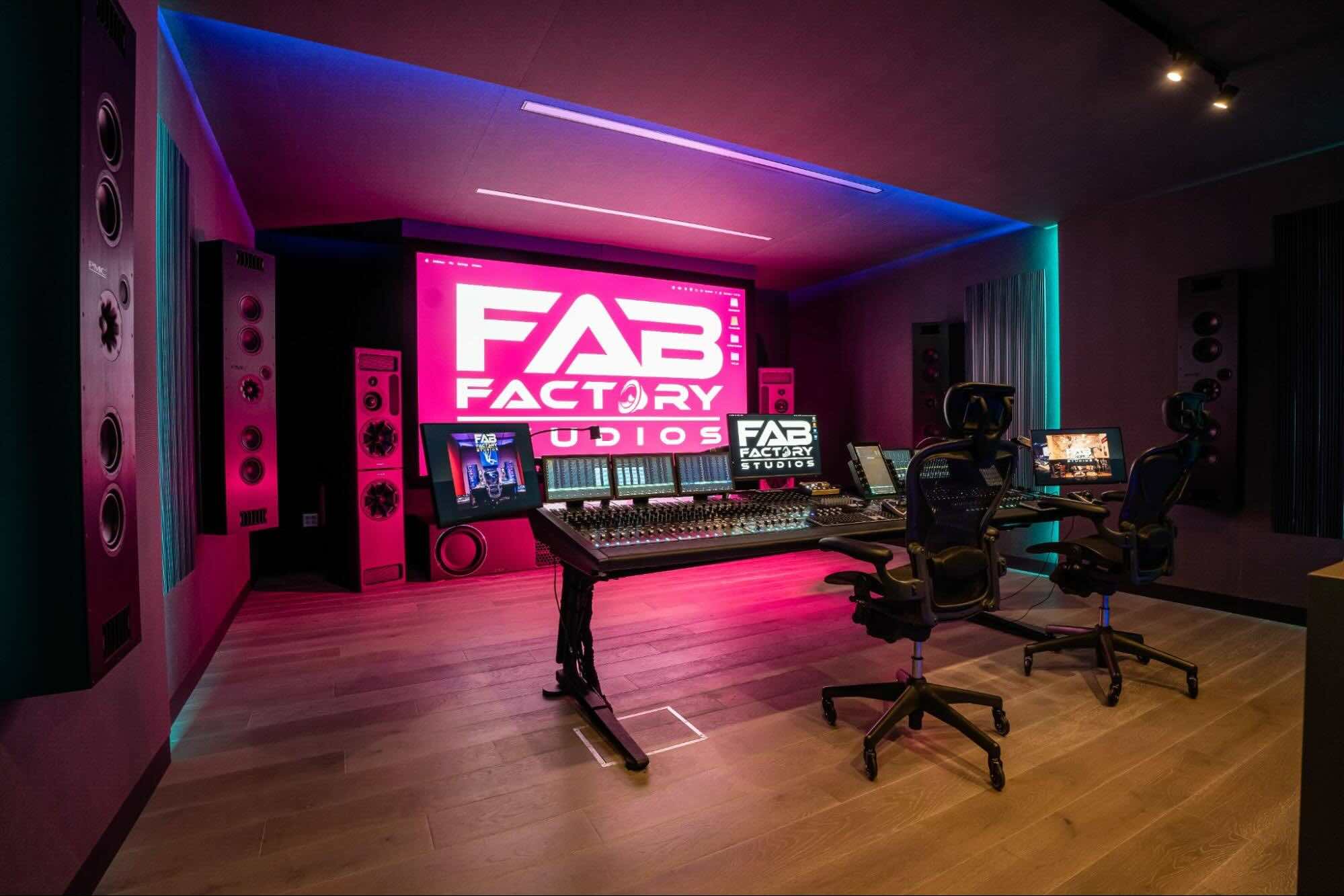
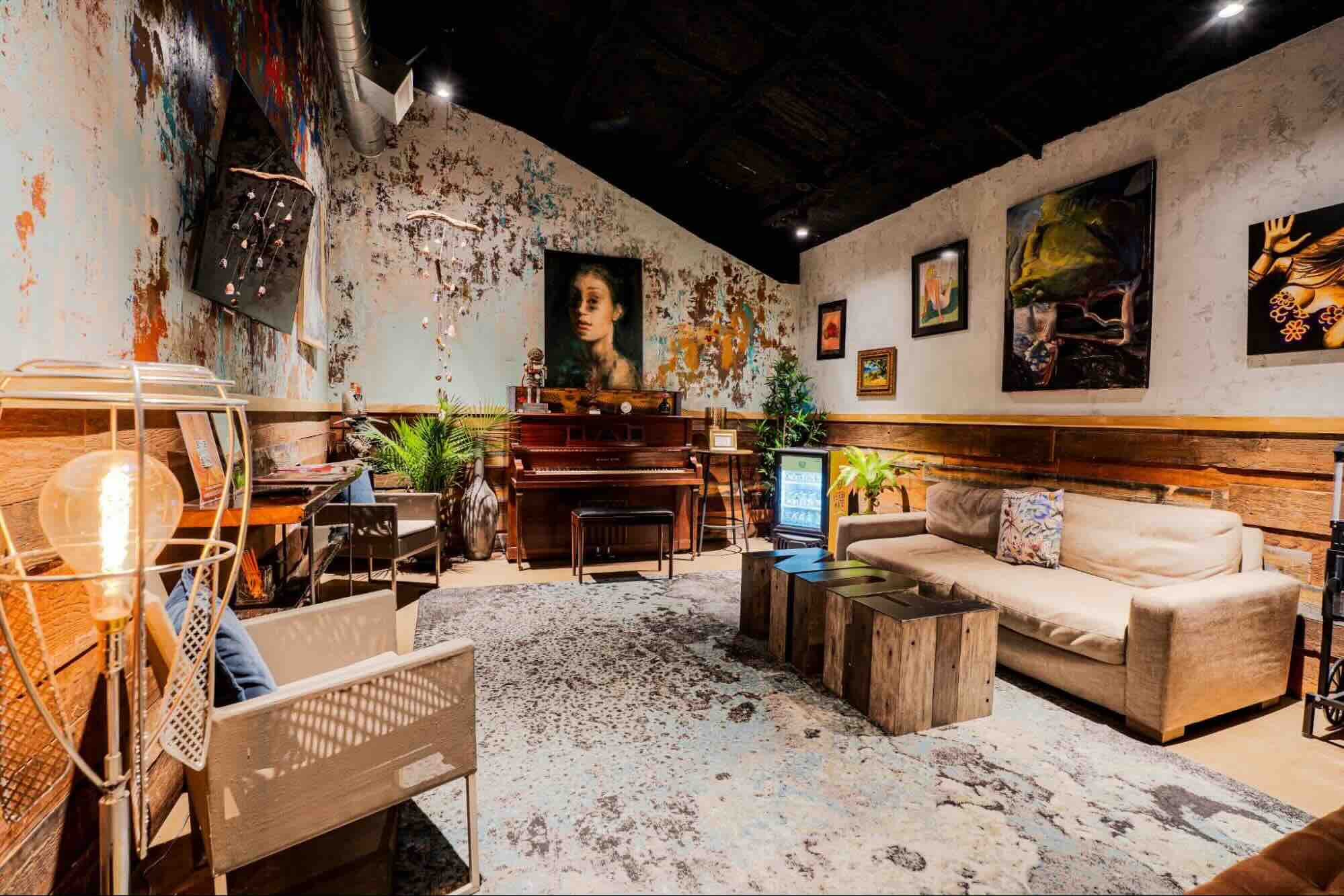
There is a mural of Rick and Morty on a wall inside Fab Factory Studios, rendered top to bottom in the kind of detail usually reserved for gallery walls, not recording studios. A few steps away hang pieces of art that, depending on who you ask, are worth more than some people’s houses. Down another hallway sits a 1969 Steinway Model D grand piano next to a vintage SSL console. It would be easy to mistake the place for a museum that happens to have a control room, or a nightclub that happens to have vocal booths. That, according to the man who built it, is precisely the point.
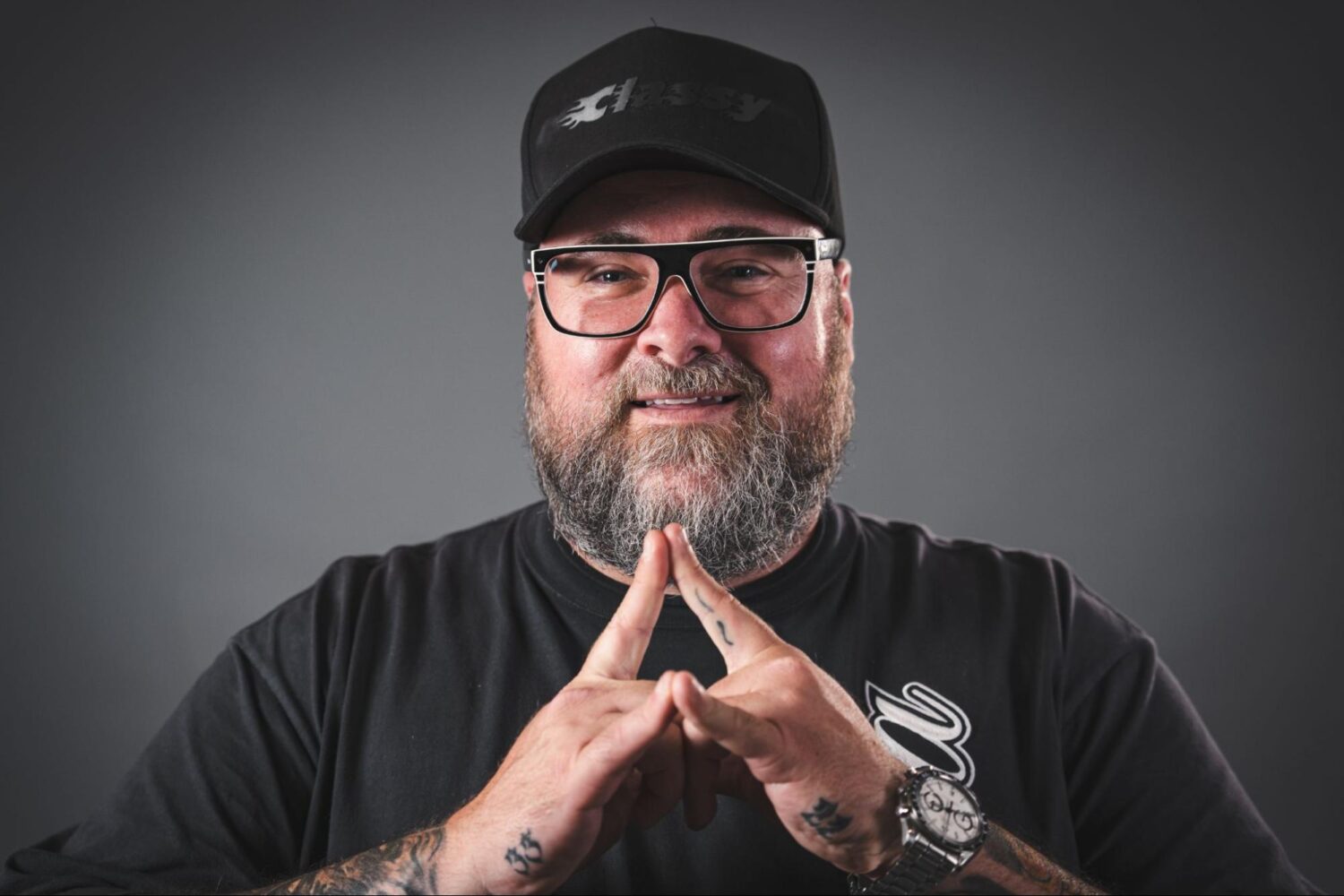
“We don’t sell studios here, we sell vibes,” says Shaun Fabos, CEO and co-owner of Fab Factory Studios, the sprawling North Hollywood recording and content compound he runs with his father, Steven. “This is a campus for creatives. A one-stop shop for artists.”
That phrase — campus — is not marketing shorthand. It is the operating philosophy behind what has quietly become one of the most talked-about creative facilities in Los Angeles, a place where the line between recording studio, art installation, and creative retreat has been deliberately erased. Walking through Fab Factory feels less like touring a business and more like wandering into a real-life Willy Wonka’s Chocolate Factory of creativity — except instead of candy, the product is the music, film, and content pouring out of its dozens of studios, stages, and production suites.
Fabos’s path to building that world started in a much smaller room. He got his start as a Foley artist at a major post-production house, earning a Golden Reel Award nomination for his sound work in film and television, before moving into mixing at Larrabee Studios, the legendary Hollywood facility that shaped generations of hit records. It was there, working alongside veteran engineers and producers, that Fabos began to understand a truth that would define his own studio years later: the equipment matters, but the feeling in the room matters more.
View this post on Instagram
In 2016, Fabos and his father converted a modest, roughly 2,800-square-foot former industrial space in North Hollywood into four recording rooms and opened Fab Factory Studios. What began as a scrappy independent facility has since grown, through steady reinvestment and the acquisition of neighboring properties, into a 40,000-square-foot creative campus on Fulton Avenue — and in 2024, the company expanded further, taking over a 66,000-square-foot former Netflix post-production facility in East Hollywood to house even more studios, sound suites, and event space.
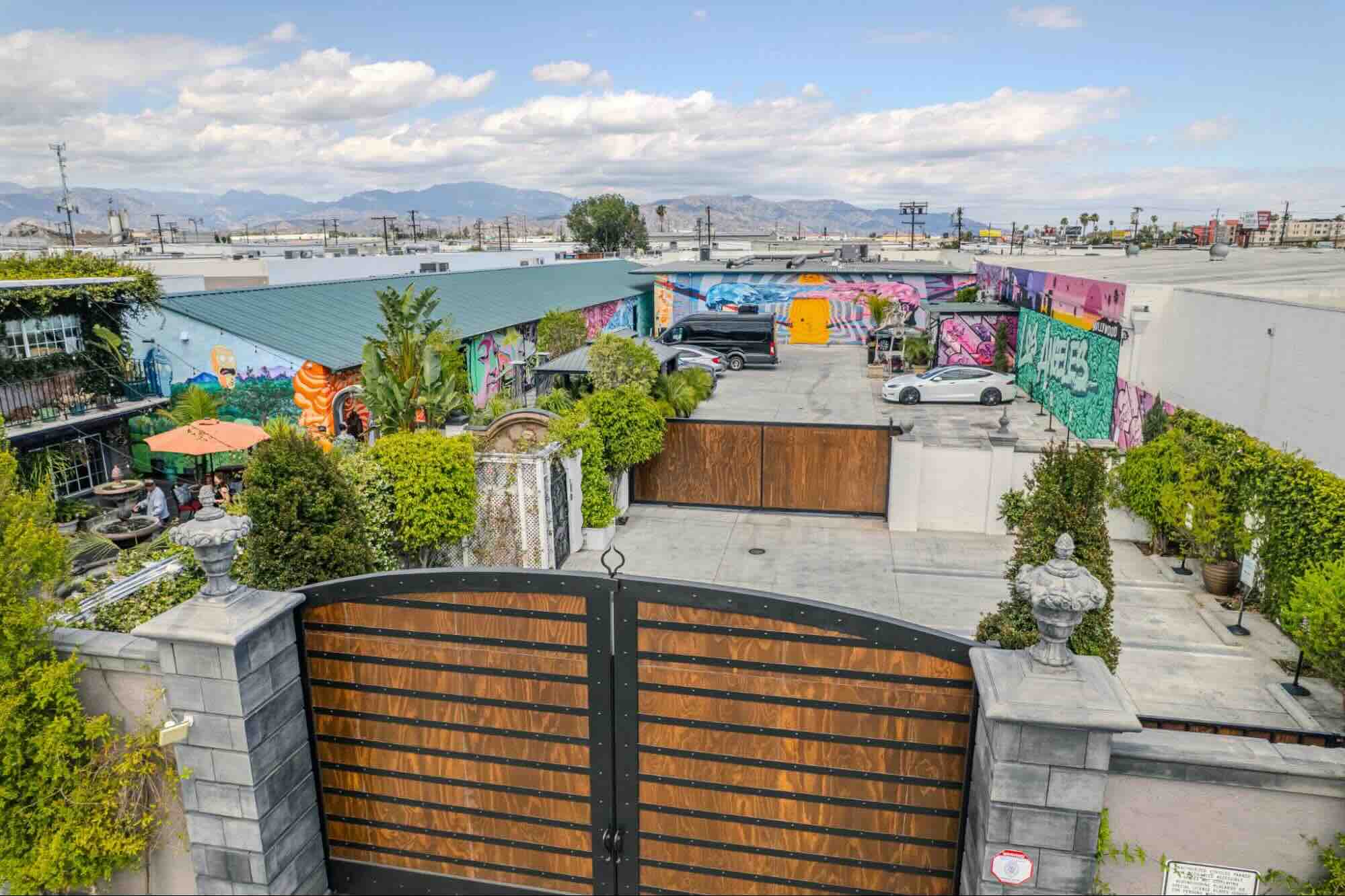
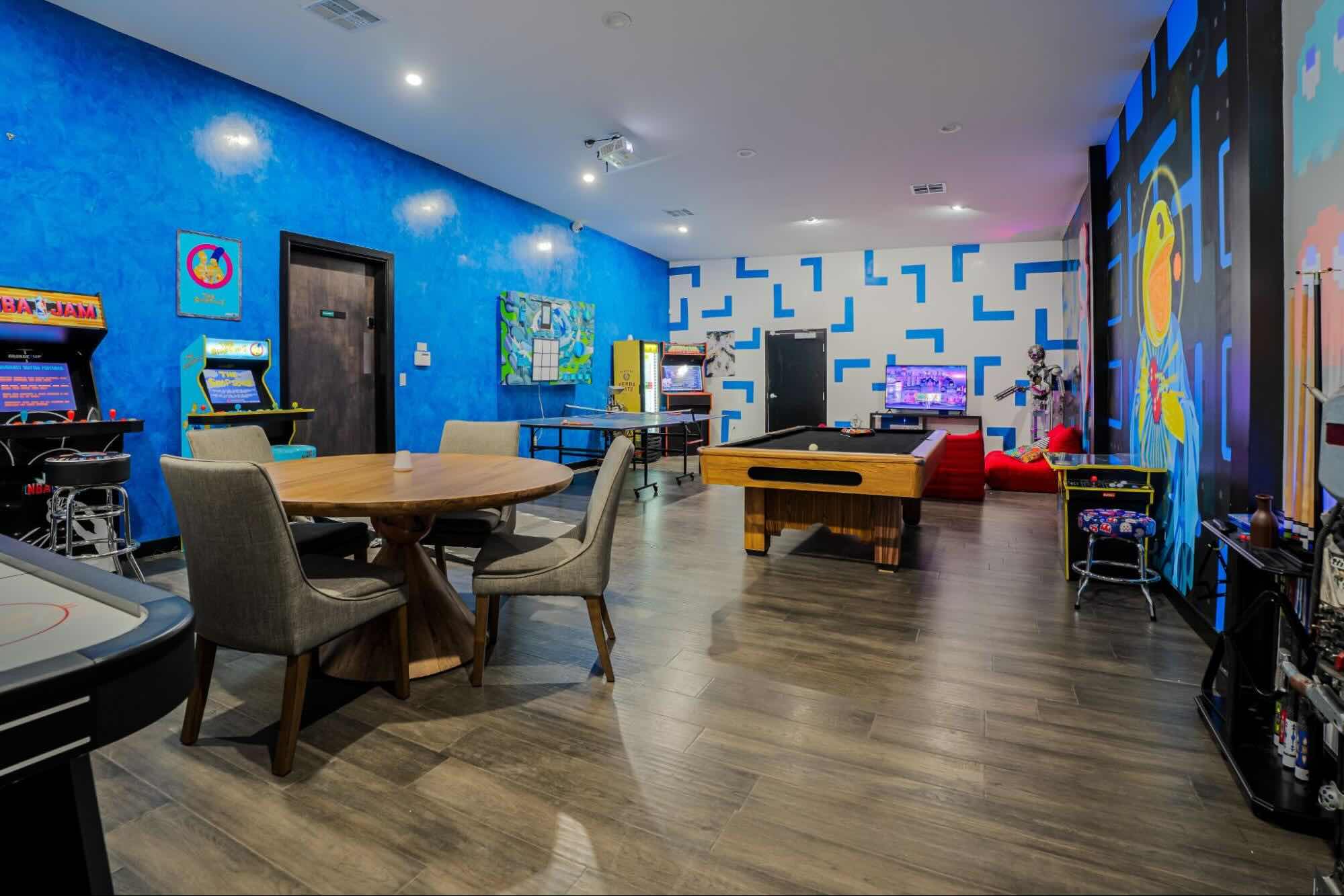
The numbers tell part of the story. The experience tells the rest. Fab Factory’s campus now includes multiple Dolby Atmos mixing stages, a dance studio with sprung floors built for rehearsal, a dedicated podcast and content creation studio, indoor and outdoor event spaces, an industrial kitchen, and lounges scattered throughout the property. Each studio, Fabos says, is curated intentionally rather than furnished off the shelf — a deliberate rejection of the generic black-couch-and-foam-panel look found in so many commercial studios.
“Every space here is meant to evoke something,” Fabos explains. He and his team treat each room, down to the break rooms, as a design problem to be solved: what mood does an artist need to walk into, and what do they need to walk out with. The lounges and common areas in particular are engineered less as waiting rooms than as recovery spaces — places built to help an overworked, creatively depleted brain “reset” before heading back in to write, record, or mix. It’s an approach that treats burnout as a production hazard worth designing against, not an inevitability of the creative process.
That hospitality extends to the industrial kitchen, where Fab Factory bakes fresh batches of chocolate chip cookies every day using a secret family recipe. It’s a small, almost incongruous detail for a facility built around Dolby Atmos stages and vintage consoles, but regulars swear the cookies are reason enough on their own to book a session. It’s also a fitting encapsulation of the whole operation: even the snacks are treated as part of the creative experience, not an afterthought.
That philosophy has attracted a client list that reads like a cross-section of the modern music and entertainment industry. Grammy-winning mixer Dave Pensado has long kept a room at the facility, and artists including Ice Cube, SZA, 50 Cent, will.i.am, and Estelle have all passed through its studios, alongside collaborators like Keith Harris of the Black Eyed Peas, who has credited the space’s atmosphere with directly shaping his creative output. The campus has also hosted large-scale programming, including a multi-day livestreamed event featuring Big Sean and Iggy Azalea. More recently, the Backstreet Boys rented space at Fab Factory to work on new music and rehearse for their ongoing residency at the Sphere in Las Vegas.
For Fabos, the appeal isn’t chasing celebrity for its own sake — it’s building a space serious artists want to return to. He has spoken about seeking out creatives who “respect the space,” and about how word travels: managers and A&R executives often discover Fab Factory first, then bring their artists in, who in turn tell other artists. It’s a slow-build, reputation-driven model in an industry often obsessed with quick wins, but it’s one that has allowed Fab Factory to expand twice in under a decade without losing the intimacy that made it work in the first place.
That ecosystem is already growing past the studio walls. Fabos recently launched Red Slushy Records out of the Fab Factory campus, a label built to draw directly on the production, publishing, and producer relationships already in-house so artists can develop and release music without leaving the building. He’s paired that with a push into merchandise, leading the acquisition of Milkyway Brands and the launch of PRJCT Blanks, an in-house apparel and manufacturing operation that lets artists produce their own merch rather than handing that business off to a label or a licensing company. The through-line is the same one that built the studio in the first place: give artists more ownership of what they make, not less.
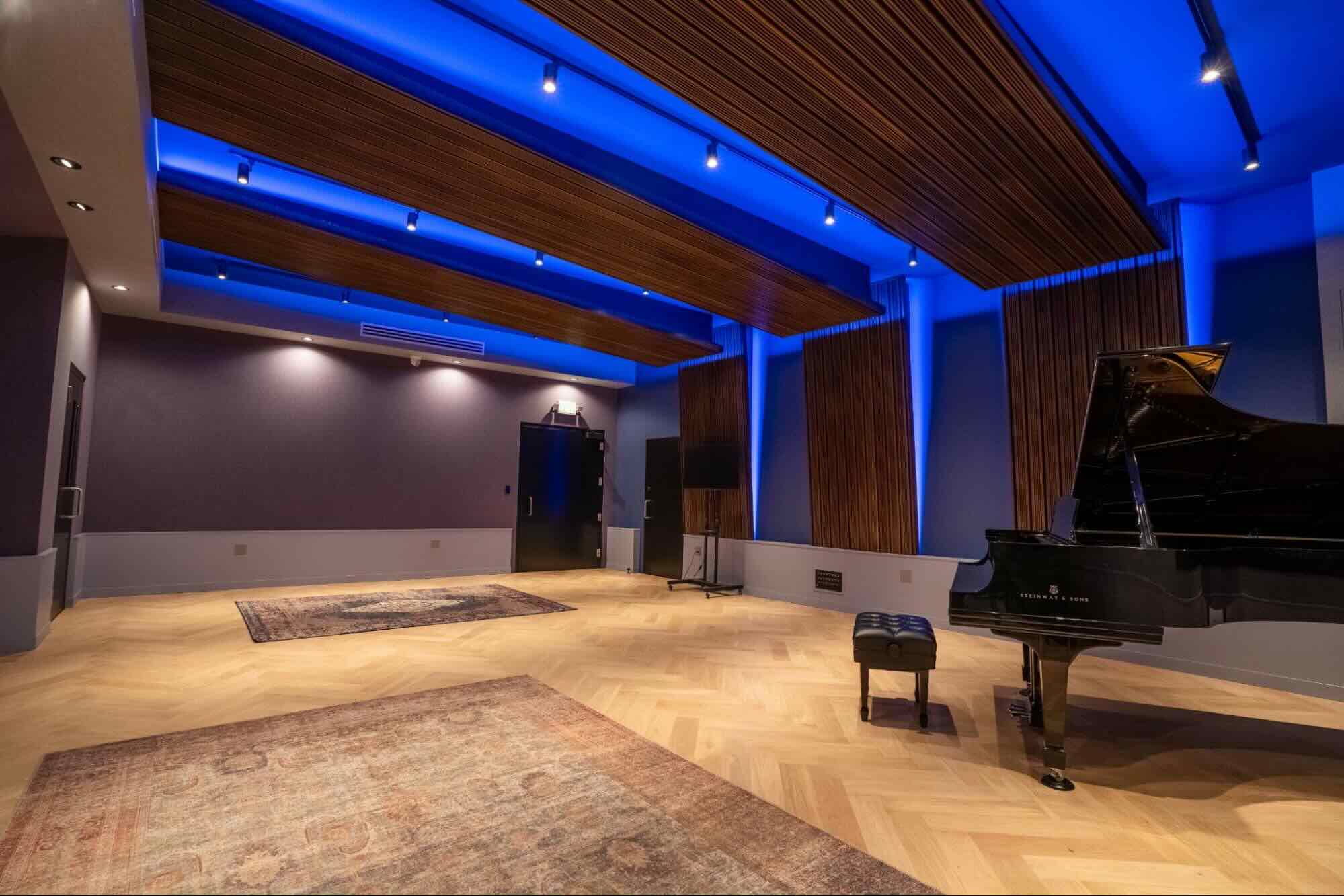
As Los Angeles’s entertainment industry continues to consolidate around a handful of major production hubs, Fab Factory’s bet is that the future belongs to spaces that do more than record sound — spaces that inspire the people making it. Between the murals, the vintage gear, the Atmos stages, and the reset rooms, Shaun Fabos has built something closer to an ecosystem than a business. Ask him what he’s really selling, and he’ll tell you again, plainly: not square footage, not gear lists — vibes. In a city built on the business of creativity, that might be the most valuable commodity of all.
Photo credits: Fab Factory Studios