Mark Stefanos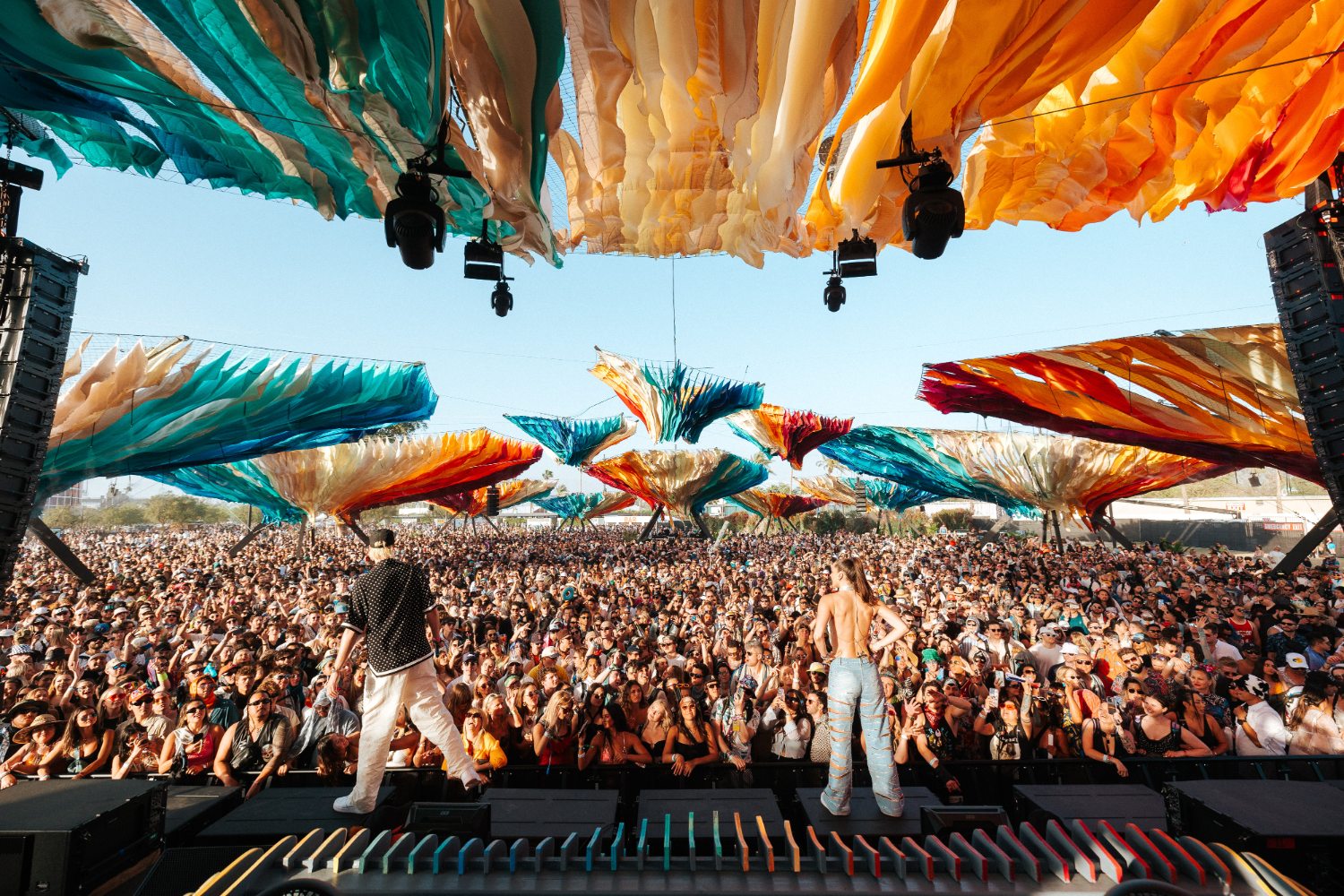
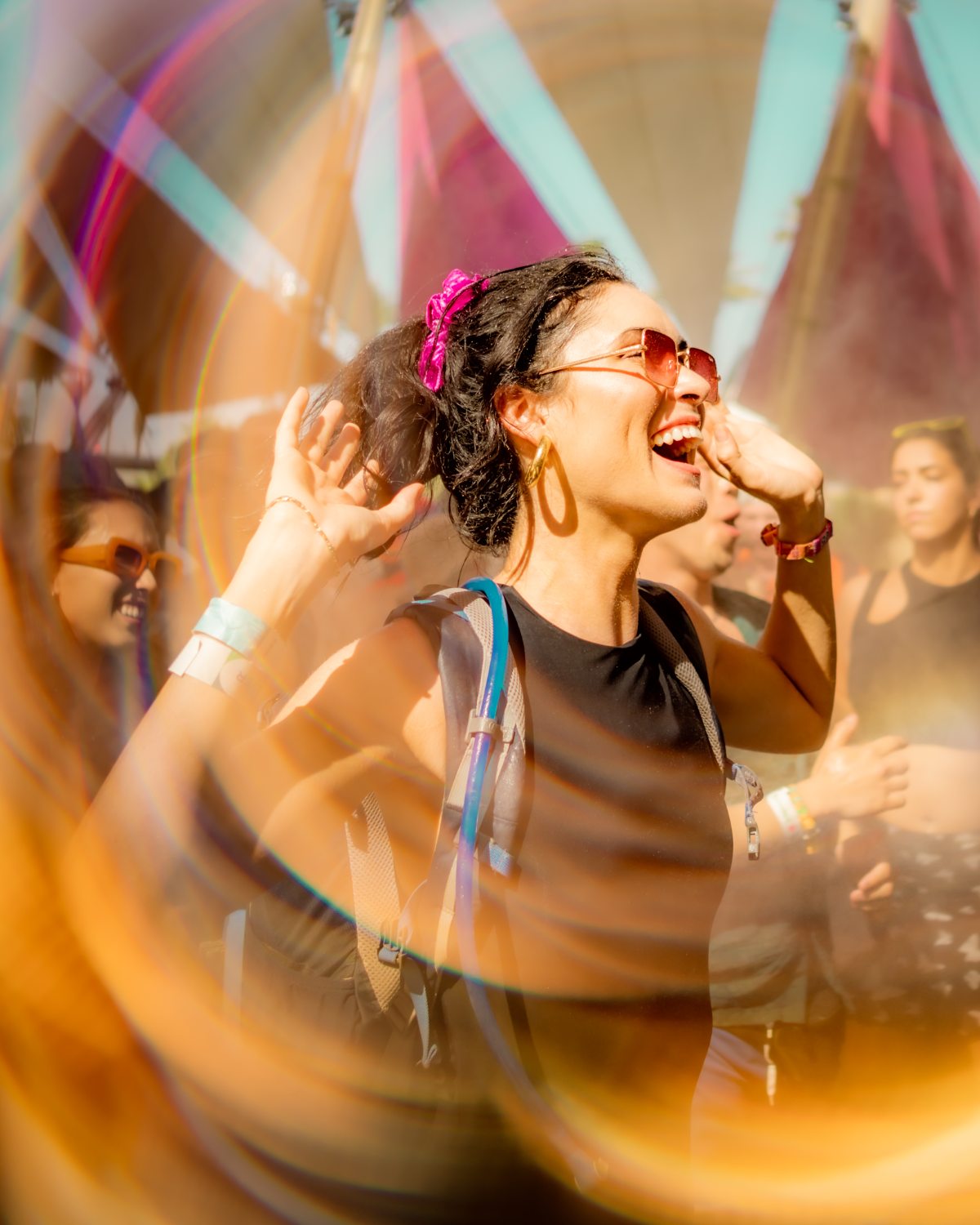
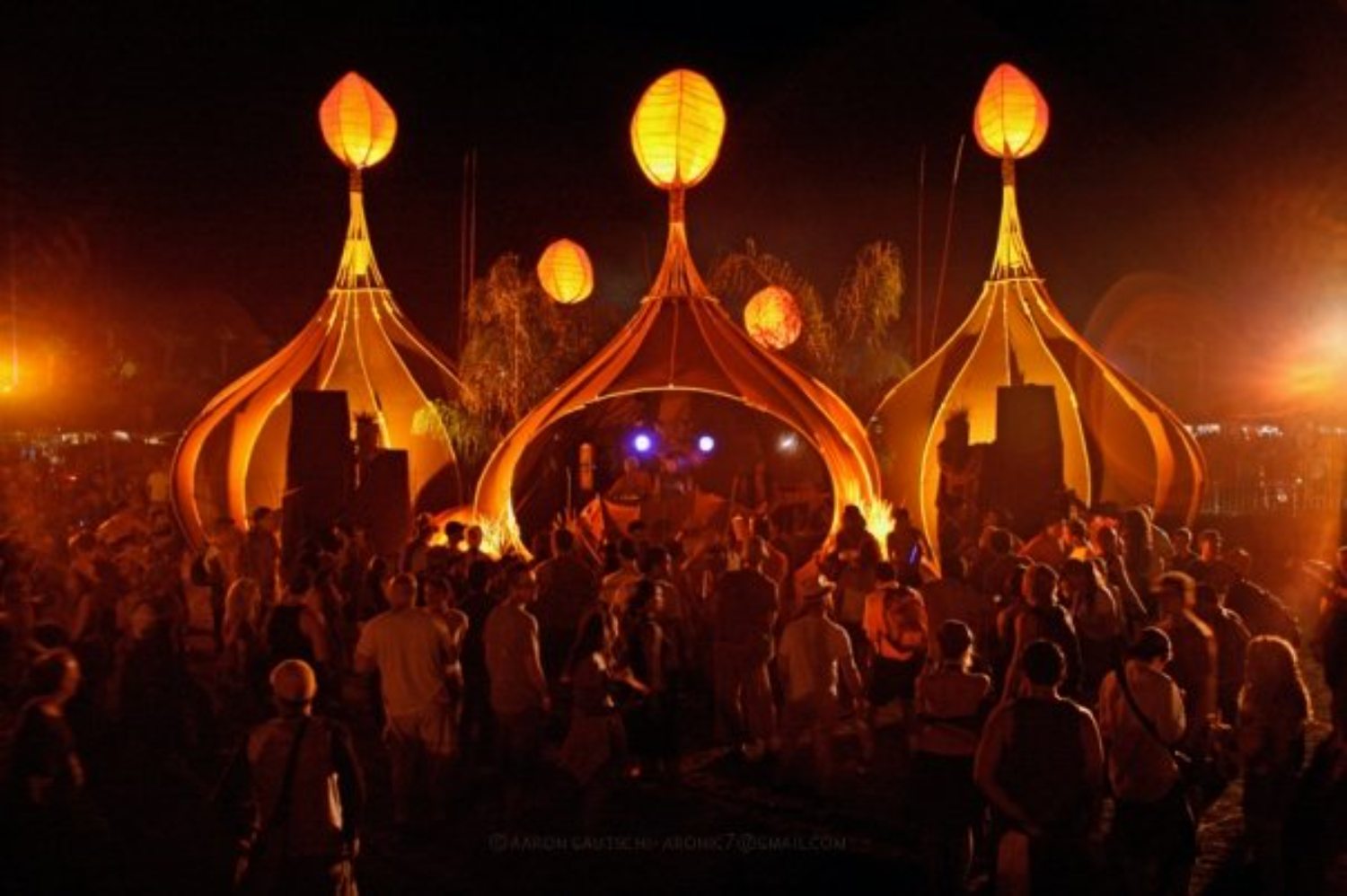
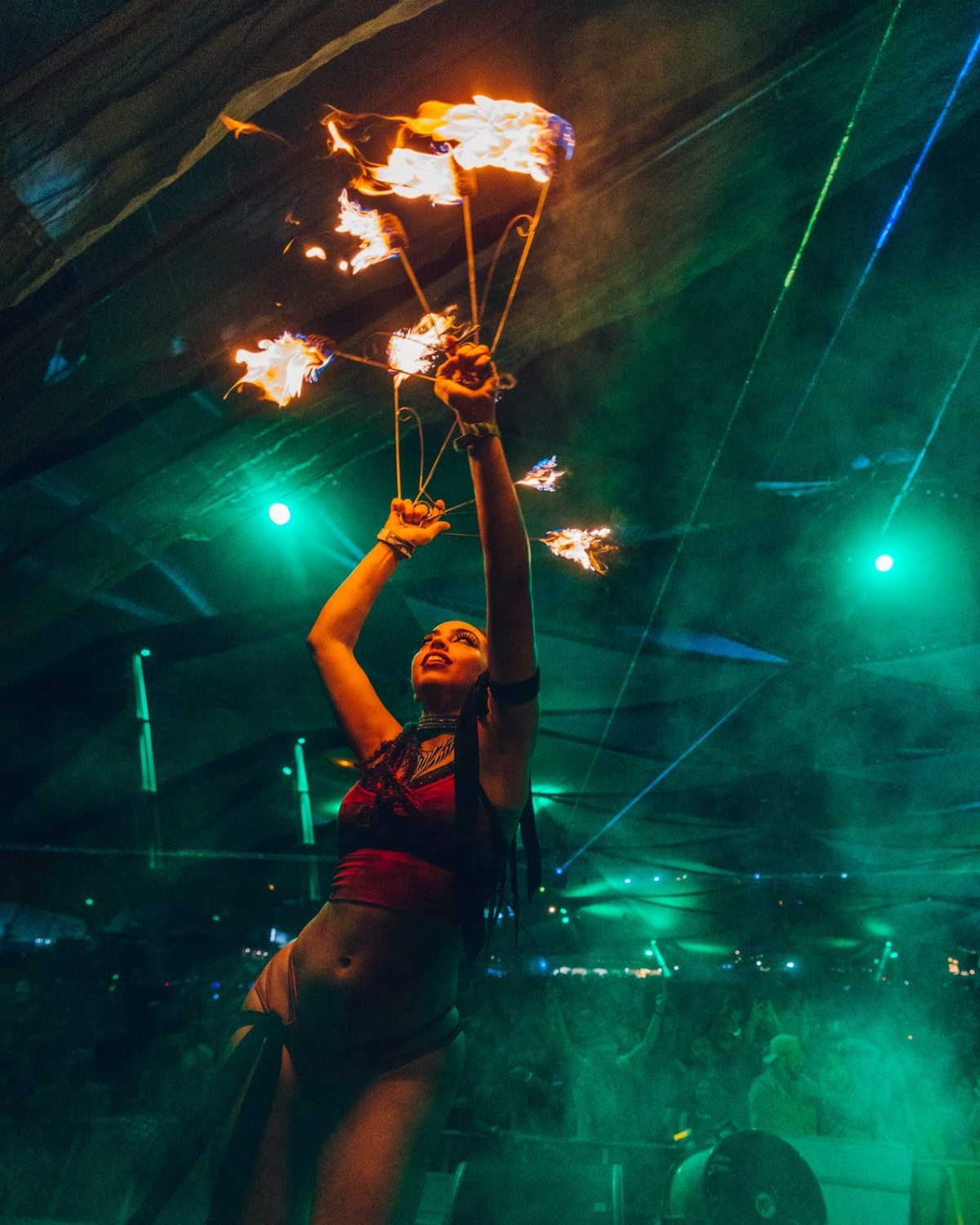
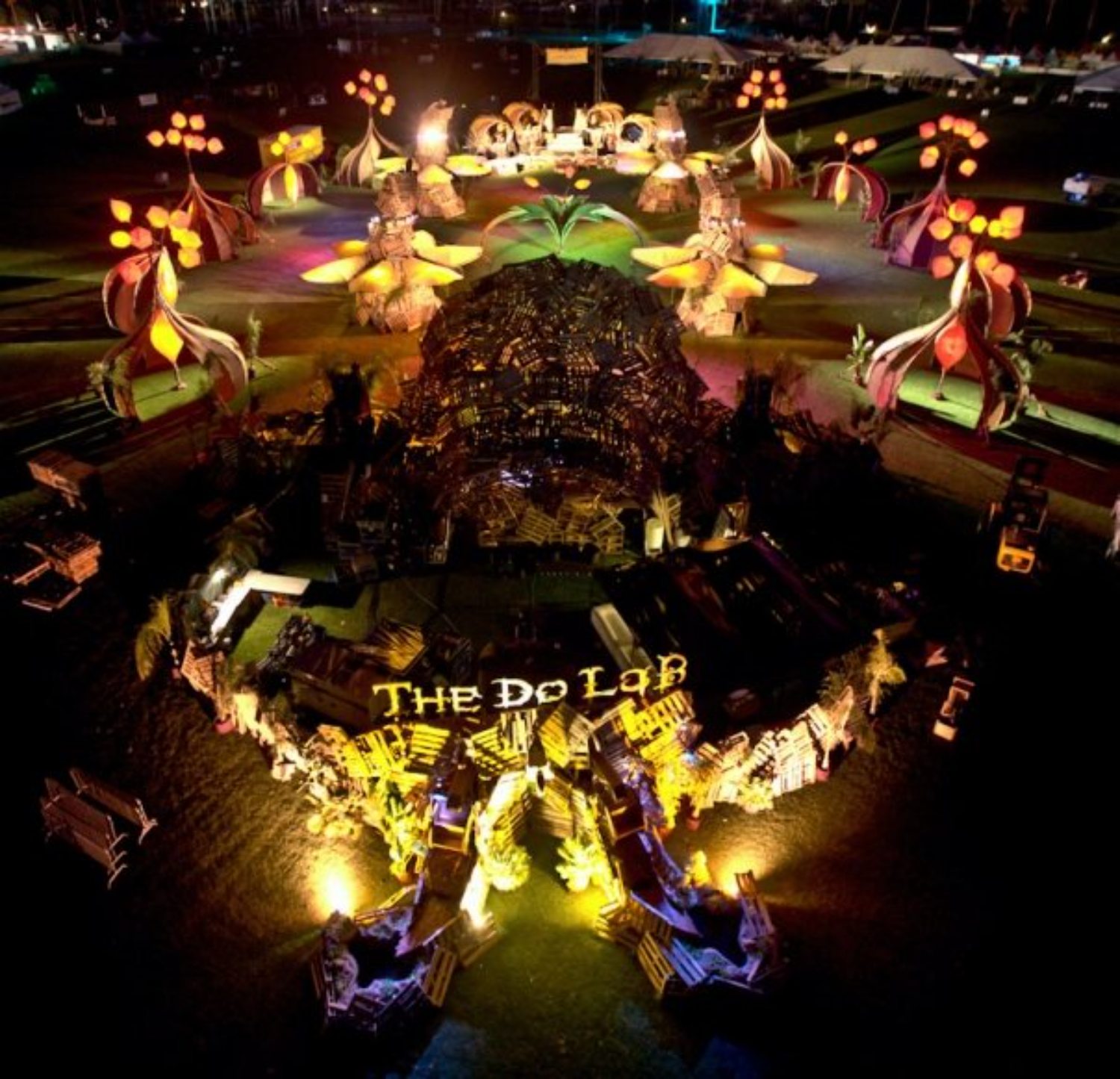
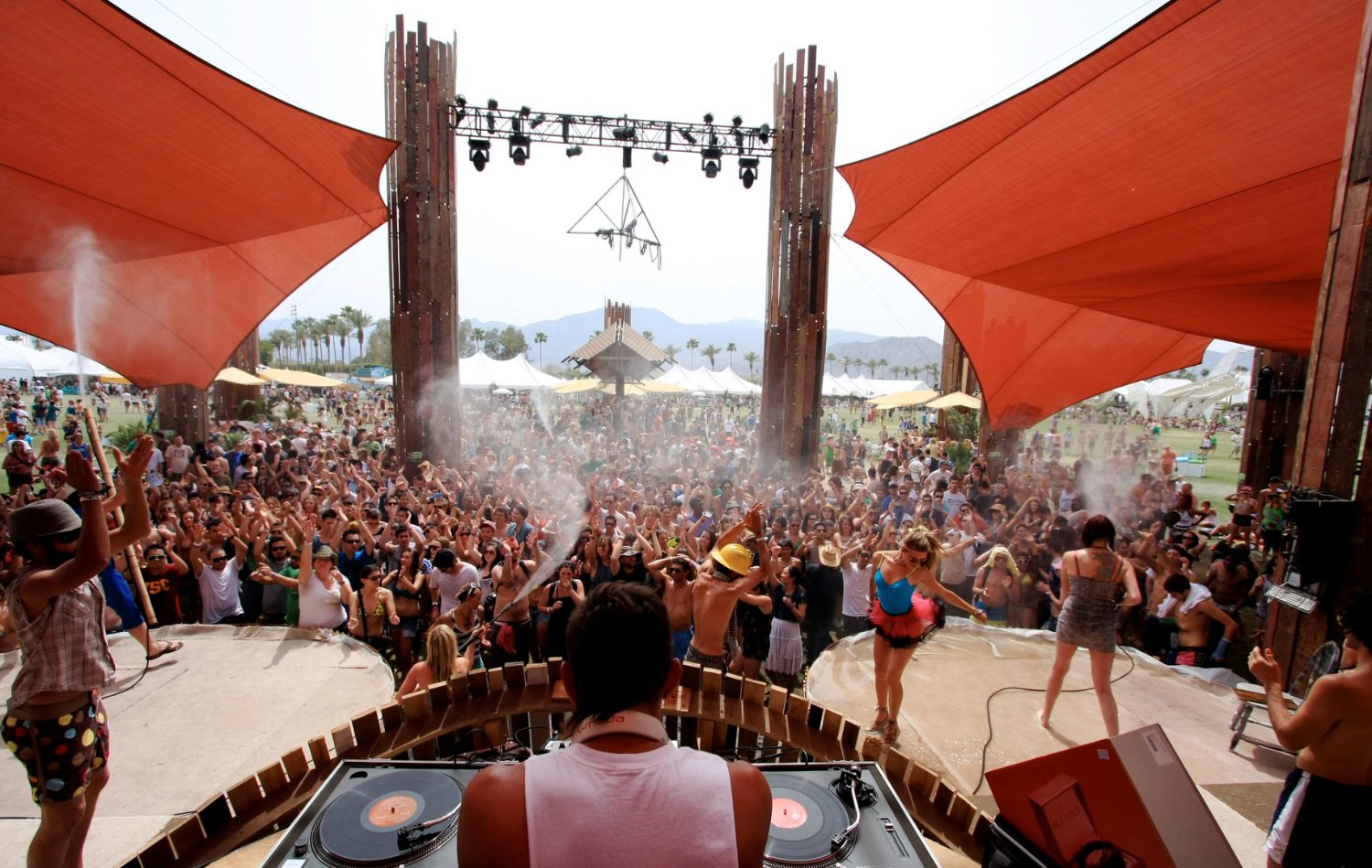
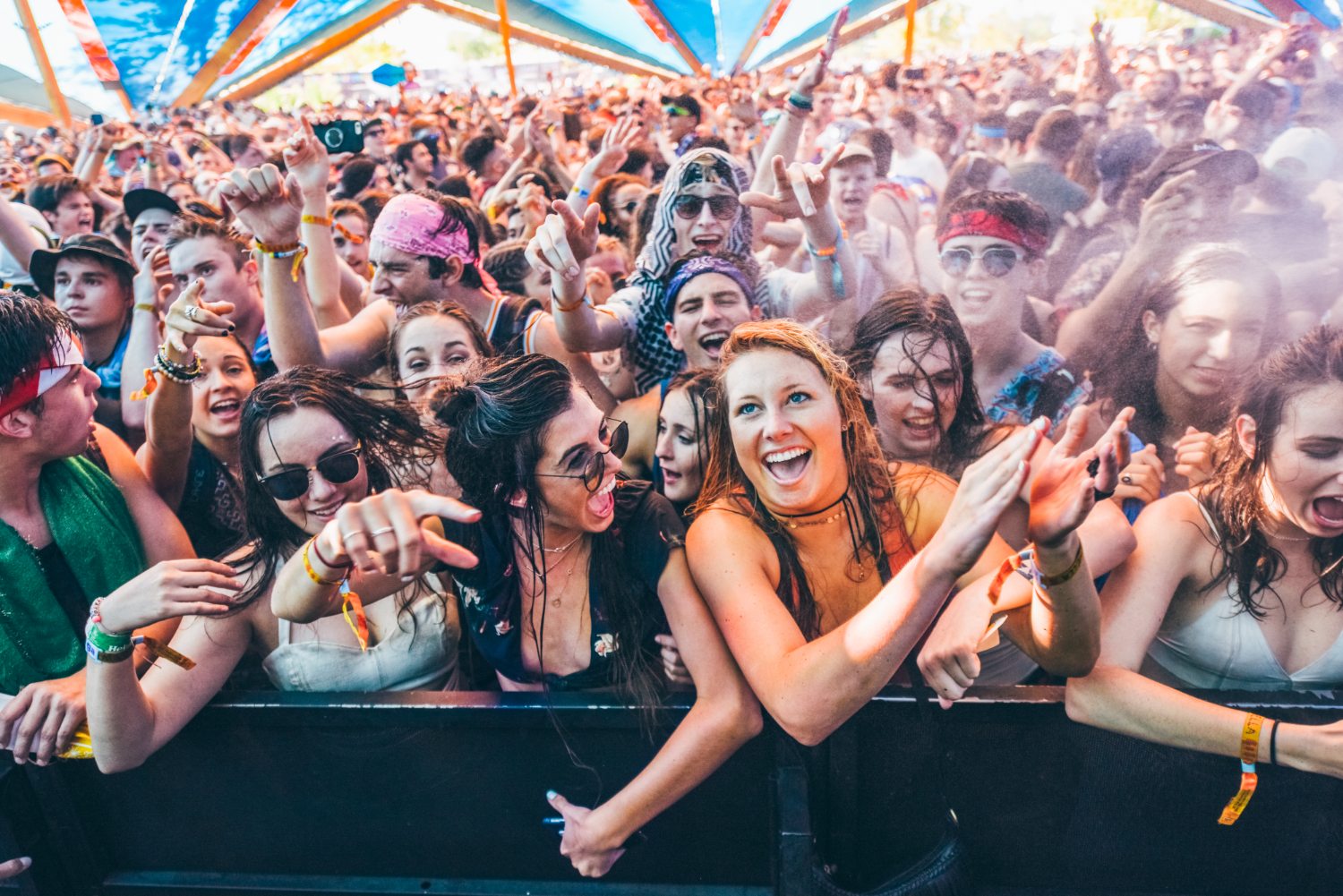
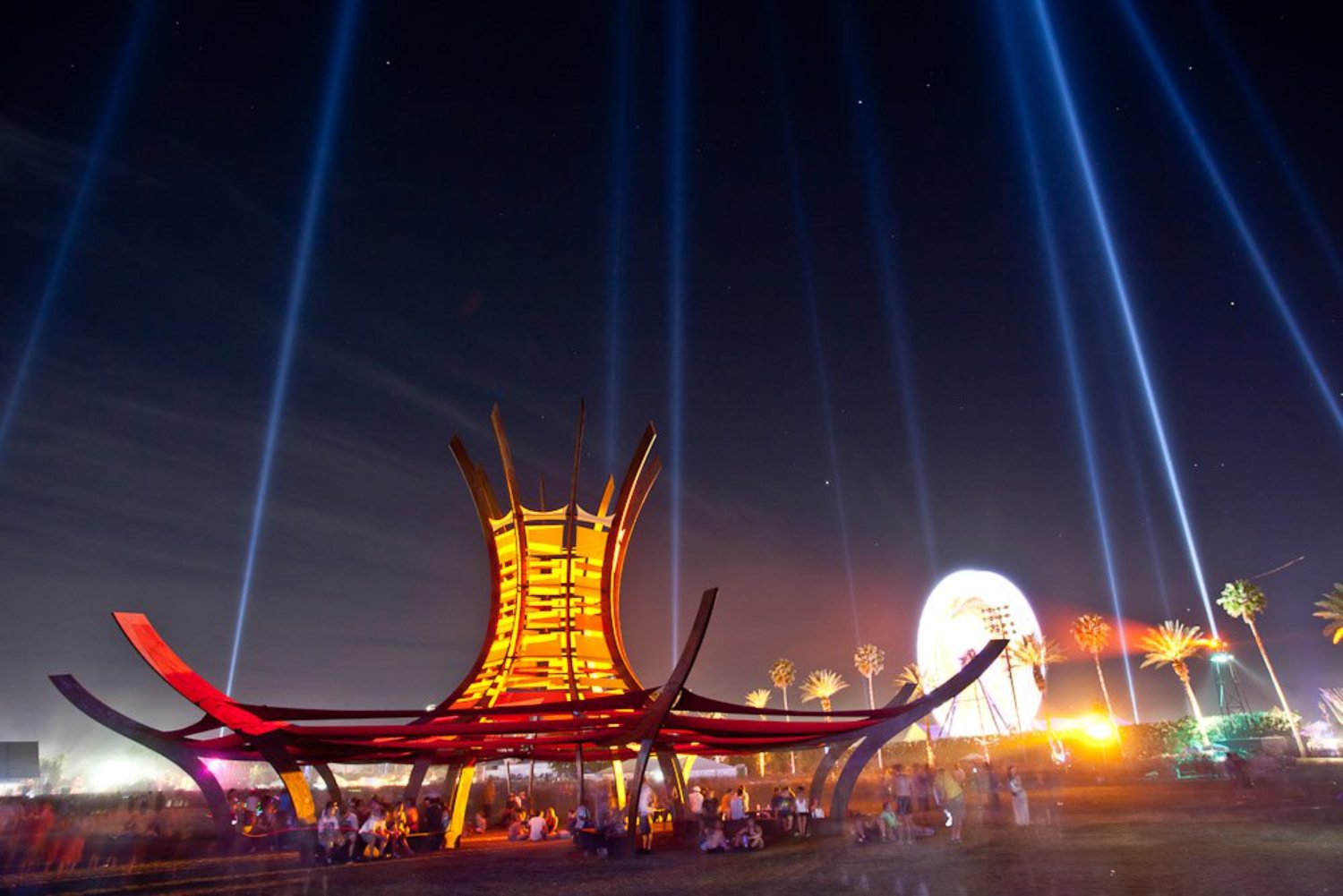
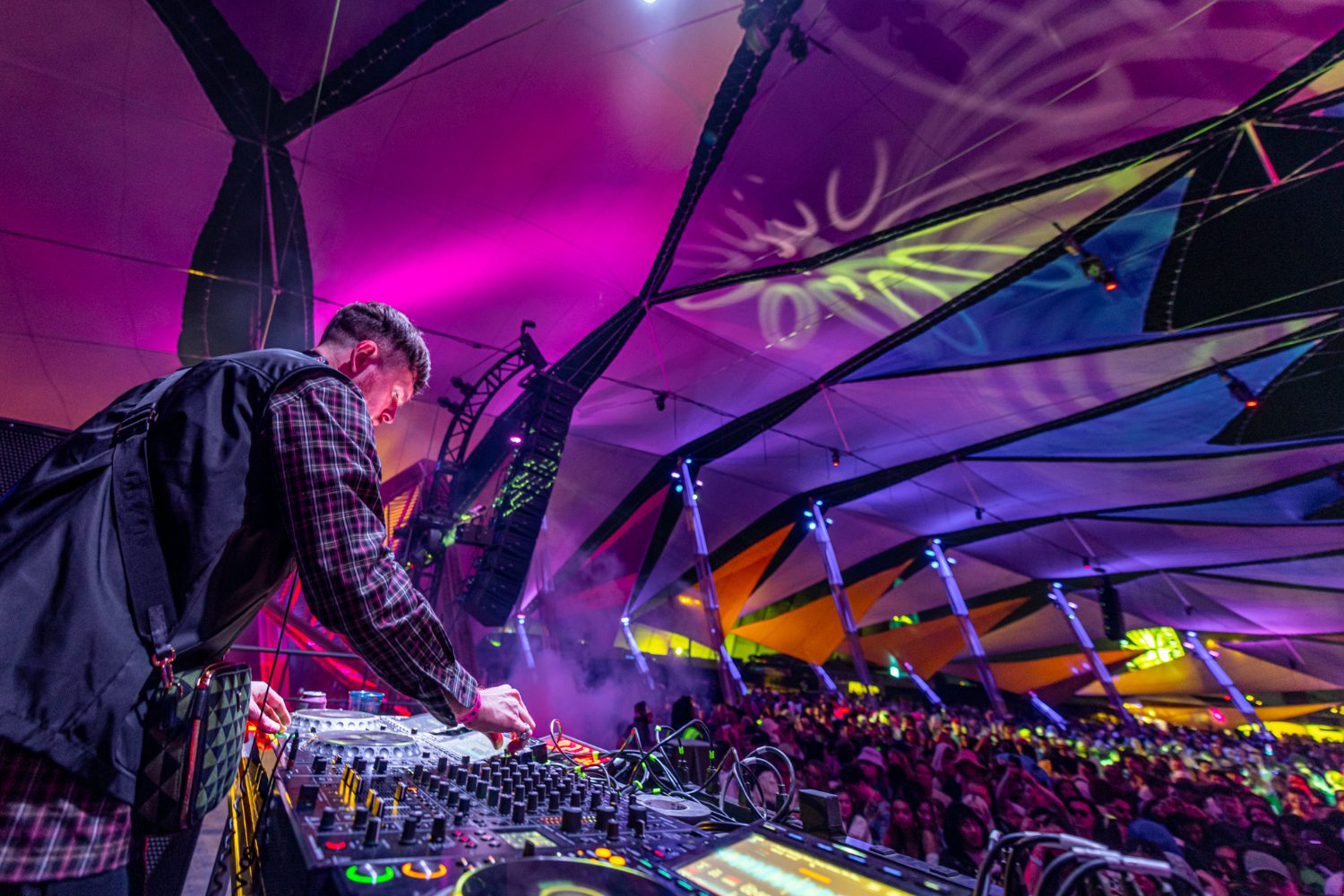
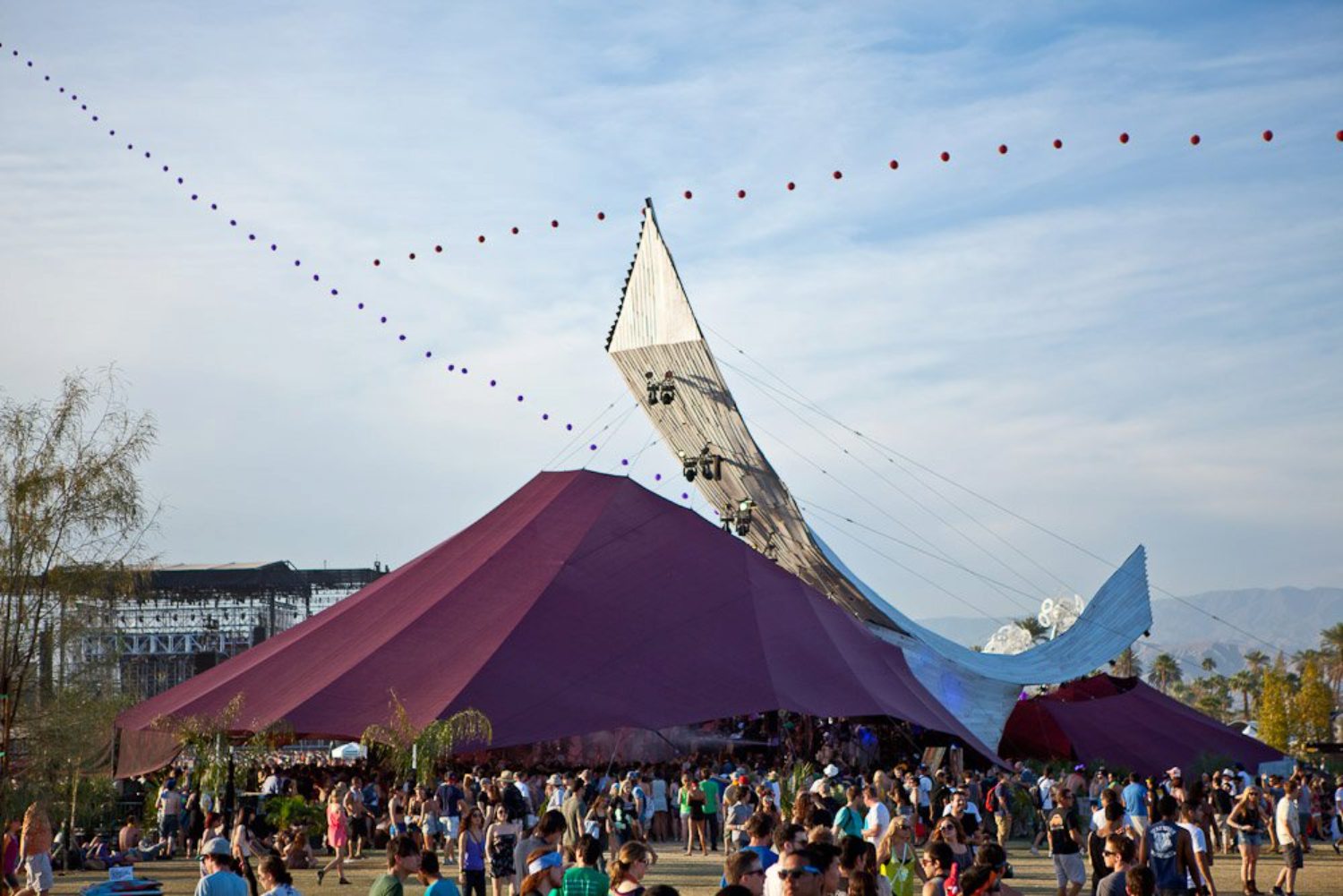
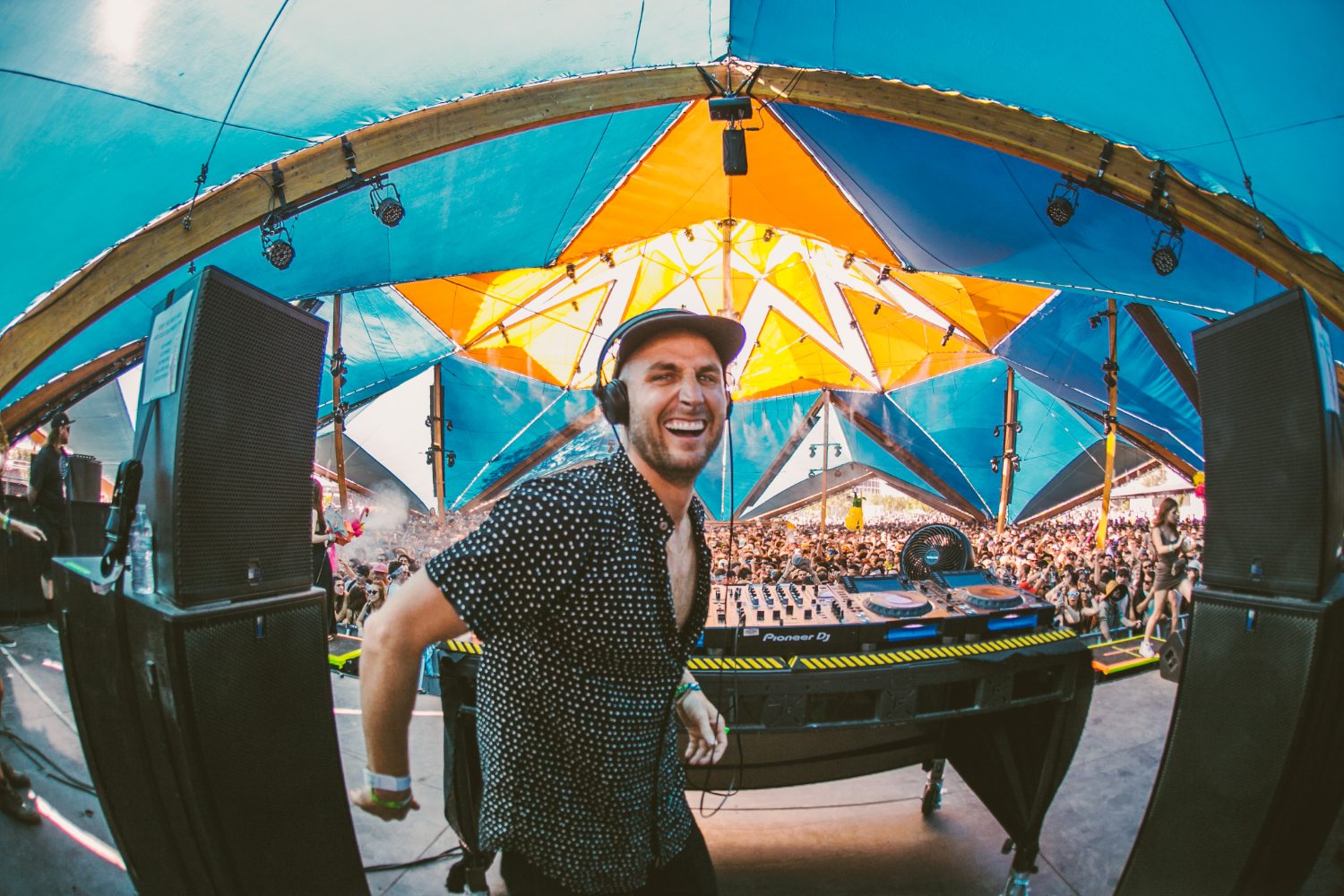
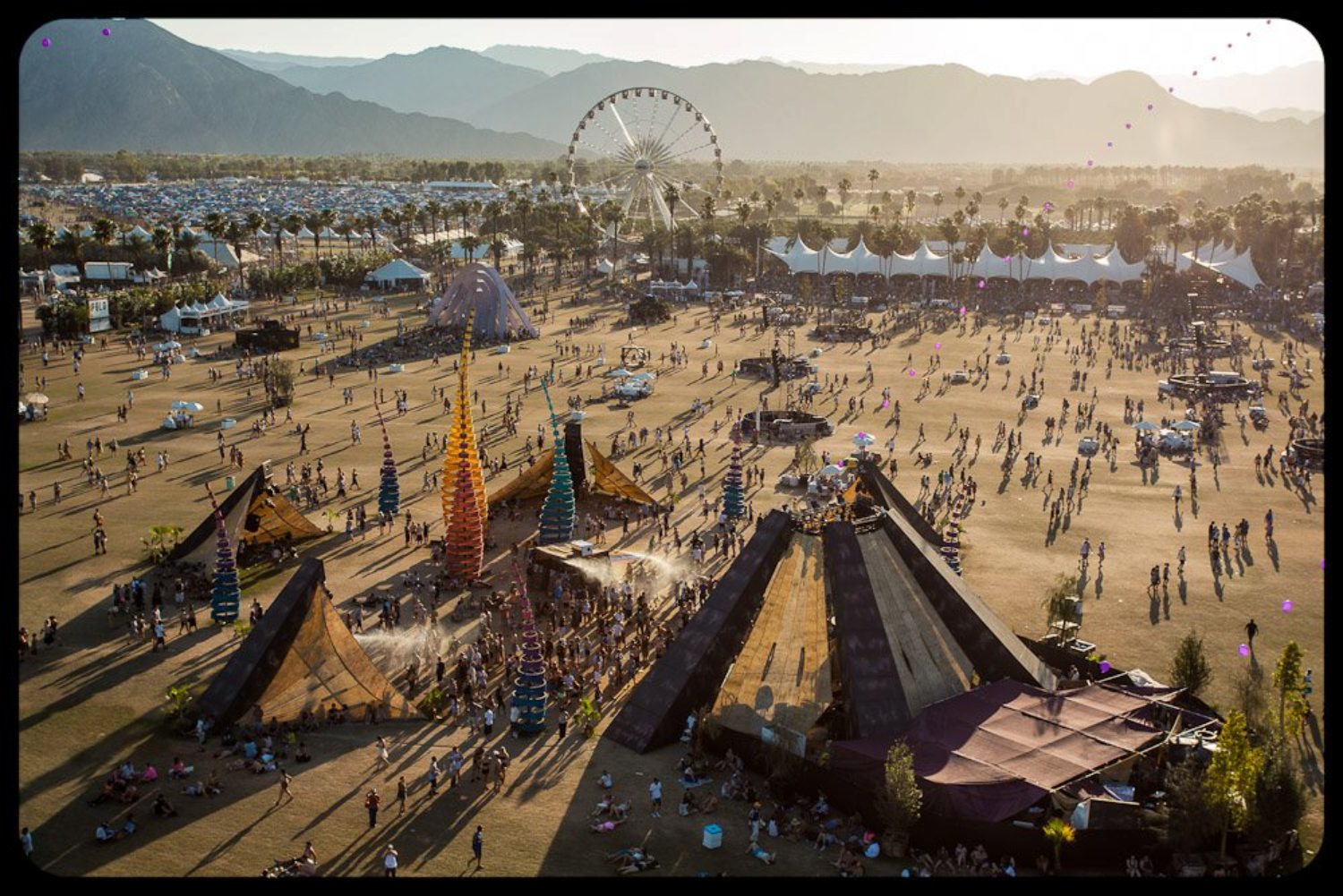
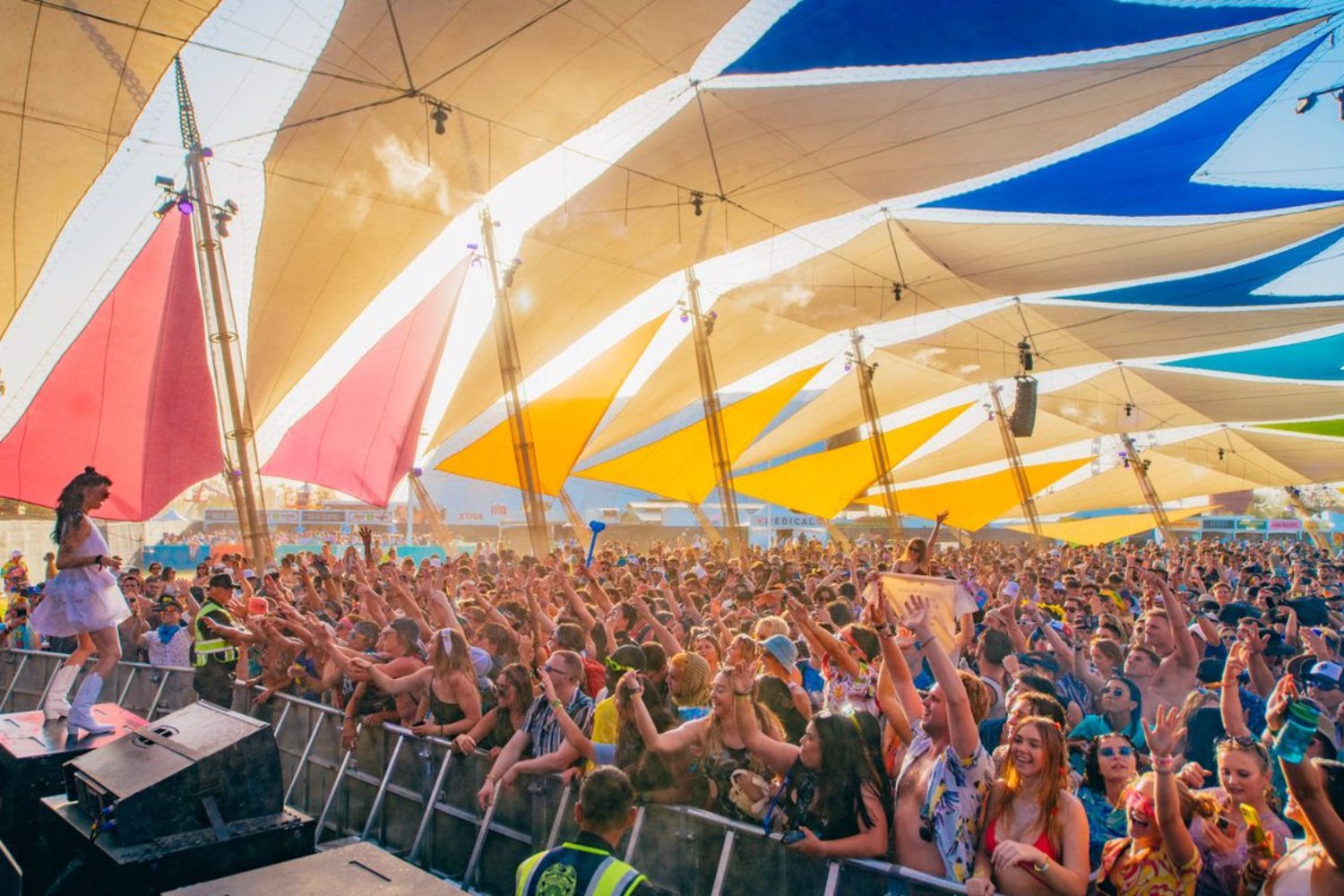
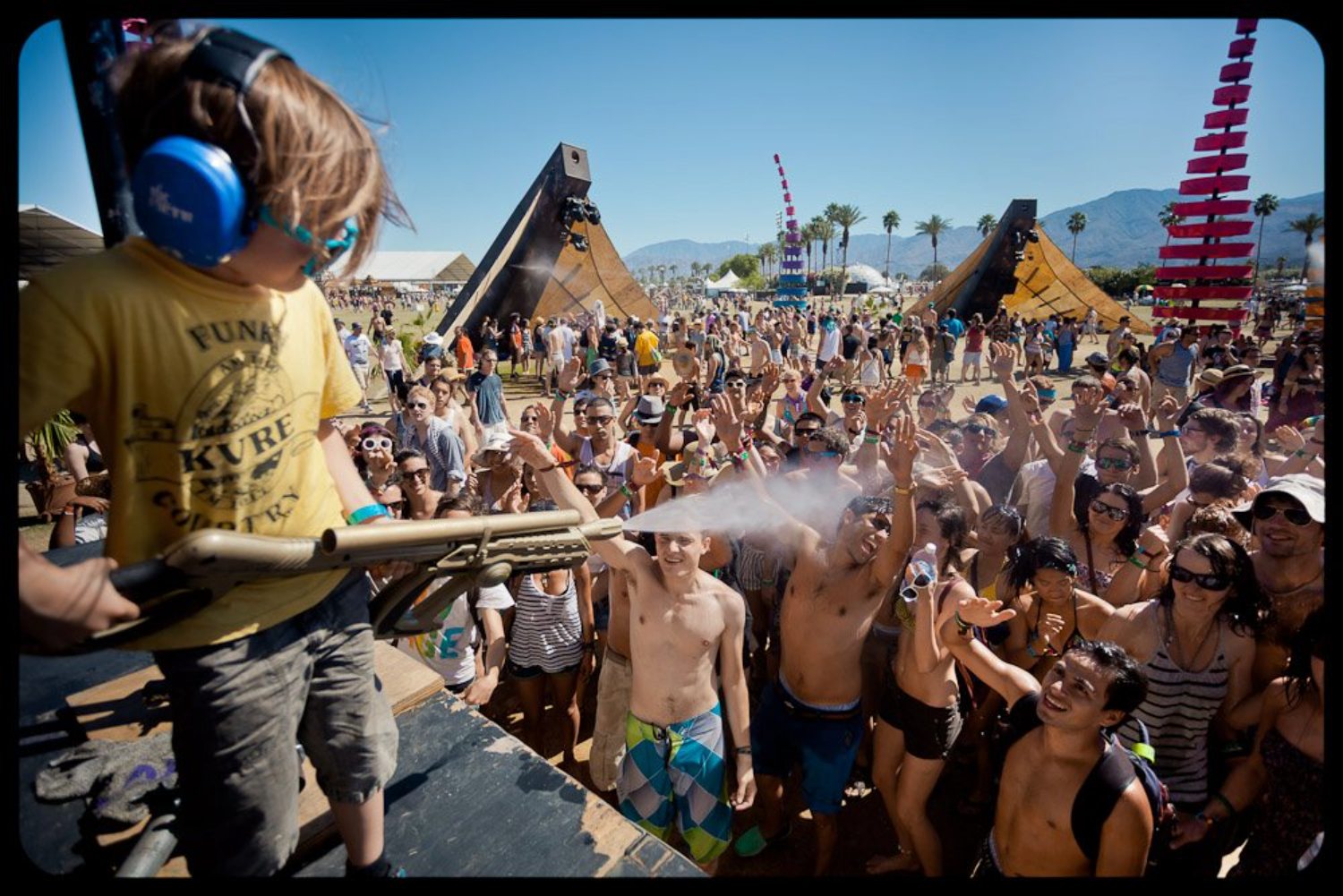
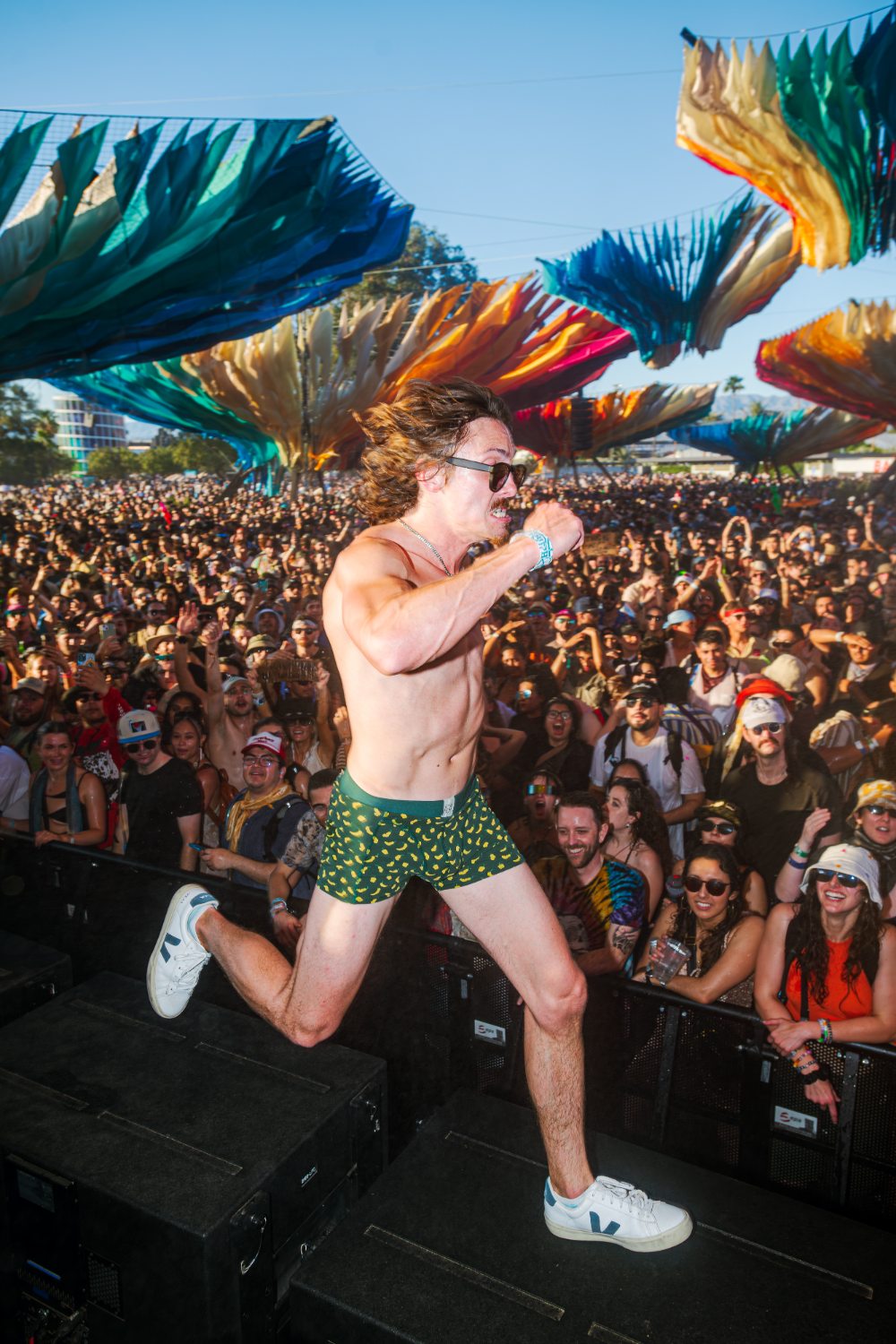
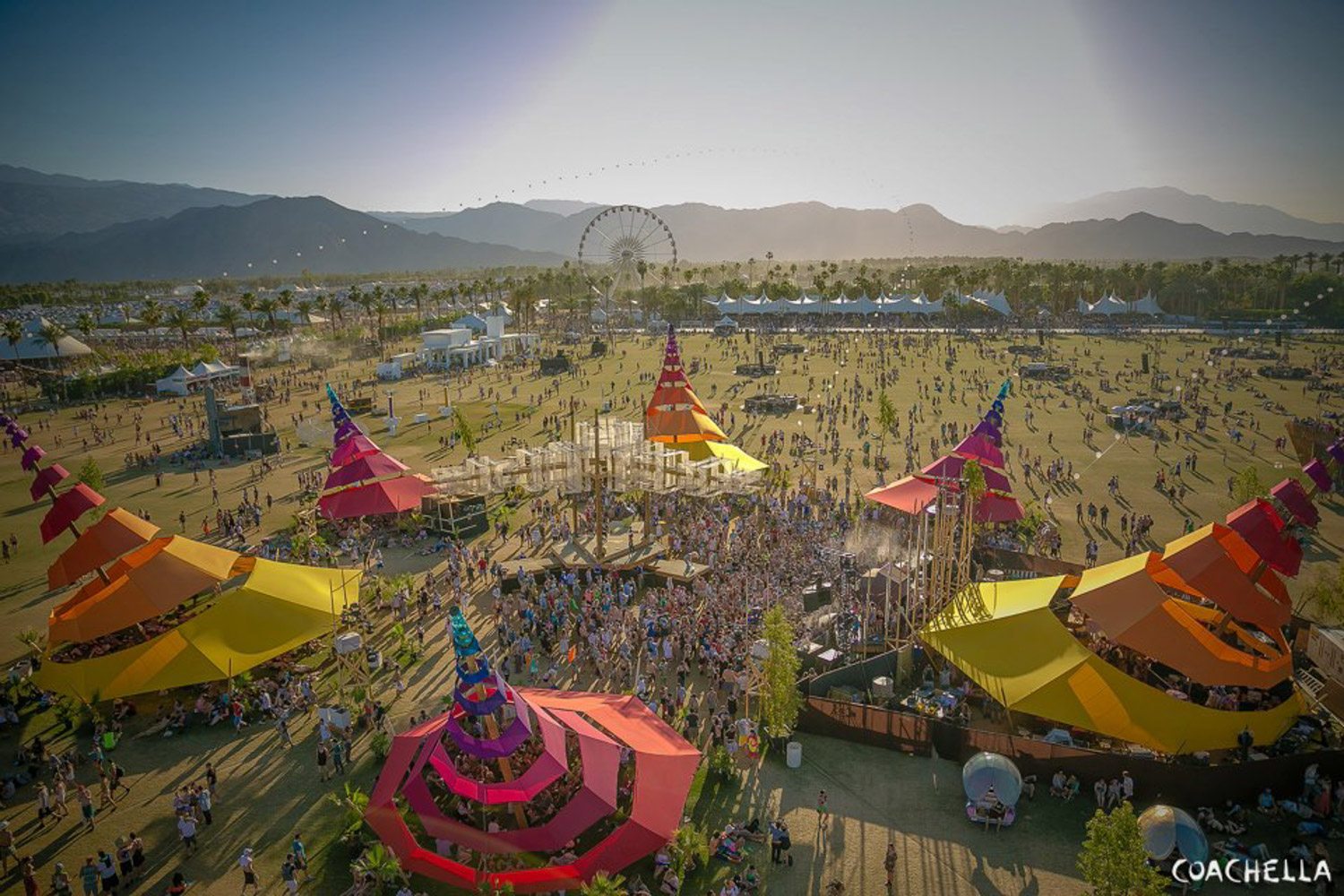
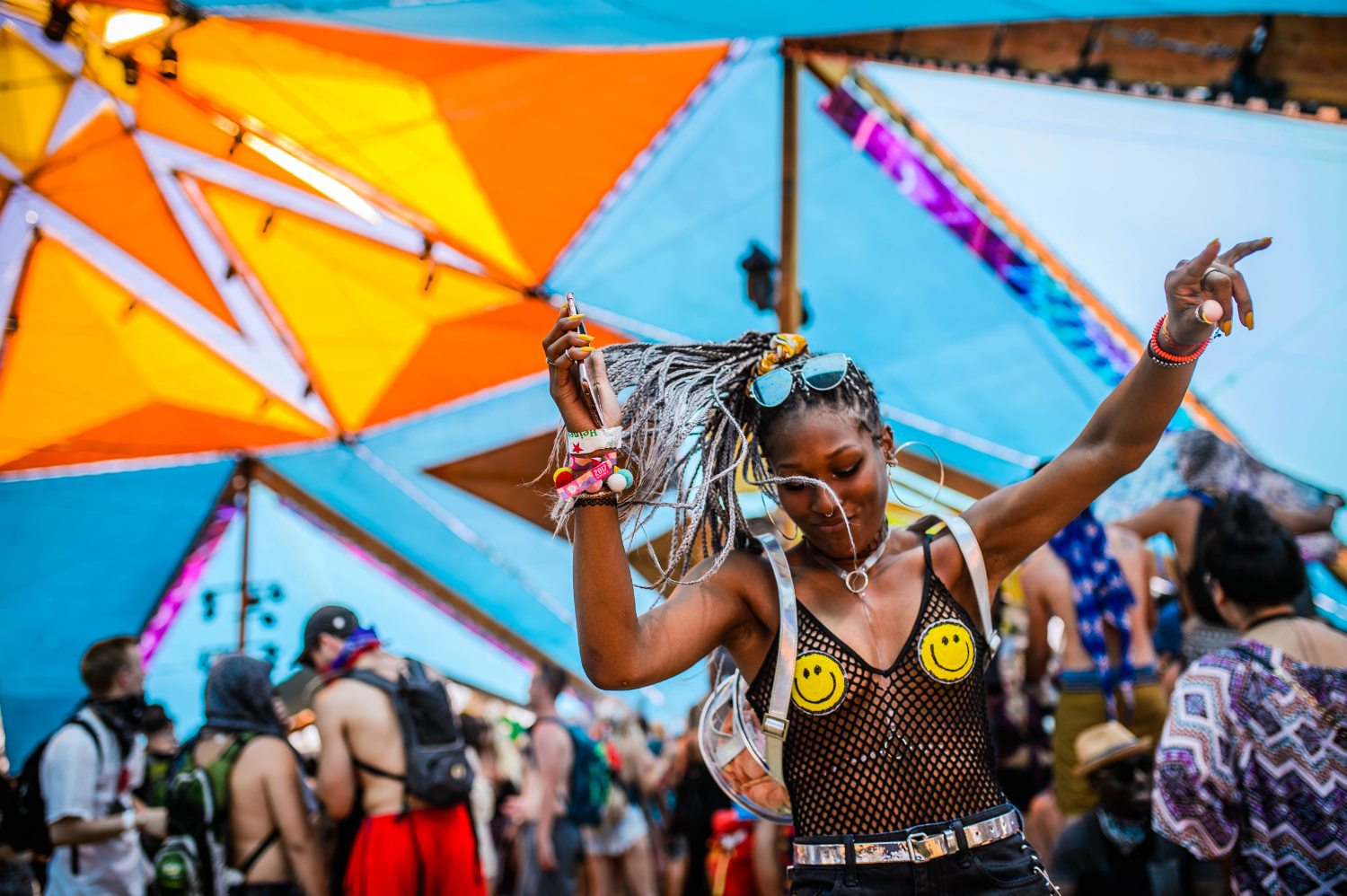
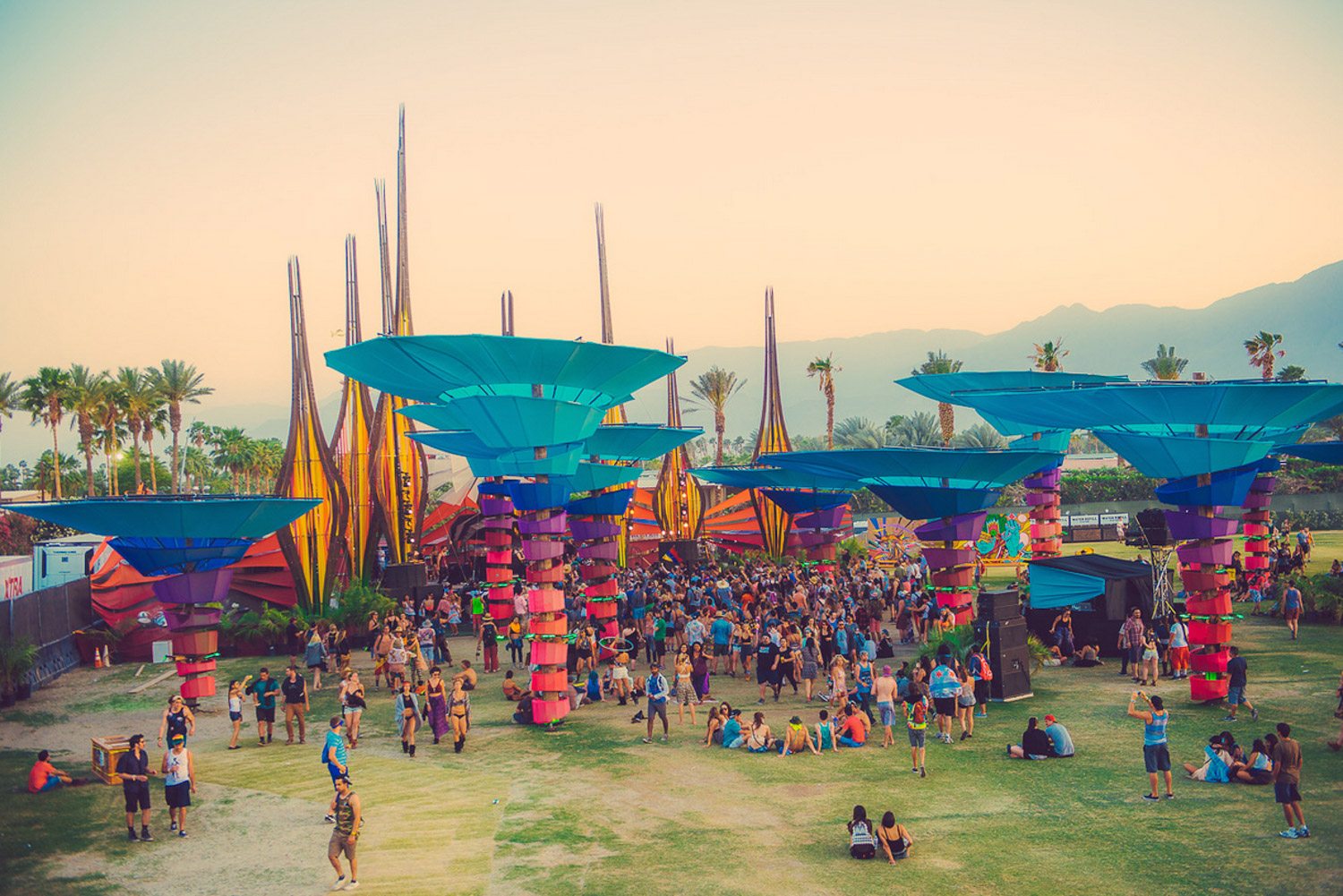
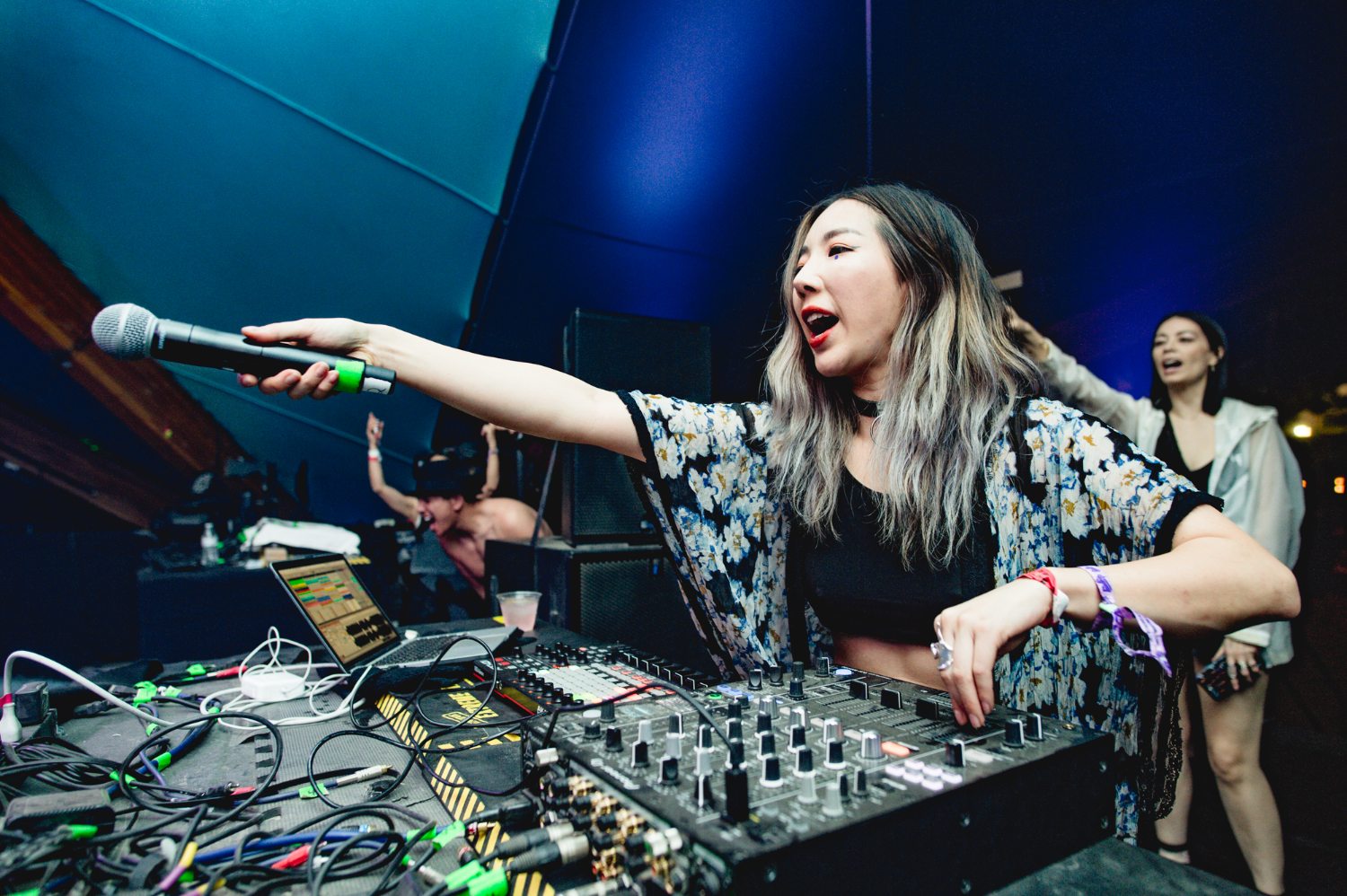
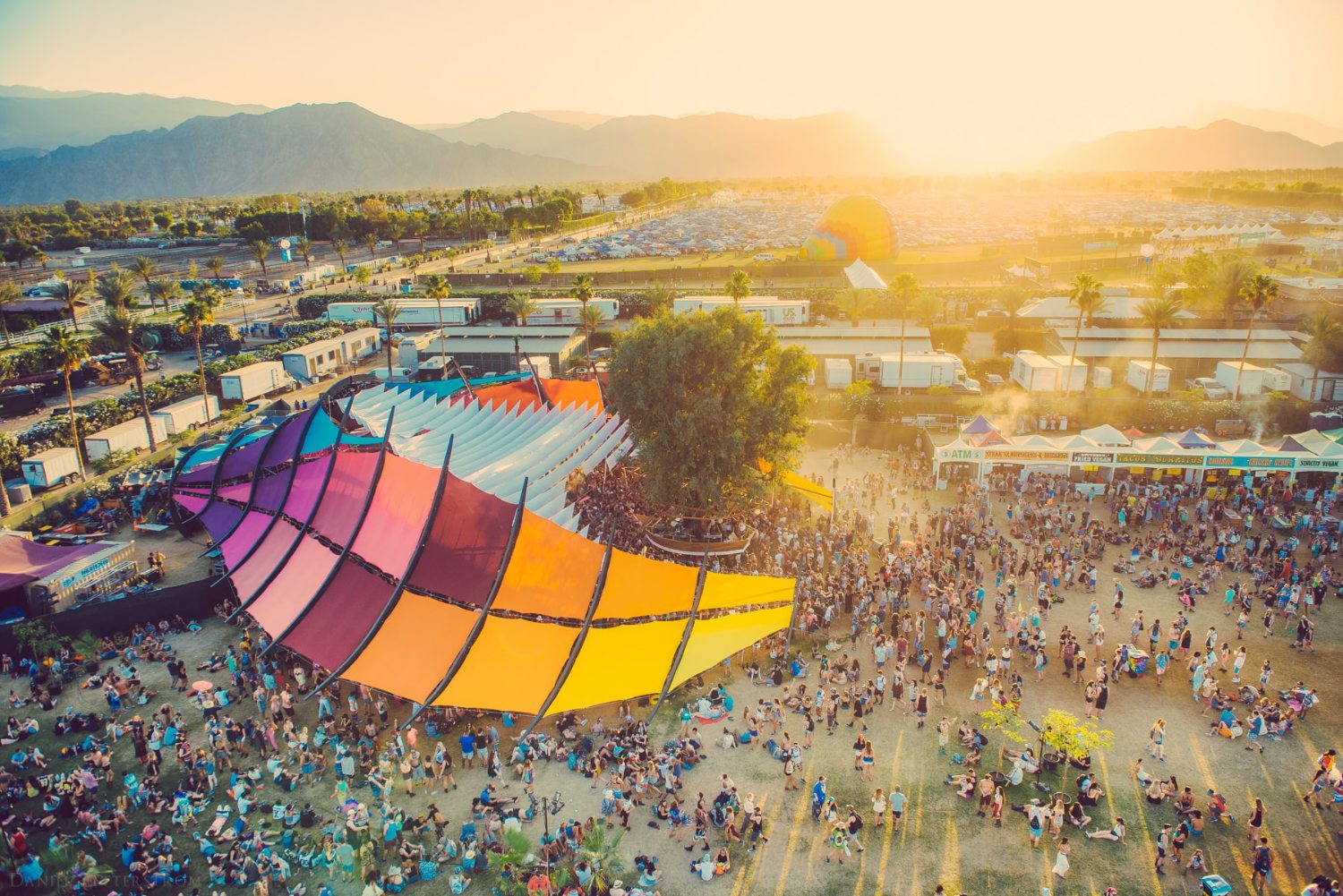
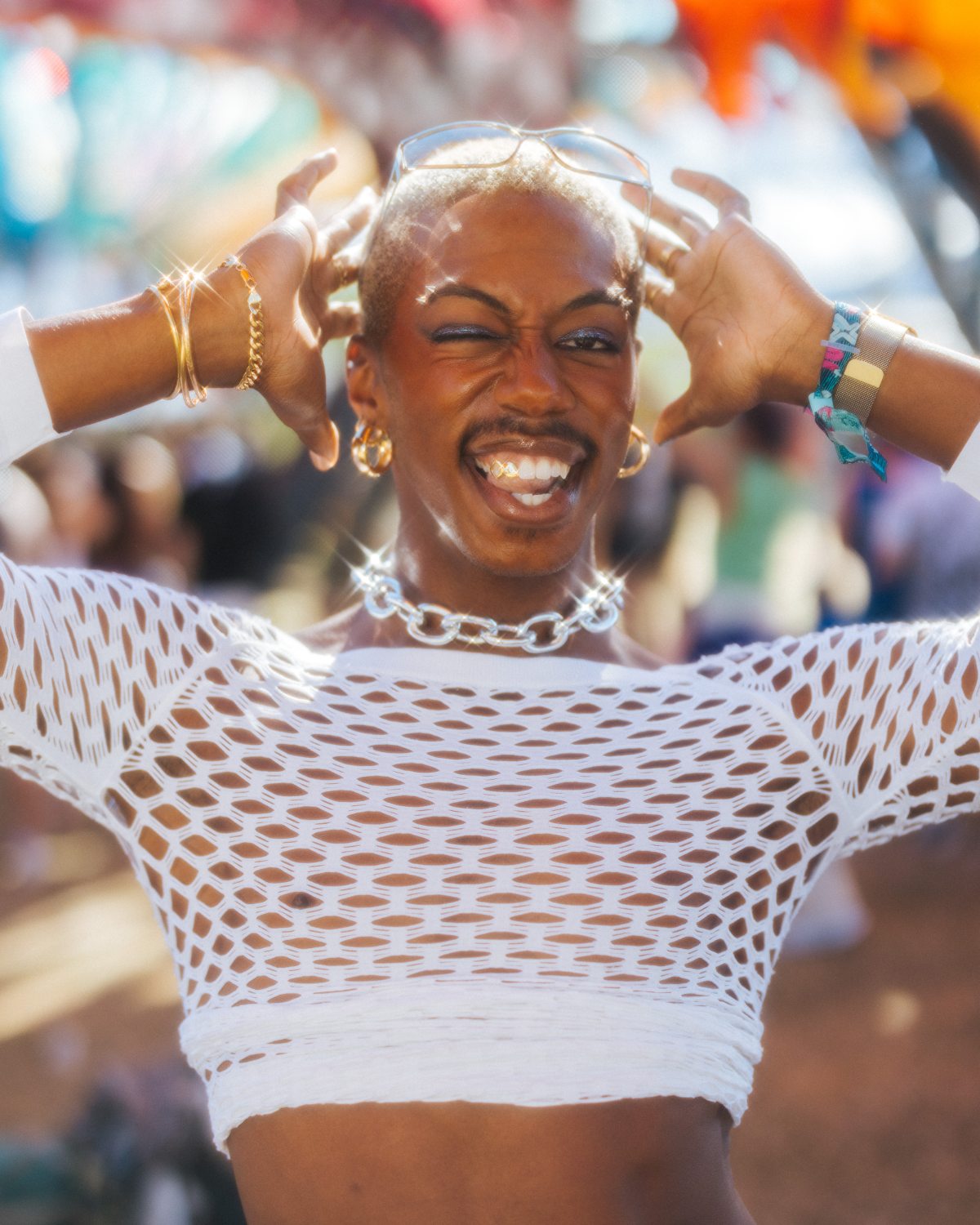
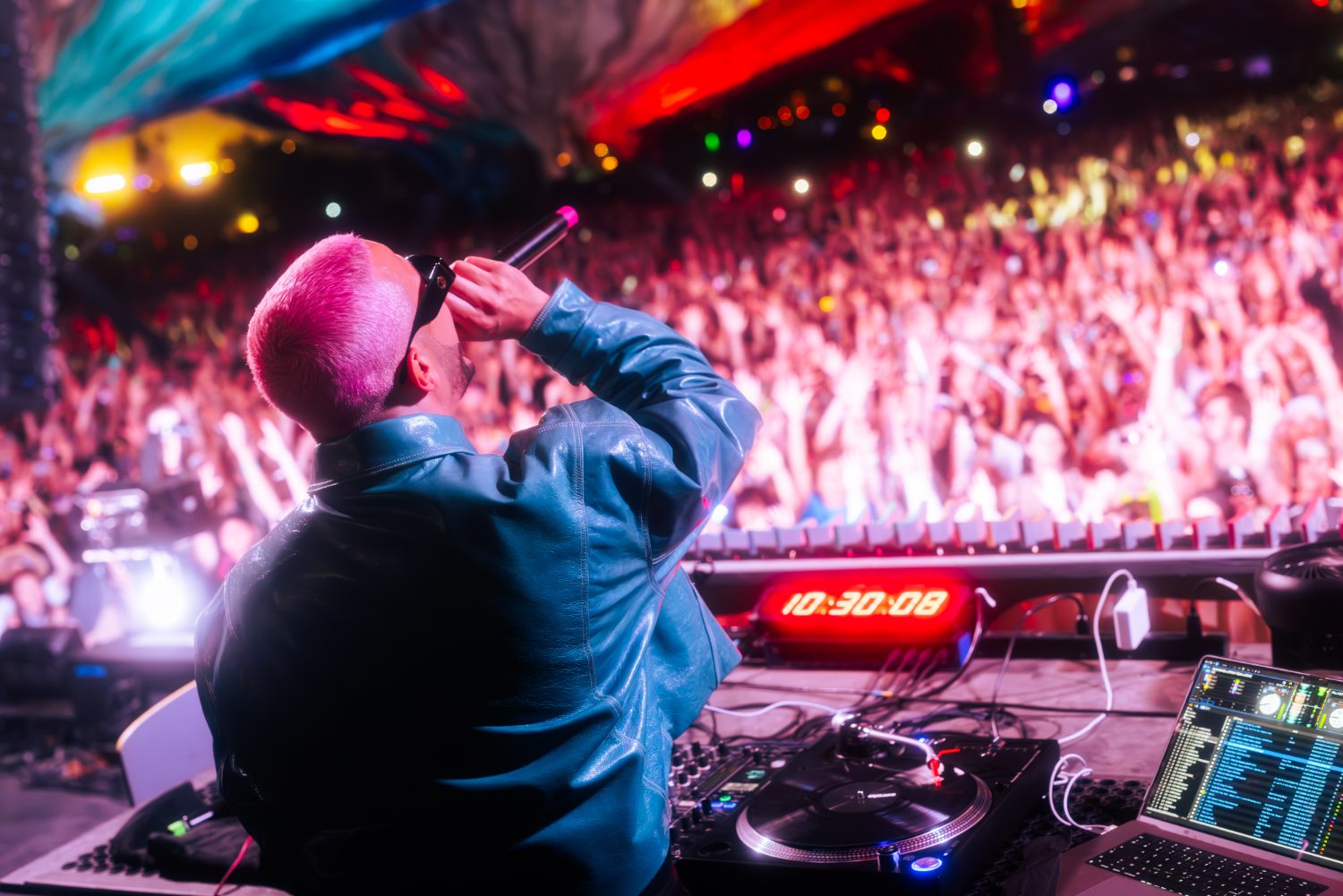
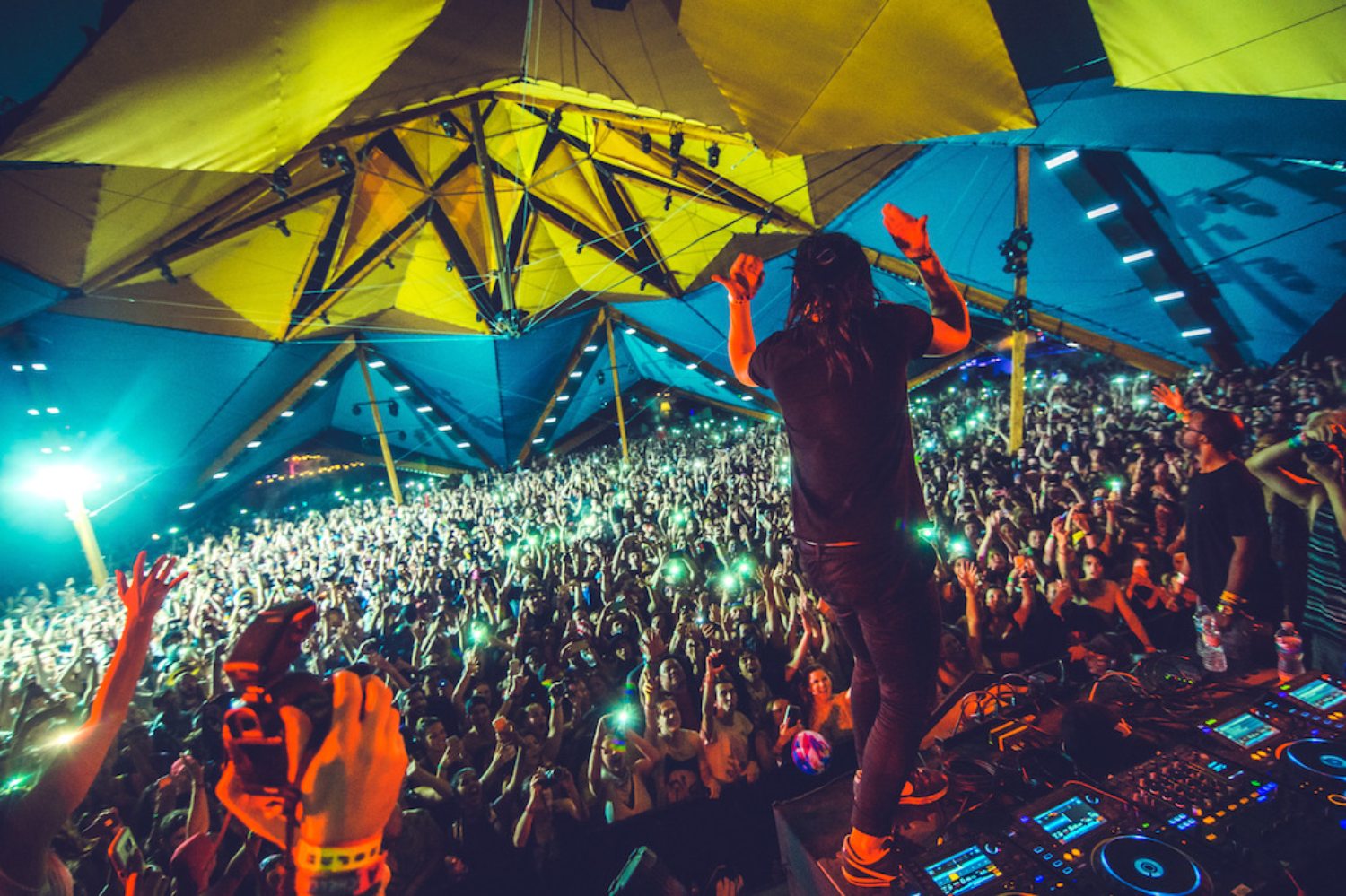
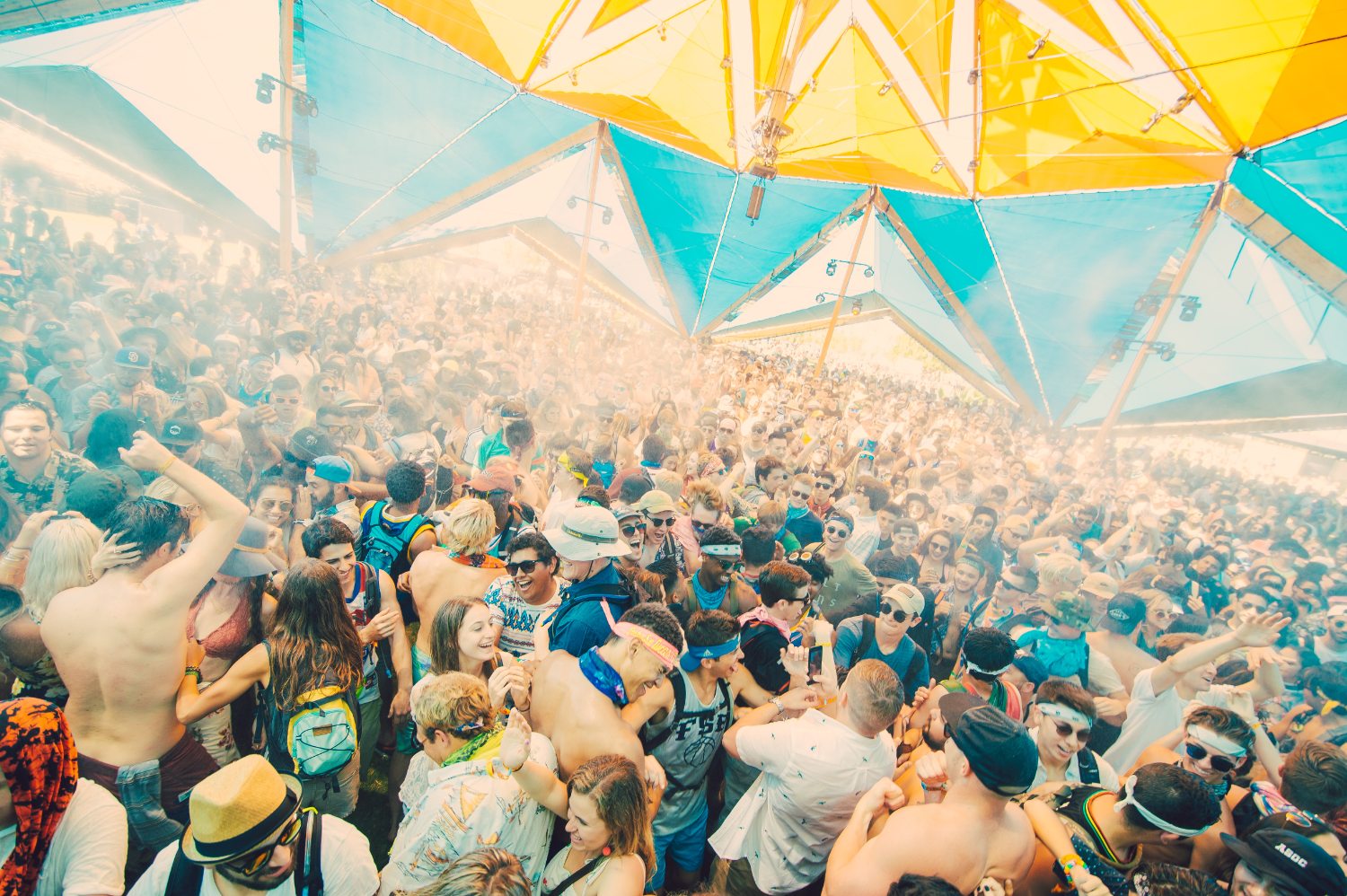
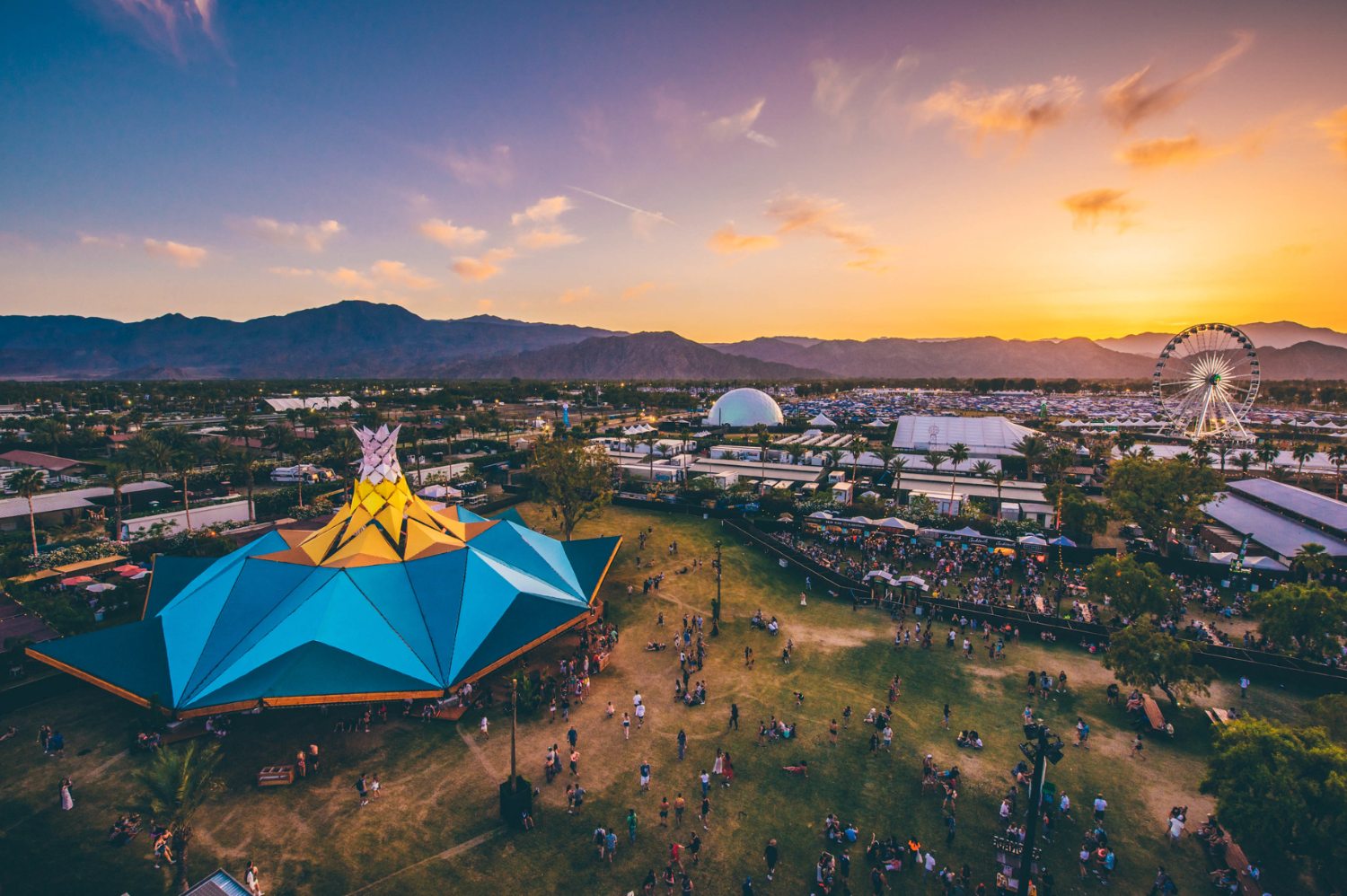

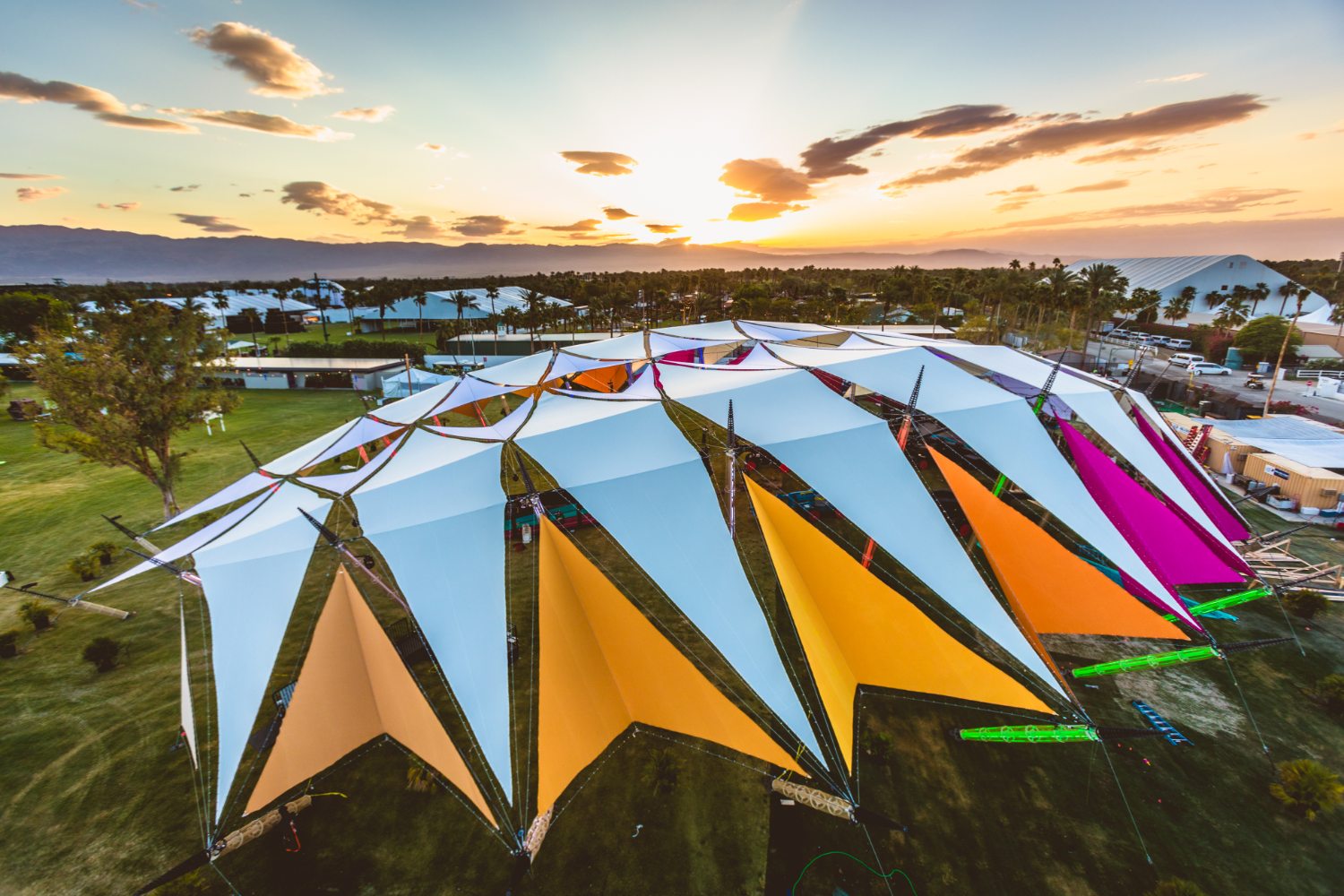
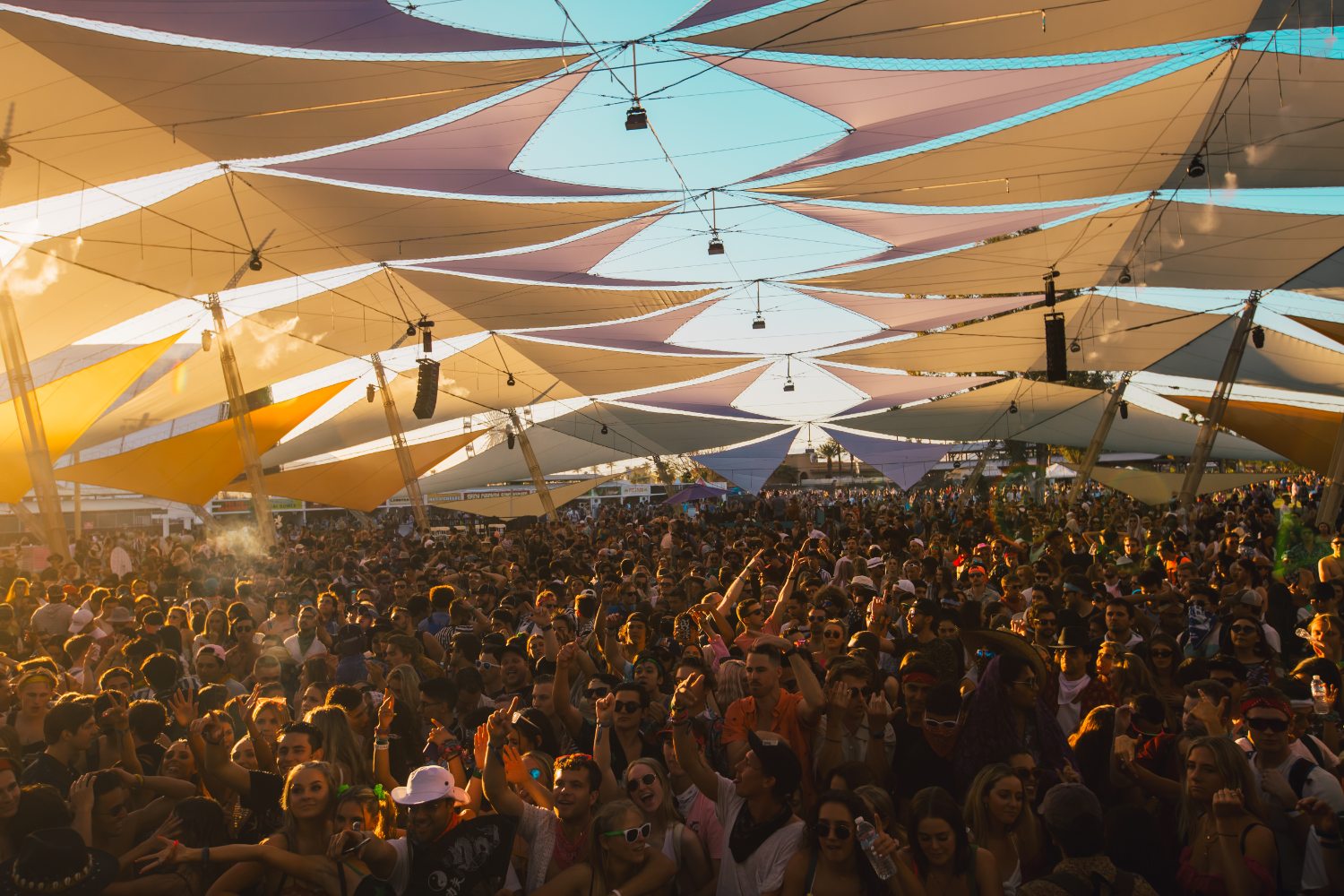
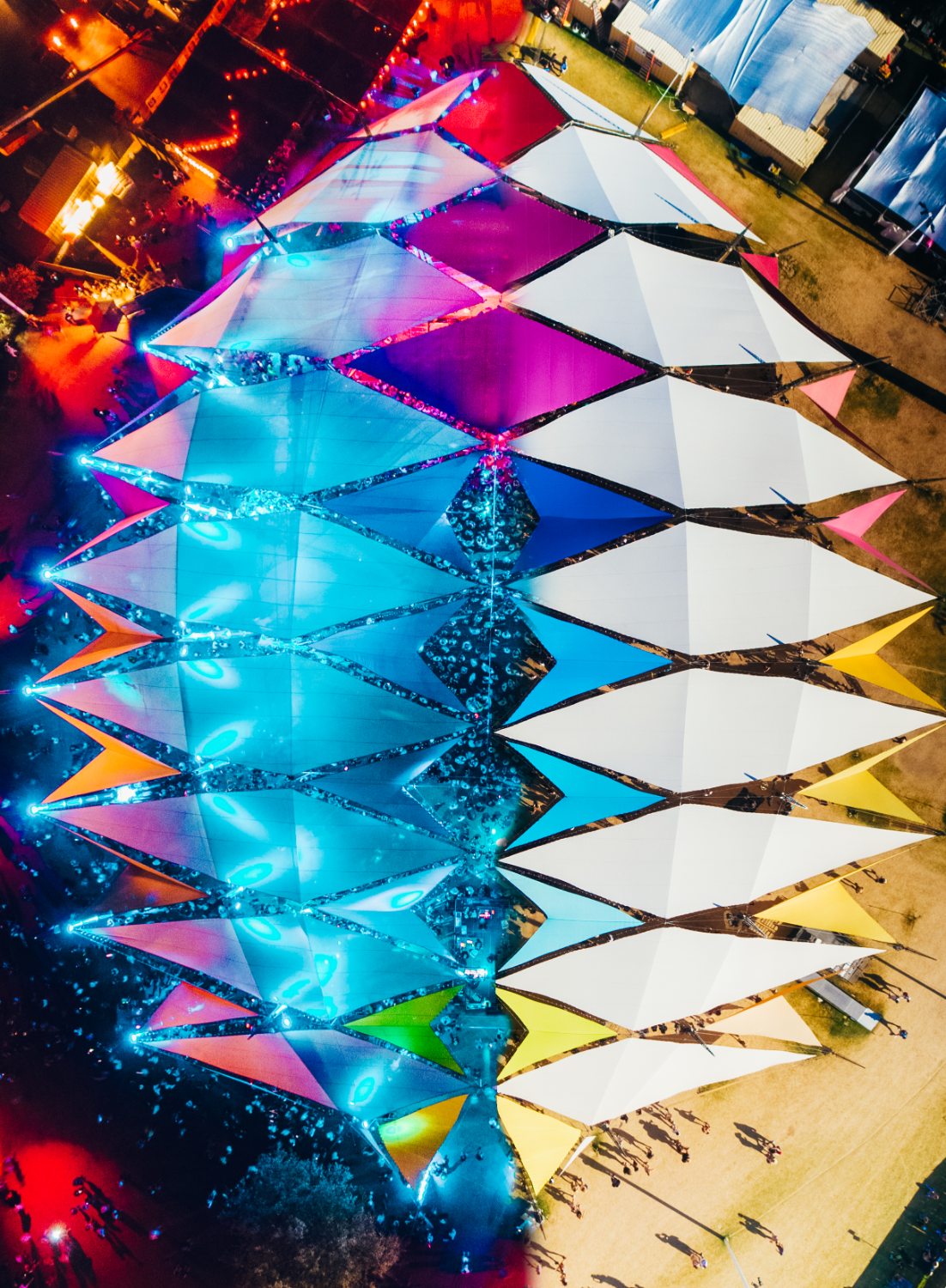

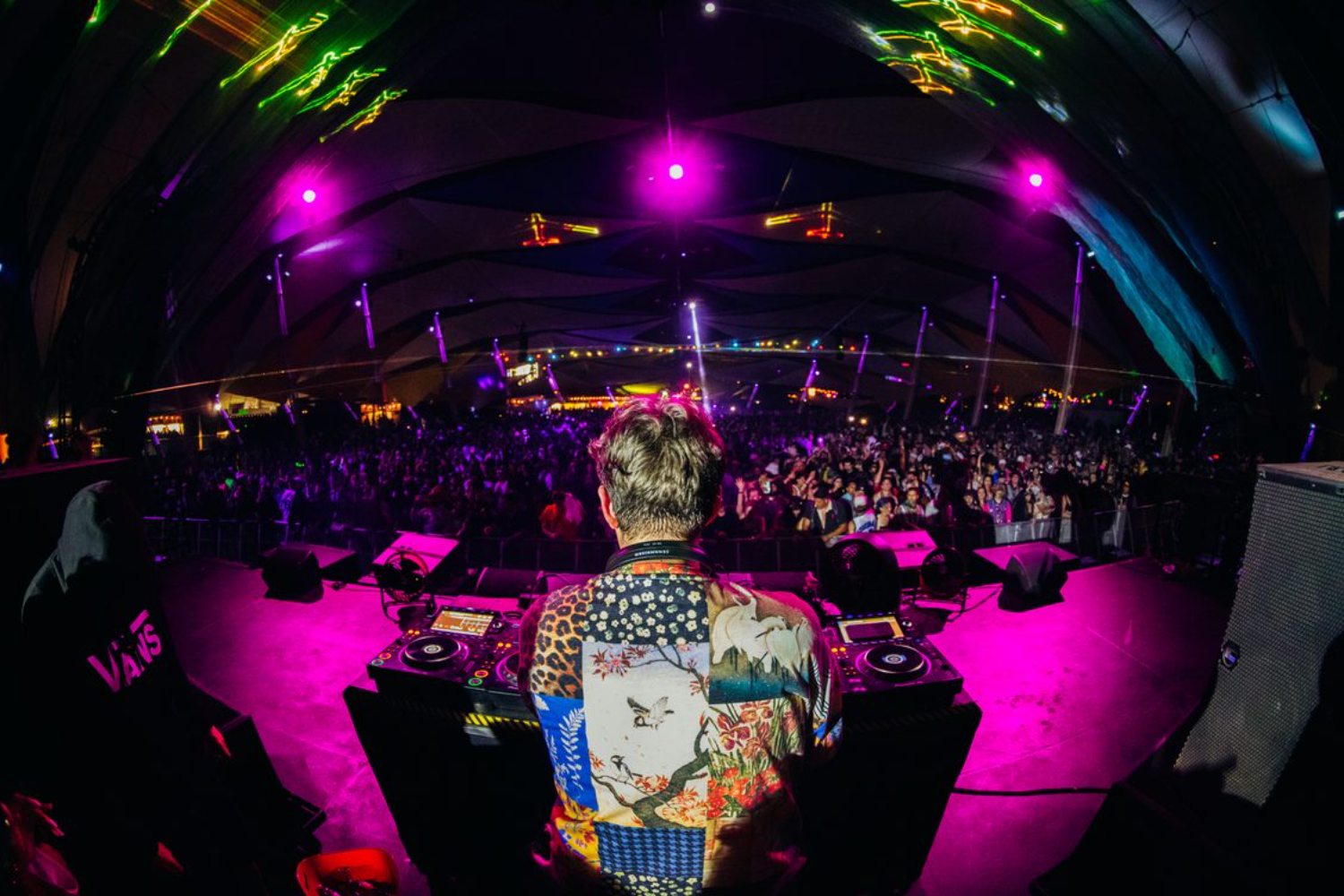
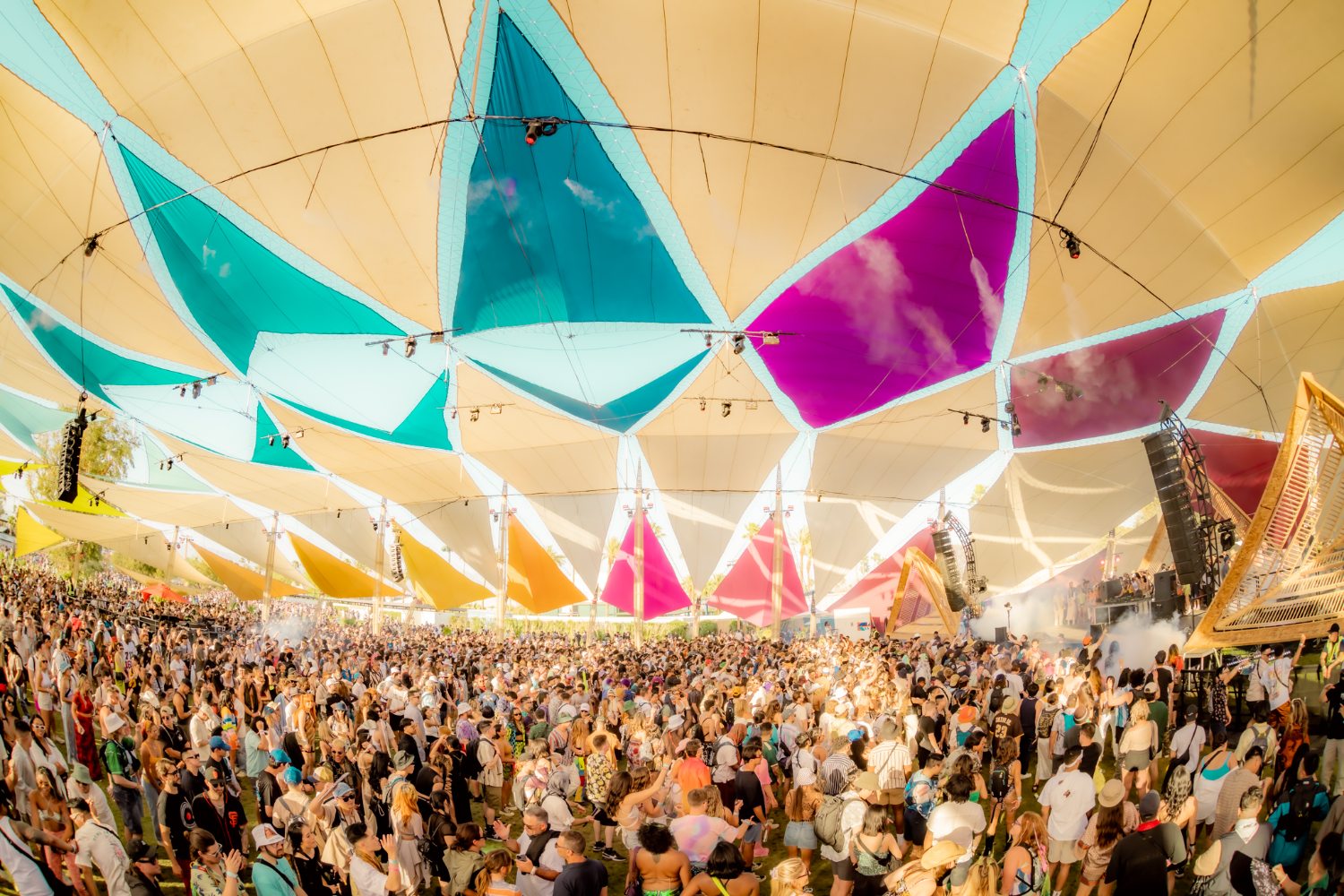
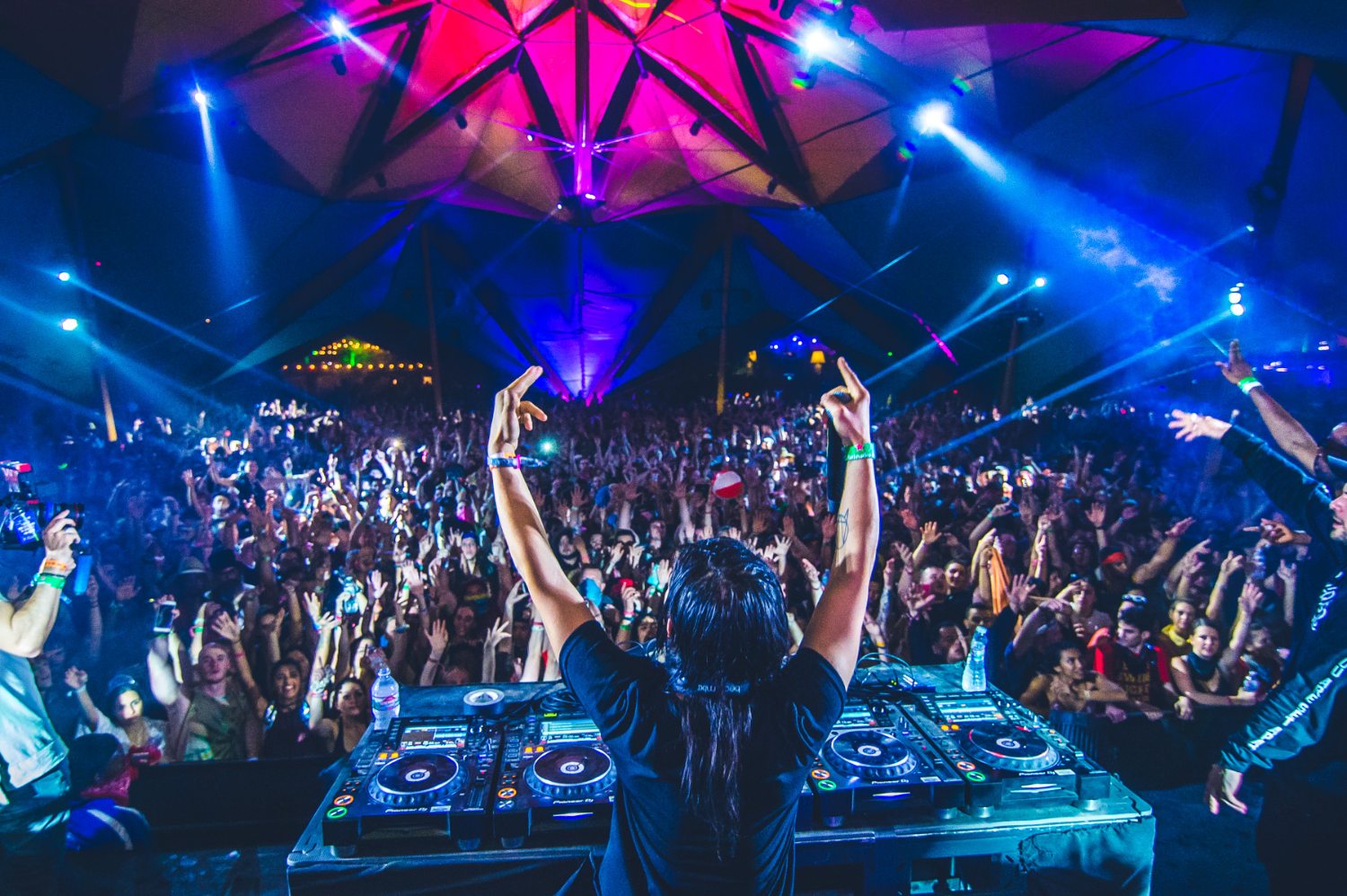
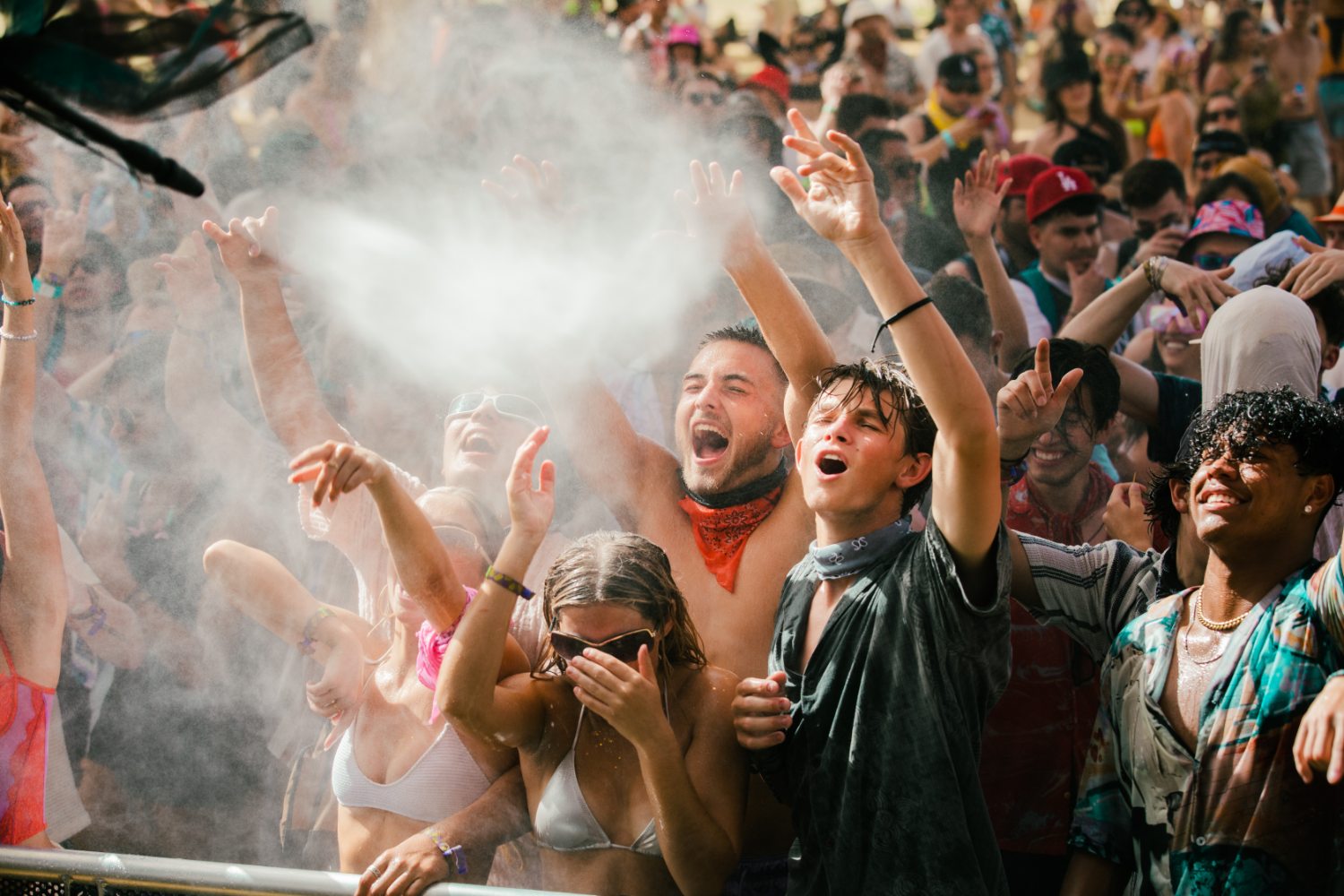
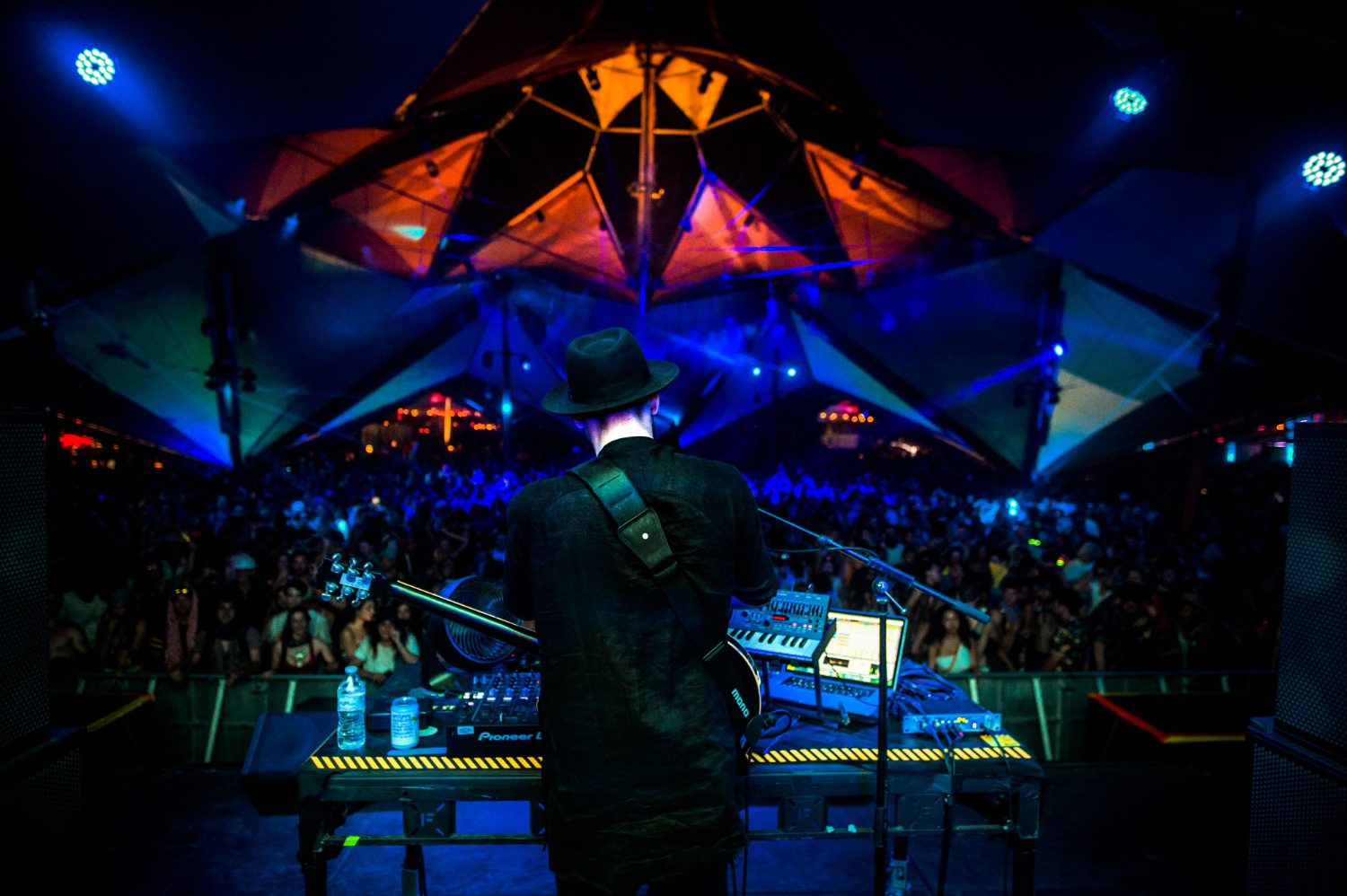
Under a refreshing cloud of mist, shaded from the scorching sun and the whines of influencers, you’ll find Coachella’s most consistently fun, ongoing dance party, the Do LaB.
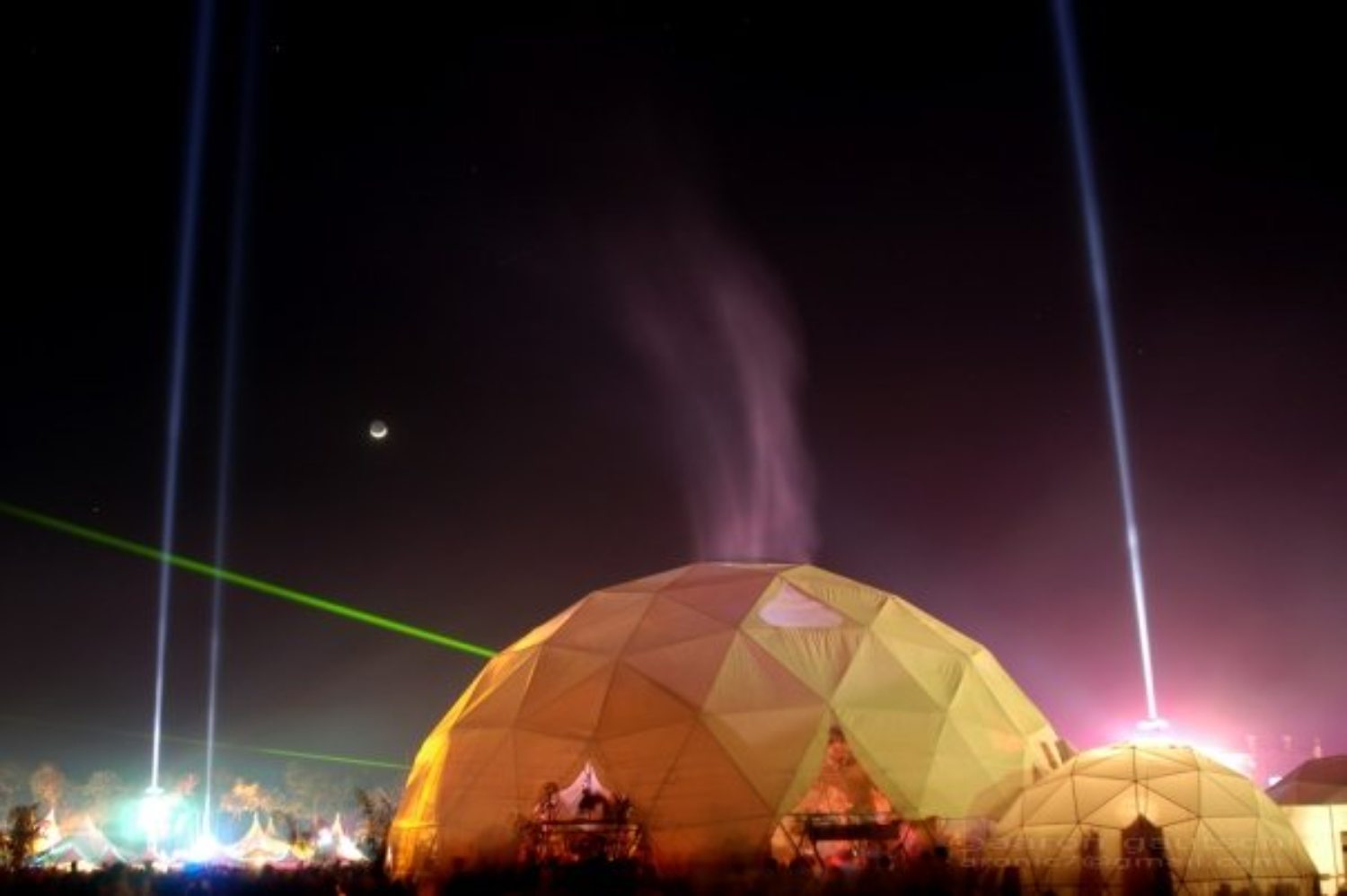
Originally set up as an art installation with a few speakers at Coachella 2005, the Do LaB has grown over the past 20 years into a stage and much more. It’s a beautifully constructed, fully immersive oasis, known for its exquisite music lineup, superstar surprise guests, and nonstop wet and wild PLUR vibes. It’s the place at Coachella where you’re most likely to find people actually dancing with each other instead of in their own world all facing the stage.
This year, the Do LaB will be swapping spots with the Quasar stage, moving into the big open spot just south of the festival’s main entrance, where it will be a bumping welcome for festival goers streaming in.
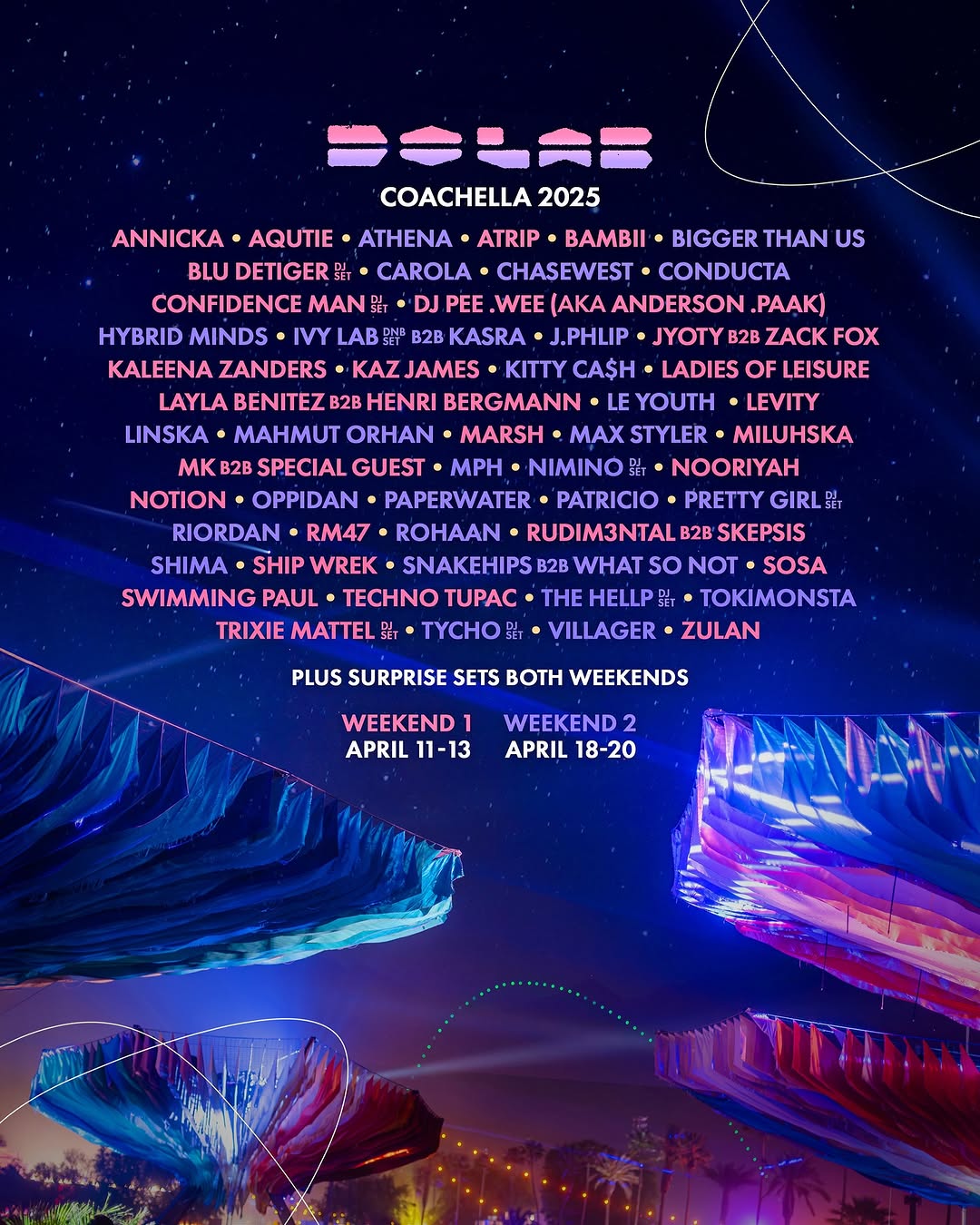
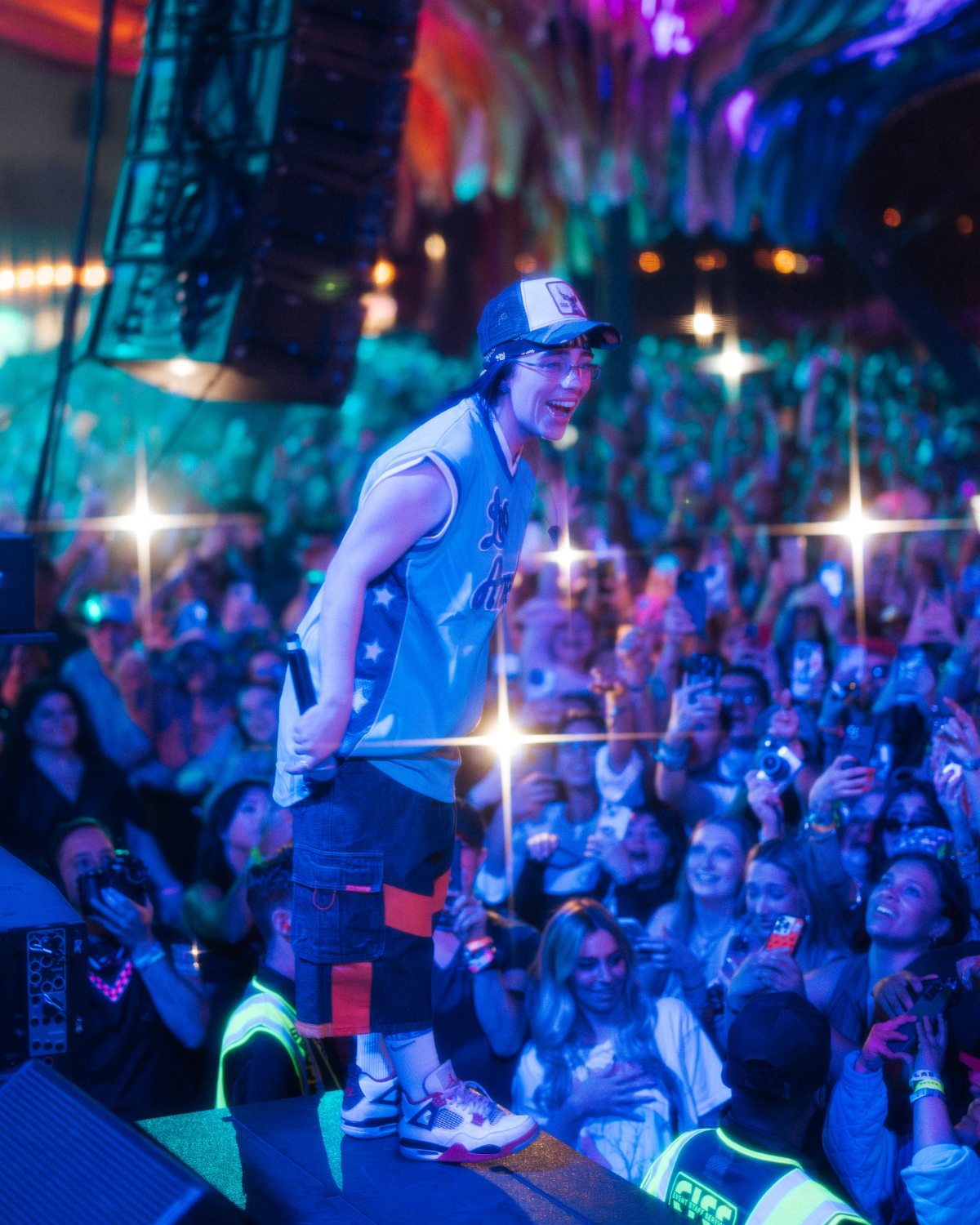
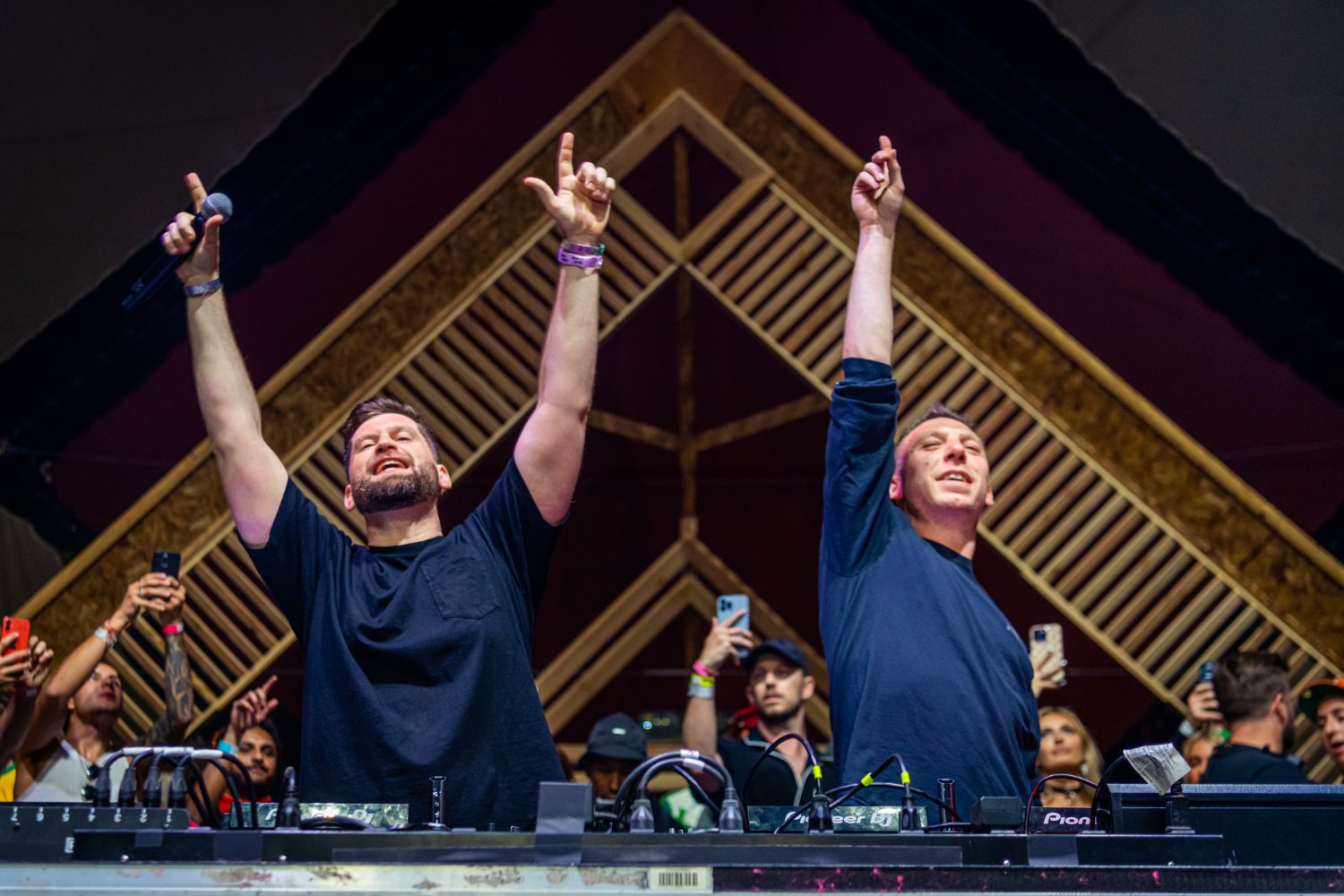
Each weekend will have a different lineup pulling from a stacked list that includes Layla Benitez, Anderson .Paak performing as DJ Pee .Wee, Jyoty b2b Zack Fox, Tokimonsta, Tycho, Snakehips b2b What So Not, and so many more — you can basically hang out there all day and be guaranteed a good time. Special guests in recent years have included Billie Eilish, James Blake, ODESZA, Rüfüs Du Sol and Skrillex, to name a few. This year’s set-times is littered with surprise spots (including Bob Moses, just announced), so don’t slouch and sign up for the text updates — we’re hearing fun things are in store. (@charli_xcx — text them back.)

L-R: Do LaB founders and brothers Josh, Dede and Jesse Flemming (Courtesy of Do LaB)
We spoke with Do LaB co-founders and brothers Jesse and Dede Flemming who — along with third brother and Jesse’s twin Josh — have run the Coachella event for two decades (and their Lightning in a Bottle festival even longer). While rocking safety vests and red-faced from a long day of set-up on site, the Pennsylvania natives told us how the Do LaB evolved to what it is today, and shared the keys of how they keep Coachella’s best party poppin from open to close.
LA WEEKLY: Let’s start at the beginning. How did the Do LaB at Coachella 2005 come about?
JESSE: We were a little collective. Right around then, we were starting to get gigs building some art and decorating parties, and we needed to be able to put a check in the bank, so we needed a bank account. So we were like, “Oh shit, we gotta start a company so we can start a bank account.” That’s pretty much it. It happened right around that Coachella time.
We had a friend, Paul Clemente, who was buddies with the art curator of Coachella back at that time. He hit up his buddy at Coachella and said, “Hey, we want to do an art installation.” We sketched up a little proposal and sent it to them, and we didn’t hear anything. It was like a week or two weeks before Coachella that they’re like, “Okay, you can do it.” And we’re like, “What?!” No heads up at all.
So we just rallied all of our friends, and we scrambled, and we pulled it together last minute and built the installation. We snuck in some speakers and played music, as we do. And it turned into a little party. And that was that. It just kind of went on from there.
DEDE: We came out the year prior, 2004. Jesse was in a band called The Serotonins back in LA, and we came out and flyered every car in the parking lot. All the while, it was 107 degrees, so we knew it was going to be hot as hell when we were coming out here to do this installation. So we made it a point to have water be a focal point.
In front of the installation, we built a cool sign that said “Lucent Misting Oasis,” which is what we called it back then. And we built a trough that we filled with water and put a pump in that circulated it to the top of the sign, and it rained down and just created an old weird water feature. And everyone was filling their water bottles with it. They were getting their hair wet. It was disgusting. People were literally pulling strips of hair out of the holes so the water could flow through as people held their water bottles under it — we were like, “Don’t, don’t!”
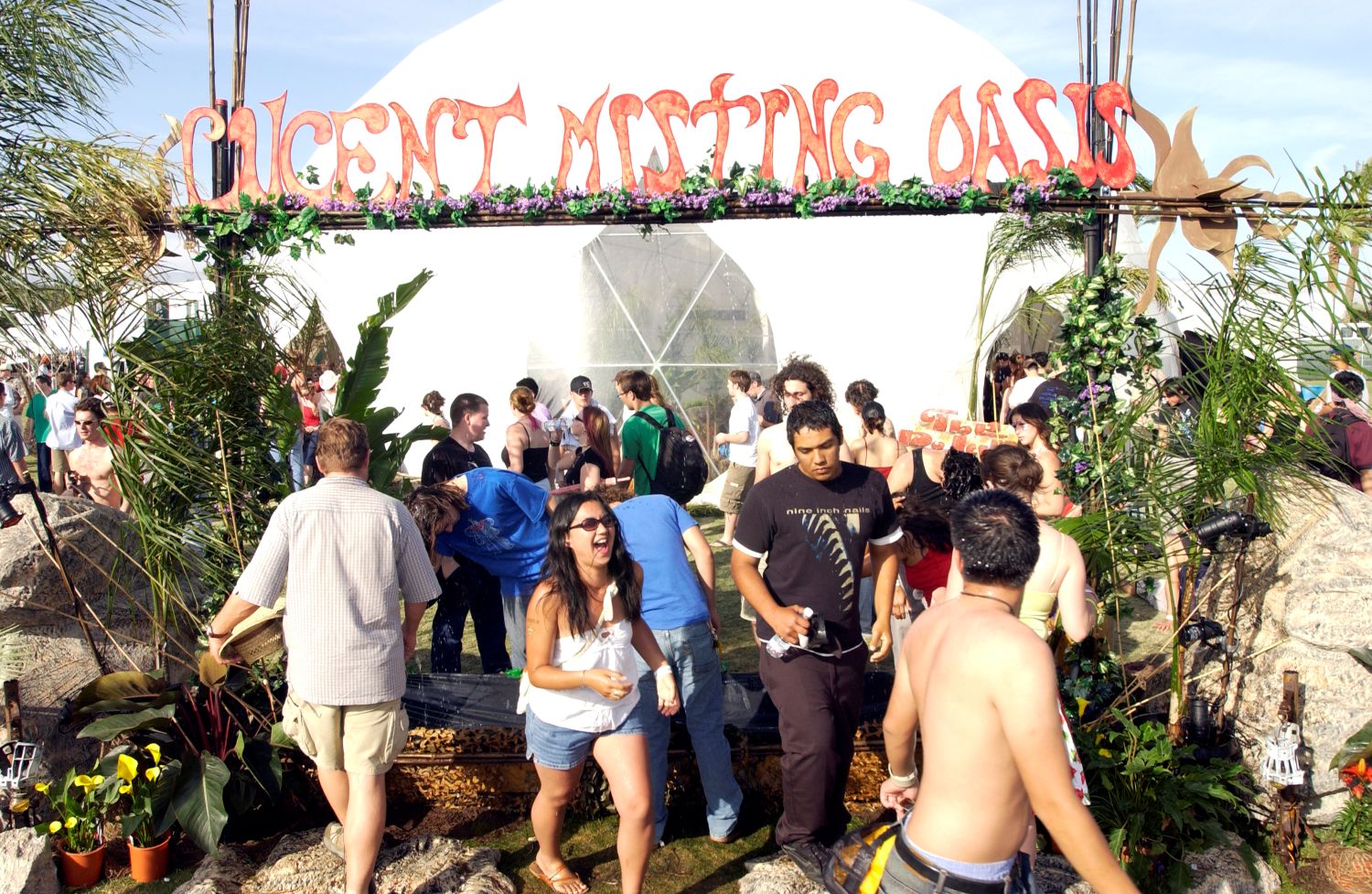
Do LaB Coachella 2005 when it was called the Lucent Misting Oasis (Tim Mosenfelder/Getty)
But water was always a featured element from day one because we knew how intense it was out here.
So the first one wasn’t a stage.
JESSE: It wasn’t really a stage for like the first five or six years. It was just an installation, and we just happened to play music because we don’t really do anything without music. In the beginning, we were playing music that not many people were interested in — breakbeats and dubstep. It was definitely underground.
But eventually, people got more into electronic music, and we just started to get more and more people over the years. We used to be in the middle of the fields and then it got so big that they’re like, “Okay, you guys are disrupting all these other stages. So you got to go to the corner.” We spent the last 10 years up in that corner.
What’s the key to keeping people dancing?
DEDE: No changeovers.
JESSE: Yeah, never stop the music. Obviously you need good music that people want to dance to you, but like every other stage of Coachella, and most festivals, there’s changeover times, and sometimes they’re 25, 30, 45 minutes long. All the energy that’s built up in a space, it leaves when the set’s over, and then like the next act has to start from scratch and build new energy again.
But we just never stop. At the very most we’ll have a two-minute changeover. But the energy never leaves, it just builds and builds and builds all day long. People walk by and it’s palpable — it’s hard to not feel that energy coming out of our couple acres of lands.
And we have an immersive environment so when you come in it, you feel like you’re in something. It’s not like you’re standing on an open field or an empty tent. You’re coming into like another world, another space, and all these things together create that energy.
DEDE: Yeah, it’s a collective energy. You come in here and you dance, you’re not coming in here to watch a concert.
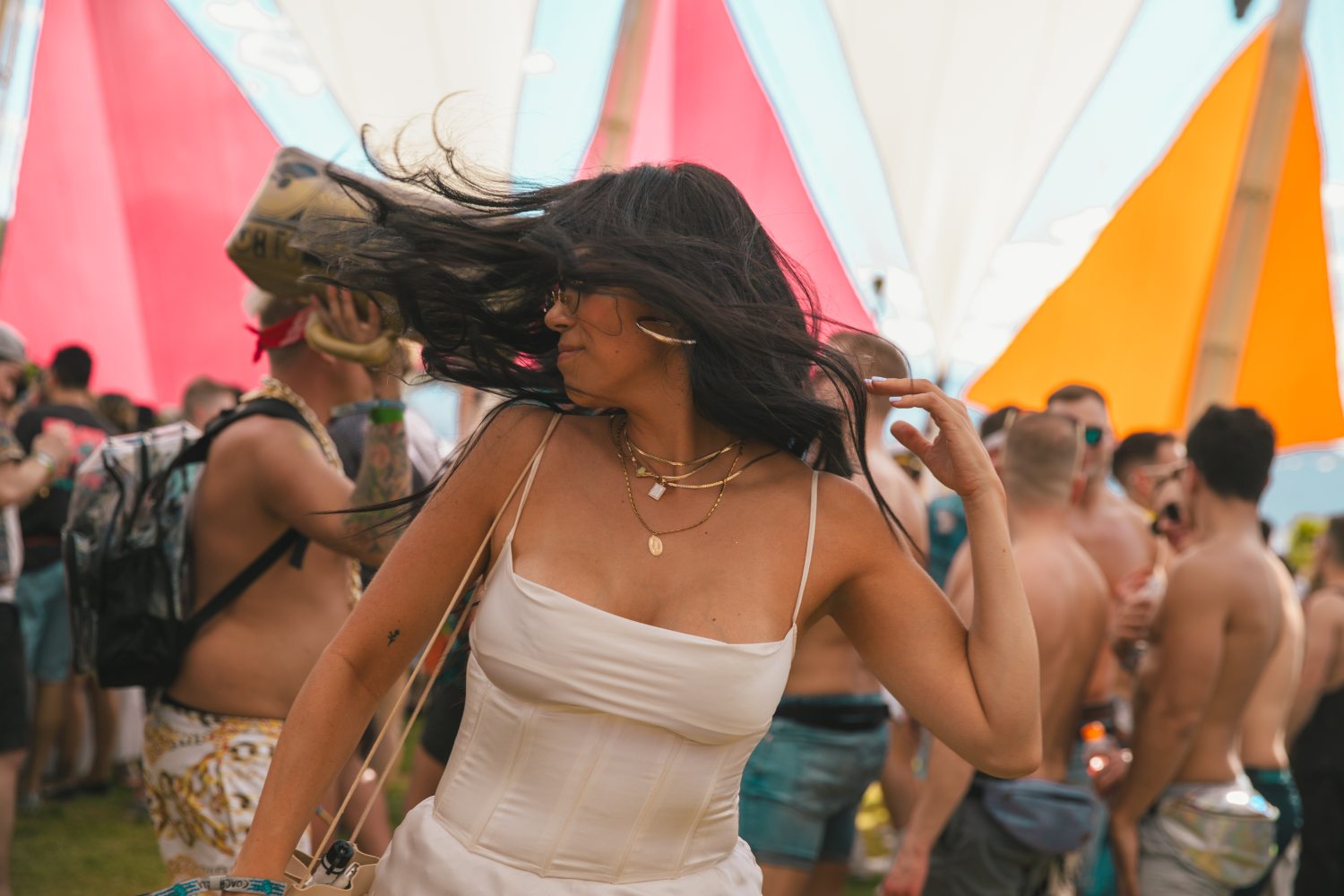
A fan at Do LaB Coachella 2019 (Courtesy of Do LaB)
JESSE: You lose yourself. People feel free. It’s kind of like the energy at Lighting In a Bottle, people say it’s like Burning Man. You come to Lightning in a Bottle and everybody’s friendly and you can walk up to a stranger and be like, “Hey, how’s it going?” And they’re like, “Hey!” And the next thing you know you’re best friends.
But if you’re walking out on this [Coachella] field with 120,000 people — there’s a lot of cliques, a lot of people are very like closed off with their energy and it’s hard to just approach somebody and have an open conversation. But when you walk into the Do LaB, the guards are let down and people feel a little more free and a little more open. And I think that’s one of the reasons people come in and they never leave.
It always feels like the most cheerful stage, in my opinion. The biggest smiles are at the Do LaB. How do you maintain that vibe?
JESSE: I’ve said this over the years with booking LiB and our Coachella stage — if it’s not really positive, uplifting music, if it doesn’t make you feel good, it’s not for us. We don’t really like dark, heavy, aggressive sounds. We like things that kind of feel light and airy and fluffy and upbeat and fun. Cause we’re trying to throw a party. We’re trying to make people feel good. We’re trying to inspire them and get them excited about life. And the right kind of music will do that.
And yeah, there’s a lot of great music that’s a little bit on the darker tip. I love melancholy music personally, but I wouldn’t really drop it on our stage. We do it at LiB a bit, but we’re trying to keep it fun and light.
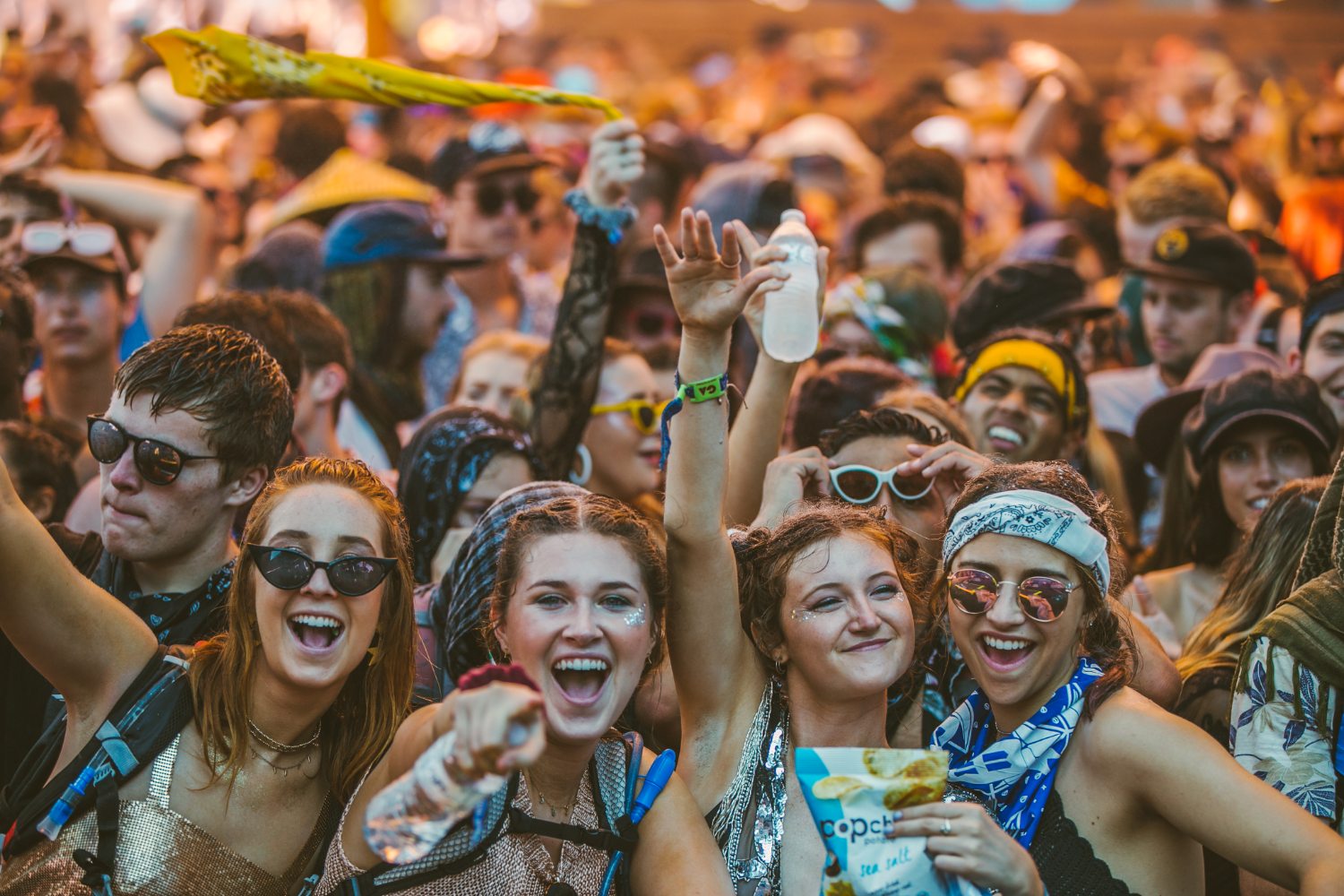
Fans at Do LaB Coachella 2018 (Courtesy of Do LaB)
DEDE: The music aside — unless an artist is super strict about it, we don’t restrict people coming up on stage. And that’s what you’ve noticed over the years. There’s always people on stage dancing. We are not snobs about who we let on stage. There’s no one plucking the pretty people. If you have good energy and if you’re fun, and certainly if you built this project with us and you were part of the team in any capacity whatsoever, the stage is open to you to grab the water guns and spray people and bring your energy to the stage as well.
There’s artists every year that say, “I don’t want people on stage,” and five minutes into their set, they turn around and they’re just like, “Why isn’t anyone on stage?” And they tell their manager. They’re just like, “We want people up here.” I don’t think anyone’s held the line through a whole set without letting us flood the stage.
Then when you go to the next show, you know, at Sahara or Mojave or anywhere — if it’s an electronic show and it’s just the artist on stage, there’s such a disconnect. And you have that pit in between the stage and the audience. We try to not do any of that stuff. We put the barricades as close to the stage as possible. And we keep the stage as low as we can to keep that energy. That’s just important to us.
My understanding is Coachella had more indie rock at its beginnings, but there’s been more of a push toward electronic music. It feels like you guys have been kind of a cornerstone of that.
JESSE: I wouldn’t say that’s wrong, but even the very first Coachellas had the Chemical Brothers and Moby, Fatboy Slim and all the big electronic acts of the day. But there were also a ton of indie bands and rock bands and all the other genres. I’d say now they’re even branching out more, into hip-hop and K-pop and Latin music and all kinds of world genres. But, yeah, we’ve always been kind of like the constant.
DEDE: Even Sahara’s evolved. Sahara’s definitely very hip-hoppy now. It used to be EDM. And Mojave gets some EDM in there. Certainly Outdoor does. It’s sprinkled in everywhere.
But we are the constant. And the unique thing about us is we book it. You know, Paul [Tollett, president and CEO of Goldenvoice, and co-founder of the Coachella Festival] books most of this show with the exception of Yuma and the Do LaB.
Jesse books the whole thing with his team. And it gives us a lot of freedom out here to just kind of go the direction and the path we want to go. We’re not pushed any which way by anyone else. We get to put our thumbprint on it every year.
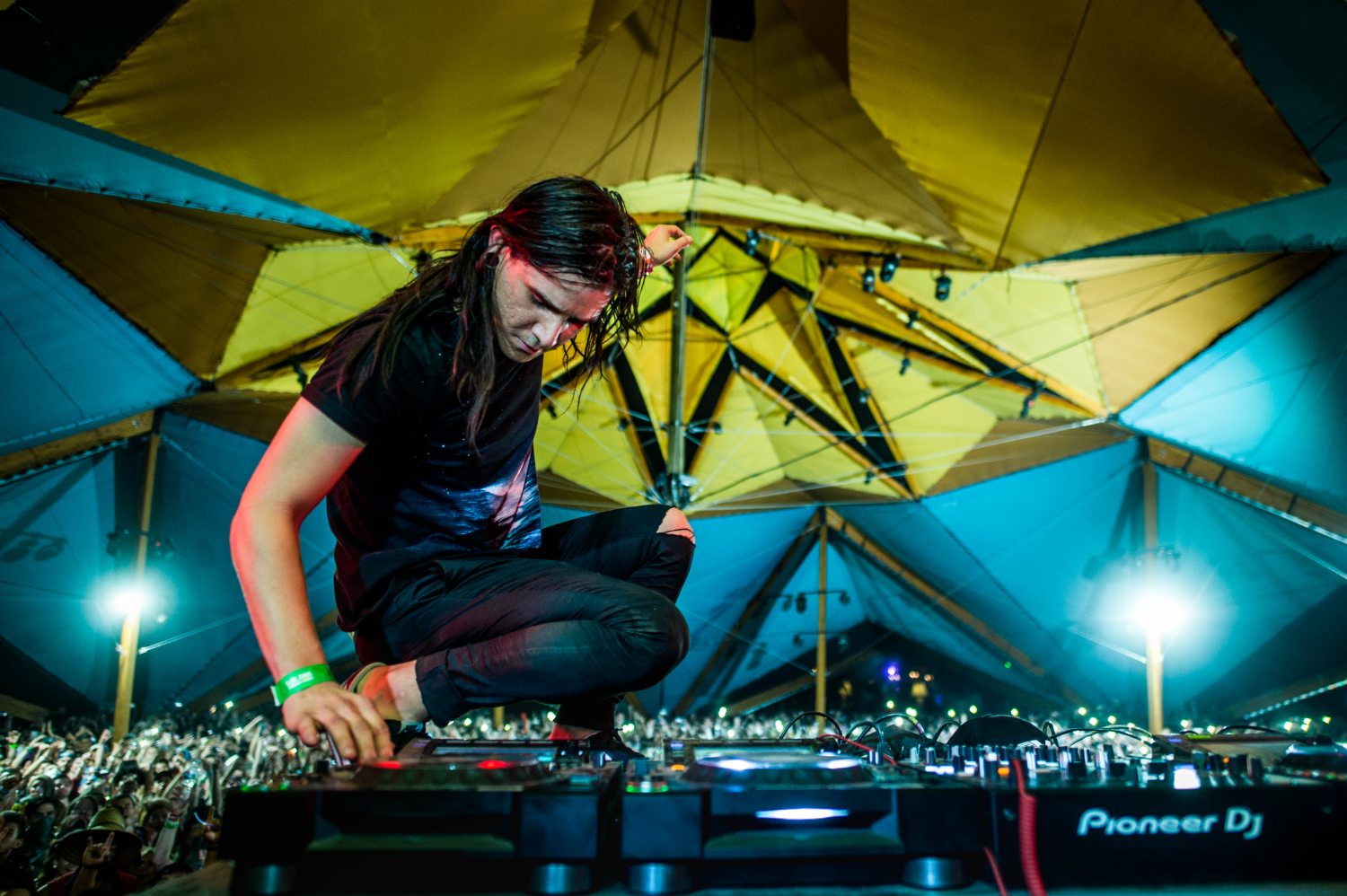
Skrillex performs at Do LaB Coachella 2017 (Courtesy of Do LaB)
JESSE: From a music perspective, we’re trying to bring some music and genres to the table that Coachella’s not really touching on. Round out the lineup with some more up-and-coming electronic vibes that a year or two down the road, you’ll start to see on the bigger Coachella stages. A lot of big electronic acts come through our stage first.
In the very beginning it was literally us just bringing our friends who all happen to be DJs and playing music. Then it was like the West Coast, California-based music scene, which our festival Lighting in a Bottle was a big part of bringing a lot of that to the mainstream here.
We try and stay at the forefront of what’s happening in electronic music and catch artists right before they’re about to pop. That’s kind of our whole thing here at the Coachella Do LaB stage.
So getting into you guys being brothers, what’s the division of labor?
DEDE: In the very beginning, we were all running around, bumping into each other, wanting to design it or book the music. We were all stepping on each other’s toes. But now Jesse does the music and Josh is the one that designs all of these structures that we built. Over the years, he’s had some design partners, but he designs everything we create. And then we also build everything. We’ll all build it.
And over the years, us and our team, I handle a lot of the production aspects. I work with Goldenvoice and am the conduit between us and them and the whole production side of things.
How did Josh learn how to design and build?
JESSE: I mean, that’s the thing — he’s completely self-taught. He just looks at things and studies things. He’ll study bridges, reads engineering books. He taught himself how to design and engineer structures. It’s pretty remarkable because he’s doing stuff on par with these incredible architects.
And he’s designed enough things over the years to know where to go that other people aren’t going. We’ve messed with every material over the years — metal and fabric and lumber and glue lamps and cables and steel, all these different things. We’ve used all the materials and we just keep trying to take the knowledge that we’ve gained and go one step further and keep pushing forward.
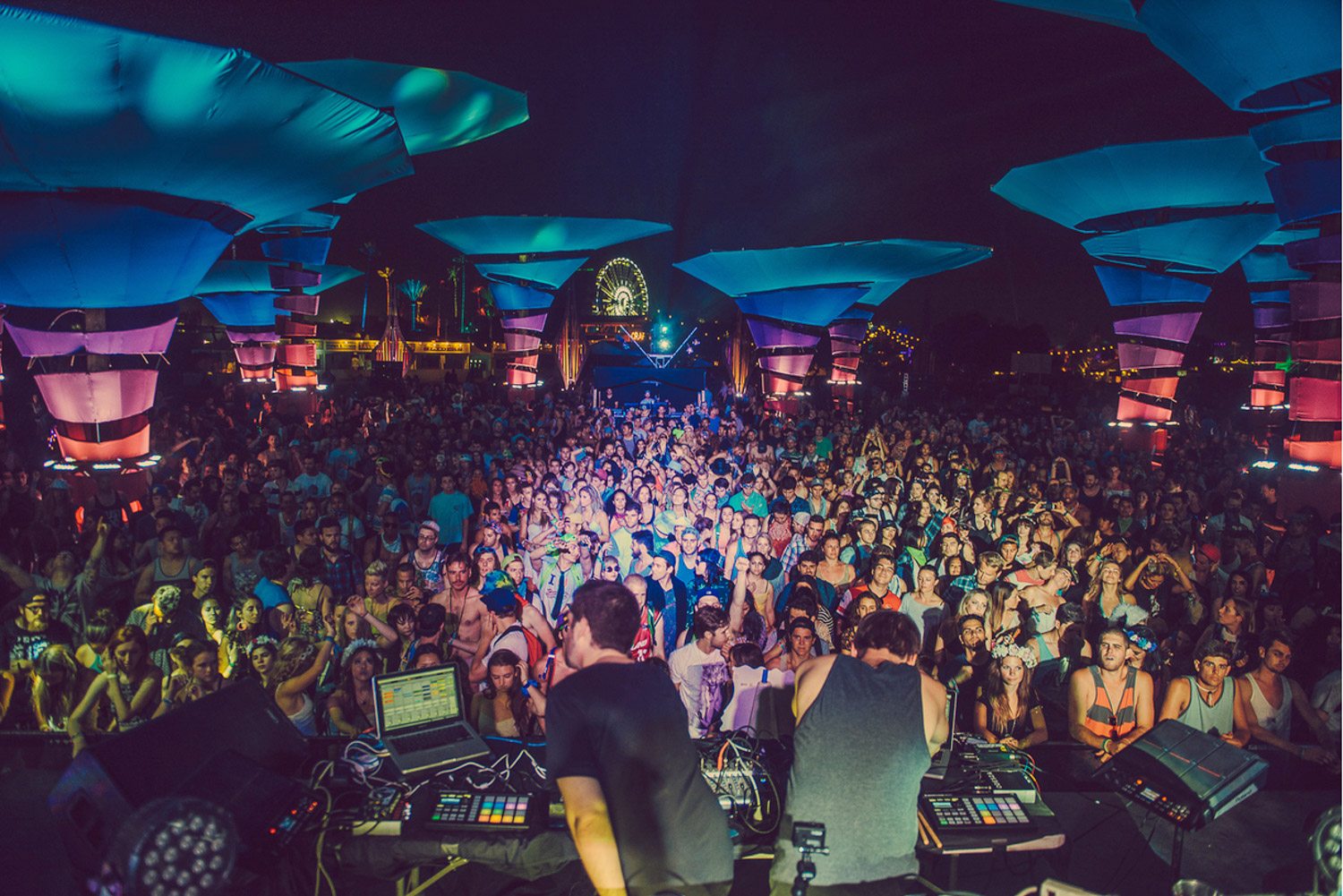
Do LaB Coachella 2014 (Courtesy of Do LaB)
DEDE: And he’s also thinking about how he’s going to build it. I think there’s a lot of designers out there that design things that might not be able to actually be built. But because we build these things as well it makes what he’s creating achievable. And efficient.
And he’s relentless. He doesn’t ever want to hear “no,” or “you can’t do that.” We have an engineer we work with and he’s amazing and they can collaborate together where the engineer knows exactly what he’s trying to achieve and doesn’t put limitations on him, just finds ways to make it work.
So obviously, it’s become a much larger operation over the course of 20 years. How has it been to scale to that?
JESSE: It’s been a gradual process. It’s never been abrupt or shocking or painful. And Goldenvoice, they really had our backs along the way. In the early years when we were young, they were like, “Oh, these scrappy little kids, just put them in the corner and let them do their thing.” But now they actually support us with a massive amount of resources. We care about the success of Coachella and the experience and the grass staying green just as much as they do.
DEDE: I think for the first nine or 10 years, we were doing a brand new structure every year. And we were getting bigger every year. That was starting to get really taxing on Josh because of the pressure to outdo yourself, outdo your last design.
Coachella was never asking us to go bigger. We’d always spend more than our budget. We went bigger on our own. We just can’t help it, we had to outdo it.
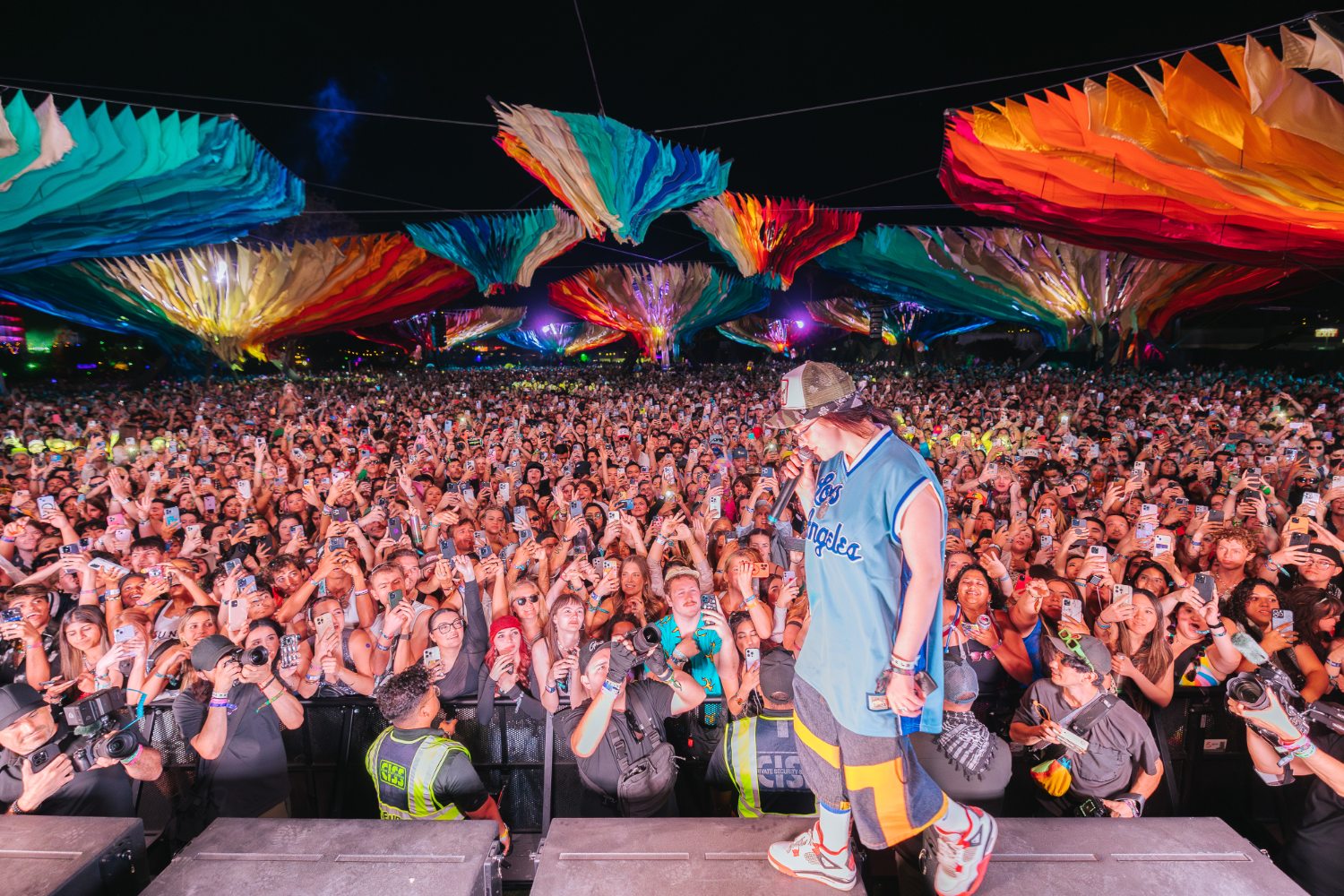
Billie Eilish performs at Do LaB Coachella 2024 (Courtesy of Do LaB)
And then it started to become more structural than whimsical. And we got to a point where it was just like, we can’t do this again next year, we got to do the same structure. It would be crazy to spend the money, the time, the energy. And that’s when we started repeating structures for two to three years. And that gave us even more opportunity to sit back, enjoy it, and then go even bigger the next time.
JESSE: From design to the beginning concepts to the fabrication process and installation — it’s probably like a six-month process. So we can’t spend half of our year, every year, recreating a Do LaB stage.
DEDE: All the while, Lightning in a Bottle is one month after this. We’re producing LiB while we’re designing, building and producing this Coachella stage. It’s kind of stupid. Like our two biggest projects of the year right on top of each other. But we’ve been balancing it for 20 years. There’s been some pain over the years, but we absolutely love it out here.
JESSE: We have an incredible team that’s been with us for a long time: builders, producers, designers. We have an army of people that are Do LaBbers and they have our backs and without them none of this would be possible. So we have a massive support structure.
DEDE: Jesse, Josh, and I’ve been focusing a lot of our energy this week on two things — watering the grass to keep it green and creating our backstage to make it as cool and vibey as possible.
JESSE: We have a fire hose out there and we just drag it around, like just hold it for hours. It’s kind of ridiculous.
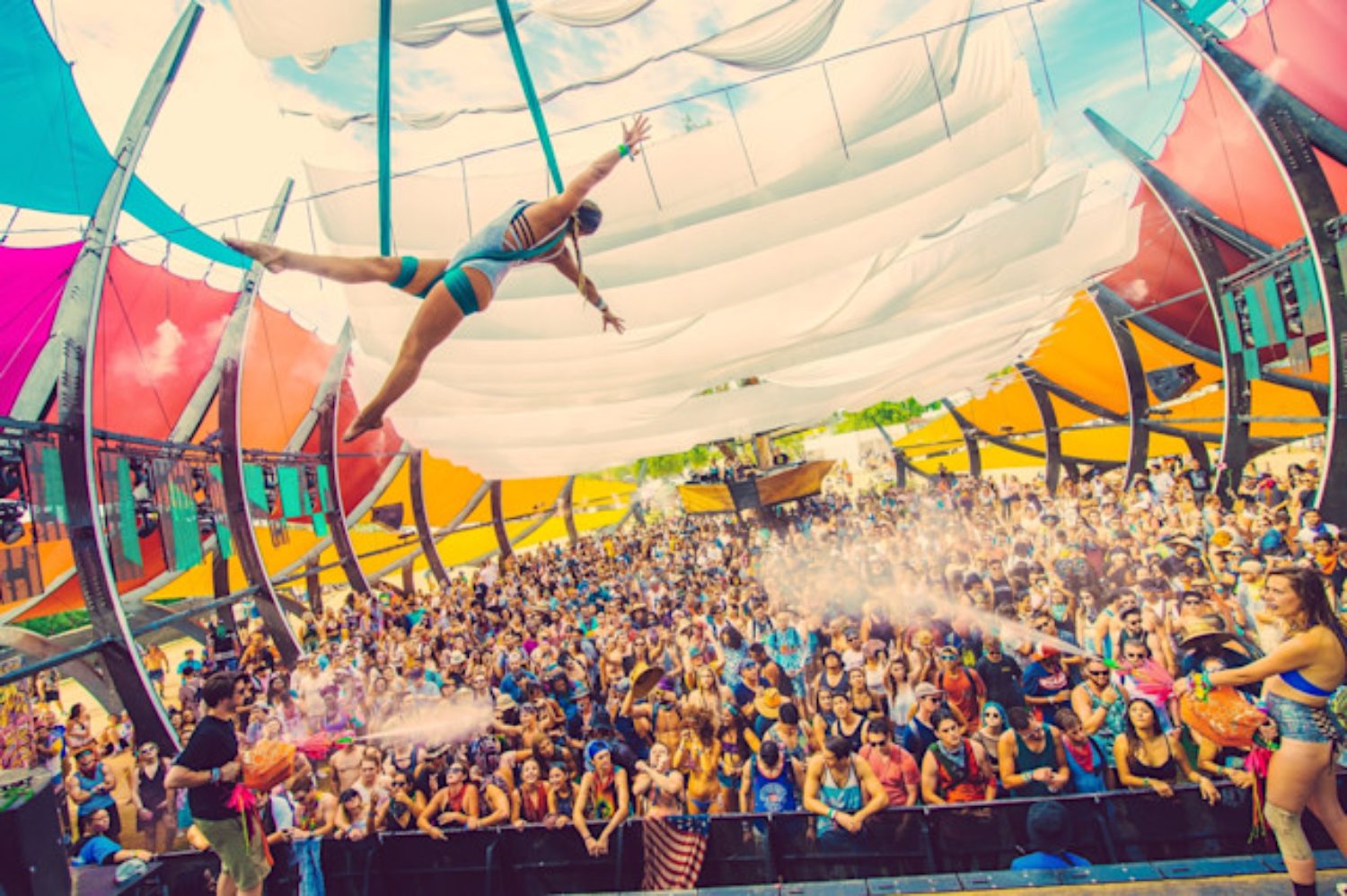
Do LaB Coachella 2016 (Courtesy of Do LaB)
DEDE: A lot of times when we’re out there focused on the structure and the build, and we neglect the party that we’re throwing all weekend. And then Thursday or Friday morning before doors, we’re just scrambling and exhausted to get our backstage vibe together. And this year we’re spending our energy on that because our team’s out there crushing it.
Like the three of us, we’ve got our work gloves on and we’re out there just doing it. 20 years in.
JESSE: Yeah. And most company owners, most festival owners, they’re not — they just point, they pop in and pop out. We’re out there on the ground with our team. That’s how we’ve been able to build this over 20 years.
DEDE: And it’s what we enjoy.
I read that it’s a family affair. Your dad comes out and helps, is that right?
DEDE: He’s sitting up there right now. He’s been here every year since 2007. He hasn’t missed one since then. He’s got more Coachellas under his belt than 98% of the kids out here.
You guys look really young, but knowing you’ve been at this for 20 years, and doing a little bit of math, you’re not spring chickens anymore. Where does the energy come from?
JESSE: I mean, it’s hard and it’s taxing on us. And honestly, we are in our mid-forties and it’s getting more and more challenging to go out there like you’re in your twenties and work all day and night — but we get such a high, a thrill from the end result.
When it’s all done and we get to stand under it and look at it, and then all these thousands of kids come in and this party and all these happy faces — it changes lives. It sounds kind of silly because all we’re doing is throwing big parties, but we’ve changed so many lives, like thousands and thousands of lives over the years.
And that for us is like the driving force that keeps us going. It’s a labor of love.
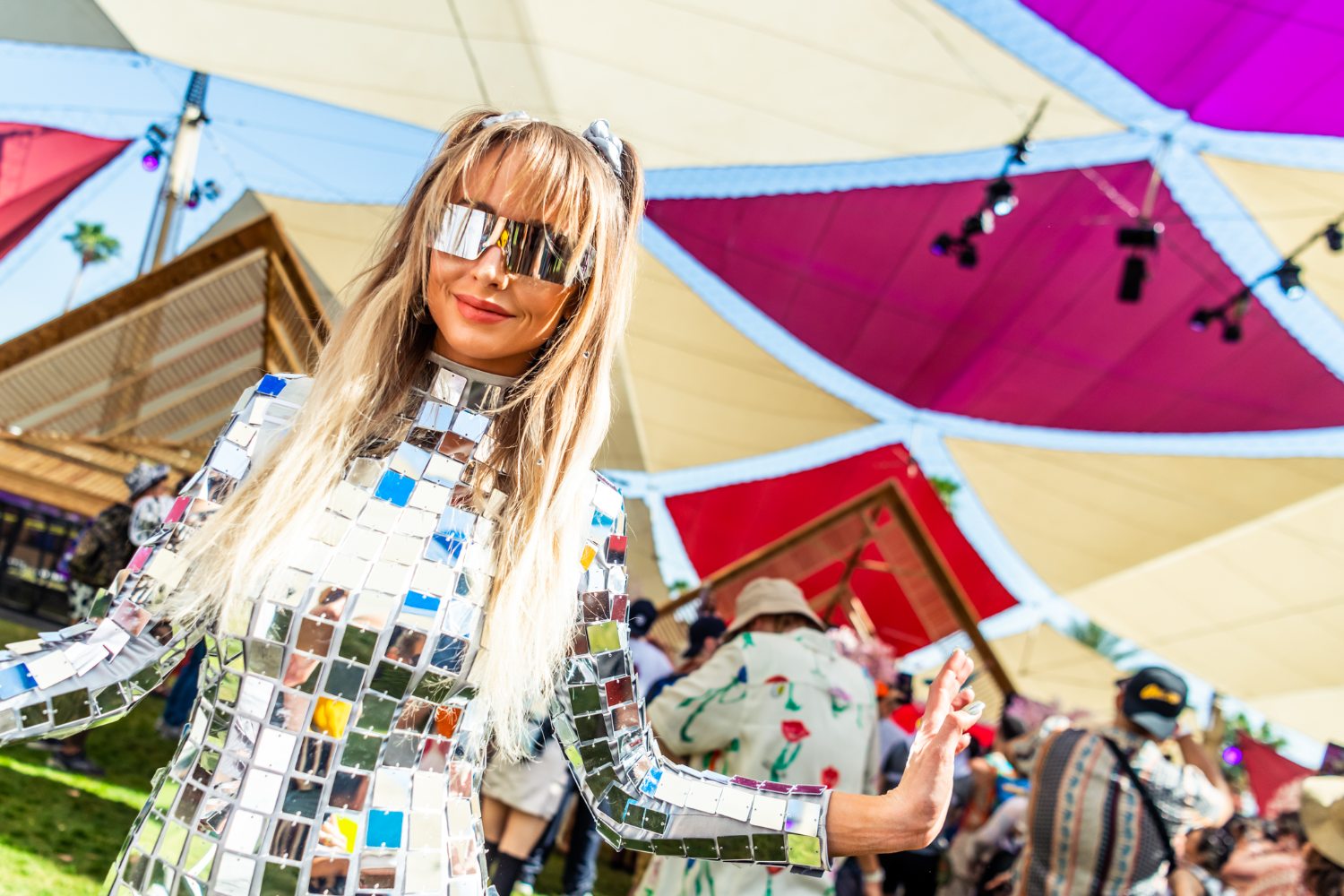
Fans at Do LaB Coachella 2023 (Courtesy of Do LaB)
DEDE: Yeah. I mean, that’s it for all of us. Our whole lives, even before the Do LaB, we’ve thrived on creating experiences for people, throwing parties and just getting the rush of watching people enjoy it.
What we’ve learned and what makes what we do special is the details. The team’s building the structure, which is detail-oriented, but since it’s the second year we’ve set it up, we get to focus on the details of everything else and we get a rush from that.
It doesn’t mean we’re not exhausted at the end of the day and fried midweek. But because we are older, we camp here on site with our team and we’ve been waking up 6:30 or 7, doing yoga in the campground. We have a whole gym we set up. So we’re trying to stay healthy. We’re trying to stay energized mentally and physically so that we can sustain through the month and throughout the party.
Is there anything special about 2025 that we can tell the fans to look forward to?
DEDE: We’re excited about the new location. And just seeing how that plays into the energy out here.
So much of what we talked about was collective energy, and having a new location for the first time in 10 years gives us a chance to explore that, play with that, and we have a big wide open space, much bigger than we’ve had before.
We’re at the entrance and we’re just really excited to see how that translates into our shows.
JESSE: And we’re gonna have surprises like we always do. It’s gonna be fucking awesome.
Stay up to date with the Do LaB on their Instagram. Interview edited for length and clarity.
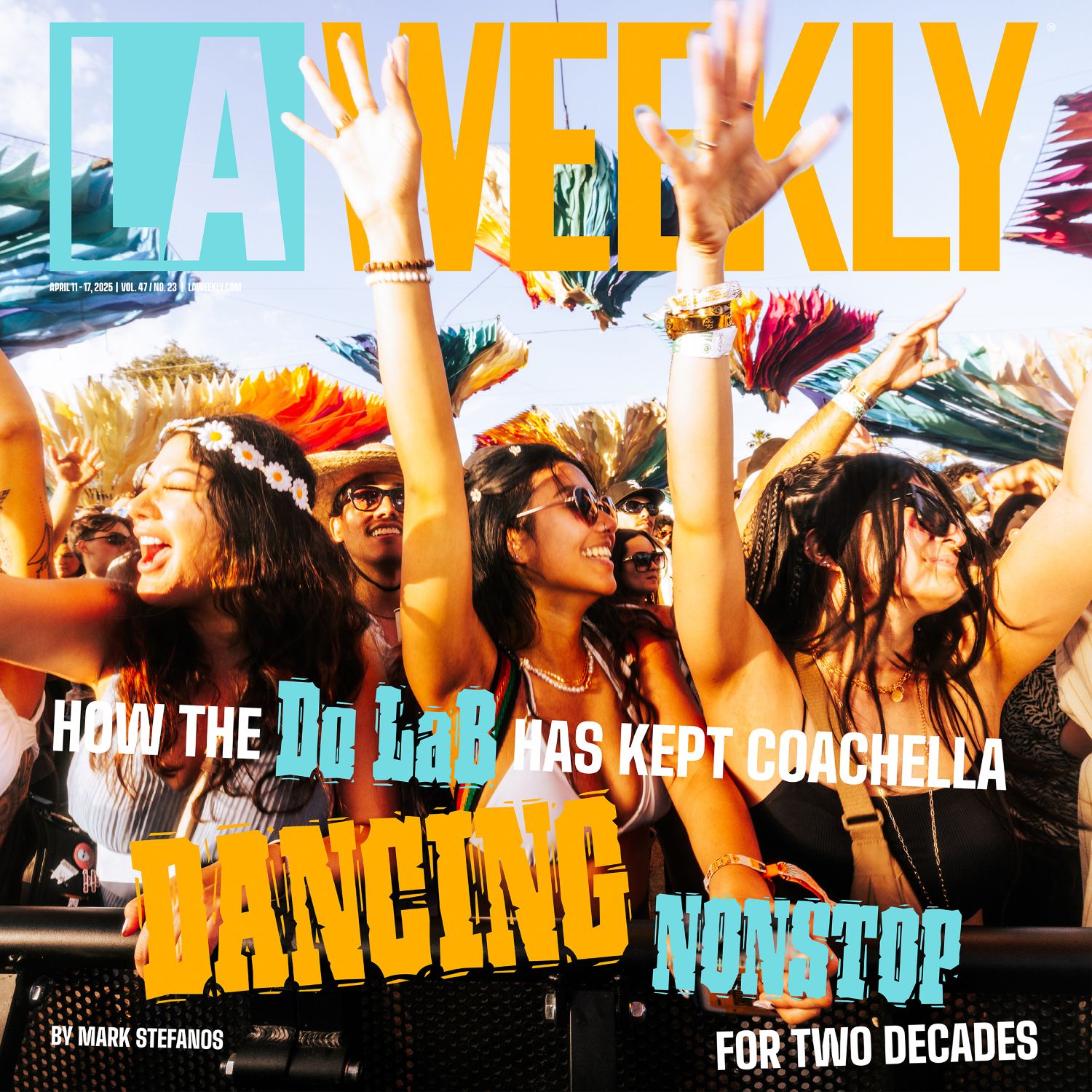
The April 11, 2025 cover of LA Weekly (Photo courtesy of Do LaB; Cover design: Jewel Baek)