
 Craig Lebrau
In a city built on image, the hardest thing to manufacture is trust. Yet that is exactly what Los Angeles brands have been hemorrhaging for years, and exactly what they are now trying to win back through an unlikely group of partners. The shift coincides with the federal government tightening the rules on paid social content. The Federal Trade Commission’s guidance on endorsements, influencers, and reviews, revised in 2023, has effectively put every #ad post under a microscope, accelerating a quiet but decisive change in how local brands market themselves. Across fashion, food, wellness, and hospitality, the celebrity endorsement is giving way to something smaller, scrappier, and more credible: the micro-influencer.
The math nobody wants to defend
A reality TV personality with three million followers can charge a six-figure rate for a single Instagram post and deliver an engagement rate hovering near 1 percent. Layer on AI-generated imagery, the slow normalization of obvious sponsored content, and a public increasingly fluent in marketing tactics, and the polished celebrity post starts to look less like aspiration and more like a billboard.
That fatigue has been particularly acute in Los Angeles. The city is the country’s largest concentration of celebrities, agents, and public-facing creative talent, which means it is also the place where audiences have the most exposure, and the most resistance, to marketing dressed up as recommendation. Authenticity has become its own form of currency.
Smaller followings, bigger trust
The category is loosely defined, but most marketers describe a micro-influencer as a creator with roughly 10,000 to 100,000 followers in a specific niche. The defining feature is not size but specificity: a micro-influencer typically focuses on a single vertical, like sustainable fashion, plant-based cooking, vintage Porsche restoration, or low-tox skincare, and has built an audience that follows them precisely because of that focus.
That focus is what brands are now buying. A creator who reviews mid-century furniture for a community of 28,000 design-obsessed followers in Silver Lake is, for a Mid-City showroom, far more useful than a reality star with two million followers and no obvious connection to the product.
Why Los Angeles broke first
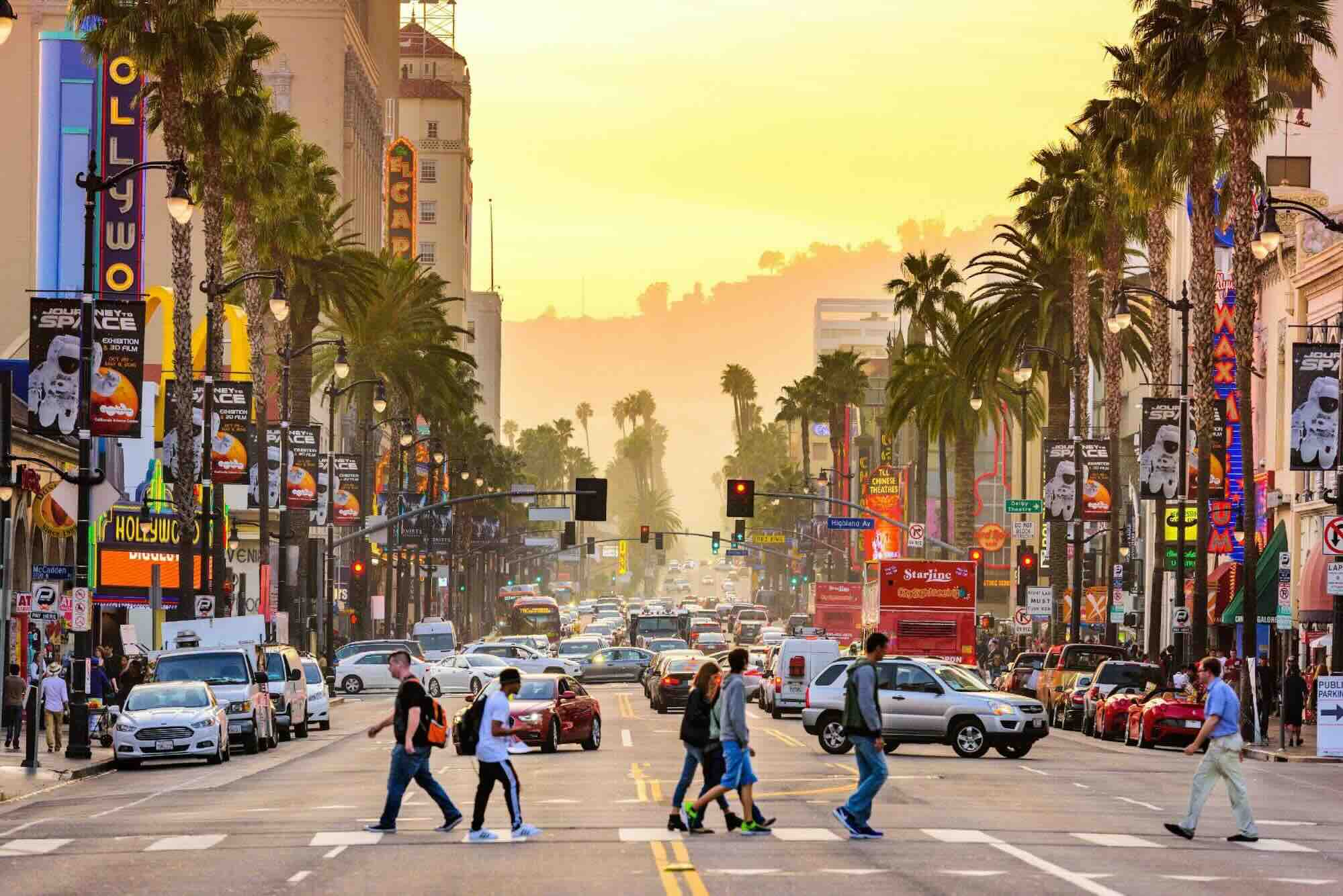
The city’s economy is unusually friendly to this approach. Independent fashion labels in the Arts District, third-wave coffee shops in Highland Park, boutique fitness studios in West Hollywood, and emerging skincare brands in Venice all share a common challenge: they need to look like a discovery, not an advertisement. Micro-influencers solve that problem because their content reads as personal endorsement rather than paid promotion.
LA’s neighborhood density also makes the format work. A creator’s recommendation of a Korean tasting menu in K-Town or a vintage shop in Echo Park feels actionable in a way that a Times Square billboard never will. The audience can be at the door within thirty minutes.
Where the budget actually lands now
For brands debating where to put their next dollar, the differences between celebrity-tier creators and niche partners are increasingly stark.
| What you’re comparing | Macro / celebrity creators | Micro / niche creators |
| Audience size | 1M+ followers | 10K to 100K followers |
| Engagement rate (avg.) | 0.8 to 1.5 percent | 3 to 7 percent |
| Cost per post | $20K to $250K+ | $250 to $5K |
| How audiences feel | Aspirational, distant | Peer-like, conversational |
| Tone of content | Polished, brand-led | Native, creator-led |
| Disclosure friction | High | Low (felt as recommendation) |
| Best for | Brand awareness | Conversion and community |
The numbers tell a familiar story: smaller creators tend to drive more meaningful action per dollar, even when total reach is lower.
The new playbook, in practice
LA brands that once allocated the bulk of their budget to a single celebrity ambassador are now distributing it across cohorts of fifteen, twenty, or fifty micro-influencers. The campaigns look different too. Instead of a glossy launch event followed by a single sponsored post, brands are building monthly programs in which creators document genuine product use, host community pop-ups, and collaborate on capsule drops.
Much of that operational shift is being led by agencies that specialize in matching brands with creator communities. A specialized influencer agency like ClarkInfluence builds long-term relationships with creators, handles disclosure compliance with the FTC, and structures campaigns around long-tail engagement rather than single-post reach. The result is closer to a content partnership than a traditional ad buy, and the deliverables, from reels and carousels to livestreams and in-store appearances, are designed to look native to each creator’s feed rather than templated across them.
The shift has been most visible in three categories. Independent fashion, where creators are styling pieces in their own way and driving direct sales through tracked links. Food and beverage, where smaller restaurants and CPG launches are using local food creators to drive foot traffic and shelf turnover. And wellness, where authenticity is non-negotiable and a recommendation from a trusted pilates instructor outperforms a celebrity endorsement by a wide margin.
A creator middle class is rising
For Los Angeles creators, the trend has reshaped a path that previously required either reality TV exposure or a million-follower account to be commercially viable. The city now has a working middle class of micro-influencers, including stylists, chefs, designers, athletes, and content creators, who earn a livable income partnering with brands that match their interests. That, in turn, has rewarded specialization: the more focused the creator, the more valuable they become.
After two decades of marketing dollars flowing toward whoever had the largest stage, the city’s most savvy brands are learning that influence at scale is no longer the same as influence that works.
Quick answers for the brands rethinking it all
So what really makes someone a “micro” influencer?
Not the title, and not the badge in their bio. It’s the audience. Most marketers count creators between 10,000 and 100,000 followers, focused on a single vertical like food, fashion, or fitness. The trick is whether the audience actually trusts them enough to act.
Have LA brands really moved on from celebrity ambassadors?
Most have moved on from leaning on them exclusively. Engagement rates on celebrity posts have steadily declined while costs have risen, and audiences now spot a paid placement faster than they spot a logo. Brands still run celebrity activations, but rarely as the entire strategy.
Is this kind of campaign expensive?
Not by traditional advertising standards. Most LA campaigns start in the low five figures for a small cohort and scale based on the number of creators, content volume, and exclusivity terms. Founders accustomed to a single celebrity post often double their reach, with multiples on engagement, for a fraction of what they used to spend.
Which kinds of LA businesses see the biggest lift?
Independent fashion labels, food and beverage brands, wellness studios, hospitality groups, and DTC product launches typically see the strongest results because their audience is local, niche, or both. The further the brand is from a discovery-driven category, the harder the channel works.
How do you know it’s actually working?
Promo codes, UTM links, lift in branded search, and in-store foot traffic are the obvious markers. The more telling signals tend to be saves and shares: those numbers track intent more reliably than likes, and they’re the ones smart brands now report to their boards.