
 Nia Bowers
From India to the United States, Bangladesh, and Indonesia, the healthcare strategist has built a career around listening first and designing systems that fit real communities.
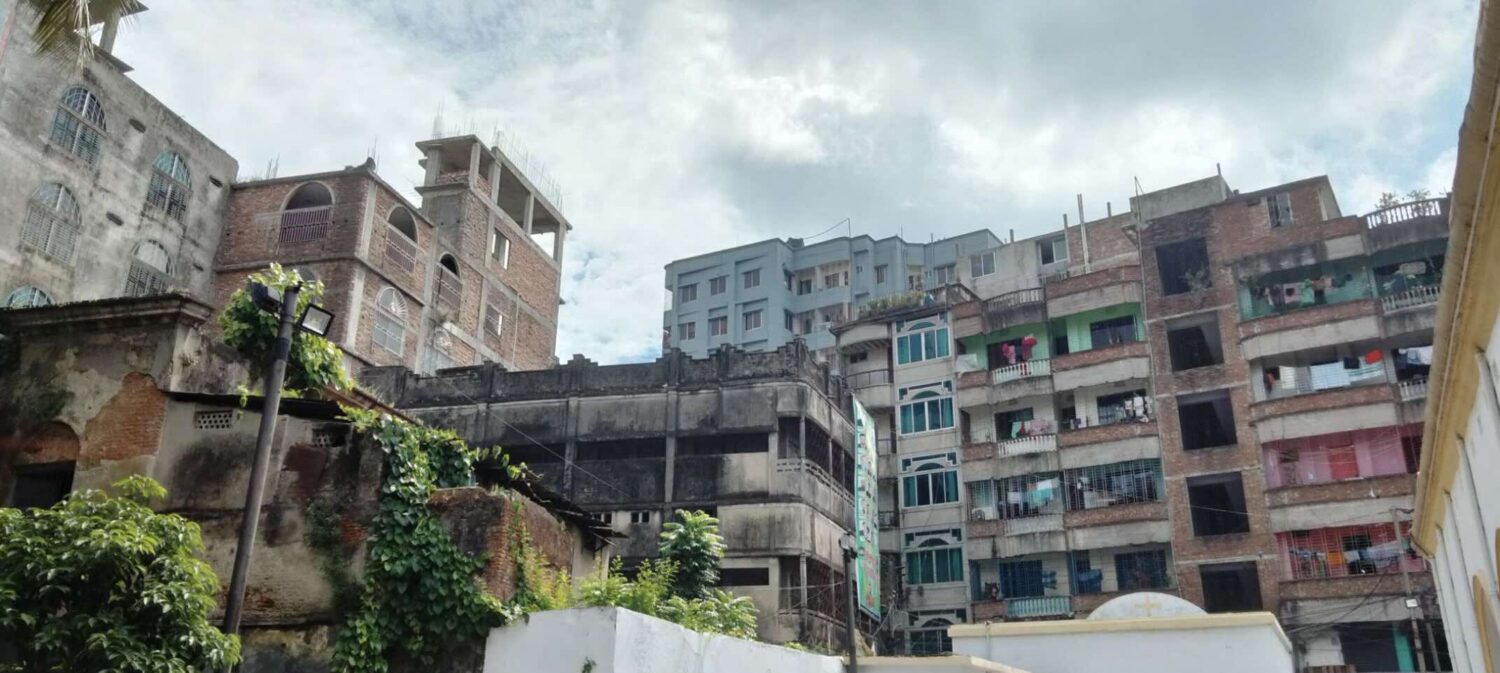
Divya Jain had just landed in Bangladesh when she understood the great opportunity in front of her. She had traveled there for Noora Health to help initiate an office design project for an implementation partner’s growing local team. The assignment was not simply to plan a workplace. It was to help create an environment that reflected the organization’s mission while giving a newly formed team a space that felt like its own.
“I was not there to impose an idea of what the office should be,” Divya said. “I had to understand the team, the culture, and the way people wanted to work together.”
That approach has become one of the defining patterns of her career. Divya is a healthcare strategist and human-centered design strategist whose work often places her inside unfamiliar systems. Her job is not to arrive with a finished answer. It is to observe, listen, build trust, and help create something that works for the people who will actually use it.
In Bangladesh, that meant leading workshops and discussions with the local team and architects. It meant paying attention to the emotional needs of a team that had come together after the pandemic. It meant designing for culture, not just function.
“Space carries meaning,” she said. “A workplace can help people feel connected, or it can make them feel like they are simply occupying a room. The design had to support belonging.”
Before Divya entered global health strategy, she learned many of those lessons through design education and community work in India. During college, she worked with an NGO and participated in social service projects that introduced her to the role design could play in everyday well-being. Her undergraduate thesis project, Craft Collective, took her across villages and towns in Andhra Pradesh and Telangana, where she developed a brand strategy for a state government craft initiative.

That experience shaped her view of design as something rooted in context. The work was not only about bringing visibility to traditional craft. It was about understanding the people, livelihoods, constraints, and histories behind the craft.
“That work taught me to look beyond the immediate brief,” Divya said. “A strategy only becomes useful when it reflects the conditions, constraints, and relationships around it.”
That belief later informed Kari, the purpose-driven social enterprise Divya founded to connect Indian craftsmanship with contemporary design and sustainable economic opportunity. Kari showed her how easily good intentions can fall short unless the people affected have a real role in shaping the outcome.
But Divya’s path would soon move across countries and systems. She relocated from India to the United States for graduate studies, taking on education loans, visa procedures, and the emotional weight of leaving her family and community behind. The move demanded more than academic effort. It asked her to rebuild her confidence in a new environment while holding on to the purpose that had brought her there.
“Moving abroad changes your sense of self,” she said. “You are learning a new system while also trying to remember why you chose the risk in the first place.”
Her work with Noora Health expanded that lesson. As the organization grew across countries, Divya stepped into roles that required strategy, design, facilitation, and cross-cultural collaboration. She contributed to caregiver education and engagement work, helped strengthen internal systems, and supported partnerships that connected healthcare, communication, and public health impact.
Her Bangladesh project was one test of that adaptability. Indonesia brought another.
Just as she was finishing the Bangladesh office design work, Divya was asked if she could travel with less than a day’s notice to be at a Memorandum of Understanding signing ceremony and present the next steps to partners and government stakeholders.
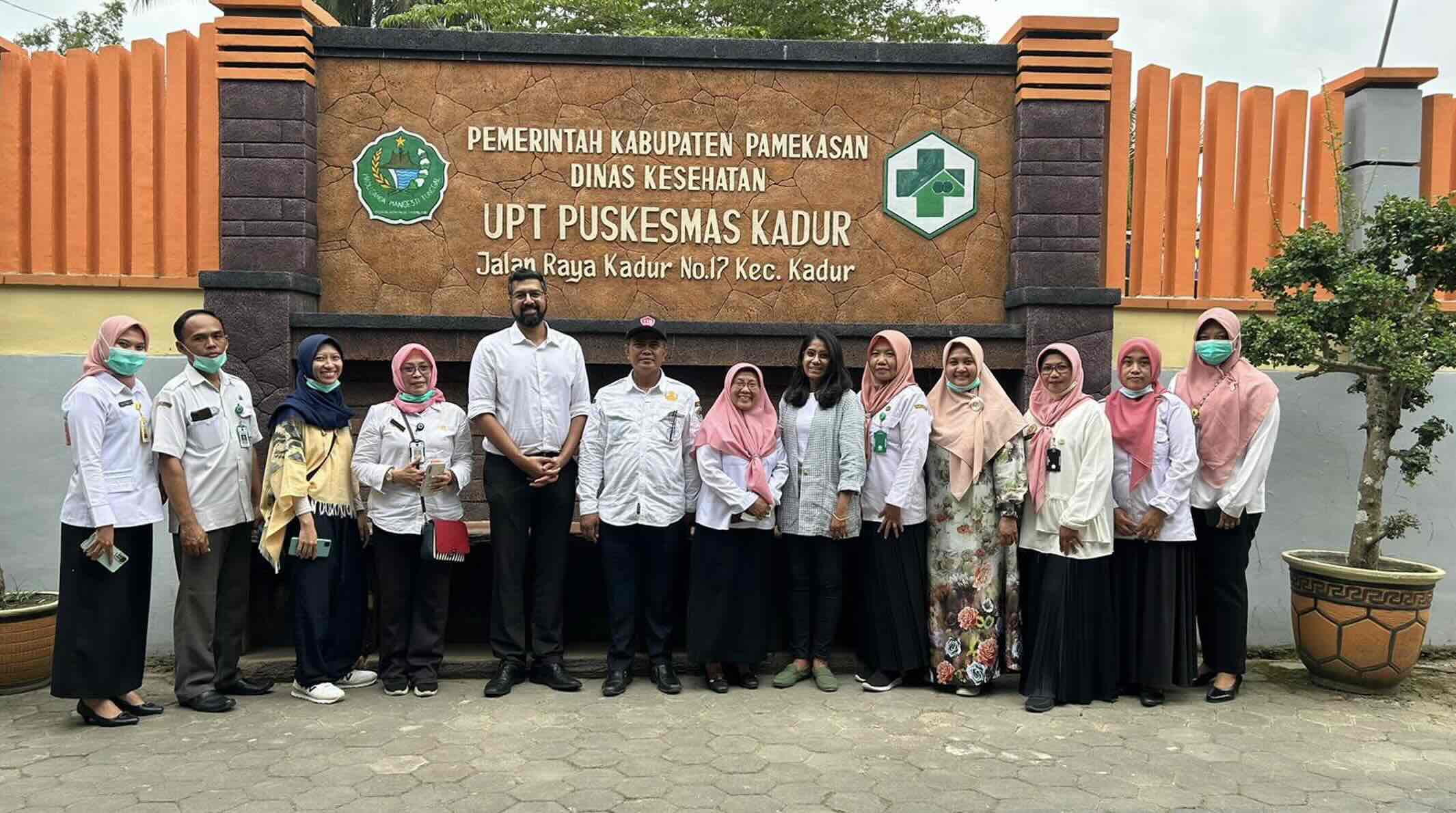
She began the trip almost immediately. The journey took her from Bangladesh to Surabaya, followed by a four-hour drive to Pamekasan. Once she arrived, she started experiencing small, unfamiliar situations. The charging ports were different. Her phone battery was low. She needed local currency for immigration fees. She had to find the driver who was supposed to pick her up. Very few people at the airport spoke English, so she relied on translation apps for even basic tasks.
“There were moments when everything felt unfamiliar at once,” Divya said. “The language, the logistics, the urgency, even finding water or a charger. I had to stay calm and keep moving because I knew why I was there.”
The trip became more than a logistical challenge. The team trusted her; that is why they sent her. Her leadership team had placed confidence in her, and she had to carry that confidence into the room with partners and government stakeholders. She reached the destination and had a great meeting with multiple stakeholders. The meeting marked an important milestone in the organization’s expansion efforts.
For Divya, working with Noora Health in India for 5 years and experiencing different languages, condition areas, and those home visits shaped her understanding and learning. Especially during the pandemic, when the entire world slowed down, she worked extra hours to help those in need. All these experiences helped her shine during her visits to Indonesia.
“You do not always get ideal conditions,” she said. “Sometimes you have to work with the language barrier, the time pressure, and the confusion and still find a way to be useful.”
That ability to work across differences is central to the problems Divya wants to solve. In healthcare, she focuses on translating research insights into practical systems that families, caregivers, clinicians, and organizations can use. She sees design as a bridge between what institutions intend and what people actually experience.
Her work asks questions that are both strategic and human. How do caregivers understand what they are being asked to do? How do teams align around a shared mission during rapid growth? How do organizations design experiences that support people rather than overwhelm them?
“I care about the space between insight and implementation,” Divya said. “It is not enough to know what people need. We have to build systems that can respond to those needs in real life.”
Her future goals reflect that scale of ambition. Divya sees herself growing into leadership roles and leading organizations committed to strengthening health systems and advancing social impact. She wants to help build healthcare systems that are more equitable, effective, accessible, and responsive to the people they serve.
The thread through her story is not a single country, job, or project. It is the discipline of entering new spaces with humility. Whether she is working with artisan communities, designing an office for a health organization or representing a global partnership, Divya returns to the same principle.
“You have to earn understanding before you make decisions,” she said. “The system often reveals itself through the people living inside it.”