
 Matthew Kayser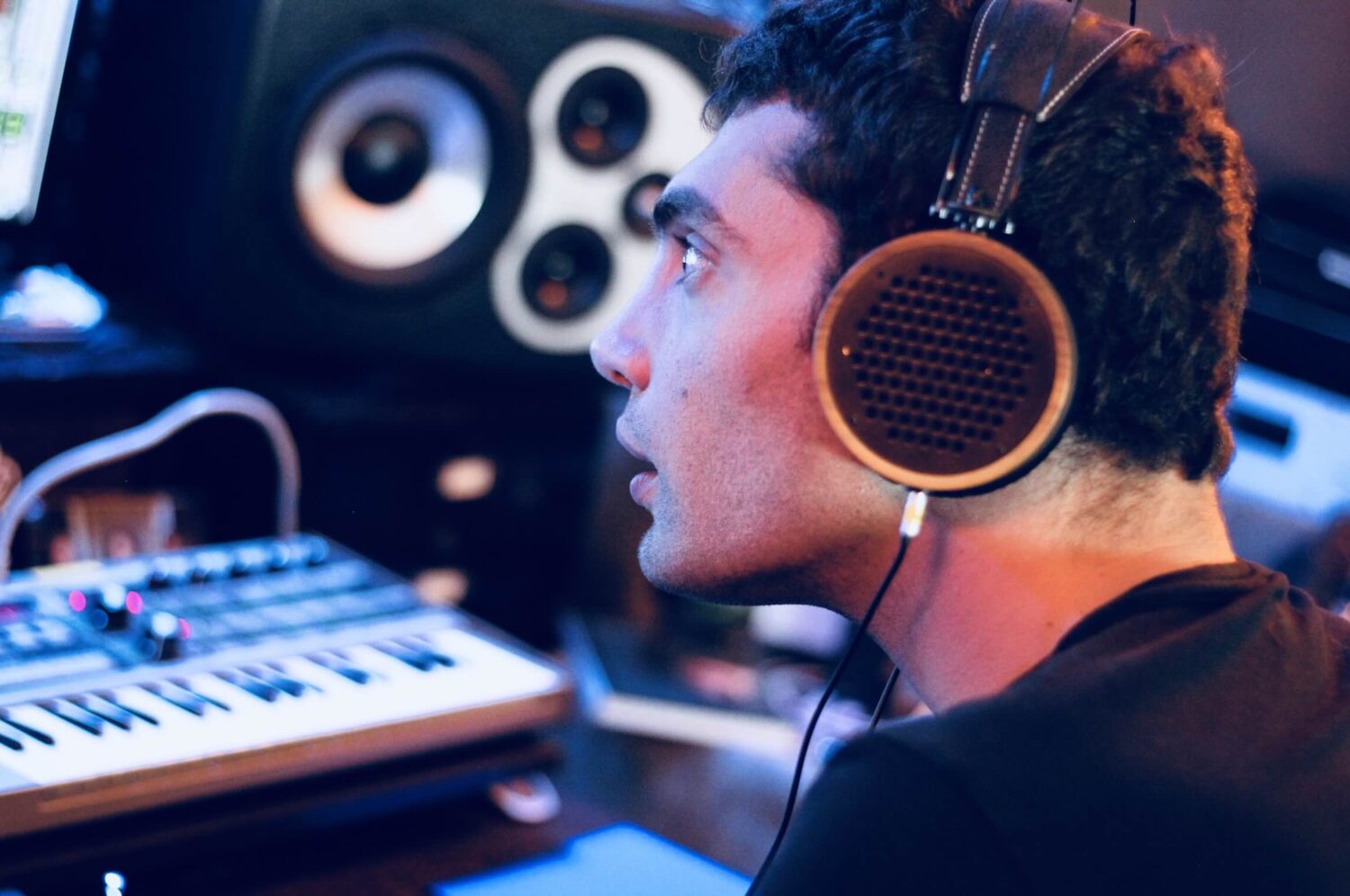
In the film industry sound is just as important as visuals. Audio is what makes audiences feel a story rather than just watch it. Sound engineer and designer Ghassan Abdelnour has built a career on that principle, bringing a sharp mix of technical skill and creative input to film and television projects that cover drama, sci-fi, and documentary.
Abdelnour’s work on The Grotto, directed by Tony Award winner Joanna Gleason and starring Breaking Bad’s Betsy Brandt, highlights exactly what makes him stand out. The film follows Alice, a woman who inherits half of a desert nightclub after the loss of her fiancé and job, and stumbles into a world of eccentric performers and buried truths. The desert setting could have remained flat or lifeless on screen, but Abdelnour created a soundscape that helped make the environment itself feel alive. The arid openness of the desert collides with the layered textures of the nightclub, making the grotto an emotional space that shifts with the story.
That ability to turn sound into a storytelling tool is part of why Abdelnour has landed such a diverse range of credits. He collaborated with Billy Zane on INT.HALLWAY/NIGHT, where he leaned into atmosphere and tension, proving that even a simple location can carry weight when sound is handled with precision. He also handled the sonic world of the sci-fi short The Start of the End, featuring Harvey Guillén (What We Do in the Shadows), where he built futuristic audio textures that felt immersive. And in the sports documentary The Shoulders of Giants, his work focused on authenticity — enhancing the natural sounds of the game so that viewers could feel the intensity of every moment.
What’s consistent across these projects is Abdelnour’s collaborative approach. He doesn’t just drop in effects or polish a mix. He works closely with directors to figure out what the story needs and how sound can help tell it. That approach was clear on The Grotto, where Gleason’s vision relied heavily on atmosphere. Abdelnour was able to match tone with technique.
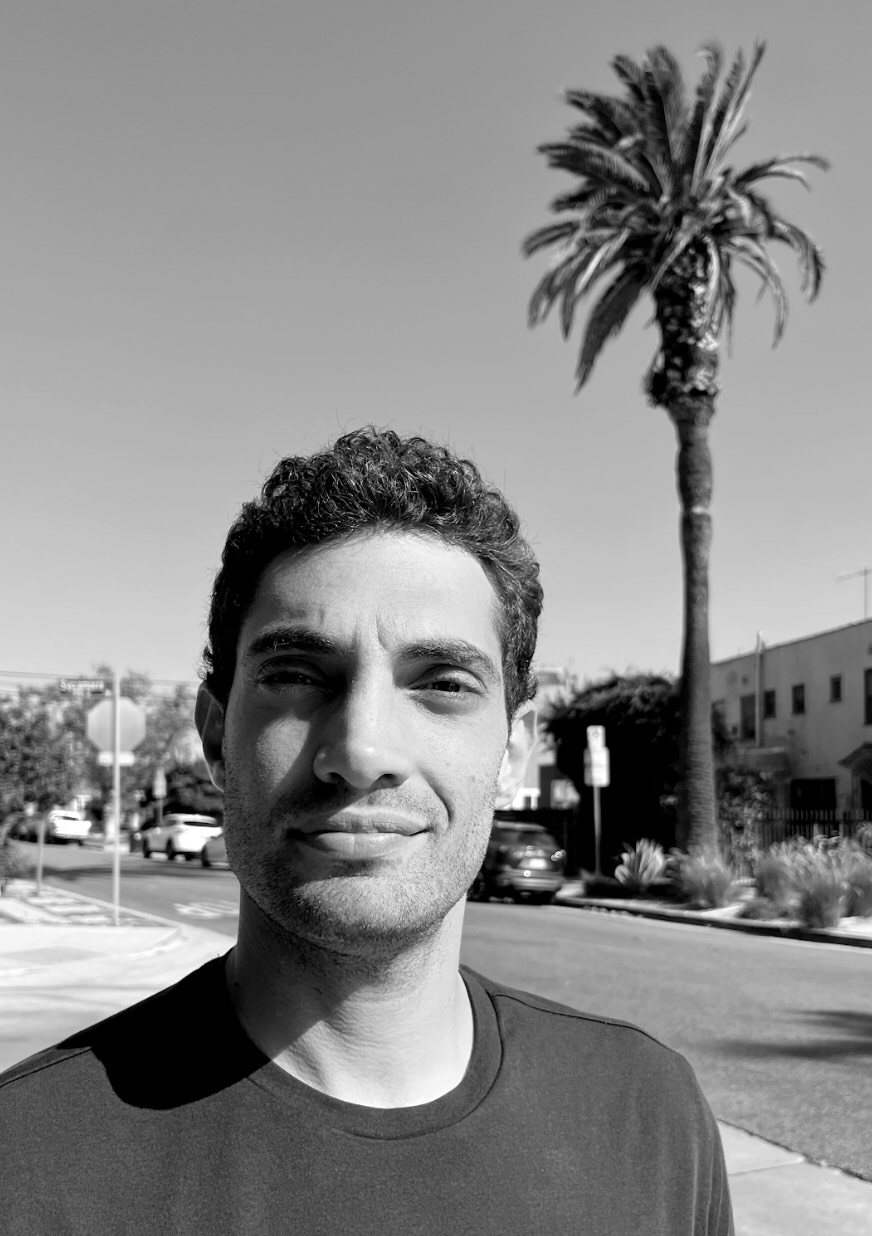
“Sound design isn’t just about filling in the blanks,” Abdelnour explains. “It’s about finding the right balance between what’s real, what’s heightened, and what the story needs the audience to feel.”
It’s a perspective that fits well in Los Angeles, a city that has long been a hub for blockbuster spectacle and experimental film. The city’s production ecosystem — from post-production houses to indie creators — gives sound designers like Abdelnour room to move between very different kinds of work. In many ways, LA’s constant demand for fresh content across film and streaming has made it the perfect environment for a professional like him.
As the entertainment industry shifts toward immersive viewing experiences, sound design is becoming more central than ever. For Abdelnour, that means his work isn’t just about technical delivery — it’s about shaping how stories are felt.
In this industry, having someone who can make an audience not just see but truly hear the difference might be one of the most valuable skills in the business.