
 Daniela LaFave
Alexandre Muller’s serving more than just match points.
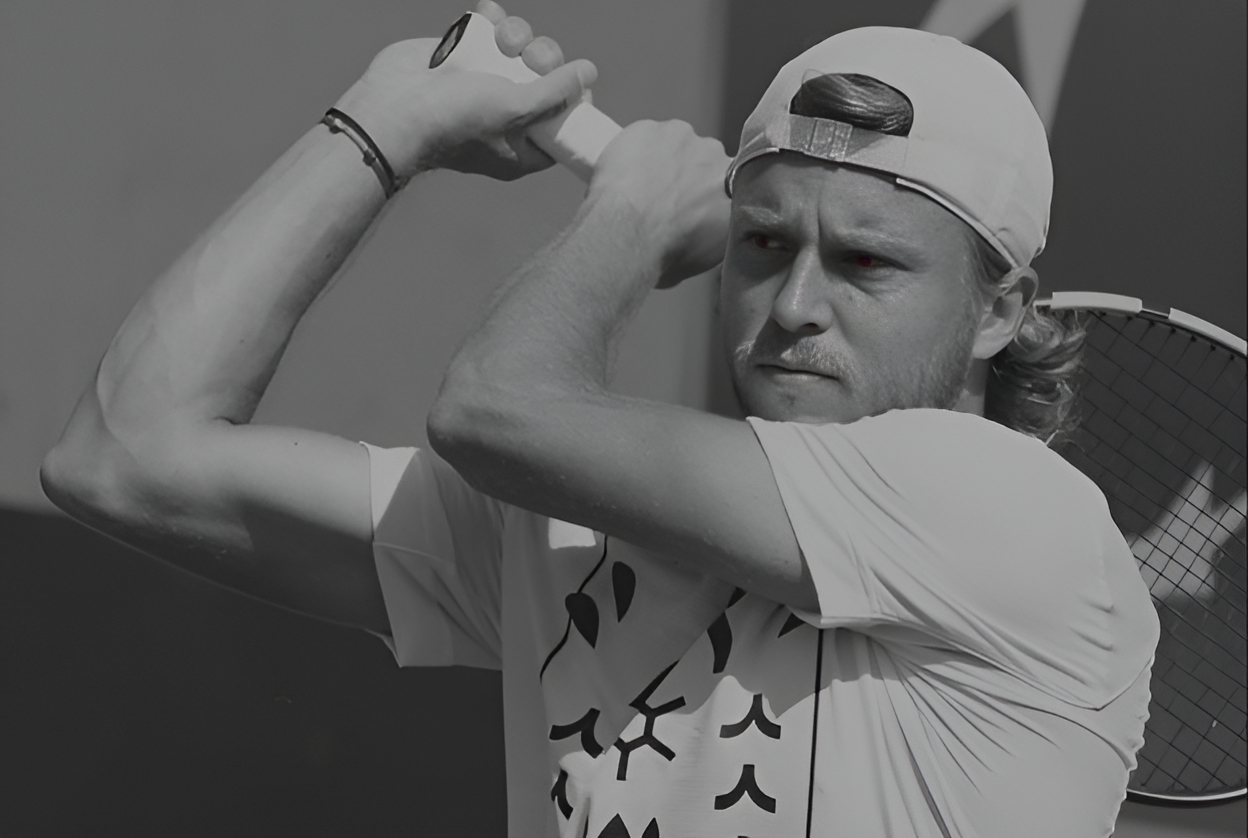
If you haven’t yet been acquainted with Alexandre Muller, then clearly your tennis game needs a little more French exposure. He’s a professional tennis player in France who isn’t yet a household name, but has slowly been climbing the rankings. He made headlines after the Rio Open final, which to date has been the biggest match of his career. He’s known for his gritty baseline play, his quiet rise through the ATP ranks, and, well, his looks.
He began working with OnlyFans in early January of 2024—not using the platform for adult content, but rather for sharing footage of behind-the-scenes training, lifestyle updates, and insights from his pro tour. Muller credits his sponsorship with OnlyFans for giving him the resources he needed for better coaching and support staff. The financial backing he received through OnlyFans helped him to pursue the training and coaching he needed to become a better player, and that backing is why he was able to enjoy his performance breakthrough in Rio.
Despite his success in Brazil, and the credit he gave to his professional sponsor, Muller wasn’t allowed to wear the OnlyFans logo on the kit he wore at Wimbledon due to strict traditionalist dress codes. Muller still found ways to subtly represent the brand that bankrolled his success, despite being banned from proudly displaying the logo on the clothes he wore while he played. Should readers care to do a closer inspection, they’ll find the OnlyFans logo on the cap that he wore during his press duties surrounding the event. Refusing to wear the logo at all wasn’t an option for Muller, as he understands well that modern athletes are more than just athletes—they’re content brands.
Muller isn’t alone in recognizing the value of the adults-only platform as a sponsor. OnlyFans didn’t originate as a platform for the erotic content that made it famous. It’s a subscription-based hub for training tips, training videos, and personal updates for devoted fans who are willing to pay for access to such things. Unlike corporate PR machines, OnlyFans allows for direct fan engagement in a way that allows athletes to nurture their fanbase without waiting for the next season. Athletes that are tired of waiting for corporate sponsorship or media coverage can now choose to monetize their persona on their own terms.
While some tennis fans and commentators have raised eyebrows at the OnlyFans logo on display, Muller’s results speak for themselves. The professional athlete is consistently playing better than ever and only continues to thrive as he’s able to use his sponsorship in order to pursue the kind of coaching and training that he wouldn’t be able to afford otherwise. The issue of OnlyFans in professional tennis isn’t one of scandal, but rather one of a self-funded career elevation. The partnership has sparked a long-overdue conversation about how athletes really manage to get by financially when they finish outside of the ranks of the top ten.
Muller’s move to accept sponsorship with OnlyFans was a modern move—one that was strategic, and refreshingly transparent in intent. Instead of continuing to wait for big-brand deals, he’s partnered with a platform that is often looked over due to the nature of the content that platform is associated with. That same platform that is so frequently looked down upon is the very same platform that allowed Muller to take full control of his own image, and his own story. And if his serve keeps improving, no one will care much about how he paid for his coaching.