
 Andrea Joy Dizon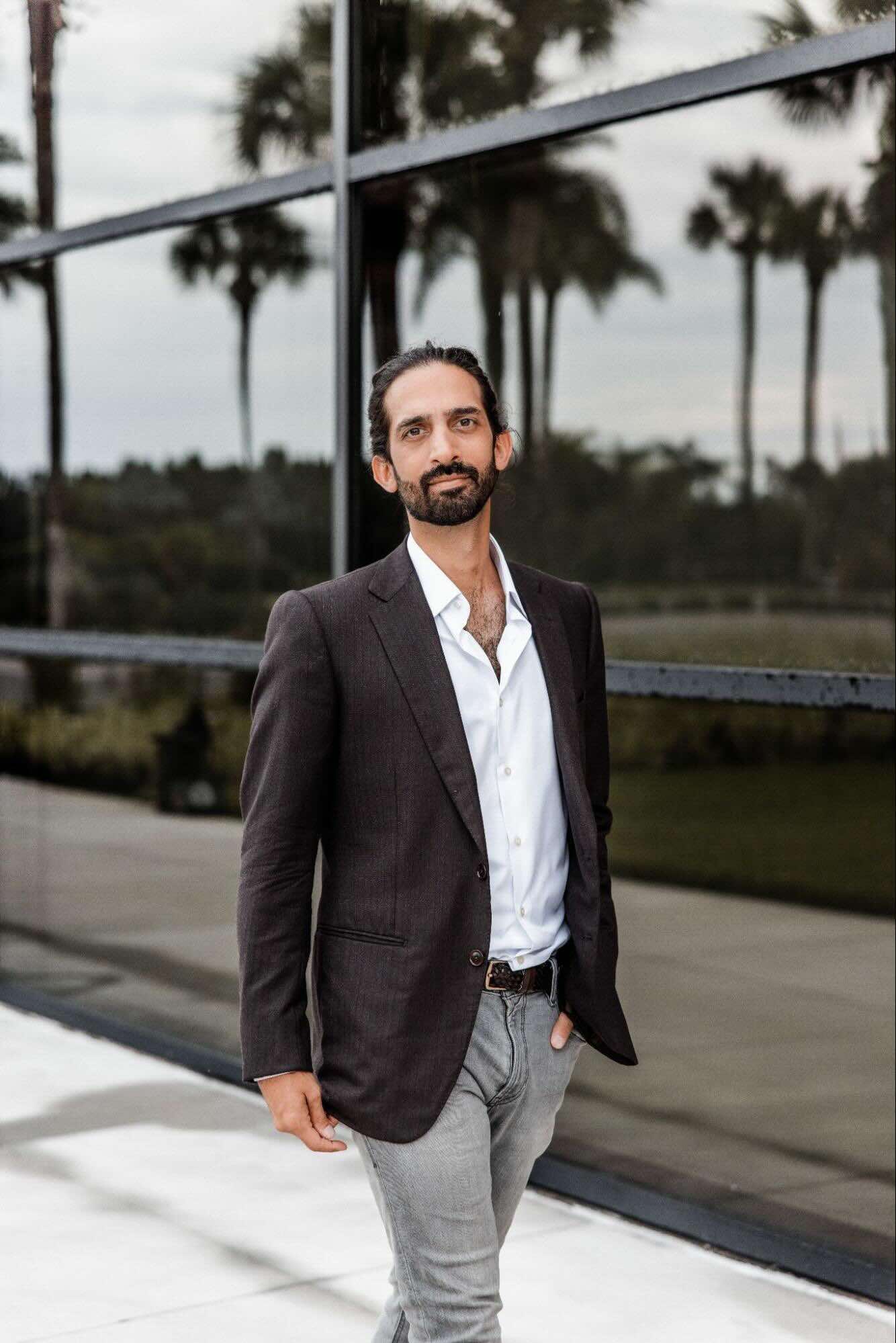
Photo courtesy of Rion Willard
An early career shaped in the studios of Grimshaw and RSHP taught Rion Willard how fragile even prestigious architecture practices can be when their financial engine falters. Years of watching gifted designers wrestle with low margins, unpaid overtime, and unpredictable cash flow pushed him to pursue a different path, one that treats business mastery as a creative act in its own right. That decision carried him from the drawing board to the front lines of practice leadership, where he now helps hundreds of architects rebuild their firms into resilient, profitable enterprises without compromising their design ambitions.
From Overworked Architect To Relentless Business Strategist
Rion Willard left The Bartlett with the same dream that drives thousands of young architects: to shape cities, mentor teams, and see his concepts built in steel and glass. Years later, he found himself in the familiar grind of long nights, fragile fees, and constant financial anxiety inside prestigious firms such as Grimshaw and RSHP, wondering why brilliant designers so often lived at the mercy of cash flow. That friction between talent and reality became the spark that redirected his career from designing buildings to rebuilding how architectural practices operate.
Instead of simply escaping the pressure, he chose to dissect it. Client meetings, fee proposals, time sheets, write‑offs—every element became data in a personal experiment to decode why so many studios hovered on the edge of burnout despite strong portfolios. The result would later become a global business platform serving architects in more than 50 countries and reshaping how firm owners think about money, leadership, and freedom.
Today, Willard serves as Director of Consulting and Business Transformation at Business of Architecture, a role that places him in the boardrooms and on Zoom calls of more than 300 firm owners worldwide. Through deep coaching, structured programs, and a relentless focus on results, he has helped practices double their revenue, lift fee levels, and reclaim up to half of their working week without abandoning their creative ambitions. His journey from studio floor to strategic advisor reads less like a gentle career pivot and more like a sustained campaign to pull an entire profession out of survival mode.
“Architects are told to accept scarcity as the price of doing meaningful work,” Willard has remarked in interviews. “That story keeps too many great practices small, underpaid, and exhausted. My work is about breaking that pattern, one firm at a time.”
The SMART Practice Method® And The 300-Firm Test
The turning point in Willard’s career arrived when he co-developed the SMART Practice Method®, a structured business system specifically designed for architects, rather than generic professional services. Built around four pillars—psychology, process, people, and profit—the framework tackles everything from pricing strategy to hiring plans in language that design‑driven founders actually understand. Over 300 firms worldwide now rely on this method as their operating system for growth, a real‑world test bed that has refined the model through years of direct application.
Client stories carry a consistent pattern. A small studio stuck at a revenue ceiling breaks through to seven figures within a few years, without expanding headcount beyond what the culture can handle. A regional practice reduces its principals’ working hours by up to 50 percent after restructuring roles and resetting fees, while profit increases rather than erodes. Another firm stops discounting proposals, learns to articulate value, and begins charging up to three times more for specialized services, attracting better clients instead of chasing the cheapest tenders. Each outcome reflects the same underlying thesis: architects can build serious businesses when they stop treating numbers as an afterthought.
Business of Architecture’s programs now support practices across the UK, the United States, Europe, and beyond, providing Willard with a live dashboard of what actually works in diverse markets. Through the “200 Club” initiative, he and co-founder Enoch Sears benchmark firm performance, share standards for healthy profitability, and encourage owners to transition from fragile project-to-project survival to sustainable growth. That network effect amplifies his influence; every firm that stabilizes revenue and strengthens leadership creates more resilient workplaces for staff and more reliable outcomes for clients.
Alongside coaching, Willard contributes as an advisor to the RIBA Presidential Taskforce on Workplace and Wellbeing, where his experience with hundreds of firms informs policy discussions on healthier practice models. His perspective carries unusual weight precisely because it arises from daily exposure to real balance sheets, real payroll struggles, and real conversations with founders on the edge of burnout. When he argues that financial literacy is now a survival skill for architects, he supports his claims with hundreds of case studies rather than relying on abstract theory.
A Global Voice Redefining The Business Of Architecture
Willard’s shift from architect to business leader gained velocity through the microphone. As co-host of the Business of Architecture podcast—now a top 1 percent AEC show with more than 2.1 million downloads and a YouTube audience of over 110,000 subscribers—he has interviewed hundreds of practice owners, developers, and consultants about the realities of building profitable firms. Those conversations created a public archive of strategies, failures, and comebacks that many architects use as an informal MBA in running a practice.
Media recognition followed the impact. Willard’s work has been featured in Forbes and Monograph, and he has authored articles in publications such as Architecture Today and Matzine, exploring why architects are rarely trained to lead yet must master leadership to survive. Features on platforms like ArchDaily and coverage of the SMART Practice Method® in industry outlets helped cement his reputation as a specialist at the intersection of creativity and commerce, rather than a coach offering generic advice from the sidelines.
His influence extends beyond podcasts and print. Invitations to speak at institutions such as the Royal Institute of British Architects, AIA Atlanta, and AIA Austin have placed him on stage in front of the very professionals he once worked alongside in traditional studios. There, he challenges audiences to rethink what success means—arguing that profitability, far from corrupting design, gives architects the agency, time, and resources to pursue ambitious work.
His selection as a judge for the Surface Design Show and his advisory roles within the profession underscore the depth of trust placed in his judgment by peers and industry leaders alike. “Profit is oxygen for practice,” Willard has said when speaking to firm owners wrestling with low fees and heavy workloads. “When a studio can breathe financially, it can think more boldly about its projects, its people, and its purpose.”
From the studios of Grimshaw and RSHP to the helm of a global education and consulting platform, Rion Willard has built a career on one central conviction: architects deserve thriving businesses equal to the quality of their ideas. Through the SMART Practice Method®, the Business of Architecture ecosystem, and his growing body of writing and speaking, he has helped hundreds of leaders prove that conviction in their own profit-and-loss statements—and, in many cases, in the reclaimed evenings they now spend away from their desks.