
 Nia Bowers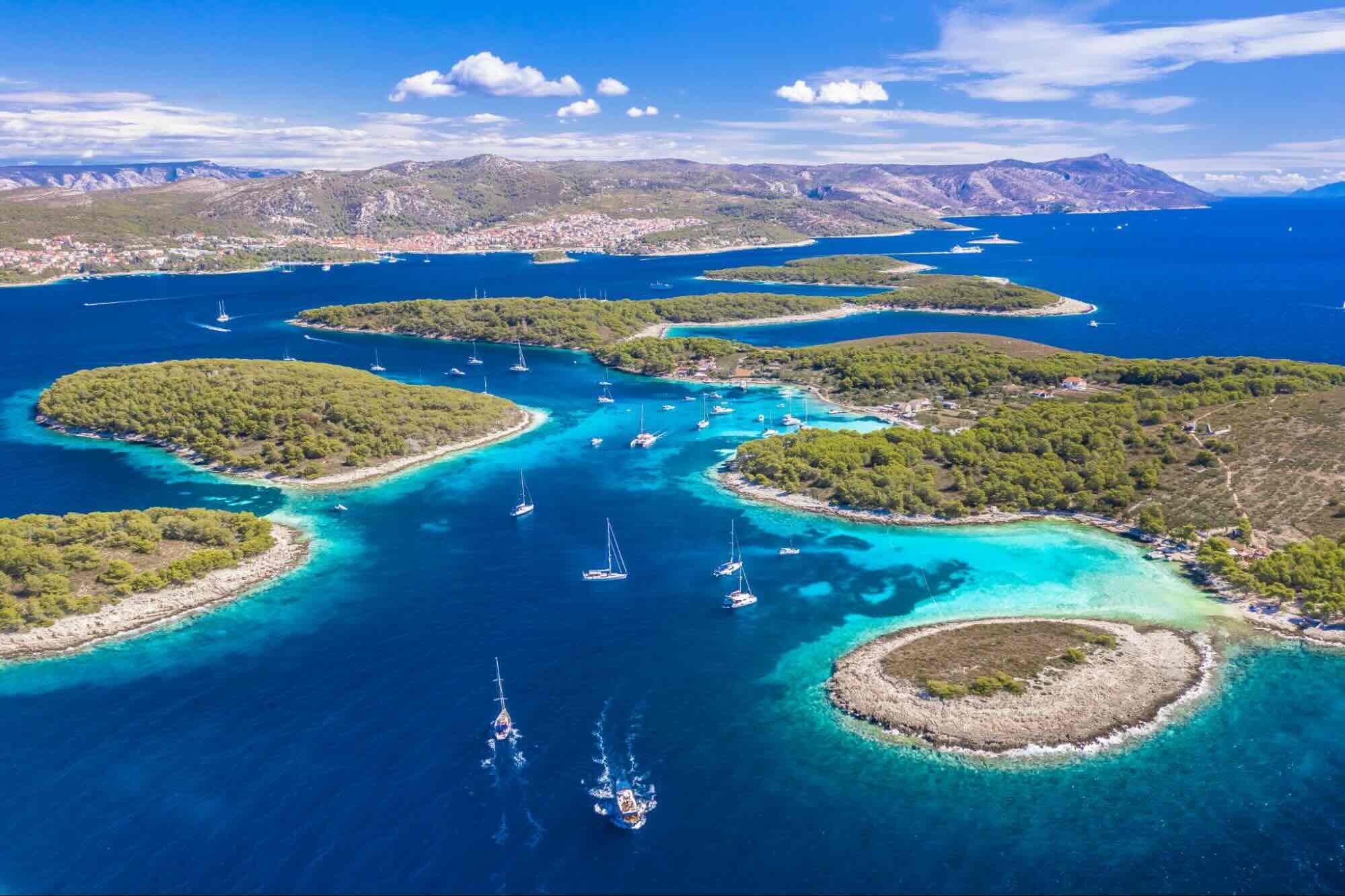
Courtesy of Split and Dalmatia County Tourist Board
This summer, for the first time, you can fly nonstop from New York to Split, Croatia. A new route in April cuts what used to be a 13-hour minimum connection down to ten hours direct. It is a small logistical fact, but one that means a lot: one of the most compressed and varied stretches of land and sea in Europe just got significantly easier to reach from the United States.
Central Dalmatia, the county anchored by Split, is the Mediterranean equivalent of what California is to America. Around 300 sunny days a year, palm trees, and a backdrop of dramatic mountains. The Pacific Coast Highway has its version of this drive. Here, you do it by boat, island to island, across one of the most indented coastlines in Europe. From history to gastronomy and leisure, this region has it all.
Where Rome Never Left
Courtesy of Roko Levar / Split and Dalmatia County Tourist Board
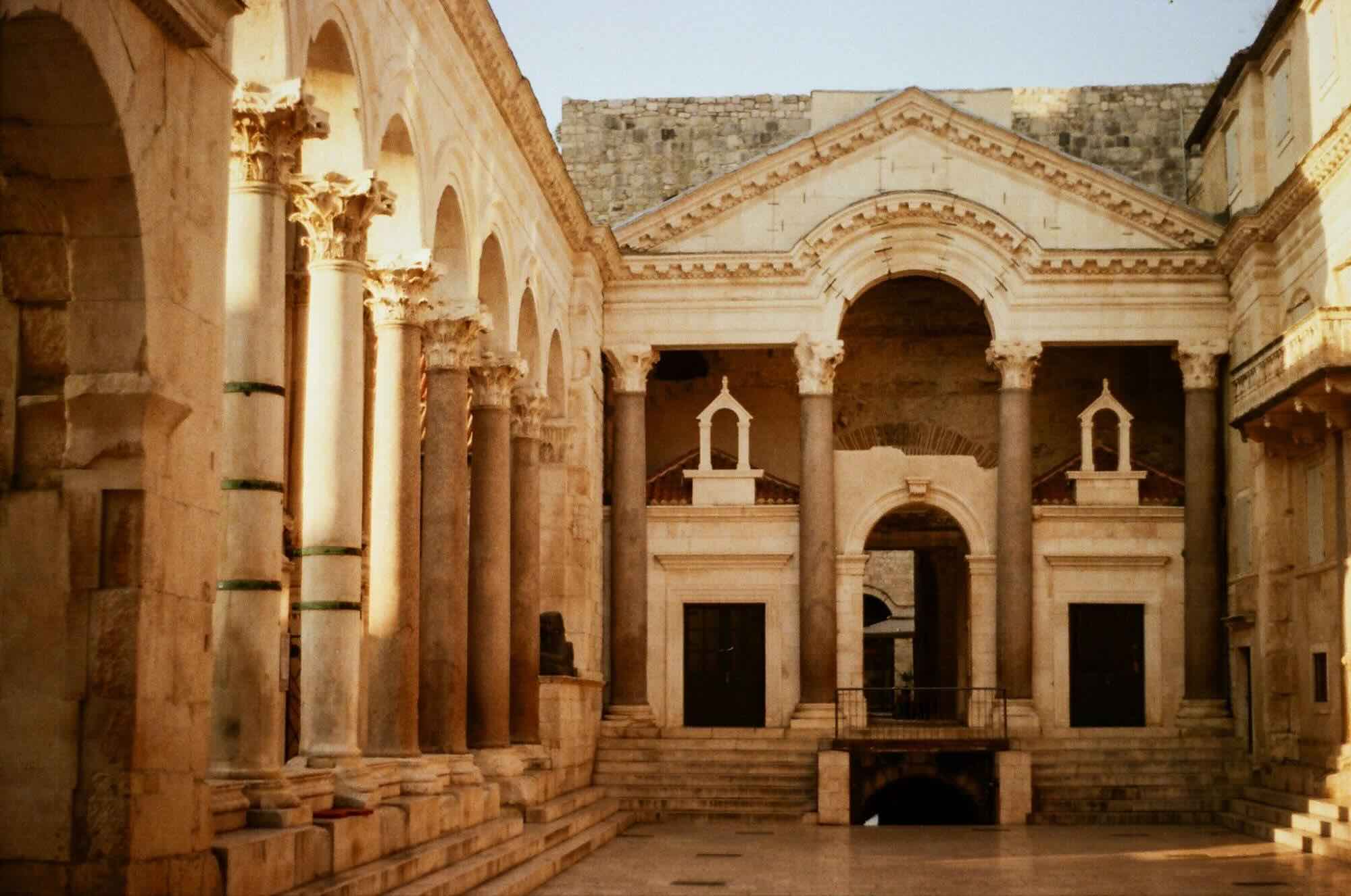
Split is the entry point, and this journey starts on a high note. Its old town is built inside a 3rd-century palace of the Roman emperor Diocletian. He chose this stretch of Adriatic coast for his retirement, and the city has since taken over. Spreading through his walls, over his floors, and into his courtyards. What remained is one of the best-preserved examples of Roman palatial architecture in the world, a UNESCO World Heritage Site. Today, these same squares and narrow streets that the Romans once walked are a place to gather, from morning coffees to late lunches. Each July, the courtyard becomes the main stage of the Split Summer Festival, filling fourteen venues across the city with opera, ballet, and orchestra concerts. It has been running since 1954, which, compared to its surroundings, makes it practically new.
A short drive from Split takes you to the Kaštela Valley, whose taste might land closer to home than you expect. It is the homeland of Zinfandel. Not metaphorically. DNA analysis in the 1990s confirmed that Crljenak Kaštelanski, grown here for centuries, is genetically identical to the grape behind some of California’s most famous wines.
The Islands That Have It All
From there, the islands begin. The first island-hopping destination is definitely the island of Brac. An hour by ferry away, its southern shore ends in Zlatni Rat, a white pebble spit that shifts shape with the current. It’s been photographed so many times that it might seem unreal until you experience it in person. The island today still produces olive oil from groves that have been cultivated for centuries, and each October holds the Olive Picking World Championships in the village of Postira, which draws competitors from across the Mediterranean and is considerably more serious than the name suggests.
Courtesy of Split and Dalmatia County Tourist Board
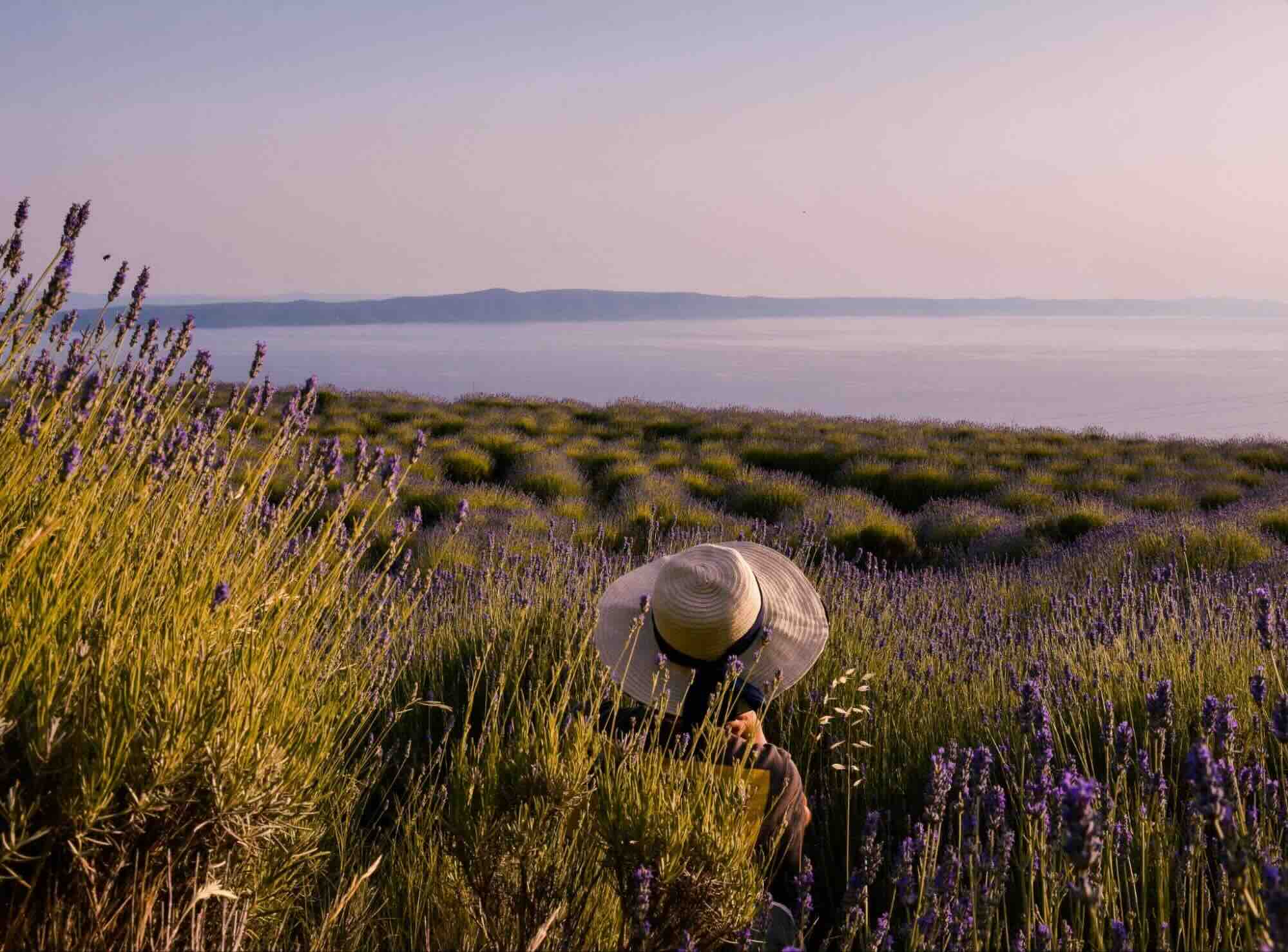
Moving west, the island of Hvar has spent centuries providing reasons to visit and has not stopped yet. From the old town’s 16th-century fortress, and the first public theatre in Europe, to a UNESCO-listed agricultural plain planted with lavender, vines, and olive trees. In July, the harvest brings producers to the island’s centre, small city fairs appear, and the scent of lavender is everywhere. There’s no question why it’s been the location in the Mediterranean for many celebrities. Secluded coves, bright blue sea, and impeccable nature, all of it in one spot. From June to October, the Hvar Summer Festival brings art into the city, with classical music and theatre in settings that most festivals would invent if they could: a Franciscan monastery, a hilltop fortress, and the stone stages of two inland villages.
For daily trips, a must-visit are the Pakleni Islands, an archipelago of pine-covered islets and deserted coves, just a ten-minute boat ride from one of the busiest harbours on the Adriatic.
The Island That Closed Itself Off
Courtesy of Split and Dalmatia County Tourist Board
Vis is the Mediterranean as it once was. The island was sealed as a Yugoslav military base until 1989, which made it resistant to modernisation and construction often seen in tourist destinations. In the small towns of Vis and Komiža, the tradition is daily life. Gardens still feed the tables, boats still work the water at dawn, and the Viška pogača, a flatbread of anchovies, capers and olive oil with a thousand years of history, still finds its spot at a family meal.
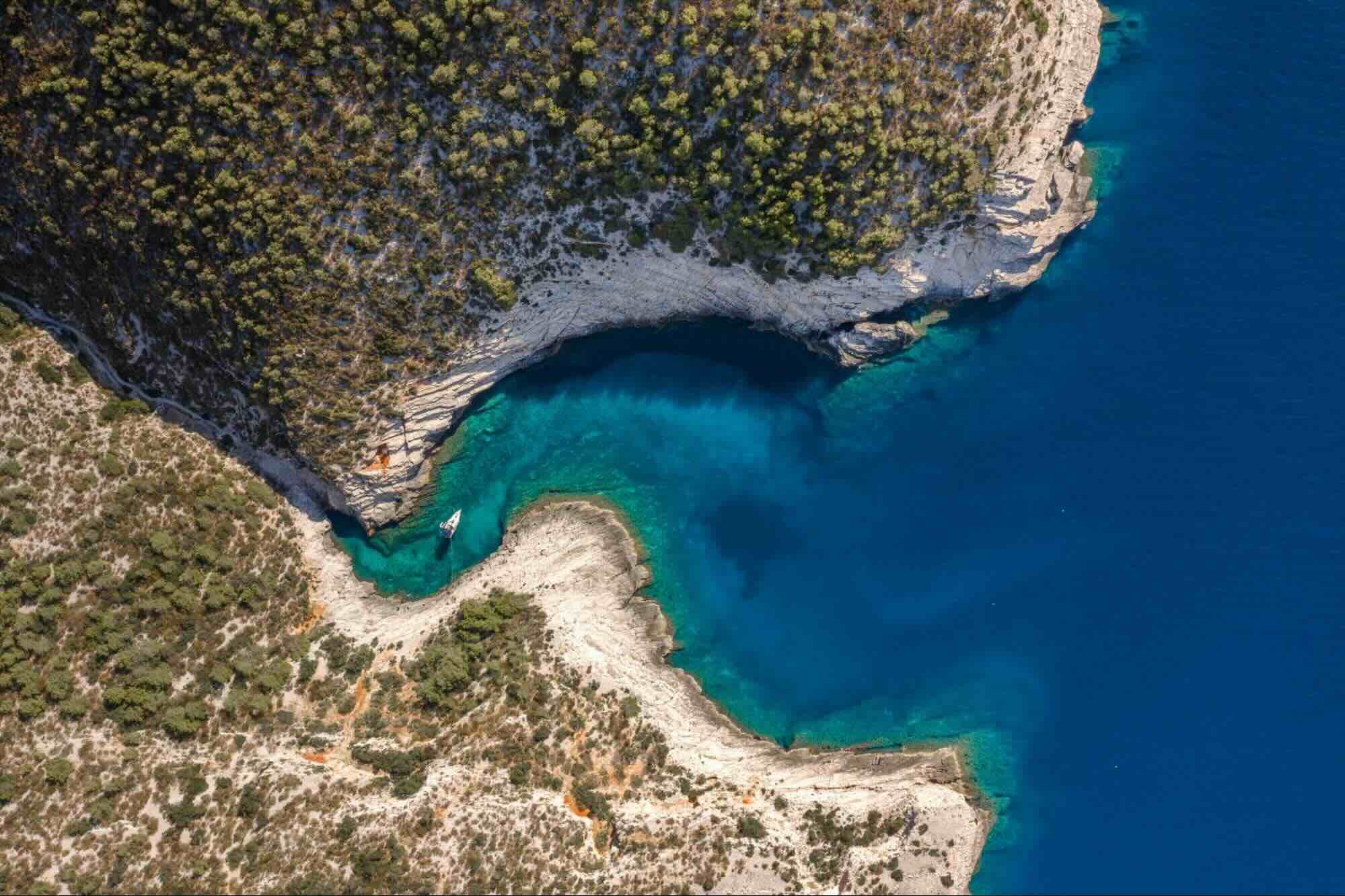
But the best way to explore it is from the water. Hidden coves, clear shallows, and the chance to arrive at Stiniva before anyone else does. This beach, a protected natural monument, sits behind a four-metre gap in the limestone cliffs and is reachable only by sea. For divers, Vis is one of the spots on the bucket list. Thirty metres below the surface, WWII bombers, cargo ships, and a Greek wreck from the fourth century BC give a once-in-a-lifetime opportunity to see history in real life.
A Place That Runs on Its Own Time
Every road in Central Dalmatia eventually brings you back to Split. Back to the Peristyle, the coffee, the sphinx watching from the corner. The festival will have moved on by then, and the lavender will be cut. But the palace will still be there, and someone will still be eating grilled fish twenty metres from the Roman wall. It has been waiting this long. It will wait for you too.