
 Jon Stojan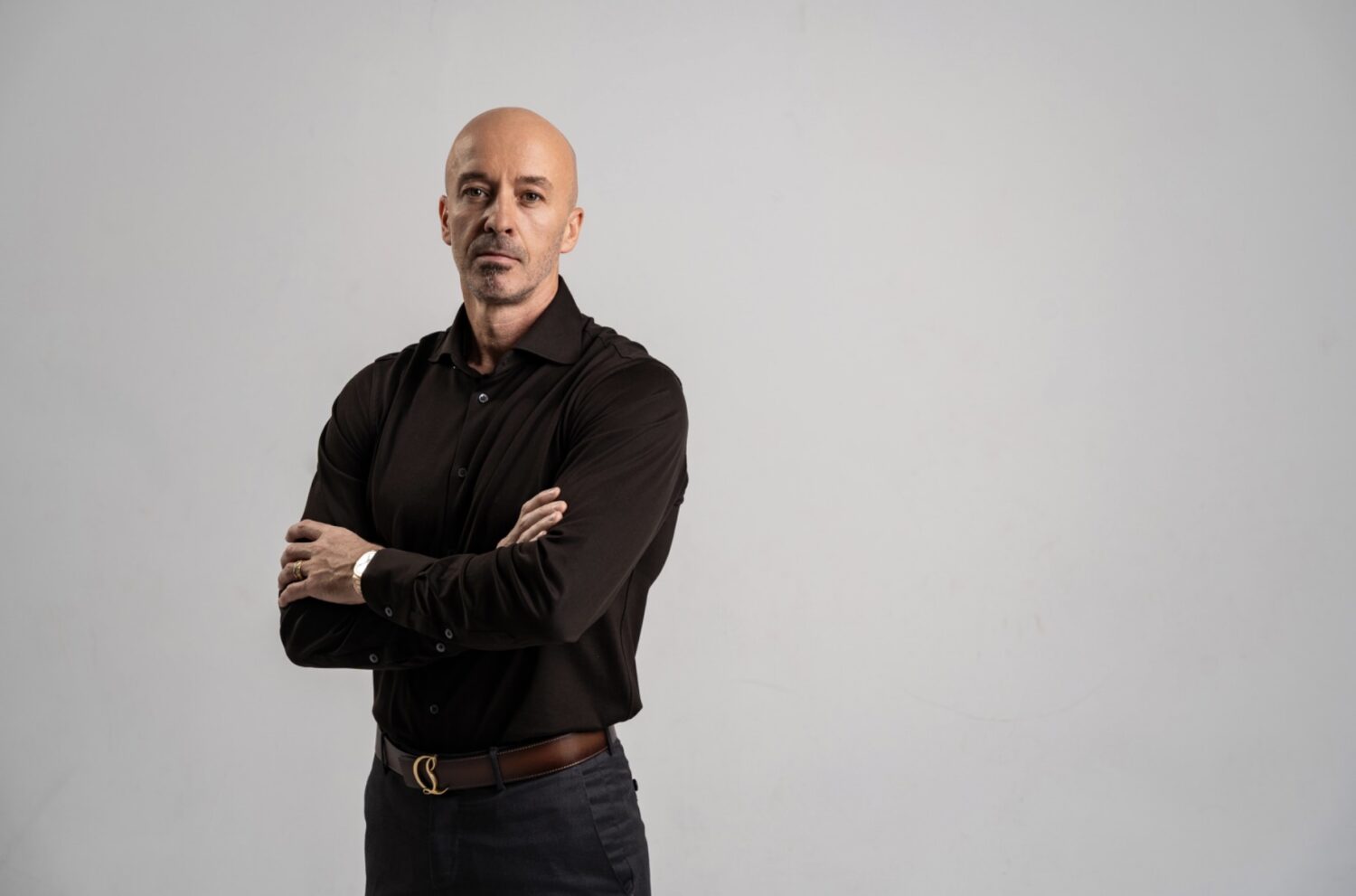
Eduard Khemchan began as an operator, not an investor. Before allocating capital across sectors, he managed projects where cost overruns erased margins and financing conditions determined survival. Construction was not a theoretical proving ground. It demanded coordination, sequencing, and immediate accountability. Materials had to be secured. Labor had to be managed. Liquidity had to be preserved. Expansion without structure carried consequence.
Operating within that environment shaped his understanding of capital in practical terms. Growth required timing aligned with credit conditions. Demand fluctuated with interest rate cycles. Liquidity tightened during downturns and expanded during recovery. Economic variables were not background data. They were daily constraints.
That exposure created a discipline that would later transfer into financial markets. When online trading platforms expanded access in the late 1990s and early 2000s, Eduard Khemchan entered an ecosystem undergoing structural redesign. Execution accelerated. Participation widened. Market behavior became increasingly system-driven.
The contrast was instructive. Construction required control within one enterprise. Financial markets required calibration across interconnected systems. Volatility revealed how quickly sentiment and liquidity could shift. Observing this compression sharpened a broader awareness: managing capital demanded a different vantage point than managing operations.
The transition from founder to allocator was not abrupt. It was cumulative. The discipline applied to physical projects translated into exposure sizing and liquidity awareness. Sequencing evolved into portfolio calibration. Accountability remained constant, but its scale expanded.
Over time, capital positioning extended beyond a single industry. Real economy participation provided tangible grounding. Financial markets introduced scalability and liquidity. Technological modernization reshaped both. Artificial intelligence began influencing analytics and enterprise systems. Digital settlement networks altered transaction mechanics. These developments were evaluated through an operational lens: does integration improve durability?
This layering of experience led to a broader capital design philosophy. The term private capital architect, in this context, does not imply abstraction. It reflects organization. Capital is structured across domains that reinforce one another rather than compete for attention. Exposure is proportioned to preserve flexibility. Expansion follows alignment, not enthusiasm.
A defining inflection occurred in recognizing the difference between building within a system and allocating across systems. Construction focused on execution inside one structure. Capital allocation required understanding how structures interact. Correlations compress during stress. Liquidity evaporates faster in digital environments. Risk transmits across sectors. Architecture at this level involves integration.
Technological acceleration added complexity. Artificial intelligence and digital infrastructure increased analytical capability but also increased systemic interdependence. Participation demanded governance awareness and scalability discipline. Adoption was filtered through operational viability rather than narrative appeal.
The psychological shift from operator to allocator also required detachment. Daily project management produces immediate feedback. Capital allocation unfolds across cycles. Patience replaced immediacy. Calibration replaced urgency. Yet the underlying discipline remained unchanged.
Modern markets reward rapid repositioning. However, structural durability often favors cumulative progression. Frameworks built through layered experience tend to withstand volatility more effectively than those constructed through thematic rotation.
Eduard Khemchan’s rise from construction founder to private capital architect reflects continuity rather than reinvention. The principles applied to early enterprise did not disappear. They expanded. Sequencing became allocation strategy. Liquidity management became capital preservation. Operational accountability evolved into cross-sector integration.
In contemporary finance, the distinction between operator and investor continues to narrow. Those who have managed tangible risk often allocate capital differently from those who approach markets through abstraction alone. Khemchan’s trajectory illustrates how operational grounding can mature into structured capital stewardship.
The progression was not defined by abandoning one identity for another. It was defined by expanding the application of discipline. From project execution to multi-sector allocation, the through line remains intact. Structure first. Expansion second.