
 Malana VanTyler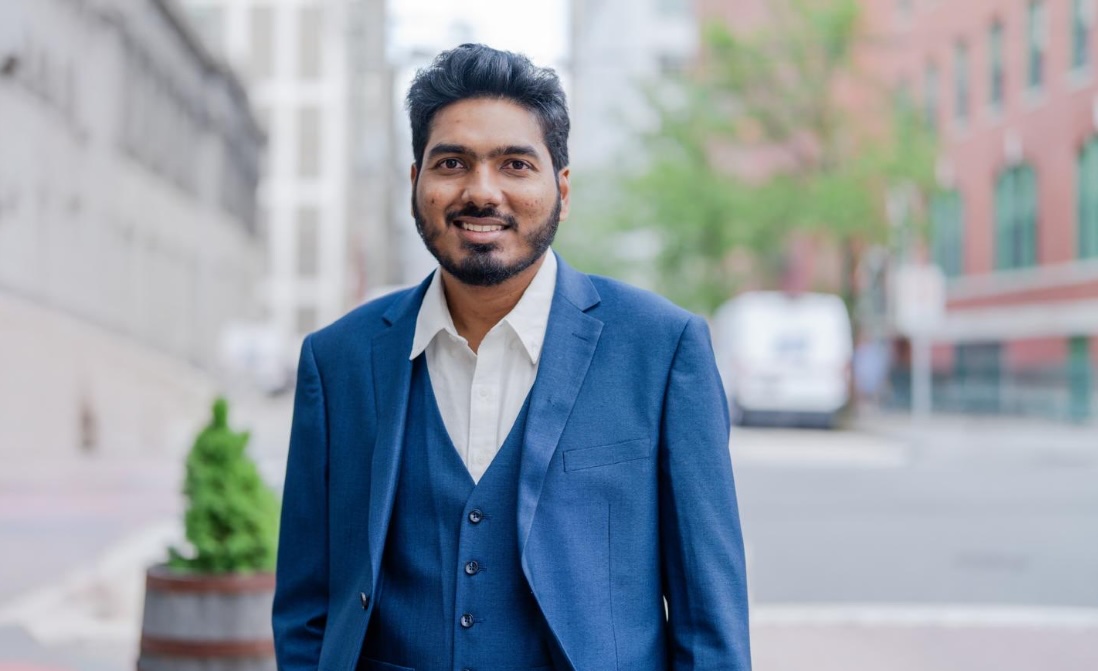
Dr. Sateesh Kumar Rongali continued to strengthen his role as a thoughtful contributor to global technology dialogue through his participation in the recent GatherVerse event, where scholars, practitioners, and digital innovators convened to examine the societal implications of emerging technologies. Bringing back his background in AI systems, interoperability research, and digital architecture, he contributed perspectives shaped by more than a decade of work in building equitable and scalable digital ecosystems.
GatherVerse, a platform known for convening multidisciplinary voices around the human dimension of technology, provided the backdrop for discussions on responsible innovation, cultural inclusion, and future-facing digital frameworks. Dr. Rongali’s engagement aligned with these themes, emphasizing approaches that keep human values at the center of technological progress.
A Focus on Humanity in an Era of Rapid Automation
During the event, Dr. Rongali joined a session examining how individuals and communities can maintain agencies as automated systems become more integrated into daily life. He spoke about the need for thoughtful design practices that acknowledge regional diversity, economic realities, and cultural narratives. Instead of broadcasting predictions about the future of automation, he emphasized steady, practical steps that developers and researchers can take to ensure digital systems remain accessible and transparent.
His contribution drew from years of applied research across AI-driven automation, interoperability frameworks, and cloud-native design. Through these experiences, he has consistently highlighted the relationship between technical accuracy, ethical clarity, and long-term sustainability—an intersection that continues to shape his work.
Linking Research to Broader Conversations
A notable portion of Dr. Rongali’s perspective stems from his academic contributions, including his recent research work published through IEEE:
Deep Learning for Cybersecurity in Healthcare: A MuleSoft-Enabled Approach.
In this publication, he examines how digitally connected systems can be structured to better support data consistency, performance, and integrity across diverse environments. While highly technical in nature, the research underscores themes that resonated with GatherVerse participants: responsible architecture, transparent design, and frameworks that anticipate a variety of real-world use cases. His work does not focus on clinical guidance or personalized medical interventions; instead, it explores foundational principles for improving the reliability and clarity of data exchange across complex digital systems.
By referencing these topics during the event, Dr. Rongali contributed to a broader conversation about how organizations and communities can prepare for the next generation of interconnected digital infrastructures.
GatherVerse Participation: Emphasizing Cross-Cultural and Cross-Disciplinary Insight
Throughout the program, Dr. Rongali engaged with professionals representing education, ethics, policy, communications, and technical disciplines. This diversity of expertise encouraged dialogue about how different regions understand and adopt technology. In his reflections, he noted that technology does not operate in a vacuum; it is shaped by languages, social structures, and local priorities.
He highlighted examples of how global collaboration can enhance the design of digital systems, especially when the intent is to support communities with varying degrees of technological access. Rather than promoting specific methods or tools, he encouraged attendees to consider questions about inclusivity, transparency, and long-term adaptability—factors that often determine whether new systems genuinely serve their intended users.
Connecting Architecture, Research, and Human Experience
Dr. Rongali’s background in enterprise integration, microservices, AI research, and interoperability work has consistently reinforced his interest in creating systems characterized by clarity and coherence. Across previous projects, he has examined how data flows through distributed environments, how decision-support structures can be simplified, and how multi-layered systems can maintain integrity even under high demand.
At GatherVerse, these experiences contributed to discussions on digital accountability and human-centered frameworks. His remarks are centered on ensuring that systems are not only efficient but also understandable. This emphasis on comprehensibility—both technically and socially—aligned closely with the conference’s core themes.
Advocating for Responsible Development
One of the recurring points in the dialogue was the role of responsibility in digital innovation. Dr. Rongali outlined how responsible development requires collaboration between researchers, engineers, educators, and community representatives. He noted that ethical questions are not abstract—they shape how systems are designed, deployed, and maintained over time.
He also encouraged attendees to reflect on how the pace of technological change can influence public perception, emphasizing the importance of providing clear explanations of system behavior and limitations. This level of transparency, he suggested, can strengthen trust across institutions and user communities.
A Continued Commitment to Thoughtful Innovation
With appearances across different GatherVerse events in 2025, Dr. Rongali’s contributions underscored a consistent theme running through his work: progress is most meaningful when it considers the human experience as carefully as technical design. His reflections, shaped by years in architecture and applied AI research, reinforced the idea that technological growth should be paired with clarity, inclusivity, and long-term societal awareness.
By participating in this global event, he added to an ongoing international conversation about what it means to design digital systems for a diverse and interconnected world. His insights remain rooted in practical experience, academic study, and a commitment to responsible advancement—qualities that continue to define his work as both a researcher and a contributor to global discussions on the future of technology.