
 Nia Bowers
The founder of My Flight Academy believes aviation students need more than videos, quizzes, and test prep. They need stronger understanding before they ever rely on that knowledge in the airplane.
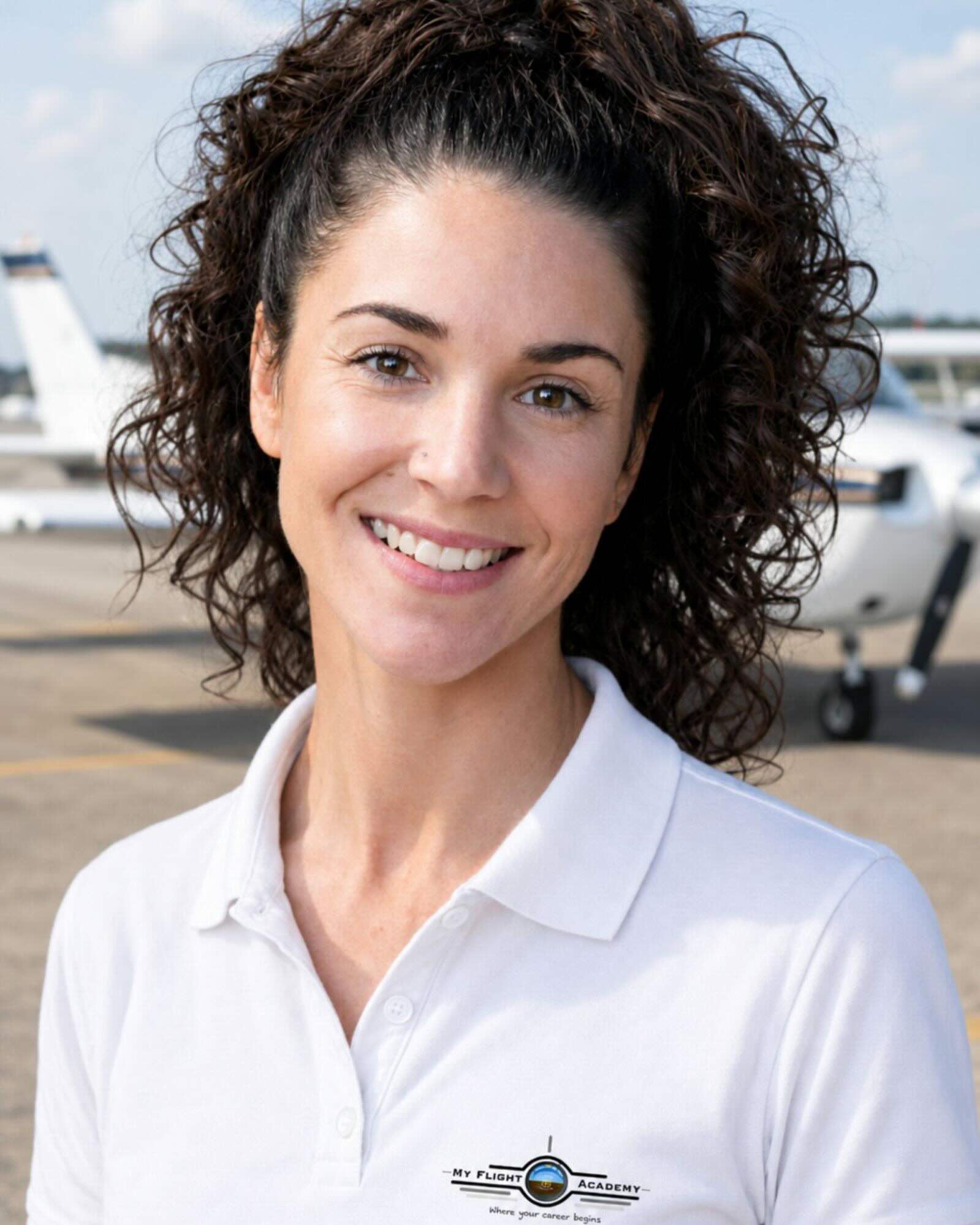
A student pilot can learn to move the controls before they truly understand what the airplane is telling them. Celine Zabout thinks that gap matters because aviation knowledge is not trivia. It is the foundation for decisions made in the air, sometimes under pressure, often without much time to sort through confusion.
Zabout is an aeronautical knowledge curriculum designer, FAA flight and ground instructor, commercial pilot, and founder of My Flight Academy LLC. Her work focuses on a problem she has seen from both seats: as a student trying to make sense of flight training, and later as an instructor helping other students connect what they studied with what they were expected to do in the airplane.
“Flying is not only about touching the controls,” Zabout says. “It is about understanding what is happening, why it is happening, and what decision comes next.”
That distinction matters because the public image of flight training can be misleading. Many people imagine the hardest part is physically flying the aircraft. Zabout sees it differently. Aircraft control matters, but safe piloting also depends on weather judgment, aircraft systems, regulations, performance, airspace, risk management, and the discipline to apply knowledge when the situation does not look exactly like a textbook example.
She has seen how early confidence can hide the deeper work ahead. Through her volunteer work with EAA Young Eagles, in her Piper Cherokee, she has seen children as young as eight who were able to maneuver the airplane with guidance and supervision. That does not make flying easy. It shows that moving the controls is only one piece of the skill set.
“A student can feel the airplane and think, ‘I can do this,’” she says. “That moment is exciting. But becoming a pilot is not just proving you can control the machine. It is learning how to operate safely and think clearly around everything the machine is doing.”
That belief sits at the center of My Flight Academy. Zabout did not build the platform to be another place where students watch videos, answer quizzes, and try to get through the written test as quickly as possible. She wanted a learning system that would help students build understanding before they use that knowledge in flight.
Her frustration started during her own training. Aviation was not something she grew up assuming would be accessible. Where she is from, becoming a pilot often felt reserved for a small and elite group. In the United States, where general aviation is more developed, she eventually began flight training with the goal of becoming an airline pilot.
Once training began, she noticed something that bothered her. She was flying before she had enough ground knowledge to fully understand what was happening in the airplane.
“At about 15 hours, I told my instructor, ‘Stop, I need to study first and then fly,’” Zabout says. “I needed to understand beforehand what was happening in the air.”
That moment shaped the way she thinks about training now. The airplane can be a powerful classroom for application. It is not always the best place to introduce every concept for the first time. When students are trying to fly, listen, process, and understand new material at once, the lesson can become less efficient and more overwhelming.
Zabout began taking more control of her own learning. Then she started noticing struggles among other students, in person and in aviation forums and chats. Later, as an instructor, she saw the issue from the teaching side too.
Students often had been exposed to the material. They had studied. They might even remember certain answers. But their knowledge could be fragmented. They could recall facts without knowing how those facts connected, or they could pass a written exam and still struggle when asked to apply the concept during an oral exam or scenario.
“If a student only remembers the answer long enough to pass the written test or a checkride, that is not enough” Zabout says. “In the airplane, the question may not look like the test question.”
That is the kind of gap My Flight Academy is designed to address. The platform includes an online VFR course with 10 chapters and 58 lessons covering core knowledge for safe VFR flying. It includes more than 30 hours of video lessons, over 800 slides, FAA-based reading assignments, audio options, quizzes, end-of-chapter reviews, a resource library, 3D flipbook handbooks, selected external videos, and written test preparation for Sport, Recreational, Private, and Commercial Pilot students.
Students also have access to a Student Console with progress tracking, a notes system, instructor connection tools, and lifetime access so they can keep reviewing material as their training continues.
Zabout believes students need variety, but not chaos. They need video explanations, but also reading. They need quizzes, but not as a substitute for understanding. They need instructor guidance, but the instructor’s time should not be wasted repeating material students could have prepared before the lesson.
“Technology can help, but it cannot replace thinking,” she says. “Students still need to read, discuss, apply, and question what they are learning.”
Her approach also reflects her academic background in sociology, languages, and societies. That background shaped how she thinks about learning, communication, and human behavior. She does not see aviation education as a simple transfer of information from instructor to student. She sees it as a process that depends on structure, sequencing, attention, and the way students make meaning from what they are taught.
That is why she uses a flipped-classroom approach. Students study organized material before live instruction, then use instructor time for discussion, scenarios, activities, and application. The method gives students a base to work from. It also gives instructors a clearer view of what each student understands and where support is still needed.
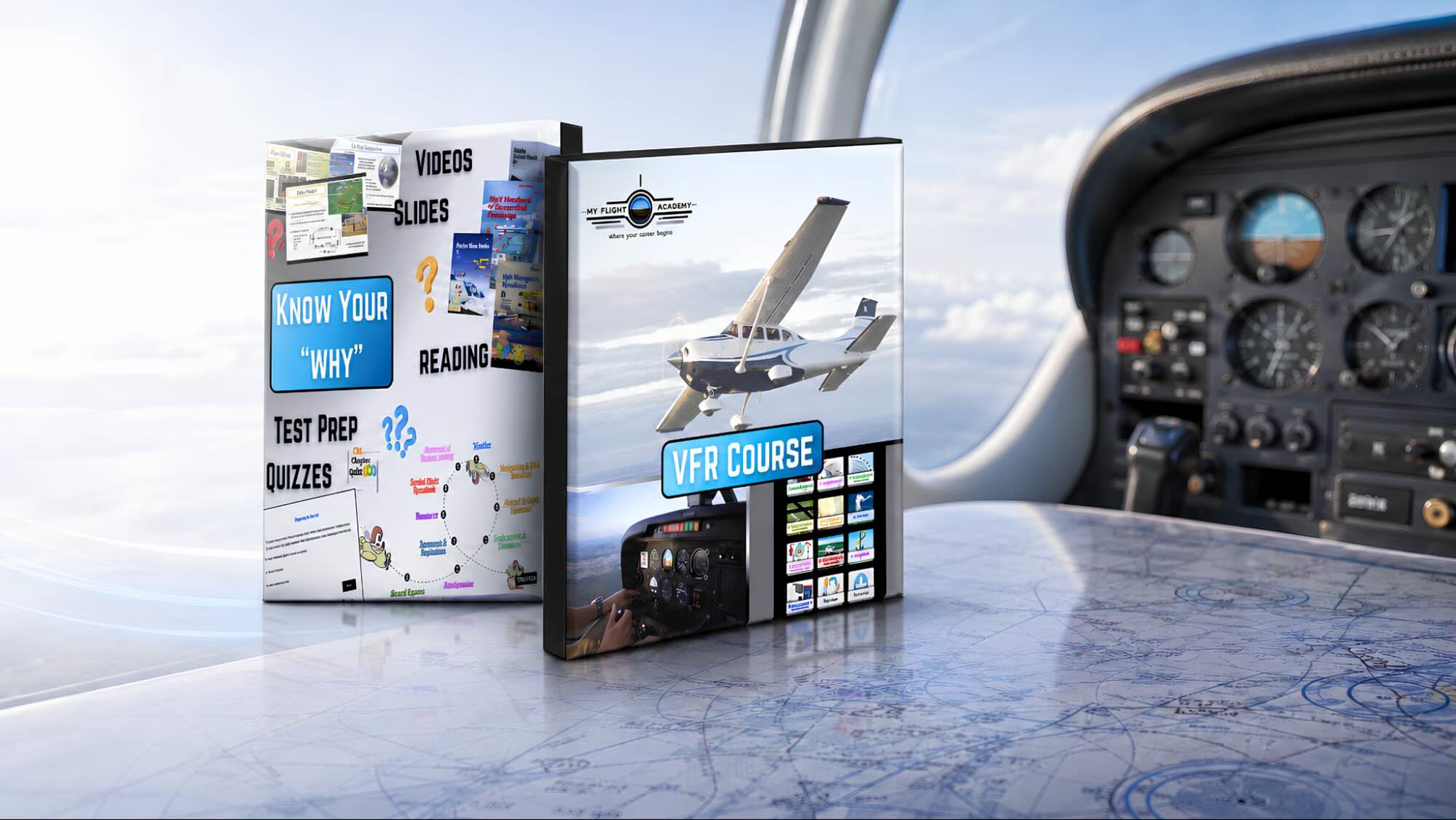
“Instructor time should be valuable,” Zabout says. “If a student comes prepared, the lesson can go deeper. You can talk about decisions, mistakes, real-world situations, and what the knowledge actually means in flight.”
Zabout presented her ideas about structuring ground training, sequencing, and flipped-classroom methods at SUN ’n FUN. Some instructors told her they planned to adapt parts of the approach in their own teaching. That response mattered because it showed her the problem was not only something she had experienced personally. Other aviation educators recognized it too.
She does not think that technology is the answer by itself. Online learning, digital records, progress tracking, AI, simulators, and training tools are becoming more common in aviation education. Zabout sees value in those tools, but only when they support instruction rather than replace it.
Aviation students already have access to more information than ever. That does not mean they know how to use it.
“Access to information is not the same as understanding,” she says. “In aviation, that difference matters.”
For Zabout, the larger goal is safety. Better ground training is not only about helping students pass tests or finish courses. It is about helping future pilots build judgment, discipline, and the ability to make better decisions when conditions change.
Her view is simple enough to understand and serious enough to matter: pilots should not carry shallow knowledge into the cockpit. They should carry understanding that holds up after the exam, after the lesson, and after the situation stops matching the practice question.
That is the kind of training Zabout is trying to build through My Flight Academy. Not easier training. Not shortcut training. Training that helps students think before they fly, then keep thinking once they are in the air.
For more information on Celine Zabout, visit her website.