
 Nia Bowers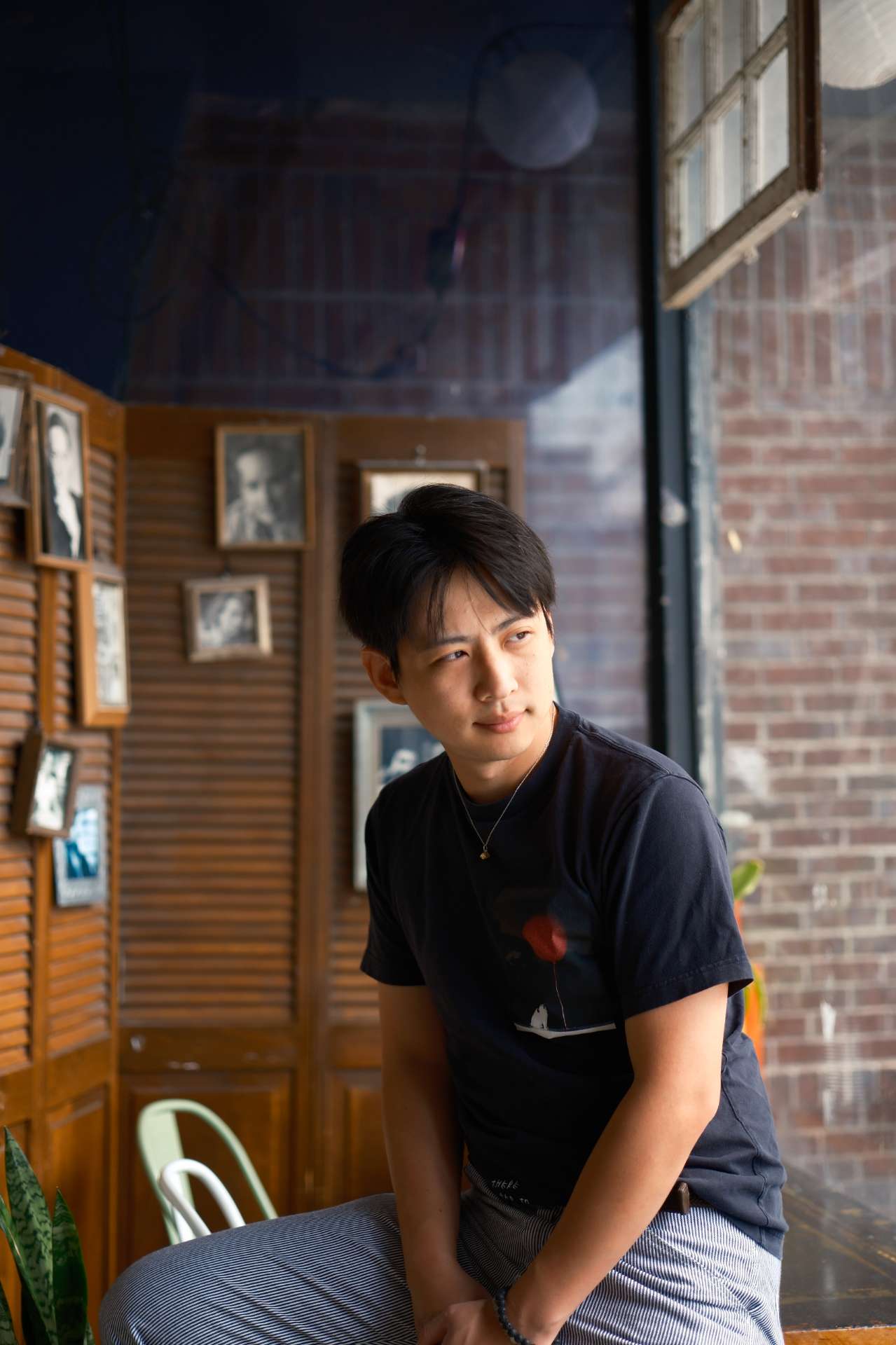
Shaping Experiences Through Visualization and Worldbuilding
Zeyu Liu is a digital artist specializing in real-time visualization, digital worldbuilding, and immersive environment development for themed entertainment, destination development, and experiential design projects. As a CG Asset Artist at Falcon’s Creative Group, Liu contributes to the creation of digital environments, visual assets, and real-time content that help creative teams evaluate, refine, and communicate complex ideas during project development.
Working at the intersection of art and technology, Liu transforms creative concepts into interactive experiences that can be explored and reviewed long before physical construction or final production begins. His role supports collaboration among artists, designers, architects, producers, and technical specialists, enabling multidisciplinary teams to make informed creative decisions throughout the development process.
Supporting Large-Scale Entertainment and Development Projects
Visualization has become an essential component of modern entertainment and destination development. Before attractions, immersive environments, and large-scale projects are built, project teams must understand how spaces will function, how stories will be told, and how visitors will experience a place.
Liu’s professional experience includes visualization work that supports large-scale entertainment and development initiatives, including publicly announced international projects such as New Murabba. Through environment creation, digital worldbuilding, and interactive visualization, he contributes to workflows that help teams evaluate design concepts, storytelling opportunities, spatial relationships, and user experience during early development.
Bridging Game Development and Experiential Design
Liu’s background spans video game development and themed entertainment, giving him practical experience across multiple forms of interactive storytelling. Early work in games — producing stylized assets and optimized environments — provided a strong foundation in real-time production workflows, performance-minded asset creation, and interactive storytelling mechanics.
Transitioning into themed entertainment expanded the scale and collaborative complexity of Liu’s work. Projects in this sector demand consideration of narrative, guest flow, and real-world constraints, and require close coordination among creative, technical, and design disciplines. That interdisciplinary perspective informs how Liu approaches environment creation and visualization today.
The Growing Role of Real-Time Visualization
A key component of Liu’s practice is the use of real-time technologies such as Unreal Engine. Unlike traditional static renders, real-time tools let teams interact with environments, test design decisions dynamically, and explore creative possibilities in context. This interactive feedback loop shortens review cycles and surfaces issues — from scale and sightlines to lighting and atmosphere — earlier in development.
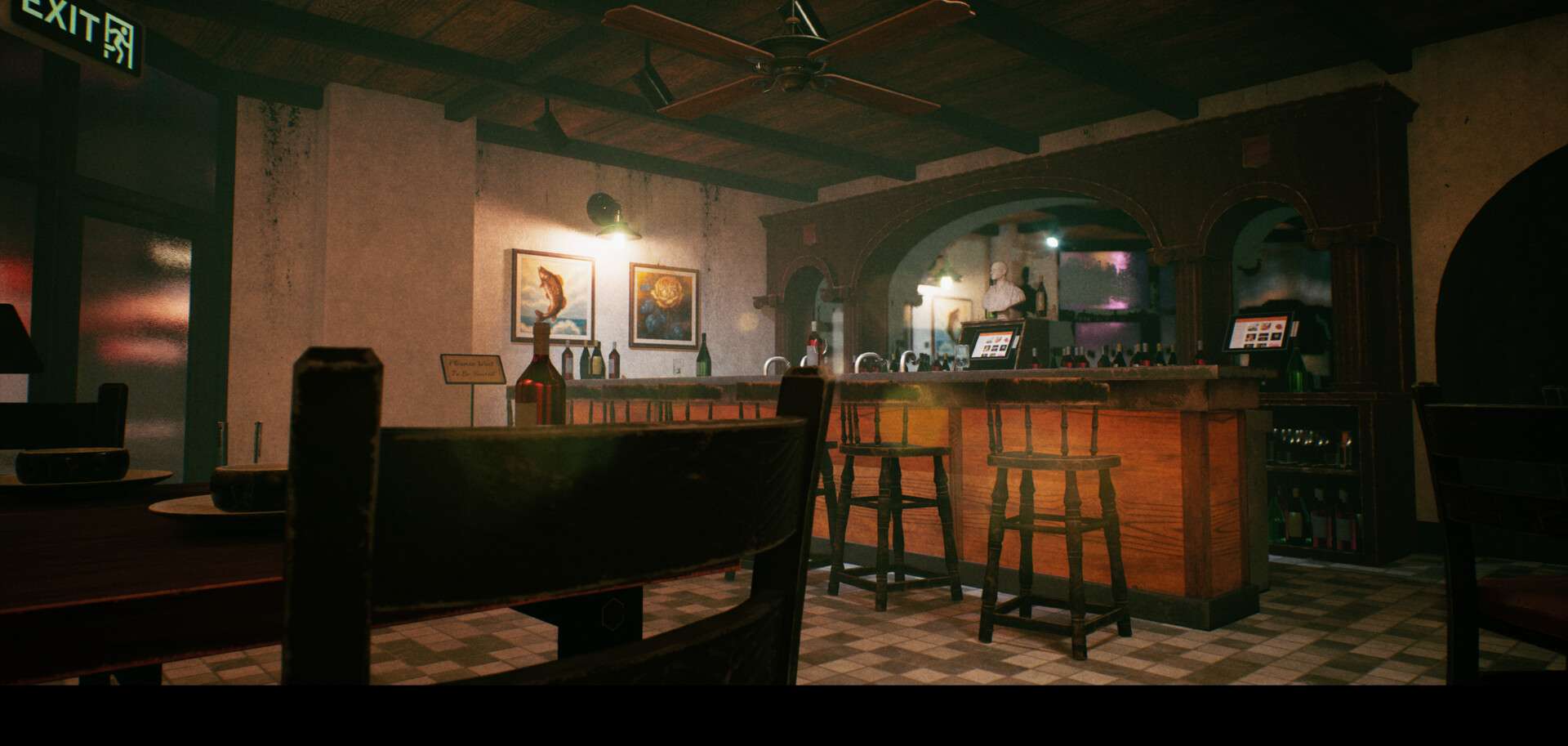
For visualization specialists like Liu, real-time technology functions as an active design tool rather than simply a presentation medium. It enables teams to prototype interactive elements, validate guest experiences, and iterate on environmental storytelling while minimizing costly changes later in production.
A Growing Discipline at the Intersection of Creativity and Technology
As entertainment destinations, immersive attractions, and large-scale developments become more sophisticated, demand is rising for professionals who can bridge artistic design, visualization, and real-time technology. Projects of this scale increasingly rely on specialists who can translate creative vision into digital environments that stakeholders can explore, assess, and improve.
Liu’s work exemplifies this intersection of creativity and technical fluency. Through visualization, environment creation, and digital worldbuilding, he helps teams transform concepts into immersive, reviewable experiences — supporting a development process that saves time, reduces risk, and strengthens the final guest experience. As real-time technologies continue to reshape entertainment and experiential design, professionals who combine artistic vision with technical expertise will remain central to bringing future experiences to life.