
 Wyles Daniel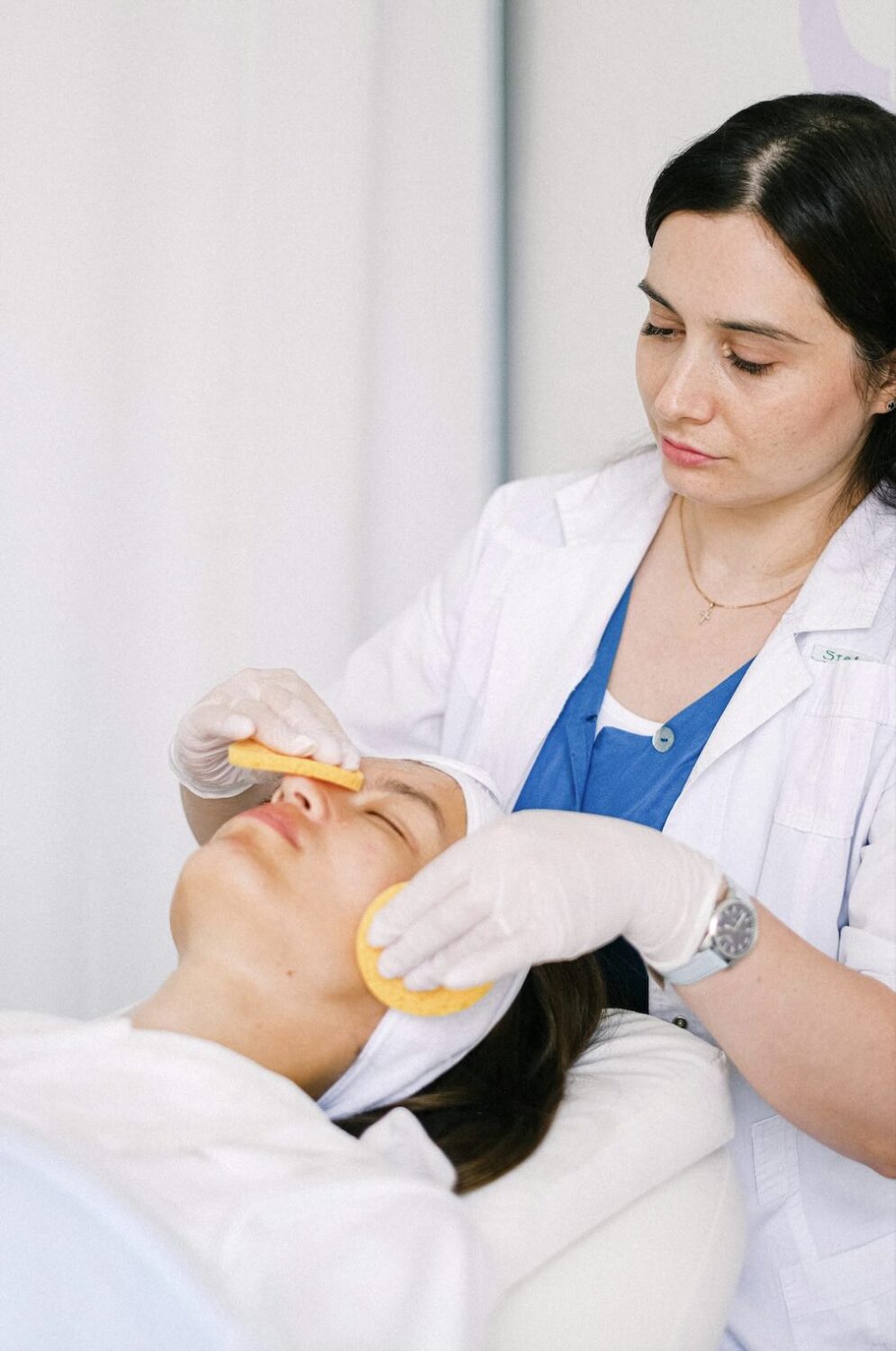
Image Credit: Pexels
Los Angeles has always chased the art of looking and feeling good. From yoga studios in Venice to med spas tucked along Wilshire, wellness isn’t just a hobby here — it’s a way of life. But behind the bright skin and perfect smiles is a quieter reality. Even in the City of Angels, taking care of yourself now comes with a steep price.
A laser facial can cost more than a weekend getaway. A single dental implant might rival a month’s rent in Silver Lake. And for many Angelenos, those prices turn wellness from an act of self-love into a financial juggling act.
That tension has quietly given rise to a new trend in healthcare: patient financing companies that let people pay for procedures over time instead of all at once. These companies are helping Los Angeles’ wellness culture evolve, making once-exclusive treatments accessible to a broader audience… but not without raising some critical questions about cost, access, and consumer responsibility.
The Price of Looking and Feeling Good in LA
In Los Angeles, personal care is serious business. According to Yelp data, the city has one of the highest densities of med spas and cosmetic dentistry clinics in the United States. Demand surged even more after the pandemic, as people returned to offices and social events, newly aware of how they appeared on Zoom screens.
The average med spa treatment in LA costs anywhere from $400 to $2,000 per session. Dental veneers can range from $1,000 to $3,500 per tooth, and smile makeovers easily climb into five-figure territory. Even physical therapy, mental health care, and hormone therapy can add up quickly for those without robust insurance coverage.
Unfortunately, most of the city’s self-care services aren’t covered by insurance. A decade ago, only the wealthy could afford these treatments, as they would pay cash up front or charge it to a credit card. Now, many LA clinics are treating financing as part of the customer experience, much in the same way retail brands offer buy-now-pay-later options for luxury products.
According to a report on the Strategic Impact of Patient Financing through Commerce Healthcare, the demand for patient financing is growing as healthcare costs continue their upward climb and individuals are asked to pay more out of pocket for their care.
How Payment Flexibility Became a Lifestyle Tool
Dental practices in Culver City, plastic surgery centers in West Hollywood, and holistic clinics in Pasadena now display financing options alongside treatment menus. Facilities like iGlow Med Spa and Concierge Aesthetics in Irvine even have an in-house concierge dedicated to helping patients apply for plans that break payments into monthly installments.
These patient financing companies partner with providers to approve flexible repayment plans in real time, often without a hard credit check. Patients can start treatment immediately and pay it off over several months, creating a middle ground between affordability and access.
For consumers, it’s a way to manage costs without sacrificing care. For clinics, it’s a business strategy that expands their client base. And for companies like Cherry, it’s a fast-growing industry that merges fintech with wellness.
The Rise of Accessible Aesthetics
In LA, where aesthetics often double as networking tools, the demand for accessible financing makes sense. A 2024 report from the American Society of Plastic Surgeons found that nonsurgical cosmetic treatments are up 16 percent nationally, with Los Angeles ranking among the top cities for demand. Millennials and Gen Z patients, many of whom prioritize “maintenance procedures” like Botox, fillers, and skin resurfacing, are leading the charge.
For this younger generation, it’s not just about vanity — it’s about upkeep, confidence, and even career visibility. Remote work, influencer marketing, and the social-media economy have made appearance part of professional branding.
As a result, many LA clinics now offer treatment memberships and subscription plans that combine routine care with financing flexibility. Patients pay a flat monthly fee for ongoing services, blurring the line between health care and lifestyle spending.
Bridging the Gap Between Wellness and Reality
The accessibility that financing provides can be empowering, especially for middle-income Angelenos who don’t want to fall behind in a city where image often feels like currency. It’s also helping clinics serve new audiences — patients who might once have postponed care due to upfront costs.
Still, financial experts urge consumers to read the fine print. Some plans offer zero-interest periods, while others carry rates similar to credit cards if payments are late. After all, while these plans make care more accessible, they aren’t free services.
Beyond Aesthetics: Financing for Broader Health Needs
Cosmetic work might get most of the attention, but flexible payment options are showing up everywhere. Chiropractic offices, fertility clinics, and even veterinary practices across Los Angeles now offer financing to make care more manageable. It’s a sign that the demand for manageable payment plans isn’t limited to aesthetics — it’s becoming part of how Angelenos approach all kinds of wellness and medical services.
For instance, a fertility clinic in Westwood now offers monthly payment structures for IVF treatments that can cost upward of $20,000. Dental offices in Glendale and Burbank use financing to help patients manage everything from braces to restorative implants. The model has even reached wellness retreats and holistic centers offering acupuncture or hormone therapy packages.
This expansion reflects a broader reality: for many Angelenos, healthcare affordability is not a theoretical issue. It’s a daily calculation that determines whether they can move forward with care or delay it indefinitely.
What Patients Should Know Before Signing Up
Patient financing is designed to make care easier, but it works best when approached with awareness. Experts recommend these steps before enrolling in any plan:
- Ask about interest and late fees. Some programs advertise zero interest, but only for an introductory period.
- Understand the total cost. A lower monthly payment can mean paying more over time.
- Check credit requirements. Some plans do soft checks, others report to credit bureaus.
- Compare companies. Not all patient financing companies have the same terms or provider network.
- Consult your provider. Trusted clinics will clearly explain your repayment schedule and point you toward reputable programs.
Doing that homework up front helps prevent surprises later. Transparency is key — both from the clinic and the financing partner.
How LA’s Wellness Culture Is Shifting
Los Angeles has always blurred the line between health and lifestyle, but the rise of patient financing marks a bigger shift. Wellness is no longer reserved for the elite. It has become part of everyday budgeting, just like a gym membership or a weekly organic grocery run.
Financing options help level the playing field, giving more people the chance to access services that once felt out of reach. At the same time, they introduce a new kind of responsibility into a space that used to feel purely aspirational. The choice to invest in wellness now comes with real numbers attached — and that makes self-care both more attainable and more intentional.One aesthetician in West Hollywood put it simply: financing helps more clients feel included, but it also reminds them that self-care is still an investment.
It’s a reflection of modern LA itself — where ambition and authenticity coexist, and where people will find creative ways to prioritize health and confidence, even in an expensive city.
Looking Ahead: The Future of Financed Wellness
Industry analysts predict that healthcare financing will keep growing as more clinics and patients embrace digital tools. With instant approvals, mobile management, and integrations into booking platforms, the process feels less like a loan and more like an extension of the appointment.
That convenience could transform how people view care altogether. Instead of a one-time expense, services like laser treatments, dentistry, or mental health therapy might become routine — built into the rhythm of a monthly budget.
As LA’s wellness scene evolves, the conversation is shifting from “Can I afford it?” to “How do I plan for it?” And that mindset might be what keeps the city’s self-care economy thriving.