
 Nia Bowers
Introduction: Rethinking 7-hydroxymitragynine in Drug Policy
7-hydroxymitragynine (7OH) is a naturally occurring indole alkaloid found in the kratom plant, Mitragyna speciosa. As a metabolite of mitragynine, 7OH binds to the mu-opioid receptor and exhibits partial agonist activity with a distinct signaling profile that favors G-protein coupling over beta-arrestin 2 recruitment. This signaling bias is associated with reduced risk of respiratory depression—a critical differentiator from classical opioids such as morphine or oxycodone.
Yet despite its unique pharmacological behavior and promising therapeutic potential, the Drug Enforcement Administration (DEA) has considered emergency scheduling of 7OH. This article presents a scientific, legal, and public health argument against such prohibition.
What Is 7OH?

Chemical Class: Indole alkaloid
Receptor Action: Partial agonist at mu-opioid receptors
Pharmacodynamics: G-protein biased signaling
Receptor Affinity: Up to 46 times greater than mitragynine
Unlike synthetic opioids that act as full agonists and flood the central nervous system with euphoric signals, 7OH appears to provide targeted pain relief with a more limited side effect profile. The 2016 Kruegel study found that 7OH produces potent analgesia in preclinical models while minimizing respiratory suppression.
Why Scheduling 7OH Would Be Scientifically Irresponsible
1. It Is a Natural Metabolite, Not a Synthetic Analog
7OH is biosynthesized both in vivo and in vitro. Following kratom ingestion, the liver metabolizes mitragynine into 7OH. Classifying this as a synthetic opioid ignores its botanical origin and misrepresents its pharmacokinetics.
2. It May Contribute to Declining Overdose Deaths
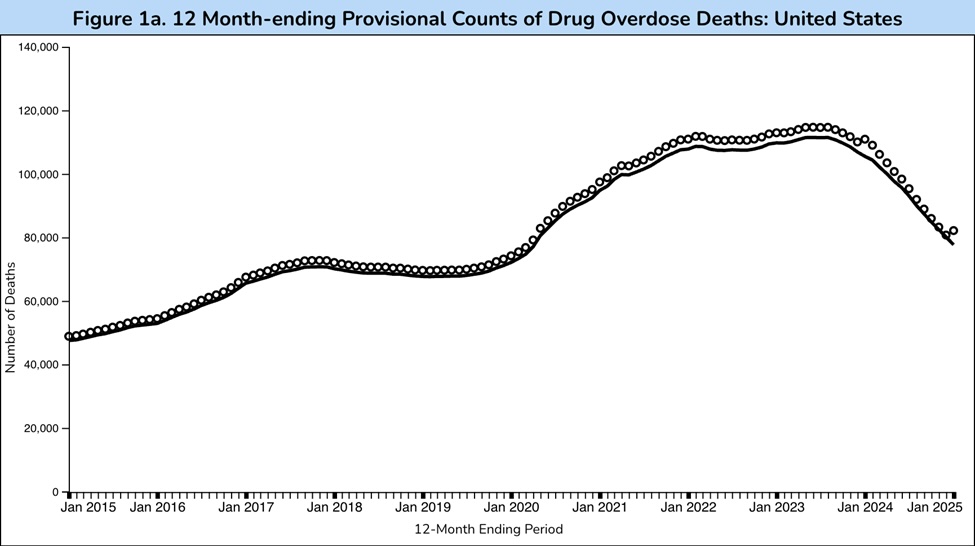
Recent CDC data shows a 24% drop in overdose fatalities between September 2023 and September 2024—the largest single-year decline in over a decade. While causation has not been definitively established, concurrent increased interest in 7OH as an opioid alternative is a critical factor worth deeper evaluation.
According to a 2025 user-reported survey:
- 84% reduced or discontinued opioid or SSRI usage within 30 days
- 71% reported improved daily functioning and lower cravings
- 63% stated that 7OH was easier to tolerate than conventional prescriptions
3. Its Abuse Potential Is Significantly Lower Than Scheduled Substances
| Property | 7OH | Prescription Opioids | Benzodiazepines / SSRIs |
| Euphoria | Low | High | Low–Moderate |
| Overdose Potential | Low (no strong respiratory depression) | High | Moderate |
| Dependence Risk | Low–Moderate (dose-dependent) | High | Moderate–High |
| Functional Use | Yes (focus and clarity reported) | Impaired functioning | Emotional blunting |
| Withdrawal Symptoms | Mild to Moderate | Severe | Moderate |
The distinct risk profile of 7OH suggests that, rather than suppressing its use, federal regulators should support research into its harm reduction utility.
Addressing the Common Misconceptions
- “It’s Just Kratom”
Kratom contains over 40 alkaloids. 7OH is one of the most potent but also one of the most pharmacologically stable. Unlike kratom leaf, 7OH exhibits a more predictable dose-response curve with less alkaloid interference. - “It’s Highly Addictive”
While 7OH binds to opioid receptors, it does not produce the intense euphoric effects or severe physical dependence associated with Schedule II opioids. Most users report intentional use at low doses for functionality, not intoxication. - “It’s Unregulated”
Several states have enacted Kratom Consumer Protection Acts (KCPAs), which include standards for testing, labeling, and age restrictions. A federal ban would eliminate safe access and likely increase exposure to unregulated, synthetic opioids.
Revisiting the DEA’s Precedent
In 2016, the DEA attempted to schedule kratom without public input. The move resulted in overwhelming opposition from scientists, legislators, and constituents, leading the agency to reverse its decision. Scheduling 7OH now, without updated public health analysis, would repeat that error.
A federal ban would:
- Criminalize individuals using 7OH for tapering, mental health support, or pain relief
- Discourage NIH-funded research into G-protein biased opioid therapeutics
- Increase dependency on substances with higher overdose potential
Policy Recommendations
Before acting, federal authorities should:
- Commission an independent toxicological and pharmacodynamic study of 7OH
- Review overdose correlation data with respect to emerging alternative therapies
- Hold public comment periods for affected communities
- Collaborate with harm reduction experts to evaluate unintended consequences of prohibition
The NIH and NCCIH have encouraged the development of non-traditional analgesics with lower adverse outcomes. 7OH should be evaluated as a candidate, not criminalized preemptively.
Conclusion: A Call for Rational, Science-Driven Regulation
7OH is not without risks—but those risks must be weighed against its potential contributions to public health. The reduction in overdose deaths, coupled with its unique pharmacology, positions 7OH as a compound deserving of further scientific exploration, not suppression.
If the goal of federal scheduling is harm mitigation, then banning 7OH is counterproductive. It would remove a tool that some are using to transition away from more dangerous substances. Instead, regulators should pause, fund research, and allow data—not fear—to guide the future of 7OH.
Top 10 FAQs About 7OH
What is 7OH?
7OH (7-hydroxymitragynine) is a naturally occurring alkaloid derived from the kratom plant and metabolized in the human liver. It acts as a partial mu-opioid receptor agonist.
How is 7OH different from kratom?
Kratom contains over 40 alkaloids, including mitragynine, which is converted into 7OH in the liver. 7OH offers more targeted effects and a more predictable response.
Is 7OH legal?
7OH exists in a legal gray area at the federal level. While not scheduled, the DEA has considered regulation. State laws vary widely.
Is 7OH addictive?
Compared to traditional opioids, 7OH has a lower abuse potential. Tolerance can occur with repeated high dosing, but most users report responsible, low-dose use.
Can 7OH help with opioid withdrawal?
Many users report using 7OH to reduce cravings, ease withdrawal symptoms, and stabilize mood during tapering.
Does 7OH cause respiratory depression?
Research suggests that 7OH avoids full activation of the beta-arrestin pathway, reducing the risk of respiratory depression compared to morphine.
What are the most common side effects?
Mild nausea, headache, or digestive issues may occur at higher doses. Most users report better tolerability than traditional pharmaceuticals.
Can 7OH improve focus or energy?
At low doses, some users describe improved clarity, focus, and motivation without sedation or euphoria.
Is there clinical research on 7OH?
While formal trials are limited, preclinical studies and real-world data support further investigation into its medical potential.
What’s the safest way to use 7OH?
Start low, go slow. Cycle use, stay hydrated, and monitor for tolerance. Always source from lab-tested, reputable providers.