
 Michele Stueven
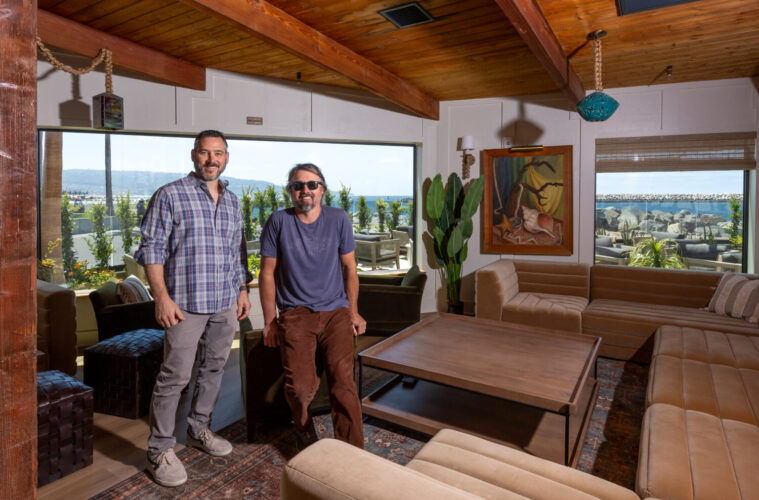
Together with his partner, Rob Lissner, South Bay local Allen Sanford has restored the crumbling Redondo Harbor after years of decay and neglect and has turned it into a beach town destination for all ages.
It started in 2019 with the three-day BeachLife concert series, held twice a year, which transformed an old parking lot and stagnant lagoon into a music festival featuring food, good vibes, and attracting acts like Lenny Kravitz, Alanis Morissette, Train, The Beach Boys, Sublime, The Pretenders, and Willie Nelson.
The team continued to spread authentic beach cheer throughout the South Bay with BeachLife Ranch, BeachLife Grotto Restaurant, and the BeachLife General Store. Most recently, they have opened the California Surf Club in the old Chillers Bar building of the crumbling parking lot and remodeled the old Ruby’s Diner that sat forgotten for years. While the surf club is private, the North Grill restaurant is open to the public.
The newly opened California Surf Club is more than just a social space; it is a place members can work, train, unwind, and connect with a coastal lifestyle. Located on the south side of the property, the members-only club offers a variety of indoor and outdoor environments, including The Paddle Perch, a dedicated waterfront area outfitted with Club-owned SUPs, paddleboards, kayaks, outrigger canoes, and offers hot showers, board valet service, and an ocean-facing launch pad. The Lookout is a sunset-facing lounge and bar with views of King Harbor and the Palos Verdes Peninsula. The Fireside Lounge is a nook for conversation and will feature a fireside chats speaker series. The Wrensilva Performance Lounge is a stage-ready room with a Wrensilva turntable console, high-end AV system, and large-format screen for live music, surf flicks, sports, and special events. The Cove, a warm lounge with a fireplace, wet bar, and courtyard access, is designed for private events and family-focused programming. The Courtyard is a 300+ person outdoor venue for live music, yoga, pilates, and member-driven events.
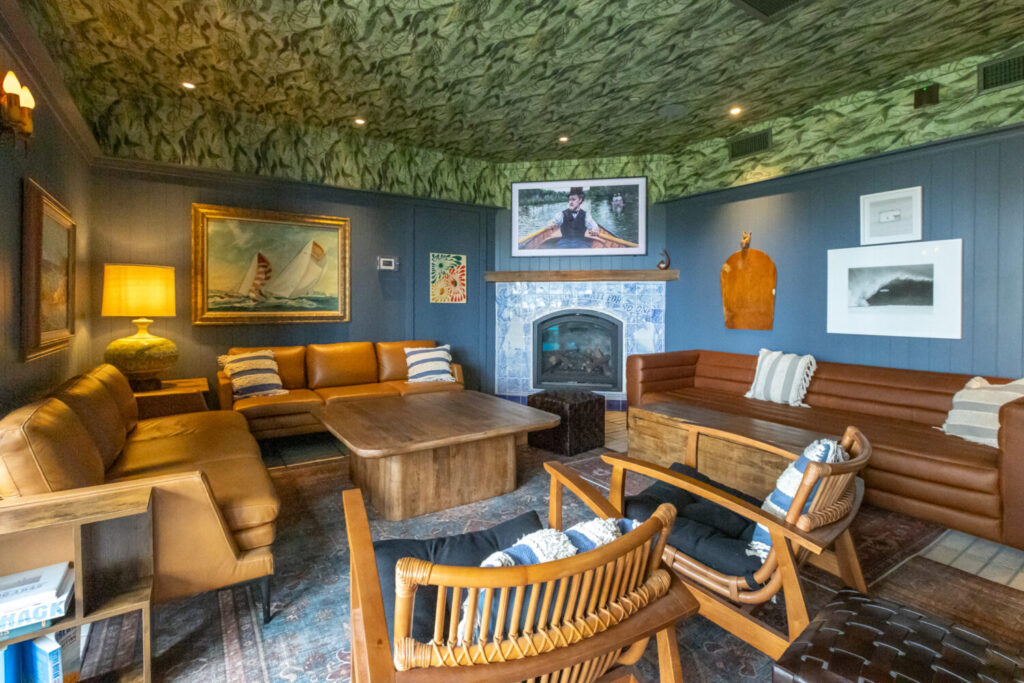
Cove Room (Courtesy California Surf Club)
“Allen and his team did an amazing job transforming dilapidated buildings into an iconic and integrated representation of South Bay surf culture, ” Redondo Mayor Jim Light tells LA Weekly. “I’m grateful for the risk and investment Allen and his team have made in our waterfront. California Surf Club and the BeachLife Festival have put King Harbor and Redondo Beach back on the map. They are fast becoming the cornerstone of Redondo’s effort to revitalize the harbor and pier without supersizing it. A rising tide lifts all boats, and the tide has truly turned. I’m proud to say that instead of sending Redondo residents to neighboring waterfronts, we’re now attracting our northern neighbors into ours.”
The restaurant has a true laid-back locals feel and menu, much like the beach town hangouts that used to dot the LA coastline and have long since vanished. The only thing missing here is the sawdust on the floor.
Executive Chef Dennis Horton, also at the helm of BeachLife Grotto and whose resume includes Nobu San Diego, heads the menu, which centers on live-fire cooking using a custom-built Santa Maria-style grill.. Signature dishes include tri-tip, tomahawk steaks, whole grilled fish, and rotisserie chicken, rounded out by seasonal vegetables and fresh seafood small plates. The space includes a lagoon-facing walk-up window with a casual Lagoon Menu for beachgoers featuring burgers, hot dogs, soft-serve ice cream, and frozen bananas. There’s a cold seafood bar at the end of the indoor bar with shucked-to-order oysters, ceviche, sashimi, crab, and late-night bites.
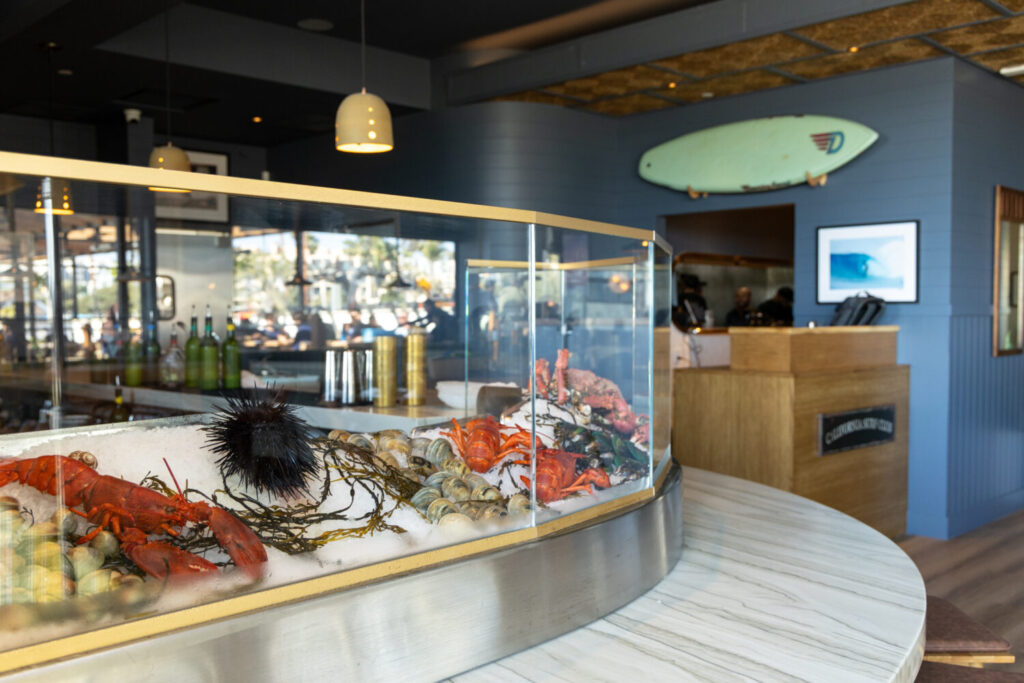
Cold Seafood Case at North Grill (Courtesy California Surf Club)
Another partner in the club is Jeff Jones, President and CEO of the legendary Quality Seafood market on the Redondo Pier, where you can find no less than 10 different clam and oyster varieties, and tons of Santa Barbara crabs are delivered daily.
“I grew up in Capitola, CA, a small beach town in Santa Cruz County,” Jones tells LA Weekly. “It’s a very similar environment to Redondo Beach, and it’s where I learned to love surfing, surf culture, family-owned businesses, and the importance of protecting and advocating for them. My wife was born and raised in Manhattan Beach, a third-generation South Bay native, so our California souls are well synced. The role of Quality Seafood is very similar to that of the California Surf Club, it’s a social hub, a place to reconnect with friends and family, and refuel your soul. The food and drink end up becoming secondary; the laid-back vibe, the authenticity, and the soul of each business are what make them so special. They’re built and run by people who live here, for the people who live here, or would love to live here. They’re not corporate concepts flown in from a shareholders meeting.”
An avid surfer and paddleboarder himself, Sanford grew up in a semi-localized area where there was surf etiquette, down to the way you hold your board. Are your fins in or out? Are you wearing your backpack down the trail, or do you have your wetsuit on? Are you wearing shoes, and if so, what type?
And every surfboard has its own story.
One of the rooms in the club is dedicated to legendary South Bay surfer and filmmaker Greg Browning, who passed away in April from ALS. When he became ill, he asked Sanford to come to his house, and he gave him seven prized possession photos so he would live on. They are in the club, one of Browning surfing the break wall, as well as his childhood Pac-Man game, which Sanford had fixed into working condition. Local lifeguard artists donated their work to adorn the club.
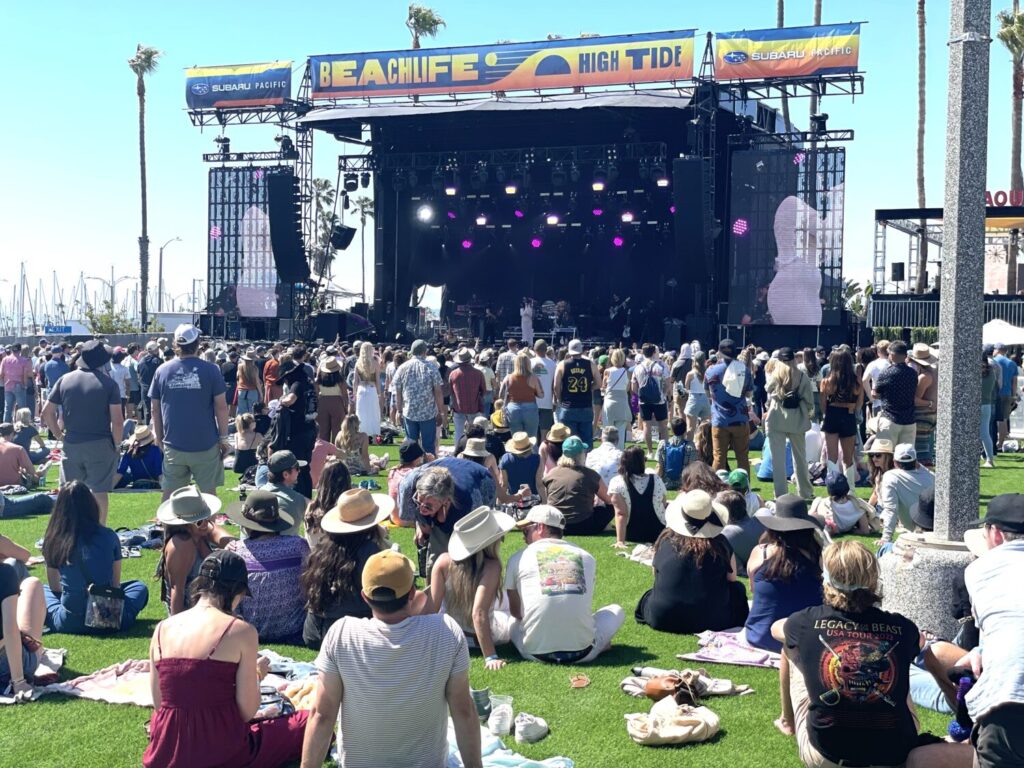
BeachLife Festival (Michele Stueven)
“The South Bay doesn’t get anything like you guys do on the Westside,” Sanford tells LA Weekly. “We don’t get any good art, we don’t get any good culture, no music. Anytime there’s somebody good coming to LA, we’ve got to drive somewhere to see it. I didn’t want to do the same old shitty South Bay production that sucks, we wanted to go big. . The first year of BeachLife Festival, we had Willie Nelson, and it was one of the first times I’ve seen a community collectively realize what we could do. Then we went through five years of politics. I had my eyes on these buildings the whole time because they were empty, and nothing was happening. Every time I would go to the city, there would be a no. Over time, I started to get to know everybody, and it was a very small-town mentality. I was able to lease these buildings about two and a half years ago and went into construction and encountered a ton of problems because the city owns these buildings and had left them in neglect.”
“Santa Monica and Venice aren’t the same towns they used to be,” he says. “Redondo is the last one because it hasn’t been completely swiped. The land here is A+ land with the Catalina views right on the ocean. We’re not developers, trying to maximise dollars per square foot. I have a six-year-old daughter, which is how I started the surf club. I was pissed that were no more places for us to hang out. Preserving our surf culture is really at the base of this entire thing.”
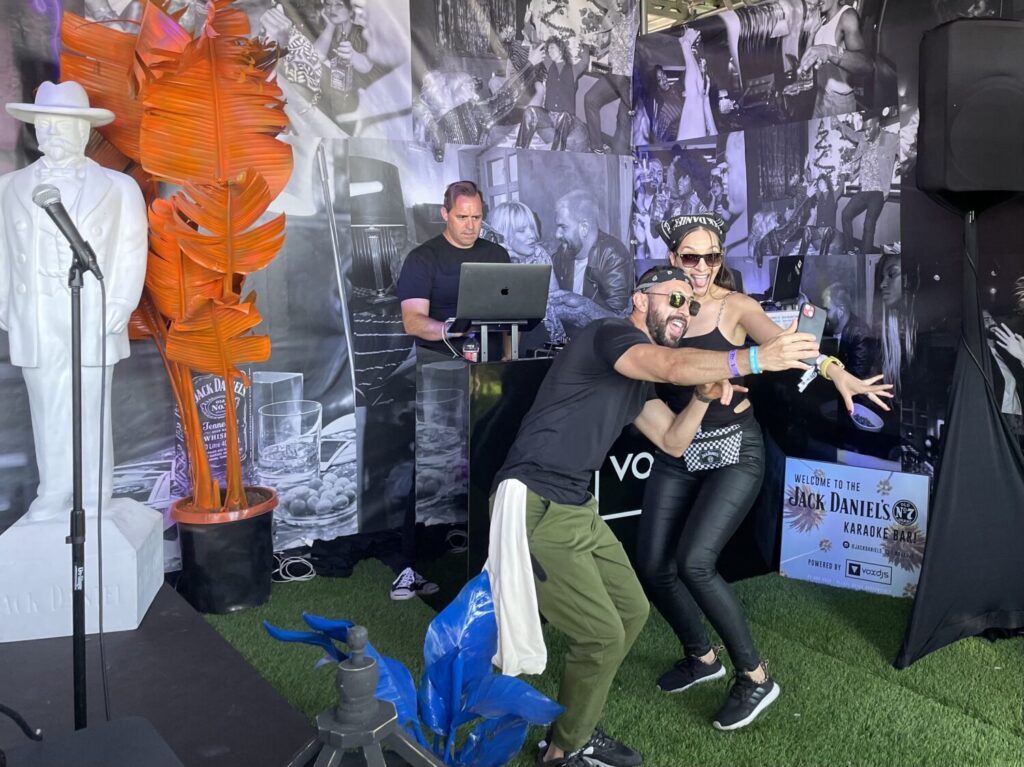
BeachLife Festival (Michele Stueven)