
 Will Jones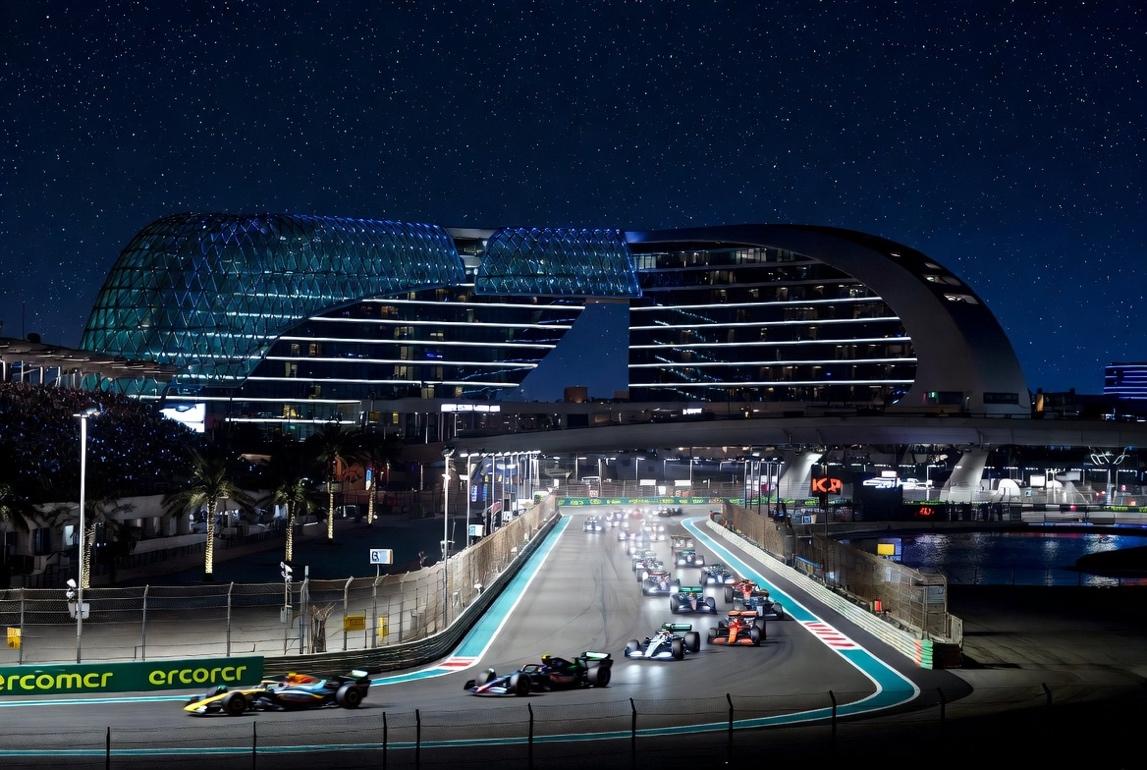
Not long ago, the Middle East occupied the margins of the global sporting calendar. Today, it is increasingly at its center. The region has hosted the FIFA World Cup, the pinnacle of international soccer, alongside Formula One races, UFC championship fights, NBA preseason games, elite golf tournaments and international tennis events. Stadiums that barely existed a generation ago now welcome some of the world’s most watched competitions, while governments across the Gulf have invested billions of dollars to transform sport into an economic engine, a tourism driver and a pillar of their global identity. Although the United Arab Emirates, Qatar and Saudi Arabia have pursued different strategies, together they have reshaped the geography of international sport.
The UAE’s Early Bet
The UAE was among the first to recognize sport’s potential beyond competition itself. Rather than focusing on domestic leagues, it concentrated on attracting the world’s premier sporting organizations. The Abu Dhabi Grand Prix, first held in 2009 at Yas Marina Circuit, quickly became one of Formula One’s signature races, combining world-class facilities with an entertainment destination built around Yas Island. The event demonstrated that the UAE could deliver an experience on par with Formula One’s traditional venues in Europe and North America.
During the COVID-19 pandemic, Abu Dhabi partnered with the Ultimate Fighting Championship to create “Fight Island,” allowing the promotion to continue staging events while much of the sporting world remained shut down. The logistical success strengthened the UAE’s standing as a reliable host capable of organizing major international competitions under extraordinary circumstances.
The National Basketball Association has also expanded its presence in the country. Abu Dhabi has hosted preseason games featuring some of the league’s most recognizable franchises, reflecting the NBA’s effort to cultivate new audiences beyond its traditional markets. Combined with international golf, cycling, cricket and tennis tournaments, the UAE has developed a year-round sporting calendar that few countries outside Europe or the United States can match.
Qatar’s Global Showcase
If the UAE established itself through consistency, Qatar transformed perceptions with a single event. The 2022 FIFA World Cup, the largest and most watched sporting event on the planet, marked the first-time soccer’s premier tournament was held in the Middle East. For a nation of fewer than three million people, hosting the World Cup required more than building stadiums. Qatar invested heavily in airports, roads, hotels, public transportation and urban development, creating infrastructure that fundamentally reshaped the country. The tournament attracted billions of viewers worldwide and demonstrated that the region could successfully stage an event of unmatched global scale. While the World Cup generated debate over labor rights, sustainability and human rights, it also established the Gulf as a destination capable of hosting the pinnacle of international sport.
Saudi Arabia’s New Playbook
Saudi Arabia has taken yet another approach. Over the past several years, the kingdom has accelerated investment through Vision 2030, seeking to diversify its economy and reduce its dependence on oil. Rather than building its sporting reputation gradually, Saudi Arabia has pursued multiple marquee events simultaneously. Formula One races through the streets of Jeddah, heavyweight boxing title fights have relocated to Riyadh, international football stars now compete in the Saudi Pro League, and the kingdom has secured the rights to host the 2034 FIFA World Cup.
Unlike the UAE, which spent years building an ecosystem of venues and tourism infrastructure before expanding its sporting calendar, Saudi Arabia is trying to develop many of those assets simultaneously. The Jeddah Corniche Circuit was constructed on an accelerated timeline to bring Formula One to the kingdom, while an entirely new permanent circuit at Qiddiya is under development as part of one of the world’s largest entertainment projects. The strategy reflects Saudi Arabia’s broader ambition to establish itself as a leading destination for global sport within a single decade.
A New Center of Gravity
Together, the three countries illustrate different models of sports investment. The UAE has emphasized reliability and long-term partnerships with international leagues. Qatar demonstrated that the region could host the world’s most prestigious sporting event and deliver it to a global audience. Saudi Arabia is pursuing rapid expansion across nearly every major sport, inspired by enthusiastic levels of investment.
Their efforts have coincided with a broader shift in professional sports. Formula One has expanded far beyond its traditional European base. The UFC has evolved into a global entertainment business. The NBA continues to seek new international markets, while football clubs and governing bodies increasingly look beyond Europe for commercial growth.
For global sports organizations, the Gulf offers several advantages. Modern infrastructure, geographic accessibility between Europe, Asia and Africa, premium hospitality and governments willing to invest in long-term partnerships have made the region an increasingly attractive destination. Hosting events is no longer viewed simply as a matter of prestige. It is part of a broader economic strategy centered on tourism, aviation, real estate and international investment.
Whatever one’s perspective, the impact on global sport is undeniable. A generation ago, the world’s sporting calendar revolved largely around Europe and North America. Today, championship fights, Formula One races, international basketball, elite golf and the FIFA World Cup have all found a prominent place in the Gulf.
The question is no longer whether the Middle East belongs on the world’s sporting stage. It has already secured that place. The next chapter will determine whether the region becomes not only a host of global sport, but one of its defining centers for decades to come.