
 Karen Koehler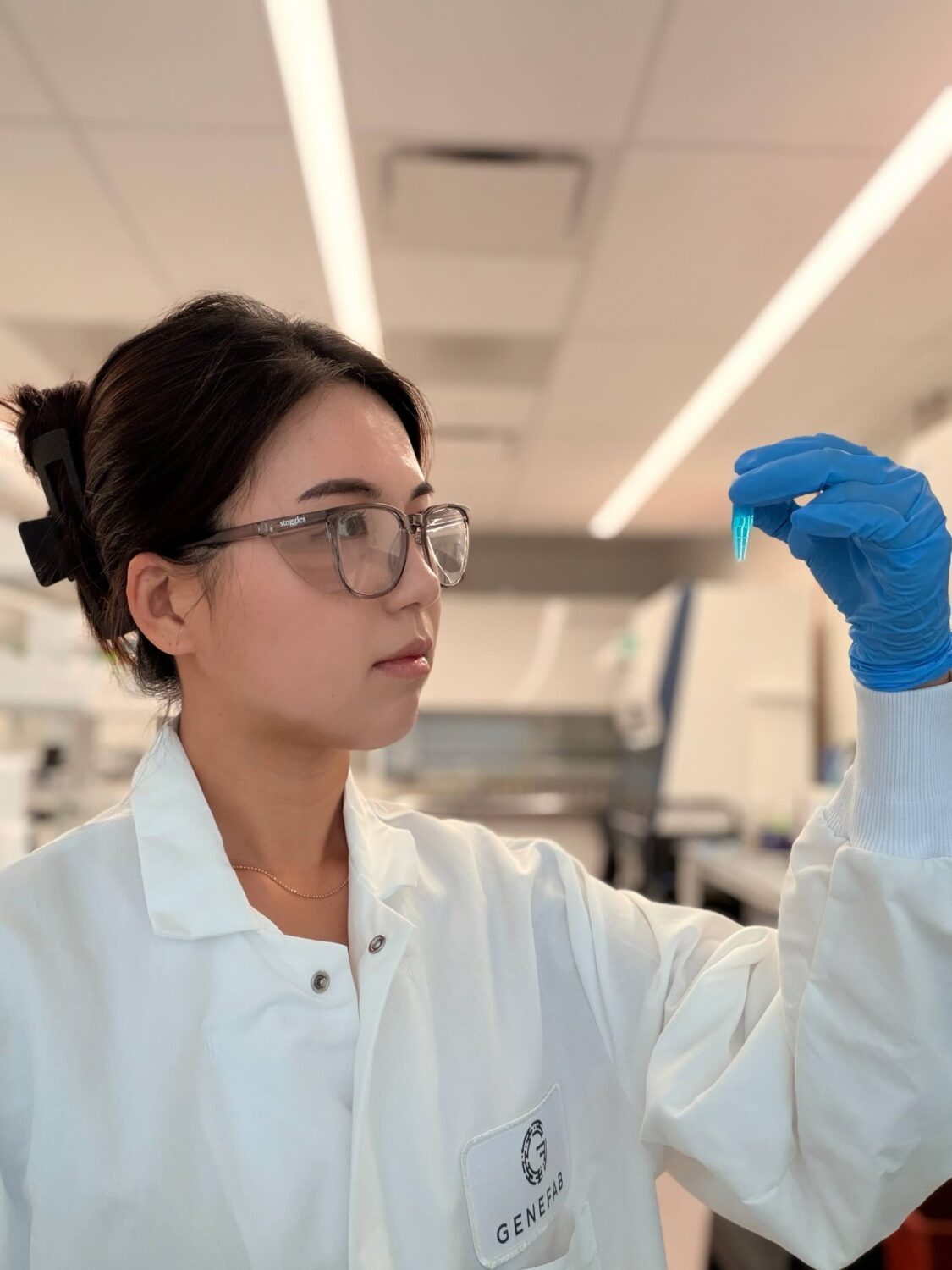
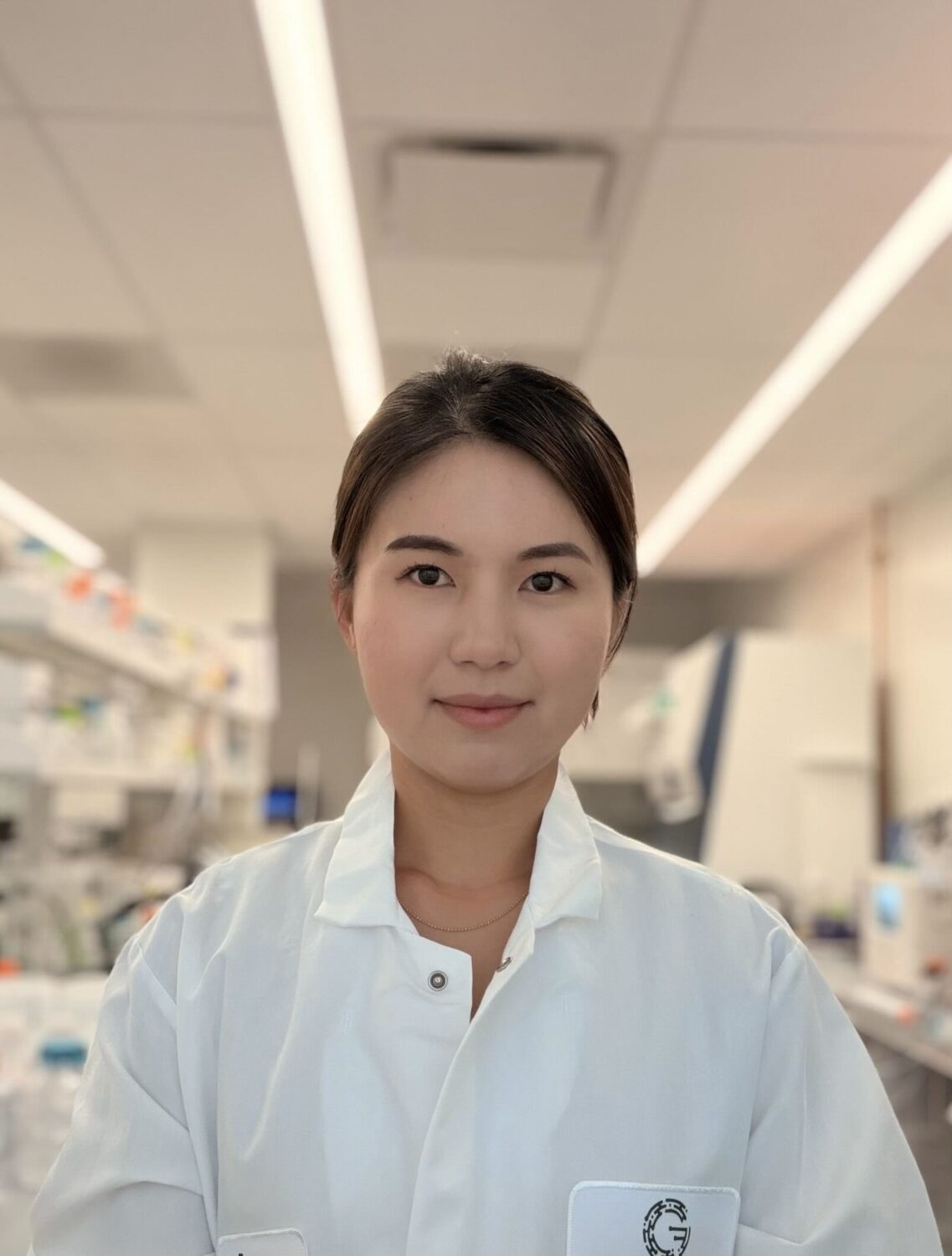
Hee Jin Kim’s journey from hospital volunteer to biotech innovator demonstrates how one woman’s curiosity and determination can leave a lasting mark on STEM. As a first-generation Korean-American, a first-generation scientist, and a female leader in biotechnology, she takes pride in building a career that has advanced science while inspiring others—especially those from underrepresented backgrounds—to pursue futures in science and technology.
A Journey into Medical Innovation
Kim’s journey into science started early, long before her professional career. While volunteering at UCLA and Olympia Medical Center, she observed children and cancer patients battling illness, experiences that deeply shaped her perspective. Coupled with her family history of autoimmune disease, these moments fueled her determination to transform empathy into action. They inspired her to pair her natural curiosity and problem-solving drive with a mission to make real medical breakthroughs.
That commitment led her to study biology at UC San Diego, where she set her sights on immunology and cell therapy. Despite setbacks along the way, Kim remained focused on connecting scientific discovery with practical medical applications—an outlook that would later define her work in the Bay Area’s vibrant biotech community.
Kim’s Professional Background
Building on that foundation, Kim became the first in her family to graduate from college and launch a career in biotechnology. She has since contributed to leading institutions such as City of Hope and Kyverna Therapeutics, and today she is part of the technical development team at GeneFab. Her work has spanned groundbreaking projects, from developing CCR4 CAR therapy for T-cell lymphoma to advancing NK cell expansion technologies using specialized bioreactors.
Her expertise has earned recognition in the scientific community, including speaking engagements such as her recent presentation at the CAR-TCR conference in Boston. She has also authored a white paper that further underscores her leadership in advancing next-generation immunology research.
Kim’s Impact and Advocacy
But Kim’s influence reaches beyond the laboratory. Beyond her scientific contributions, Kim is a champion of diversity and perseverance among the underrepresented in biotech and STEM. Over the years, she has learned the importance of adapting and collaborating with others, and she encourages new students and scientists, especially women in STEM, to face challenges head-on and persevere despite setbacks.
Among her peers, Kim is respected for her ability to design experiments, manage complex processes, and translate data into strategies that accelerate therapies. Her work continues to push forward critical innovations, while her advocacy highlights the importance of diversity and representation in STEM.
Looking ahead, Kim remains committed to pioneering new therapies and mentoring future generations of scientists. Her ultimate goal is to contribute to discoveries that bring hope to patients while ensuring that underrepresented voices are empowered to shape the future of biotechnology.
A Legacy of Innovation and Hope
Ultimately, Kim’s career can be viewed as both a personal and professional testament to perseverance. Her journey from compassionate volunteer to a leader in cell therapy represents the power of personal drive, scientific discipline, and a commitment to making a difference in patients’ lives. Her career is driven by the influence that dedicated scientists can have on medical progress and the wider community.
She hopes to see others in her field stay curious, embrace challenges, and continue moving forward. Yet her most enduring legacy may be the way her work in advancing new therapies in immunology and cell therapy shows that science can not only transform lives but also inspire women, minorities, and first-generation students to pursue careers in STEM.