
 Malana VanTyler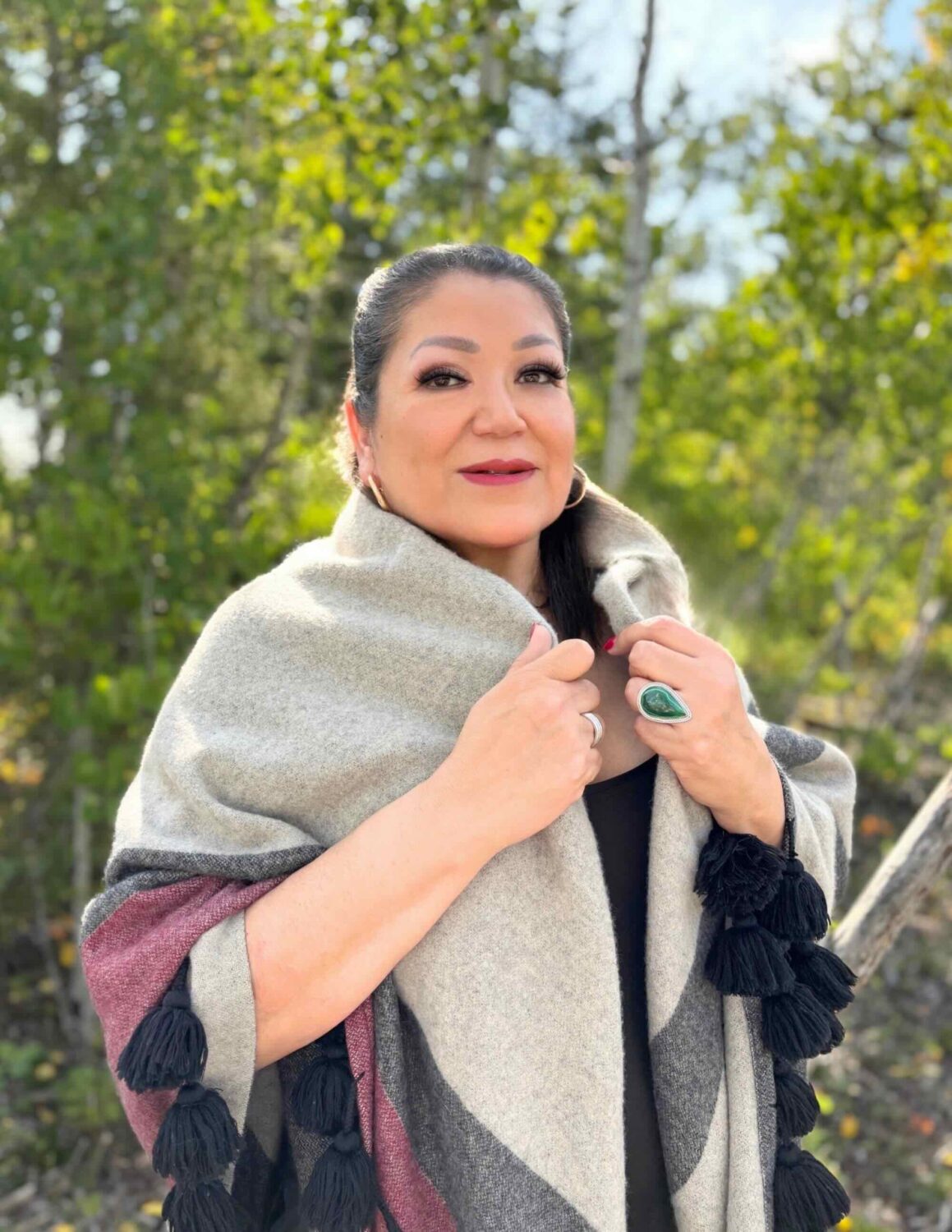
On a late-summer afternoon in northern Canada, Rhonda Head’s voice rises like wind over water. Her new album, ISKWAYWUK — “women” in Cree, one of North America’s largest Indigenous languages — brings that landscape into sound. The album features Cree and English lyrics braided with classical technique, guitars and flutes, layers of piano and drums, and songs that move between celebration and remembrance.
Head dedicates the album to her late sister, Elizabeth. “Her spirit, strength, and memory continue to guide and inspire me every day,” she says. “Creating ISKWAYWUK was more than a musical project — it was a spiritual journey, one that let me honor where I come from, uplift the voices of our women, and share a message of love grounded in culture and land.”
The title track “Iskwaywuk” is a burst of light. Driven by guitar and drums, it’s the record’s most immediately catchy cut, with a chorus singing words like Mitoni sohkaskosiw (strong), Otehiw (compassionate) and Sakihew (loving). The hook can lift an audience to its feet, but the verses stay rooted in survival and renewal: “If I didn’t know pain I wouldn’t know beauty…We birth life again / Maybe that’s what we’re put here for.”
“Aski,” opening with Native flute and piano, slows the pace. It’s a heartfelt ballad about the land itself — lakes, trees, brooks, mountains — and about thousands of years of living from that land. The refrain “Aksi how precious the land” becomes a mantra, each cycle of melody like water running over stone.
Later, “Searching for You” reaches out to anyone who has lost someone, its melody rising like a quiet prayer. The lyric transforms grief into motion, imagining wings strong enough to span the distance between worlds. Warm percussion and a gentle piano give the song a sense of embrace, suggesting that no distance can erase the bonds we carry.
And on “The Rose,” sung entirely in Cree, Head transforms Amanda McBroom’s classic into a meditation on love and resilience, stretching its melody into new contours of language and meaning.
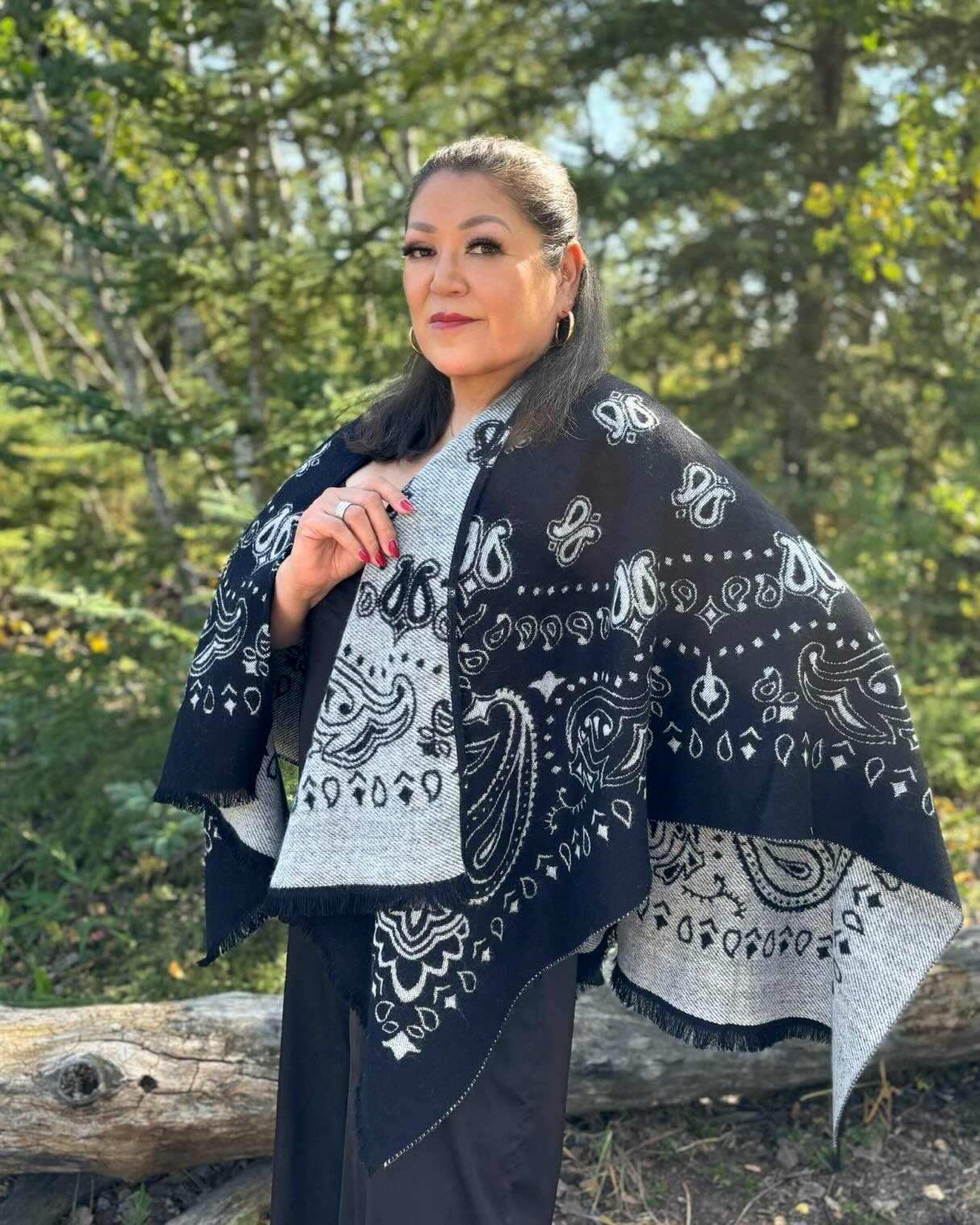
Taken together, these tracks feel deliberate — themes emerge, shimmer, and settle like sunlight on water. It’s the kind of work the GRAMMYs’ Regional Roots category was created to recognize: music that preserves and shares a community’s heritage while making it vivid for listeners everywhere.
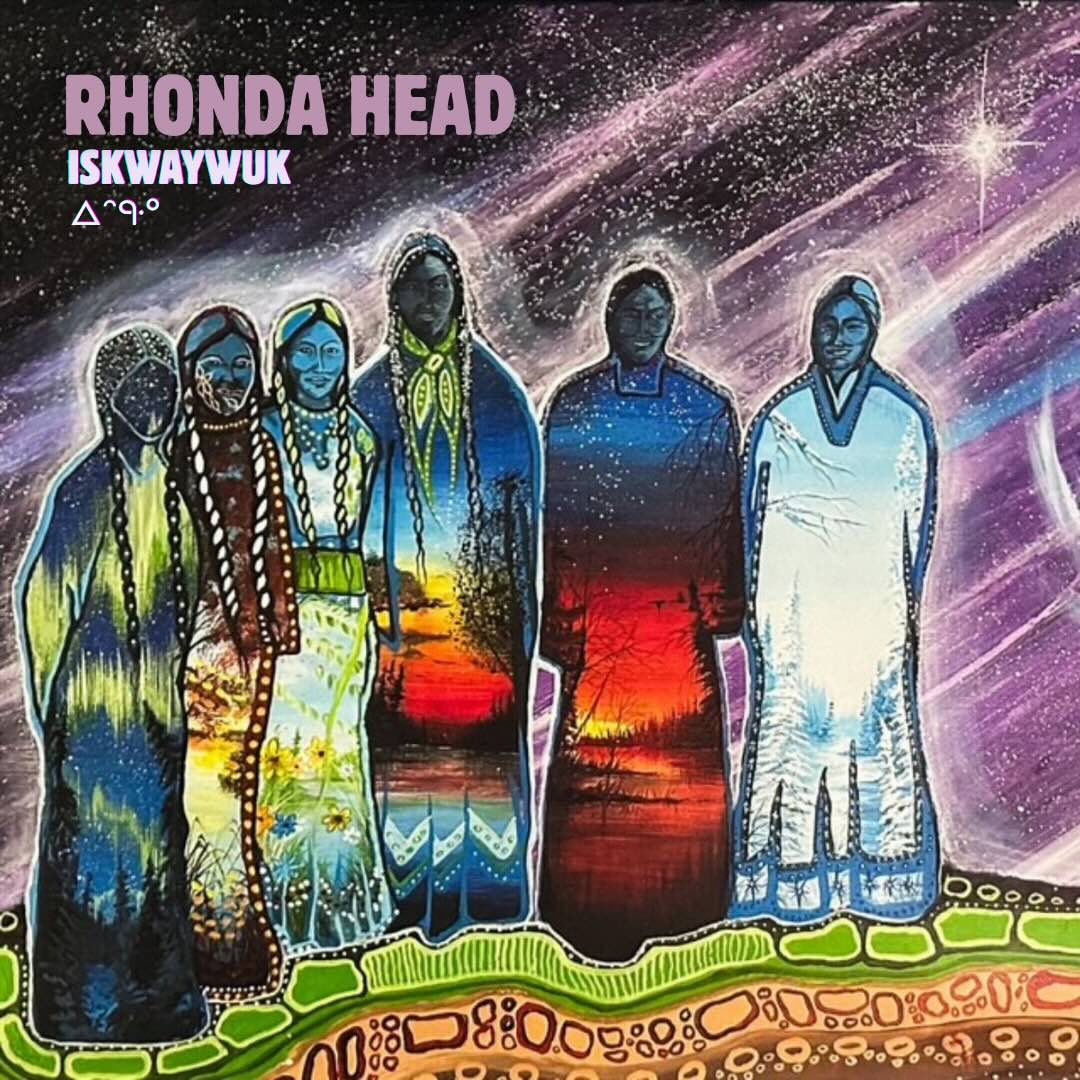
Even before you press play, the cover signals what you’re about to enter. Painted by Cree artist Ken Bighetty, the cover shows women and land in quiet conversation — a single image that echoes the album’s heart: the strength of women, the spirit of the land, and enduring love.
Head isn’t just singing about resilience; she embodies it. An intergenerational Residential School Survivor and a brain tumour survivor, she channels those experiences into music that feels both grounded and luminous.
Now ISKWAYWUK has been submitted for GRAMMY® consideration in the Regional Roots and Best Album Cover categories — a fitting place for a work that bridges classical form and Cree tradition with clarity and heart.
What begins as a tribute becomes something larger: ISKWAYWUK leaves you inside a chorus of women, land and love that keeps echoing long after the record ends.