
 Jon Stojan
Image credit: Per Norberg
The automotive industry is navigating its most profound transformation in over a century, as the accelerating shift towards electric vehicles (EVs) reshapes not only engineering paradigms but also the very narratives brands use to connect with consumers. In this dynamic landscape, where nascent EV brands strive to establish their identity and legacy automakers endeavor to reinvent themselves for an electric future, the power of visual storytelling becomes exceptionally critical.
A pivotal challenge, and indeed a significant opportunity, lies in how automotive companies, particularly those with a rich and storied past, can effectively leverage their heritage to cultivate trust and generate excitement for their electric ambitions. This endeavor requires moving beyond simple nostalgic appeals to forge genuine relevance for contemporary consumers, addressing a “narrative vacuum” that the EV disruption has created.
While new entrants like Tesla have successfully built their brand stories around innovation and disruption, established players must thoughtfully reconcile their history with a markedly different technological future. This is a task where strategic visual communication is indispensable for maintaining consumer trust and perceived reliability.
At this confluence of automotive legacy and electric innovation stands Per Norberg, a Swedish photographer and commercial director based in Los Angeles.
Norberg masterfully crafts imagery that bridges generational divides, often by juxtaposing iconic classic models—such as a 1967 Land Cruiser or an early Toyota Prius—with the sleek lines of today’s electric vehicles. His extensive portfolio, encompassing collaborations with revered legacy marques like Ferrari and Maserati alongside pioneering EV brands such as Polestar and Lynk & Co, has afforded him a nuanced perspective on this evolving visual language.
His compositions, frequently imbued with warm, nostalgic aesthetics, evoke familial bonds and underscore brand lineage, thereby enhancing audience engagement and bolstering brand authenticity. This “pan-generational portraiture” visually articulates a brand’s consistent evolution and enduring values, framing the transition to EVs as a natural progression rather than an abrupt departure from a cherished past. This approach resonates with both older consumers holding strong emotional ties to legacy brands and younger, authenticity-seeking generations.
Norberg’s multifaceted creative journey—spanning studies in business, economics, and marketing, a period as a fashion model, and even a televised musical performance—informs his sophisticated approach to visual storytelling. His career in photography commenced while assisting a fashion photographer, subsequently leading to roles shooting for Nelly.com, where he also managed the studio and served as creative director, eventually directing commercials.
His automotive career gained significant traction with assignments for Ferrari magazine and the global Maserati campaign in 2018, followed by extensive projects for Toyota, Subaru, Lynk & Co, and Polestar between 2018 and 2022. Recent studies in Sustainable Design and his role as a creative director for Stark Future further underscore his engagement with forward-looking concepts.
He continues to shoot stills and direct commercials for prominent global clients including Toyota, Lexus, Hyundai, and Audi. This diverse background, coupled with top-tier industry recognition—including being a five-time awardee in Lürzer’s Archive’s “Top 200 Ad Photographers of the World” and a top 10 ad photographer in Los Angeles—gives him a holistic understanding of brand communication that transcends mere technical skill.
Lürzer’s Archive is a highly esteemed publication that curates exceptional international advertising and design, making this accolade a significant indicator of creative impact. Furthermore, Norberg has been instrumental in shaping the visual identity for Toyota and was enlisted by Polestar from its inception to establish a distinctive tonality for its brand assets, a testament to the trust placed in him by a brand built on design and minimalism.
Learning from legends: How legacy brands shape Norberg’s EV vision
Norberg’s formative experiences with distinguished legacy automotive brands have been instrumental in sculpting his approach to photographing contemporary electric vehicles. He firmly believes that “there is a lot to be learned from heritage brands in terms of marketing strategy in terms of story telling and narratives to build campaigns.”
This education extends far beyond superficial aesthetics, delving into the sophisticated use of narrative and storytelling that these marques have refined over many decades. Ferrari, for example, meticulously cultivates its image around unparalleled performance, exclusivity, and its deeply ingrained racing DNA, a strategy it continues even as it ventures into the electric vehicle sector.
Similarly, Maserati draws upon its rich history of Italian craftsmanship and grand touring prowess to define its brand. Norberg meticulously observes how these brands capture the intrinsic essence of their vehicles, not merely their physical form.
He elaborates, “When adapting automotive assets for the electric age, I often look back to legendary brands and their visuals—not just for framing, but also for their use of light and how the cars interact with the backgrounds in those assets.” This statement reveals a profound study of classical automotive photography principles and their thoughtful application within a new technological framework.
The objective is not to replicate the past, but to comprehend the foundational principles that enabled legendary brands to build their desirability, and then to translate these principles effectively to the EV context by deconstructing the “why” behind iconic imagery, not just the “what.”
Legacy automotive brands have invested decades, some over a century, in building brand equity through consistent messaging, distinctive design languages, and compelling performance narratives, often highlighting historical milestones and superior craftsmanship. Academic research into brand heritage confirms that longevity and unwavering core values significantly contribute to perceptions of authenticity and trust.
The inspiration drawn from these automotive icons is both practical and detailed. When confronted with a demanding shoot, such as positioning an electric SUV in an off-road environment, Norberg poses a critical, reflective question: “When shooting an electric SUV off-road, I ask myself, ‘What would Range Rover do?’ and draw inspiration to create fresh takes on iconic work—not just in terms of car angles, but also in set styling, props, wardrobe, and casting.”
This methodology unveils a holistic vision where the vehicle is an integral component of a larger, meticulously curated scene, designed to articulate a specific narrative. It involves creating an entire immersive world around the EV that feels simultaneously aspirational and authentic, drawing from the established visual lexicon of luxury and performance.
The broader automotive industry acknowledges this power of heritage; Jaguar, for instance, in its “Reimagine” strategy, explicitly states that “preservation doesn’t mean standing still; it prospers through renewal, modernity, and disruption,” a philosophy Norberg’s work embodies by discovering new tales on legendary work. This approach allows him to imbue new EV imagery with a sense of gravitas and familiarity while ensuring it still feels contemporary and innovative.
Consumers often exhibit a preference for familiar brands when considering electric vehicles, primarily due to the perceived dependability and trust cultivated over extended periods. By considering what the Range Rover would do, Norberg effectively taps into a pre-existing consumer understanding of the visual and experiential language of “luxury off-road,” enabling a more efficient communication of complex brand values like capability and sophistication for newer EV models that are yet to establish such strong visual associations. This aligns with the evolving understanding of heritage marketing, which should demonstrate relevance for the present day rather than merely serving as a sentimental throwback.
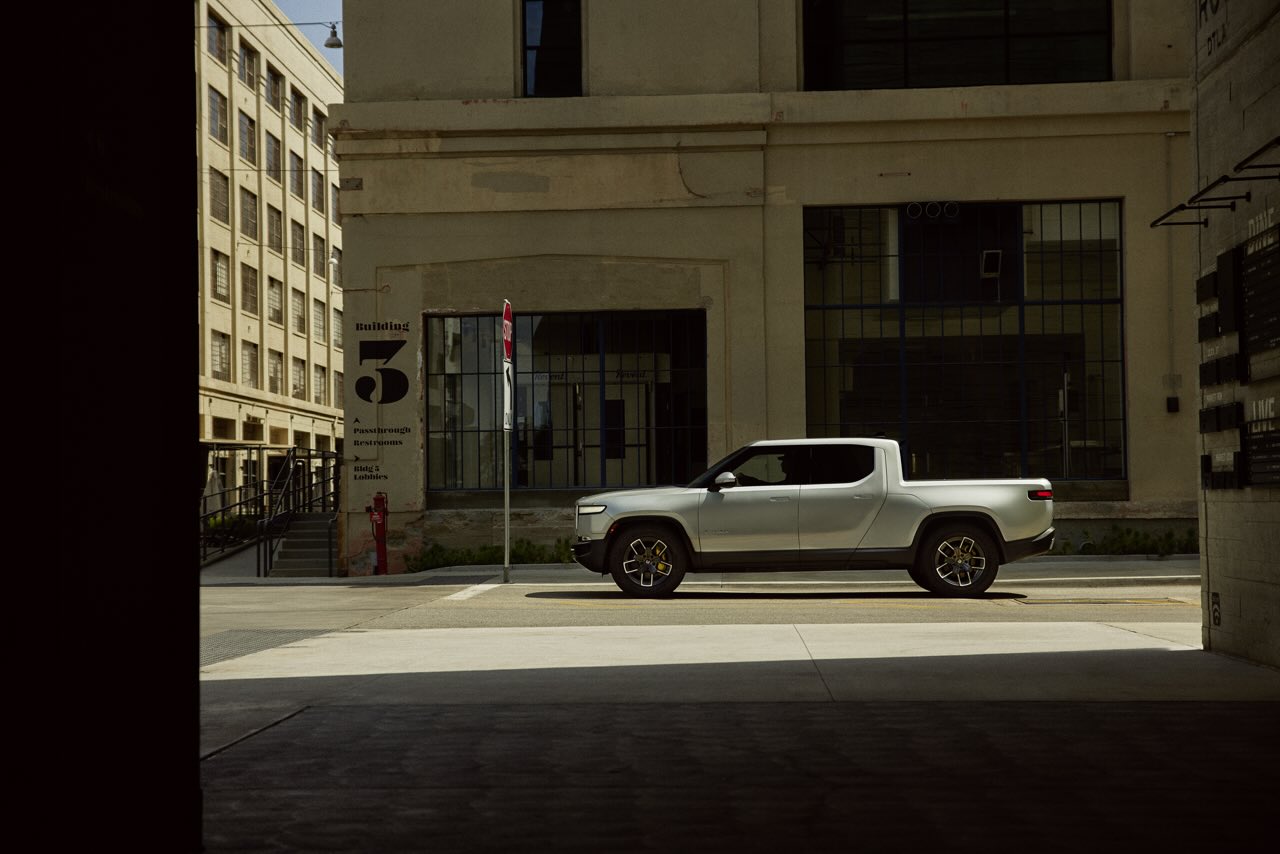
Image credit: Per Norberg
Weaving timelines: Crafting emotional narratives with classic and electric vehicles
Pairing a classic vehicle, such as a 1967 Land Cruiser, with a contemporary electric vehicle like a Polestar presents a distinct narrative challenge, a point Norberg acknowledges: “The Land Cruiser and the Polestar don’t have a lot in common.” This observation underscores the sophisticated creative thinking necessary to identify and develop a unifying thematic thread.
Although he has not yet encountered a direct request for this specific Land Cruiser/Polestar juxtaposition, he frequently observes legacy automakers pairing their own heritage models with their forthcoming EVs. A common example he cites is an old FJ Toyota (or Land Cruiser) paired with a bZ4X EV SUV.
This practice is gaining traction as established brands aim to reassure their loyal customer base and visually demonstrate a continuous lineage of innovation and progress. The fundamental concept is to discover a narrative that transcends the physical and technological disparities between the vehicles, tapping into universal human experiences or aspirations.
The potency of such pairings resides in the creation of a “bridging narrative,” which makes the new, often unfamiliar, EV feel connected to the positive emotions and established trust associated with the classic model. This connection can be powerful even if the vehicles, in a hypothetical scenario, originate from different brands.
Heritage marketing trends increasingly emphasize personalization, positioning the customer as the protagonist in the brand’s story. By evoking a sense of a shared journey or adventure, the narrative becomes instantly relatable. The automotive industry is more frequently employing such juxtapositions; Ford’s “Mischief Rewired”campaign for the electric Capri, for instance, commences with vintage advertisements that seamlessly transform into the new EV model, a strategy that effectively leverages nostalgia, which research indicates can positively influence brand perception and purchase intention.
For a hypothetical Land Cruiser and Polestar photoshoot, Norberg outlines a thematic approach centered on the enduring concept that “I’d take an approach rooted in the idea that the journey is the destination—telling a story that reflects how today’s roads rarely demand traditional off-road vehicles, yet highlight how extraordinary the experience can be in a fast, efficient electric SUV.” He further elaborates on connecting this contemporary experience to the past by reflecting on how “In the 1960s, even with rough roads—and sometimes no roads at all—getting to your destination was an adventure in itself. The journey was the most epic part of getting behind the wheel.”
This creative linkage masterfully connects the rugged, adventurous spirit of past motoring with the sleek, efficient, and equally adventurous spirit of present-day electric mobility. The ultimate emotional thread often revolves around human connection and shared experiences.
Norberg crystallizes this by suggesting the narrative could be about, “Maybe showing that with both cars, you can reach your loved ones—no matter where they live.” This theme resonates deeply, as the automobile has long stood as a symbol of freedom and the profound human need to connect with others.
By focusing on the unchanging human desires for adventure and connection, Norberg utilizes the vehicles as facilitators of these timeless emotions, rather than concentrating solely on technological evolution. Emotional connection is a formidable driver in branding, and studies have demonstrated that heritage brands often evoke feelings of longevity and reliability, qualities that can be effectively transferred to new products if the narrative is crafted with compelling emotional depth.
The “journey” metaphor is universally understood and allows for the inclusion of diverse individual experiences, aligning perfectly with the trend towards personalized heritage storytelling.
Directing the human element: Capturing authenticity across generations
Norberg’s fundamental philosophy when directing subjects, particularly in multigenerational settings designed to bridge past and present, is to “Always aim to work on striking emotions.” He keenly recognizes that the automobile, from its very inception, has served as a powerful “symbol of freedom and individuality.”
This emotional core, he observes, remains remarkably constant despite the relentless pace of technological advancement in the automotive sphere. While “The level of tech and performance has changed a lot over the years,” Norberg emphasizes that “the overall dream of life seen through the idea of going ‘anywhere at any time’ pretty much stays the same.”
This profound understanding is vital for creating images that resonate across diverse age groups, each of which may harbor a unique nostalgic connection to the fundamental concept of motoring. His directorial approach, therefore, focuses on eliciting universal emotions tied to the idea of motoring itself, rather than specific, narrow generational experiences with cars.
This allows the resulting images to feel timeless and broadly relatable. Pan-generational marketing strategies aim to identify and leverage common ground across different age cohorts, and the innate human desires for freedom and self-expression are fundamental needs that automobiles have historically helped individuals fulfill. By tapping into these universal desires, Norberg’s photography can evoke personal memories for older viewers, creating a sense of nostalgia, while simultaneously presenting these enduring values in a modern, forward-looking context that appeals to younger audiences.
This aligns with research suggesting that nostalgia can positively influence purchase intention for both historically resonant and contemporary brands, particularly among younger demographics like Gen Z.
The practical application of this emotionally centered philosophy on set involves meticulously crafting scenarios where these universal feelings can naturally and authentically surface. “In this way I aim to capture the essence of motoring which somehow transcends time,” Norberg explains.
This translates into directing subjects not merely to pose statically with a vehicle, but to interact with it and with each other in ways that suggest shared experiences, memorable journeys, or the exciting promise of future adventures. The ultimate aim is to capture authentic, unscripted moments that feel genuine and spontaneous.
Successfully portraying these multigenerational connections through visual storytelling powerfully reinforces brand loyalty, as it can tap into deep-seated familial ties and associations with a particular brand. For instance, a parent’s cherished dream car from a specific manufacturer can create an emotional bridge to their child’s aspirations for a new electric vehicle from the very same marque.
The authentic moments Norberg diligently seeks are those that reflect the enduring human story intrinsically associated with automobiles, making the specific models—whether classic or electric—integral parts of a larger, emotionally resonant narrative that feels both deeply personal and universally understood. Authenticity is a critical driver of brand trust, a factor especially valued by younger consumer segments.
Directing for genuine emotion rather than staged or artificial poses helps create a more believable and engaging brand story. When multigenerational subjects are involved, these authentic interactions can powerfully convey themes of legacy, continuity, and shared values—elements that are central to effective and impactful heritage marketing. Illustrating this industry recognition of such narratives, Ford actively seeks and features customer stories centered on generations of Mustang’s love with the Mach-E in their marketing efforts, underscoring the significant value placed on these intergenerational narratives.
The alchemy of light and color: Unifying past and present visually
The creation of Norberg’s signature warm, vintage-tinged aesthetic is not a result of happenstance but is deeply rooted in meticulous and thorough preparation. “I love to do my homework,” he states with conviction. “For every shoot, I create a detailed prep deck, visiting locations in person and exploring them in advance using Google Earth and sun scouting apps.”
This unwavering dedication to comprehensive pre-production ensures that he can harness the nuances of natural light most effectively to achieve his desired visual outcome. A profound understanding of the chosen location and the sun’s precise path throughout the day allows him to meticulously plan shots that will inherently yield the specific warmth and mood he envisions.
This careful, strategic planning is particularly essential when the objective is to visually harmonize vehicles that may possess vastly different design languages, material finishes, and historical contexts, such as a classic automobile and a modern electric vehicle. The “vintage tinge” in his work is therefore not merely an artifact of post-production; it is fundamentally conceived and planned for during the pre-production phase through exhaustive location scouting and an intimate understanding of how natural light behaves and can be manipulated.
This foundational work is paramount to the authenticity and cohesiveness of the final visual narrative. Automotive photography, especially when intended for advertising and brand-building, demands an exceptional level of precision and control. Natural light, particularly during the fleeting moments of the golden hour, provides a soft, diffused quality that is inherently flattering to automotive surfaces and can powerfully evoke a sense of nostalgia and timelessness.
By scouting locations extensively, Norberg can accurately predict how this specific quality of light will interact with both classic and modern vehicles, ensuring a consistent and harmonious visual feel across the entire composition.
Norberg’s preferred lighting condition is unequivocally articulated: “Shooting in the late afternoon into sunset is always my go-to lighting—it’s called golden hour for a reason!” The warm, often directional light characteristic of the golden hour naturally imparts a nostalgic sentiment and significantly enhances the three-dimensional presence of the vehicles within the frame.
Post-production techniques are then employed to further refine and polish this carefully captured vision. “Adding a touch of grain in post gives the images a filmic quality that enhances the cinematic feel and ties in perfectly with the vintage vibe,” he explains.
This subtle, intentional addition of film grain serves to soften the often clinical sharpness associated with modern digital cameras and further aids in unifying the classic and contemporary elements within the image. The resultant cinematic quality elevates the imagery beyond simple documentation, transforming each frame into a compelling piece of visual storytelling that resonates emotionally with the viewer.
This nuanced approach is particularly effective in creating a “pan-generational” appeal, as the vintage warmth can evoke nostalgia in older viewers while the sophisticated cinematic quality appeals to modern aesthetic sensibilities. Norberg skillfully combines in-camera craft, such as mastering the ethereal light of golden hour, with subtle yet impactful post-production techniques like the application of film grain, to create a visual bridge that seamlessly connects different eras.
This ensures that the “vintage” feel enhances, rather than overshadows, the inherent modernity of the electric vehicles being showcased. Golden hour light naturally scatters shorter blue wavelengths, leaving behind warmer tones that are psychologically associated with nostalgia, comfort, and positive emotions.
The addition of film grain mimics the texture of older photographic processes, subtly reinforcing the vintage atmosphere and adding a layer of artistic, cinematic depth. This careful balance ensures that the images feel timeless, appealing both to those who hold fond memories of the classic cars depicted and to those drawn to the aspirational, high-tech imagery of modern EVs. Such visual consistency is crucial for campaigns aiming to link a brand’s historical achievements with its present-day relevance and future aspirations.
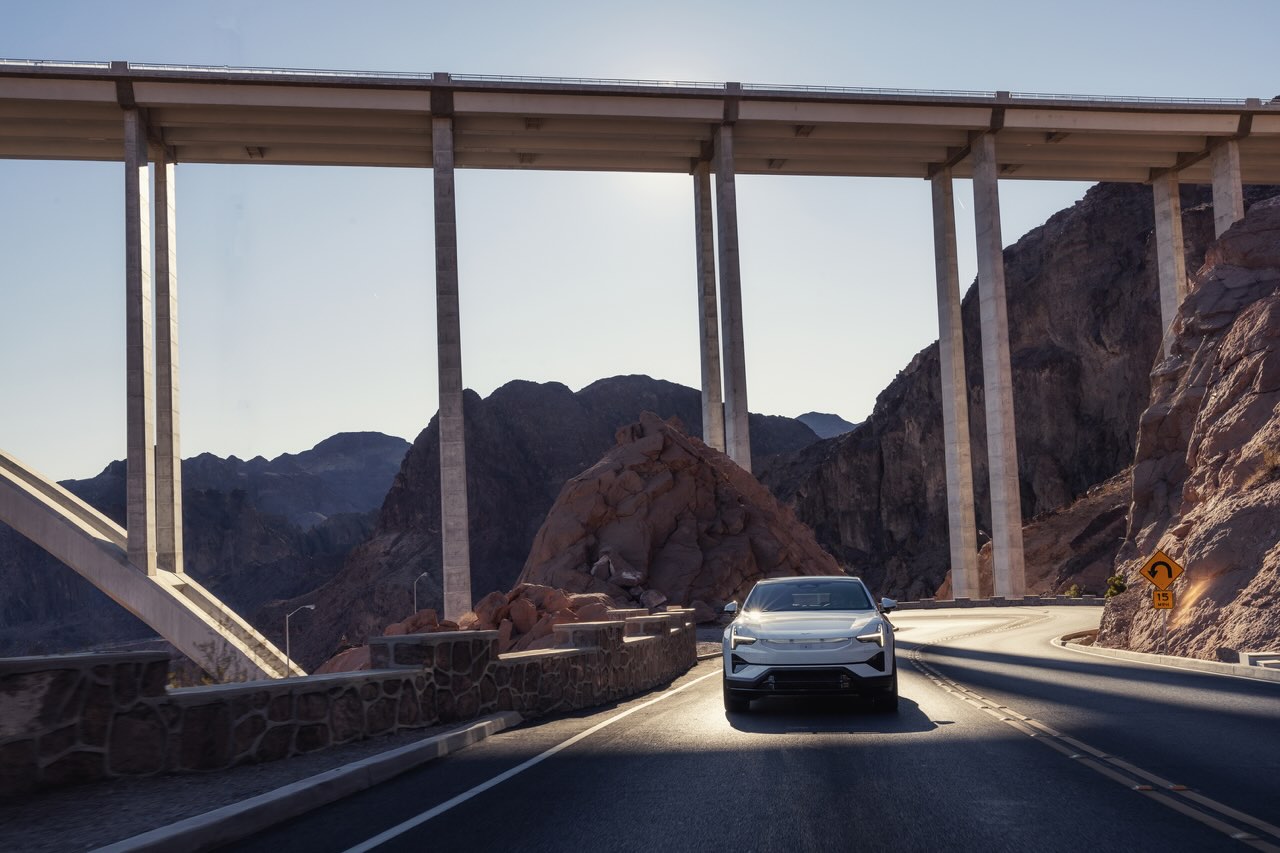
Image credit: Per Norberg
Resonance and response: The impact of heritage-infused EV campaigns
Norberg holds a strong conviction that “heritage-infused assets bond people in a very special way.” He particularly highlights the profound connections that can be forged between sons and fathers and mothers and daughters, where a parent’s nostalgic dream of owning a classic car from a particular marque can find a contemporary echo in their child’s burgeoning interest in a new electric vehicle from the very same brand.
This creates a potent and deeply emotional linkage that transcends time and technological shifts. This intergenerational tie proves especially powerful because, as Norberg astutely observes, “people love brand loyalty.”
He offers a compelling real-world illustration of this phenomenon: “Many Volvo owners have driven Volvos their entire lives, and now, in their 70s, they’re open to getting their first-ever EV while staying loyal to the brand.” This example vividly demonstrates how deep-rooted loyalty, carefully nurtured by a brand’s heritage and consistent values, can effectively transition consumers towards new technologies like electric vehicles.
The positive reactions from both clients and audiences frequently affirm this power of connection, encouraging Norberg to continue exploring and emphasizing these resonant themes in his work. Heritage-infused campaigns achieve effectiveness not merely by evoking nostalgia, but because they tap into the powerful human desires for connection, continuity, and shared identity—qualities that are foundational to establishing and maintaining lasting brand loyalty.
Brand loyalty is a significant and highly valued asset for automakers, particularly within the increasingly competitive electric vehicle market. Numerous studies indicate that heritage brands often benefit from higher levels of consumer loyalty. Volvo’s strategy, for instance, while adapting its EV production timeline, continues to rely heavily on its strong brand heritage of safety and reliability to retain its customer base.
Norberg’s imagery, by visually articulating these intergenerational bonds, directly supports the critical marketing goal of transitioning loyal customers to new product lines such as EVs. This approach aligns with the marketing principle that heritage can make a brand more relatable and fortify its reputation.
The consistently positive feedback regarding these “generational ties” directly shapes and influences Norberg’s creative direction and choices. He finds that “generational ties are really interesting because people love brand loyalty.”
While he may not always have direct access to specific sales data or return-on-investment figures, the enthusiastic responses from his clients—including Art Directors and brand managers—and the perceived deep connection of the audience to the narrative of shared brand history serve as strong validation for his distinctive approach. This encourages him to persistently seek out and emphasize visual cues and storytelling elements that effectively highlight lineage, enduring brand values, and the compelling evolution of a brand’s promise across multiple generations.
The success of such campaigns can often be observed in the way consumers actively engage with the brand, frequently sharing their own personal stories of long-standing brand loyalty and connection. The inherent “stickiness” of brand loyalty, especially when intertwined with family history and shared experiences, provides a compelling incentive for Norberg to continue developing creative concepts that reinforce these multi-generational connections, as they are consistently perceived by clients to be highly effective in the marketplace.
Consumer engagement is widely recognized as a key metric for campaign success. While Norberg’s primary focus is on creative execution, the positive reactions from his clients are often predicated on their expert understanding of what resonates most effectively with their target audience and what ultimately drives meaningful engagement.
The concept of “psychological closeness,” which can be fostered by relatable, heritage-infused stories, has been shown to lead to an increased willingness among consumers to pay more for a product and to develop stronger brand affinity—outcomes that are highly desirable for any client.
Gauging success: Indicators of authenticity and engagement in pan-generational imagery
When evaluating the success of his pan-generational photographic portraits, Norberg primarily relies on direct, qualitative feedback from his clients and collaborators. He candidly states, “I don’t typically work on the back end to track ROI or metrics like spend versus interaction or sales. Instead, I measure success through the overall feedback I receive from art directors and other creative leads.”
This form of qualitative assessment is paramount in the creative industries, where artistic vision and strategic alignment are key. For Norberg, “Feedback on execution from the agency and client is all I need.”
This perspective indicates a deep trust in the expertise of the agency and client teams to effectively align the creative output with broader campaign objectives and to deploy it strategically for maximum impact. Such an approach is common among specialized creative professionals who are responsible for a specific, albeit crucial, component of a larger marketing endeavor.
The advertising industry itself utilizes platforms such as Lürzer’s Archive to recognize and celebrate creative excellence, which serves as a significant form of qualitative validation within the field. Norberg, therefore, defines the success of his work through the lens of exceptional creative execution and the expressed satisfaction of his clients, trusting that a well-executed, strategically aligned visual will inherently and positively contribute to the campaign’s overarching goals of enhancing brand authenticity and fostering audience engagement.
In complex advertising campaigns, numerous variables contribute to the final return on investment, making it exceedingly difficult to precisely isolate the impact of a single creative element like photography. Art directors and clients, who are responsible for the overall campaign strategy, typically have access to a broader array of campaign metrics and performance data.
Their positive feedback on Norberg’s execution implies that his visuals are effectively meeting the strategic brief, which would invariably include objectives related to building authenticity and driving engagement. Authenticity in heritage marketing is fundamentally about being true to a brand’s origins and core values while simultaneously remaining relevant to contemporary audiences—a nuanced quality that experienced art directors are well-equipped to assess.
While Norberg does not directly engage in the measurement of quantitative metrics such as sales figures or click-through rates, he possesses a clear understanding of the downstream impact and potential of his work. “I know that if they’re happy, their professional approach ensures the content will be put to good use,” he asserts confidently.
This implies a well-founded confidence that high-quality, emotionally resonant imagery, when strategically deployed by skilled marketing professionals, will naturally lead to enhanced brand authenticity and increased audience engagement. The automotive industry increasingly employs sophisticated methodologies to track various facets of consumer engagement, ranging from social media interactions and content shares to website traffic patterns and lead generation.
Although Norberg is not personally analyzing this specific data, his creative work provides the essential raw material that fuels these intricate engagement funnels. Campaigns that successfully evoke nostalgia or tell compelling brand stories often observe significantly higher levels of engagement from their target audiences.
The “happiness” of art directors and clients, therefore, serves as a crucial proxy indicator for Norberg, signaling that his visuals are effectively contributing to the desired brand perception. This positive perception is a vital precursor to achieving measurable engagement and establishing a sense of authenticity in the eyes of the consumer.
Brand authenticity is meticulously built upon consistent messaging and experiences that seamlessly align with the brand’s core values and rich heritage. Norberg’s pan-generational portraits, by visually linking a brand’s past achievements with its present innovations, contribute directly to this narrative of consistency and thoughtful evolution.
Engagement metrics within the automotive sector encompass a wide array of indicators, including social media shares and comments, the amount of time users spend on a brand’s website, and, ultimately, lead generation and sales conversions. While Norberg does not personally track these specific metrics, his unwavering focus on “striking emotions” and creating “bonds” is inherently aimed at producing content with which audiences will actively and meaningfully engage.
Navigating contrasts: Balancing historical accuracy and modern EV aesthetics
A significant creative challenge that Norberg frequently encounters in his work involves the often disparate material properties of classic automobiles when compared to modern electric vehicles, particularly concerning their paint jobs and surface finishes. He elaborates, “One thing that comes to mind is that modern cars sometimes have really elaborate paint jobs that really were not a thing for more historical vehicles.”
This fundamental disparity in materiality can introduce considerable complexities in lighting. “Take, for example, a black paint finish with blue metallic—depending on the lighting, the car can appear deep black in some scenes and distinctly blue in others.”
Such advanced, multifaceted paint finishes, common on contemporary EVs, react to light in ways that are vastly different from the often simpler, solid colors characteristic of many classic cars. This necessitates meticulous consideration during the photoshoot to ensure that both vehicles are presented optimally and harmoniously within the same photographic composition.
The core challenge, therefore, lies not merely in placing an old vehicle and a new vehicle side-by-side, but in skillfully managing how light interacts with these fundamentally different surfaces to create a unified, cohesive, and aesthetically pleasing image, demanding a high degree of technical proficiency in lighting and composition. Modern EV design frequently emphasizes futuristic aesthetics and the use of advanced, often reflective or matte-finished materials, whereas maintaining historical accuracy for classic cars requires careful attention to their original paint formulations and finishes.
The perceived “look” of a car is heavily dependent on its paintwork and how that paint interacts with and reflects light. The metallic and pearlescent paints often found on EVs can exhibit dramatic shifts in color and intensity under varying light conditions, whereas classic car paints might possess a more consistent, deeper, and often more predictable gloss. This inherent technical difference requires sophisticated lighting control to prevent one vehicle from appearing out of place or poorly illuminated in comparison to the other.
Norberg’s solution to this intricate challenge is both strategic and pragmatic, prioritizing the primary subject of the marketing campaign. He explains his methodology: “In a case like this, I focus on lighting and shooting the EV first, using my usual approach, then place the classic car into that exact same setup to ensure visual consistency.”
This approach strategically prioritizes the modern EV, which is typically the principal product being marketed, ensuring it is perfectly lit and presented to its best advantage. The classic car is then carefully and thoughtfully integrated into this established lighting scheme.
While this integration can be a challenge, Norberg embraces it as a fun one. This positive framing of the difficulty indicates a creative, problem-solving mindset that is essential for success in high-level commercial photography.
The ultimate goal is to create a compelling visual dialogue between the two vehicles, where the lighting serves as a powerful unifying element, seamlessly bridging the gap between eras. By lighting for the EV first and then adapting the classic car to that environment, Norberg ensures that the primary marketing message is effectively served, while still respecting and preserving the aesthetic integrity of the heritage vehicle. This represents a practical and elegant solution to a complex visual puzzle.
In campaigns that feature new EVs alongside classic counterparts, the EV invariably stands as the hero product. Consequently, its visual representation must be nothing short of flawless. By establishing the primary lighting for the EV, Norberg creates a foundational visual baseline.
The true skill then lies in subtly adjusting reflectors, diffusers, or manipulating ambient light to ensure the classic car also looks its absolute best within that established lighting environment, without necessitating a completely separate (and potentially visually jarring) lighting setup. This methodical approach ensures crucial visual consistency—an essential element in achieving the seamless unification of past and present that defines his work, particularly in his use of lighting and color palettes.
The enduring power of history: Heritage storytelling in the evolving EV market
Norberg foresees an increasingly prominent role for heritage storytelling by established automakers as the electric vehicle market becomes more saturated and competitive. He predicts, “With so many EV startups and new players entering the market, legacy automakers are likely to work harder to strengthen brand loyalty by tapping into their heritage and long-standing identity.”
This rich history can be drawn from a variety of potent and evocative sources, including a brand’s legacy from racing to motorsports to reliability to safety. These are well-established pillars of consumer trust and emotional excitement that newer EV brands often lack the historical depth to claim.
The strategy of linking new electric vehicles to iconic and beloved nameplates from the past is already clearly evident in the market, as Norberg astutely notes, “Even like Ford Mach-e tapping into the Mustang nameplate.” This approach effectively leverages existing brand equity and deep-seated emotional connections to help ease consumers into adopting new and unfamiliar technologies.
In an increasingly competitive EV landscape, heritage will undoubtedly become a key differentiator for legacy brands, allowing them to anchor their new technological offerings in a proven history of excellence, innovation, and trustworthiness. The EV market is currently experiencing a significant influx of new entrants, which can create a “sea of sameness” if brands focus solely on technical specifications and features.
Legacy automakers possess a powerful and often inimitable asset: decades of meticulous brand building and accumulated consumer trust. Linking new EVs to successful past models or to core brand values (such as safety for Volvo, or performance for the Ford Mustang) can significantly reduce the perceived risk for consumers and make the adoption of an EV feel less like a leap into the unknown and more like a natural evolution of a trusted relationship. Studies consistently show that consumers often prefer familiar and established brands when considering the purchase of an electric vehicle.
Ultimately, Norberg is optimistic about the enduring role and strategic value of heritage in the electric era: “It’s a bright EV future for those who have a history to fall back on.” This statement strongly suggests that brands capable of skillfully and authentically weaving their past narratives into their electric future will possess a distinct and sustainable competitive advantage.
As consumer expectations for electric vehicles continue to evolve beyond fundamental concerns like range and charging times to encompass broader aspects such as brand identity, emotional connection, and overall user experience, heritage storytelling provides a rich and versatile wellspring for creating these deeper, more meaningful connections.
The ongoing challenge for these brands will be to adapt their historical stories to new and diverse vehicle lineups—which may include compact urban EVs, luxurious electric sedans, or high-performance electric sports cars—and to ensure these narratives resonate powerfully with the evolving values of contemporary consumers, including a heightened focus on sustainability and a demand for authentic brand narratives.
Heritage, in this context, is not a static, historical asset but rather a dynamic and adaptable narrative that must be continuously reinterpreted to align with new product offerings and the shifting desires of consumers in the burgeoning EV market. Norberg’s work itself stands as a testament to how this delicate balance can be achieved visually, creating compelling imagery that honors the past while embracing the future.
Consumer expectations are indeed shifting; while early EV adoption was largely driven by innovators and early adopters, mainstream consumers now increasingly look for trust, reliability, and value—attributes often strongly associated with established heritage brands. As EV technology matures and becomes more widespread, the power of a brand’s story and its ability to forge an emotional appeal will become increasingly important differentiators in a crowded marketplace.
Prominent brands like Jaguar Land Rover are explicitly building their electric future upon a foundation of reimagined heritage, and the observation by Manfredi Ricca that businesses “must turn whatever heritage they have into something that a sufficient number of customers can be willing to pay enough for” powerfully underscores this critical need for active, thoughtful, and continuous adaptation.
In an automotive era defined by profound technological shifts and evolving consumer narratives, Norberg’s photographic art provides a vital bridge between the rich legacy of motoring and the exciting frontier of electric mobility. His unique ability to weave pan-generational stories through warm, evocative imagery does more than just showcase vehicles; it forges deep emotional connections, reinforces brand lineage, and imbues cutting-edge EVs with a sense of timeless authenticity.
By masterfully blending classic automotive allure with modern electric aspirations, Norberg helps brands navigate the complexities of heritage marketing, ensuring their past achievements illuminate their path forward. His work stands as a powerful testament to the idea that as vehicles evolve, the human stories and emotional bonds they represent remain an enduring source of connection, a truth his lens captures with unparalleled artistry and strategic insight.
This approach not only honors a brand’s storied past but also compellingly signals its forward-looking trajectory, resonating across generations and building lasting brand affinity in a rapidly changing world.