
 Erin Maxwell
 Note: this review contains spoilers. The Devil of Hell’s Kitchen has returned after a long, grueling wait, but is he the same Matt Murdock fans met a decade ago when he first graced Netflix screens? The highly anticipated Daredevil: Born Again has finally arrived on Disney+, but does it still carry the same weight as its predecessor, or has time (and a new platform) altered the Man Without Fear beyond recognition?
When Daredevil first premiered, it was a bit of a revelation. The series earned widespread acclaim for its breathtaking action sequences, stellar writing, and an outstanding cast. Charlie Cox and Vincent D’Onofrio delivered career-defining performances as Matt Murdock and Wilson “Kingpin” Fisk, respectively, embodying their characters with staggering depth. It was the rare comic book adaptation that exceeded expectations, something few superhero projects today can claim.
It has been ten years since Daredevil first premiered, seven since it left Netflix, four since Matt Murdock offered legal counsel to Peter Parker, nearly three since his infamous Walk of Shame from Jennifer Walters’ apartment, and a year since his brutal showdown with Maya Lopez. Now, in the year of our lord 2025, we find Matt in an entirely new phase of his life as he is, quite literally, born again.
Despite swirling rumors and massive creative overhauls during production, Born Again not only meets expectations, it surpasses them. The series is a spellbinding mix of brutality, intrigue, and exceptional storytelling. Solid performances anchor a narrative that is as brutal as it is compelling, creating perhaps one of the best shows of the year.
(Disney+)
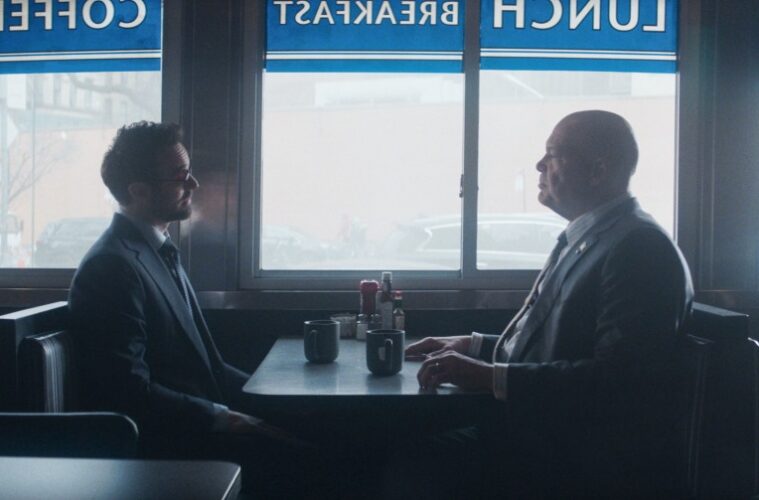
The story picks up a year after the tragic murder of Elden Henson’s Foggy Nelson at the hands of Benjamin “Dex” Poindexter. Matt Murdock has since retired his red mask, retreating into the shadows while his longtime nemesis, Fisk, recovers from his near-fatal headshot — courtesy of his former protégé, Maya Lopez, in the series Echo. Wife Vanessa has stepped into his shoes while he was recovering, but now that he’s better, Fisk sets his sights on the ultimate prize: New York City. Running as mayor on an anti-vigilante platform, Fisk claims to have turned over a new leaf, but it doesn’t take long for the former Kingpin to fall back into old habits, as a clear divide emerges between the once-happy couple — Vanessa misses the power she once wielded in her husband’s absence.
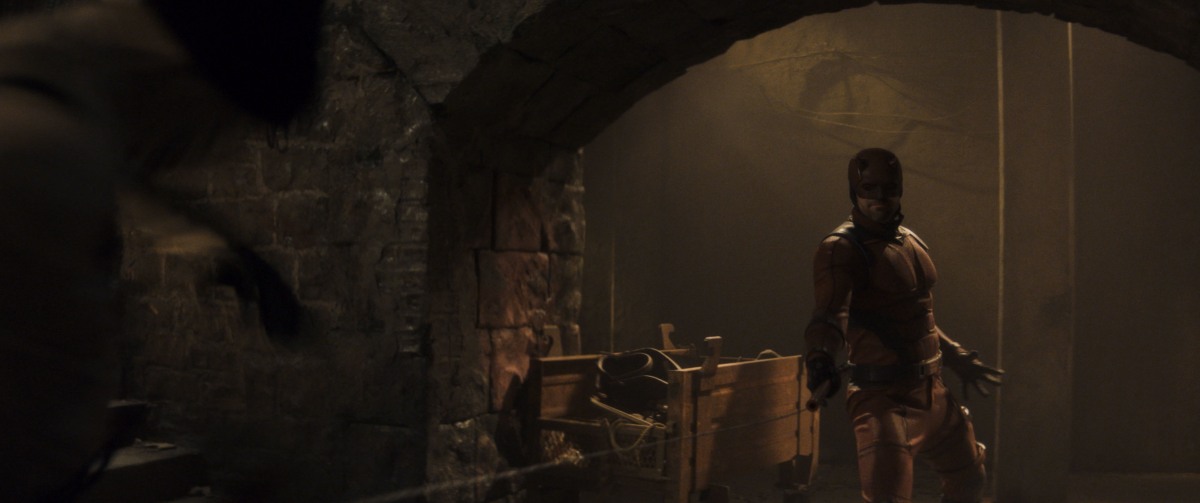
Crime and corruption spread across the city under its new mayor and his squad of rogue officers who enforce their own brand of “justice.” The deeper New York sinks into chaos, the harder it becomes for Murdock to keep his mask buried.
Under showrunner Dario Scardapane, Born Again shifts from legal drama with action-packed moments to high-stakes crime thriller, doubling down on the grit and brutality that made the original series so gripping. Though the show still sprinkles in lighter moments — watching Fisk endure multiple renditions of the cringe-worthy “We Built This City” is a standout — humor is used sparingly, allowing the series to fully embrace the darker tone. But don’t worry: the show still has its signature hallway fight scenes.
Born Again skillfully subverts expectations and familiar superhero tropes, using the audience’s assumptions against them to deliver gut-punch moments of surprise and emotional weight. While some fans may lament the limited screen time for legacy characters, the introduction of compelling new faces helps compensate. Standouts include Michael Gandolfini as Daniel Blade, Fisk’s social media strategist turned brainwashed lackey, and Genneya Walton as BB, a campaign blogger and niece of Ben Urich (Daredevil Season 1), who harbors a unique devotion to Fisk’s regime.
The unsung heroes of the series — the stunt team, sound designers, and music supervisors — deserve immense credit. Their craftsmanship elevates the show to new heights, from the haunting sound design that seamlessly blends Karen’s cries of anguish with Matt’s ruthless rooftop battle to perfectly placed needle drops that amplify every emotional beat. While some VFX moments don’t quite match the show’s overall excellence, the sheer impact of the series remains undiminished.
Much like HBO’s The Penguin, Disney+’s Daredevil: Born Again signals a shift in how comic book IPs are handled by prioritizing depth, artistry and storytelling over commercial appeal and shock value. It respects its subject matter, using its narrative to reflect on timely social issues.
As with many great comic book and fantasy sagas, Daredevil positions its hero as the underdog in a world where the powerful trample the weak, and delivers a poignant commentary on corruption, power, and resistance, mirroring real-world struggles with startling accuracy. As Fisk consolidates control and scapegoats marginalized vigilantes for society’s problems, Murdock rises not just as a hero, but as a symbol of defiance. Disney+ takes a bold swing that may divide audiences who prefer their escapism without social commentary, but the message carries undeniable substance.
The Devil of Hell’s Kitchen is no longer fighting just for his city: his mission has since grown. In doing so, Daredevil: Born Again adds depth to the story, the character, and to the genre itself.