
 Jon Stojan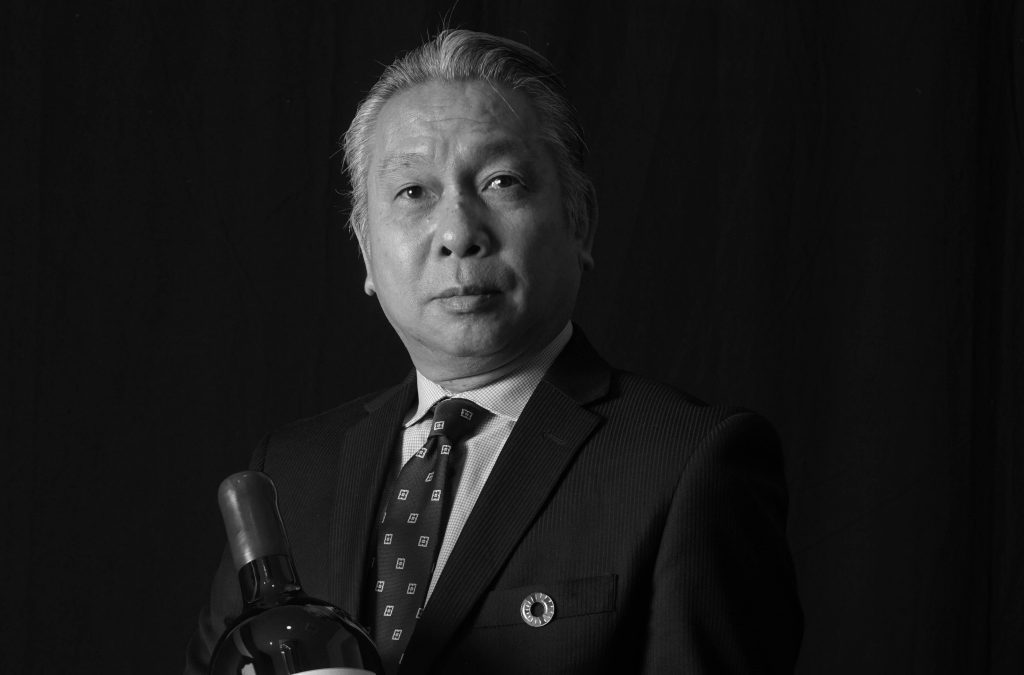
Image credit: Toshio Ueno
Japanese food has always been the center of attention among international cuisine, mainly for its symbolism and sacred value in Japanese culture and tradition. It was not just a way of familiarizing foreigners with unique flavors but also an active symbol of identity, a form of social exchange with meaning imbued in every sip or bite.
Many people, especially Japanese Americans, have played a significant part in this flavorful cultural exchange, and among them, Toshio Ueno’s name tops the list. As a Japanese American Sake Sommelier, Toshio Ueno has emerged as a cultural ambassador, raising awareness about Washoku and Sake to global audiences. Recently, his efforts were recognized by Japan’s Ministry of Foreign Commendation for his dedication to promoting Japanese culinary traditions among foreigners.
The commendation acknowledged and celebrated Toshio’s contribution in bridging cultural gaps and fostering positive relationships. By recognizing individuals like Toshio Ueno, who is dedicating his lifetime to Japanese cuisine and Sake, the commendation has shown that cultural exchanges bring value to bilateral relationships and positively impact overall diplomacy.
A Lifetime of Devotion to Sake
Toshio’s journey as a Sake Connoisseur began when he started working on his family farm, known for producing Koshu grapes for winemaking. However, he had to take a break to focus on his college education in the United States. Continuing his passion to go forward in the winemaking industry, Toshio became the Director of Sales at Chateraise, an international wine and pastry company. The company’s president was an avid oenophile who loved flaunting his wine collection to international business partners and guests. Toshio assisted him in entertaining the guests and explaining the significance of each wine with his extensive knowledge. Seeing Toshio’s dedication to the cause, the company’s president instructed him to study his wine collection specifically, taking up wine stewardship.
Toshio joined the Mutual Trading Company as the manager of the business development department in 2002, where he helped promote Japanese food products like Sake, Shochu, and wine to international consumers. His tenure in the company helped him gain experience in promoting the unique combination of Sake to the Western palate. Seeing the Sake connoisseur’s efforts to learn the craftsmanship behind each bottle of Sake, the former president of The Mutual Trading Company suggested Toshio start a Sake school.
Influence and Education: The Sake School of America
As Japanese cuisine gained its foothold in America, Toshio Ueno took the opportunity and co-founded the Sake School of America, a culinary certification institution teaching the art, history, and chemistry of Japanese liquors. Ueno’s dedication to promoting Sake and Japanese culture led to his recognition as a “Sake Samurai” by the Japan Sake Brewers Youth Council and an appointment as Director of the Society of Wine Educators in 2019 for his commendable effort to promote Sake outside of Japan.
Thanks to his unparalleled understanding of Sake and ability to break down complex subjects into more manageable steps, he is helping aspiring culinary professionals and wine enthusiasts dip their feet into a new category of liquors and beverages. The Sake Sommelier also conducts lectures and seminars at esteemed institutions, including the Culinary Institute of America and the Napa Valley Culinary Institute. Through the Sake School of America, Toshio aims to help professionals from the hospitality business explore the history, ingredients, production method, serving, and pairing of Sake, Shochu, and Japanese wine. Ueno’s commitment to education extends to serving as a judge in esteemed wine and spirits competitions worldwide, including the Bartender Spirits Choice Award and the Sommelier’s Choice Award, further solidifying his global impact. The Sake School of America offers certified courses of Sake Advisor, Sake Sommelier, Shochu Advisor, WSET Level 1, and Level 3 Award in Sake courses.
Cultural Diplomacy and Recognition
Toshio’s contributions to cultural diplomacy garner international acclaim, proven by his recent accolade, “The Minister of Foreign Affairs commendation,” highlighting his significant role in promoting Washoku and Sake worldwide. Established in 1984, this commendation honors individuals and institutions from around the world who forge friendships between communities and countries. This commendation is an appreciation of Toshio’s efforts to unite people on a platform using their shared love of Asian culinary traditions.
Overcoming Challenges with Resilience
Toshio Ueno’s motto is:
“Nanakorobi Yaoki”
Fall seven times, get up eight times!
Toshio’s words encapsulate his undeterred motivation to push boundaries and embrace life with challenges. Despite his difficulties, Ueno continues to fulfill his mission of promoting Washoku and Sake culture among the US population through social media, workshops, and seminars.
As a recipient of the Minister of Foreign Affairs commendation, Toshio Ueno has indelibly impacted the world stage. Ueno has become a true cultural ambassador through his educational initiatives, collaborations with culinary institutions, and participation in international competitions. His unwavering commitment to sharing the beauty of Japanese cuisine and the art of Sake inspires all those seeking to bridge cultural gaps and promote understanding through the universal language of food and drink.
The Minister of Foreign Affairs commendation is a prestigious honor bestowed by Japan’s Ministry of Foreign Affairs. Established in 1984, the commendation aims to recognize individuals and organizations worldwide who have made significant contributions to international friendship and goodwill with Japan through various fields of cultural diplomacy.
Cultural diplomacy uses cultural exchanges, arts, and other forms of artistic expression to foster understanding, build relationships, and promote dialogue between different cultures and nations. It strengthens diplomatic ties, enhances cultural appreciation, and creates mutual respect and understanding.