
 Mark Stefanos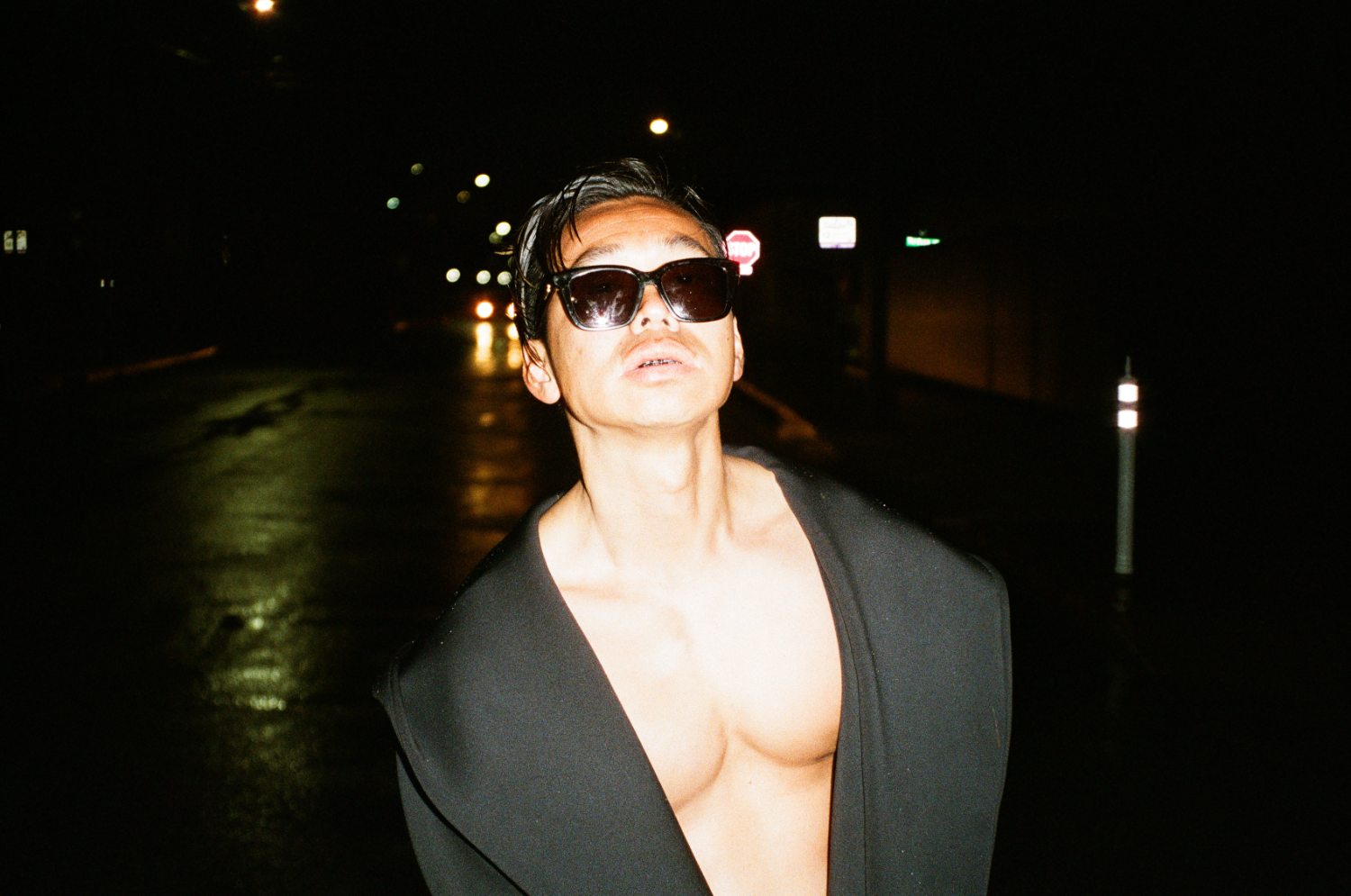

On a morning this month, ZHU picks up the call from his home in Topanga, the same property that nearly burned to the ground less than 14 months earlier. His voice is measured, the same one that’s guided thousands across dance floors for more than a decade. But 2026 ZHU is a ZHU galvanized by resilience — a man who lost his studio, packed a Sprinter van, and turned survival into 14 tracks of pure movement.
His new album, BLACK MIDAS, arrives April 24. Its opening seconds drop listeners straight into a dimly lit room where a voice asks a question: “What color do you see in my future?” The answer comes in Turkish from a fortune teller, recorded during a kahve falı, or coffee reading, in Istanbul last December: “All black.”
The exchange sets the tone for a project soaked in shadowy club atmospheres and late-night grooves. It also reflects where ZHU finds himself in 2026: an artist reconnecting with the dance floor after a turbulent year and a decade-long career that has taken him from mysterious newcomer to global electronic headliner. “2025 was survival mode,” ZHU tells LA Weekly. “This album represents surviving.”
Since breaking through with the smoky deep-house anthem “Faded” in 2014, a track that became a global club hit and earned him a Grammy nomination for Best Dance Recording, ZHU has built a catalog defined by cinematic electronic music and personal mystique. His earliest releases arrived anonymously, inviting listeners to focus on the music rather than the person behind it. More than a decade later, ZHU’s music has grown into a sprawling creative universe of albums, immersive live shows, and conceptual visuals. BLACK MIDAS marks the next chapter, and, in many ways, a reset.
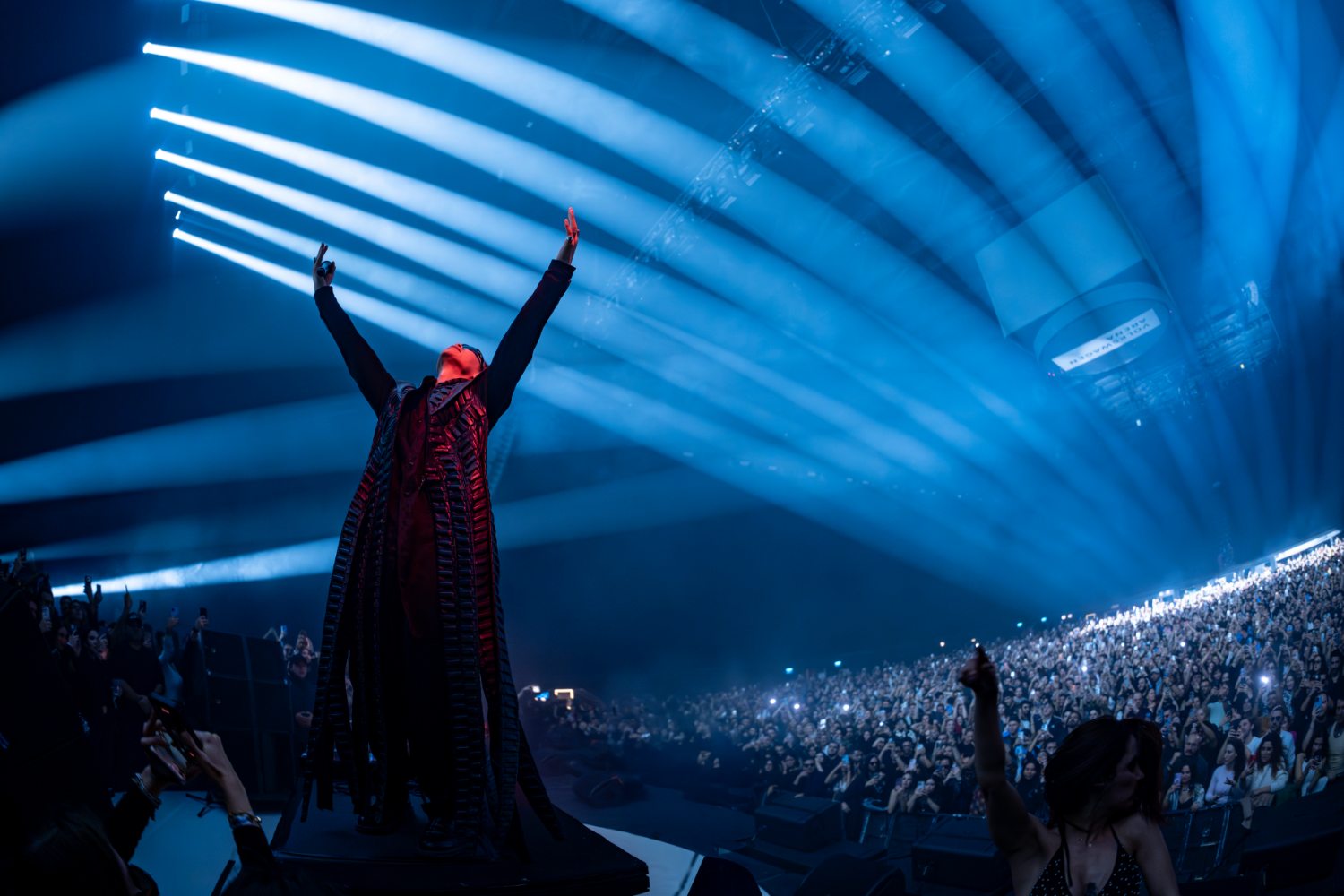
For years, ZHU’s concerts have leaned toward spectacle: large festival stages, elaborate lighting rigs, and full live bands. Those shows helped propel him into the upper ranks of electronic music touring. But in recent years, he began craving something simpler.
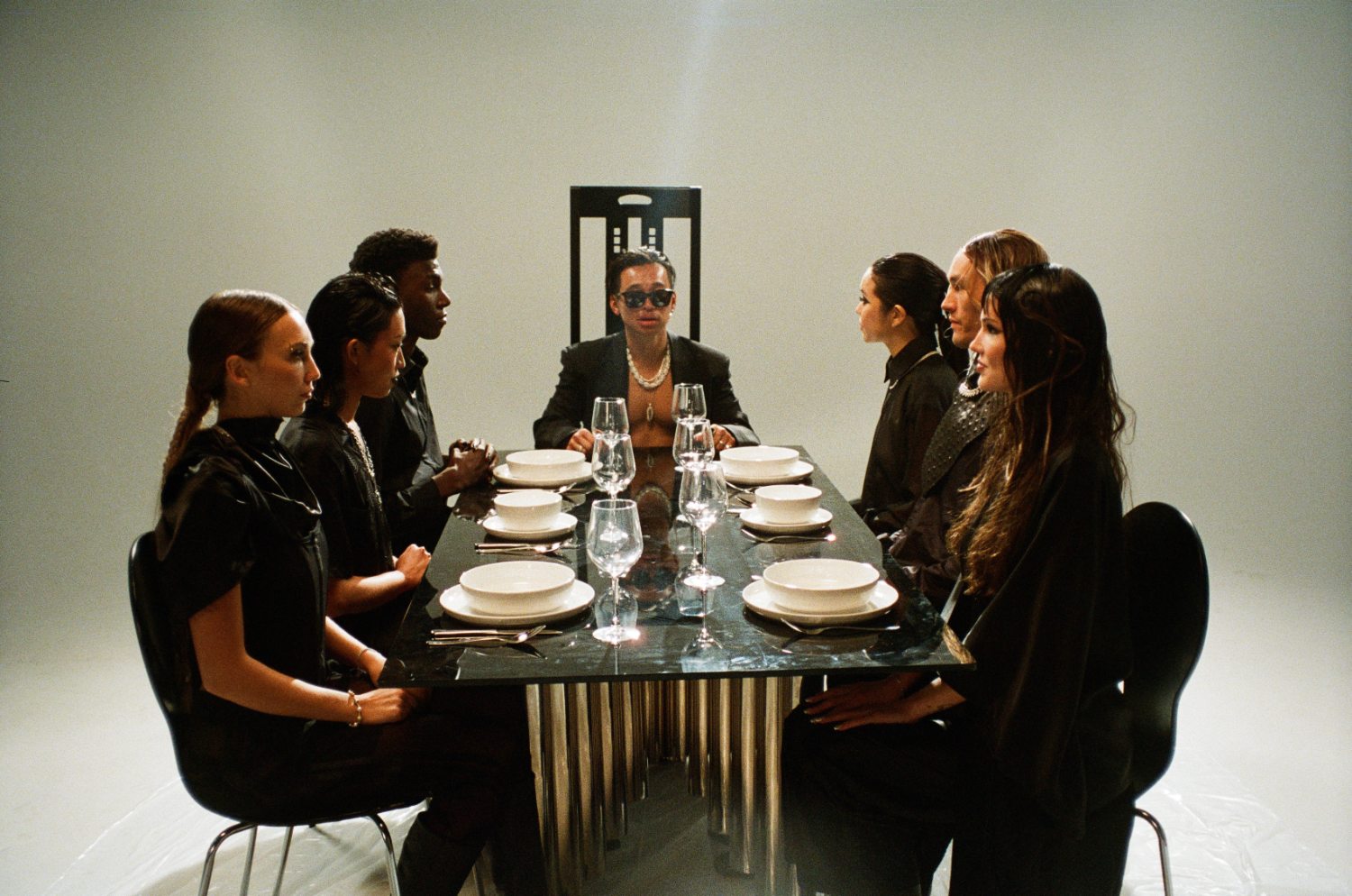
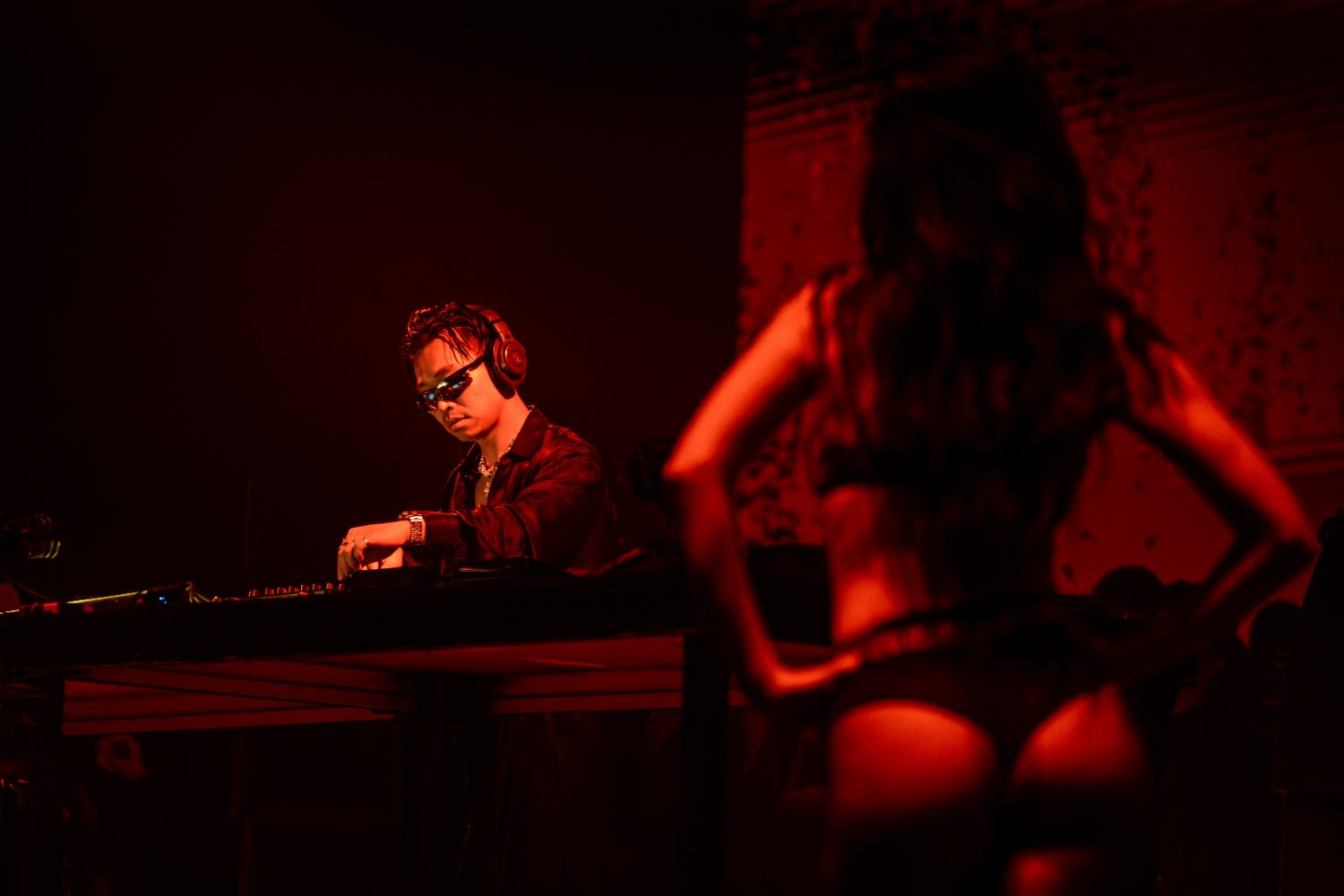
That impulse led to the revival of his BLACKLIZT parties, a series of minimal DJ sets held in underground venues and warehouses around the world. “The first BLACKLIZT was in New York in this bank called Capitale back in ‘17,” he recalls. “It was me wanting to strip away everything — production, lights — and just go back to music only.” At BLACKLIZT, fans arrive dressed entirely in black, a ritual that turns the crowd itself into part of the aesthetic: no giant LED screens, no elaborate stage.

ZHU (Arda Aytan)
“BLACKLIZT is all about the DJ ZHU,” he says. “It’s about the essence of the energy on the dance floor.” The experience also reconnects him with the community that shaped his earliest musical instincts. When ZHU was still a student at USC, he was absorbing electronic music culture from the crowd, watching major producers transform laptop production into arena-scale performance.
“One of the most influential moments for me in terms of music was seeing Justice at Hard,” he says, and adds, “seeing Deadmau5 at Coachella in Sahara — that was the first time it clicked in my brain that a person who can make music on a computer can now have a way to perform it and reach mass amounts of people. That was game-changing at that time, because prior to that, you had to sing, you had to be in a band or you had to rap.”
Those revelations helped shape a career that would soon explode. ZHU’s 2014 debut EP The Nightday introduced his blend of deep house grooves and breathy vocals, led by “Faded,” which climbed charts worldwide and became one of the defining dance tracks of the decade.
More than ten years later, he says the heartbeat of that music remains the same. “Since the beginning, the pulse was about electronic music,” he says. “It was about the dance floor.”
With BLACK MIDAS, his touch turns everything to motion.
The road to BLACK MIDAS was anything but conventional. In January 2025, the devastating LA wildfires swept through the hills near ZHU’s home in the canyon. The house survived, but smoke damage rendered the home unusable for nearly a year. “The studio — everything — was basically a barbecue,” he says. “The structure was there, but they had to open up the walls and redo a lot of things.”
Instead of waiting for repairs, ZHU packed a mobile recording setup into that Sprinter van and hit the road with members of his team. The result was a creative process that unfolded across deserts, highways, and impromptu parties. “Driving is therapy for me,” he says. “I wanted to make these records while moving.”
The journey took him through New Mexico, where one session took place inside an abandoned missile silo. The trip was met with some extreme conditions: 90-mile-per-hour windstorms, sudden blizzards, then endless stretches of desert landscape, but the unpredictability fueled the music. “It was raw,” he says. “Very DIY. I’ve never made a record like that before.”
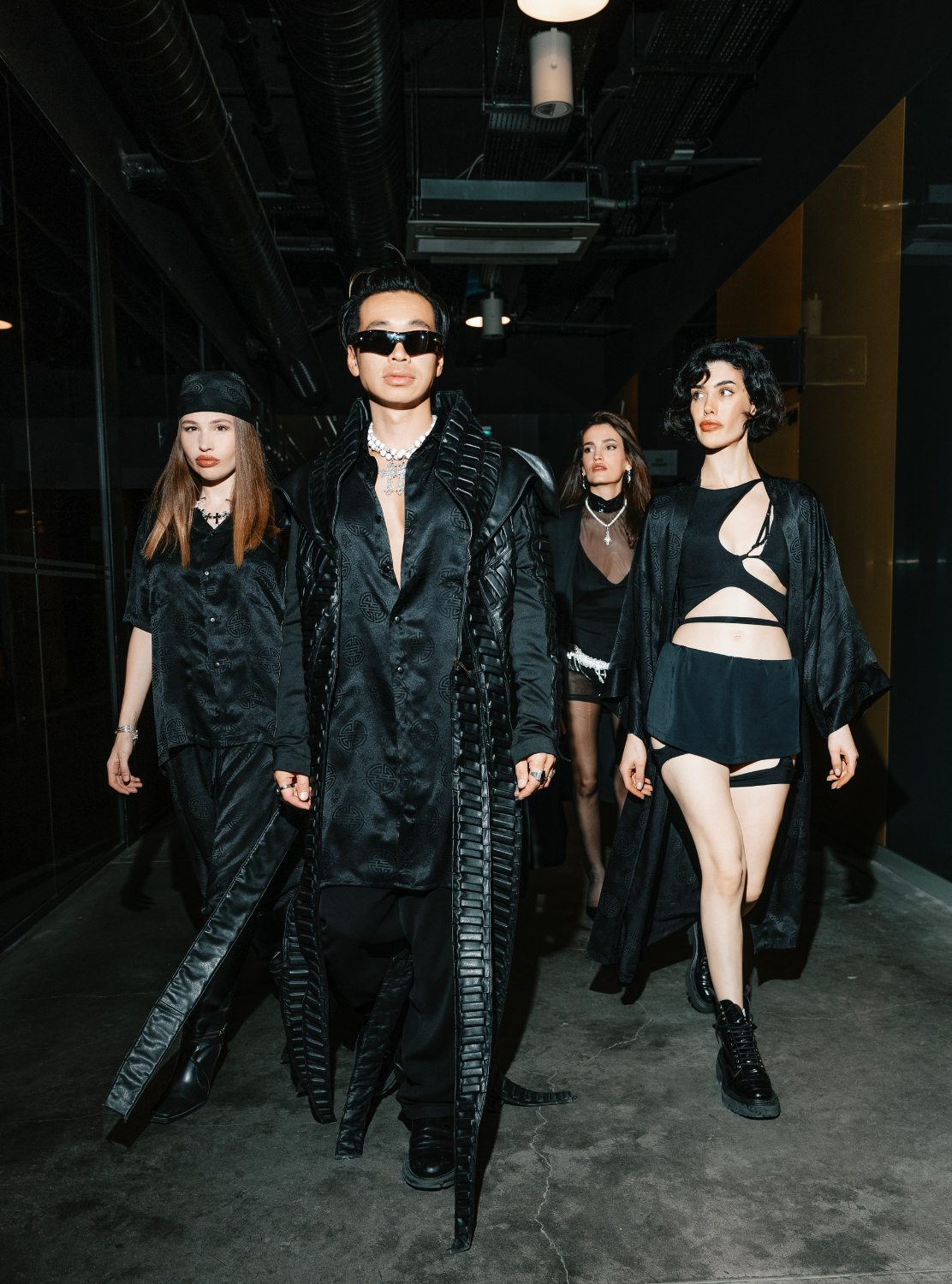
ZHU (Angelica Ageeva)
Those travels led to spontaneous moments of inspiration. When Bonnaroo was canceled one weekend, ZHU and his crew drove to Nashville and threw pop-up BLACKLIZT parties instead. The sense of motion is foundational to the album’s concept. “This record is for anyone who needs 52 minutes to tune out,” he says. “You tune into my world and realize the way to keep going is to keep moving.”
If ZHU’s last album, Grace, leaned into introspective and cinematic textures, BLACK MIDAS shifts toward a more physical experience. “This one is about dancing,” he says. “Dancing tracks are about the groove. It’s about simplicity. You open the low end and let people move.”
The album draws heavily from the rhythms he encountered while traveling. Percussion and bumping basslines anchor many of the tracks, creating a sound designed for dark rooms and crowded dance floors. “I put a lot of tribal drums on this album because going around all these different dance scenes, it feels like tribes of people,” he says. “Different places — Europe, Eastern Europe, the Middle East — it’s all different tribes.” Drums become the common language.
“Melody is melody, but if the drums are slapping, people know what to do.”
ZHU also sees the album as a kind of invitation. “I feel like these days people almost need permission to move,” he says. “I’m giving permission to everybody who comes to a ZHU show: you can move. That’s why you’re there.”
The collaborative cast of BLACK MIDAS reflects the spontaneous spirit of its creation. Singer Joyia appears on the track “BURN,” bringing a sultry R&B hook to the record’s shadowy production. Another contributor is Zonly, a multidisciplinary artist. “He’s a painter and a musician,” ZHU says. “At some of the BLACKLIZT parties, he’s walking around with bowls of paint and people put paint on themselves — it becomes this kind of unifying thing.” ZHU plans to bring that energy to Miami Music Week where Zonly will paint live during the performance.
These weren’t collabs made through traditional industry matchmaking. Many simply crossed paths with ZHU during his travels. “Everybody on the album was there because they were in the right place at the right time,” he says.
ZHU describes BLACK MIDAS as only the first chapter in a much larger story. He envisions the project unfolding as a trilogy over the next year and a half. “This is the beginning of the Midas story,” he says. The arc starts with the stripped-down, dance-floor-driven energy of BLACK MIDAS. Later installments will expand the musical palette and spotlight emerging collaborators. The final chapter will bring everything together on a grand scale. “By the end of the trilogy, we bring back the band and take it to arenas and amphitheaters.”
“This first part is primal,” he explains. “It’s survival mode — just moving. Then it evolves into something bigger.”
As he returns to the underground, ZHU’s artistic ambitions keep pushing far beyond the DJ booth. He scored the upcoming film He Bled Neon, collaborating with composer Joseph Trapanese, known for work on films like Tron: Legacy and Straight Outta Compton. The project marked ZHU’s first time composing directly for a film narrative, but it fits. “When I make music, I see scenes in my head,” he says. “Visuals are a huge part of my art.”
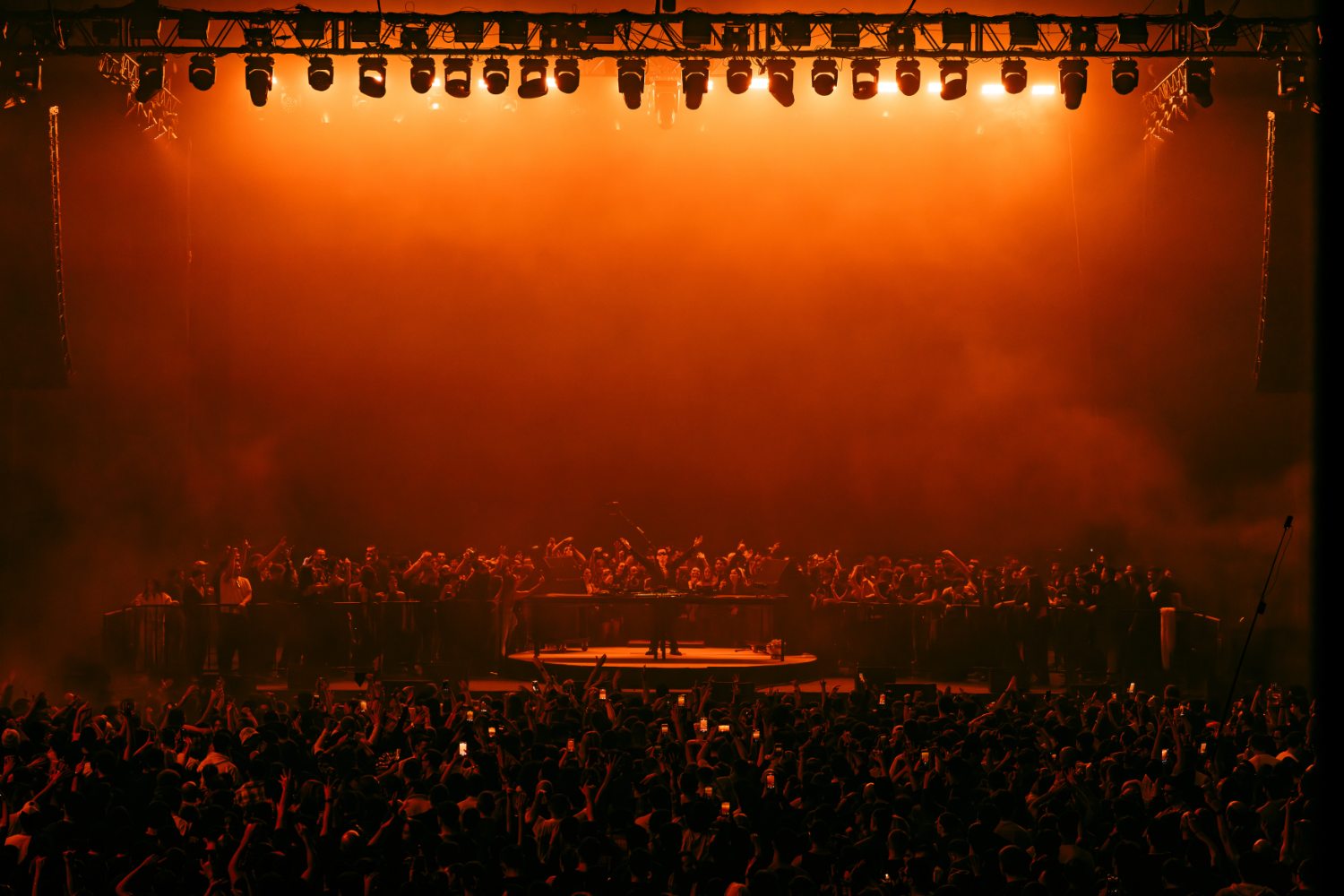
ZHU (Arda Aytan)
The connection between music and imagery has long been central to his work. Grace, recorded inside San Francisco’s Grace Cathedral, was accompanied by a film that remains unreleased due to label changes. ZHU says fans may finally see that footage later this year.
And he’s preparing an immersive visual experience tied to BLACK MIDAS, designed as a continuous film accompanying the music. “It’s more like an experimental listening experience,” he says.
Looking back, ZHU’s rise remains one of the more unusual stories in electronic music. Born in China and raised in the Bay Area, the multi-instrumentalist and singer grew up playing jazz and orchestra before heading down to LA, where he graduated from USC’s Thornton School of Music in 2011.
He emerged in 2014 with little public information attached to his name. Early releases circulated online with no photos or interviews. The anonymity fueled curiosity as “Faded” quietly spread through clubs and radio stations before becoming a worldwide hit. The track’s success launched ZHU into a touring career that quickly scaled to massive venues.
Over time, fans learned his identity and discovered the artist behind the silhouette. ZHU’s music expanded into conceptual albums and theatrical performances, often incorporating live instruments and elaborate staging. Yet through all those evolutions, the core impulse remained unchanged. “It all came from dance culture,” he says.
ZHU’s rise also resonated with fans who saw themselves reflected in a scene where Asian-American artists were often underrepresented. “Since I’ve come out from anonymity, I’ve definitely seen more Asians come through the shows,” he says.
“For me, this is what I can do. I can do it through action. It makes me feel great that people can see something connect,” he says about the representation, which isn’t necessarily the overt mission of his work. “I’m just writing and making stuff from a place of experience and storytelling from my life and what I see around me. But it does make me happy.”

ZHU (Arda Aytan)
His parents, understandably, had their doubts about his choice to make electronic music his career. “In the beginning, they were very skeptical, highly skeptical,” he says. “It wasn’t until I took my parents to shows and they really saw the people that they understood.” A major turning point came when ZHU’s father called him from Europe one day, saying ‘Faded’ was playing in stores there — that’s when it started to feel real.
Now he says they’re “overly involved,” asking a lot of questions, proud even if the music doesn’t fully clock. “I don’t know if they really understand the music, but they do understand I love it and they do understand that other people love it.”
As 2026 unfolds, ZHU’s calendar is already filling up. The release of BLACK MIDAS will be followed by festival appearances, along with a series of immersive listening events. Later this year he plans to resume BLACKLIZT parties and continue building the trilogy’s narrative arc.
“Coming out of the fire, it feels like a reset,” he says. In a year that forced him into survival mode, he chose to keep moving.
Now he’s inviting everyone else to do the same — a deliberate return to the pulse that started everything: a dark room, a heavy groove, and the sound of the dance floor rumbling again.
‘BLACK MIDAS’ will be released on April 24. Follow ZHU on Instagram @ZHU.
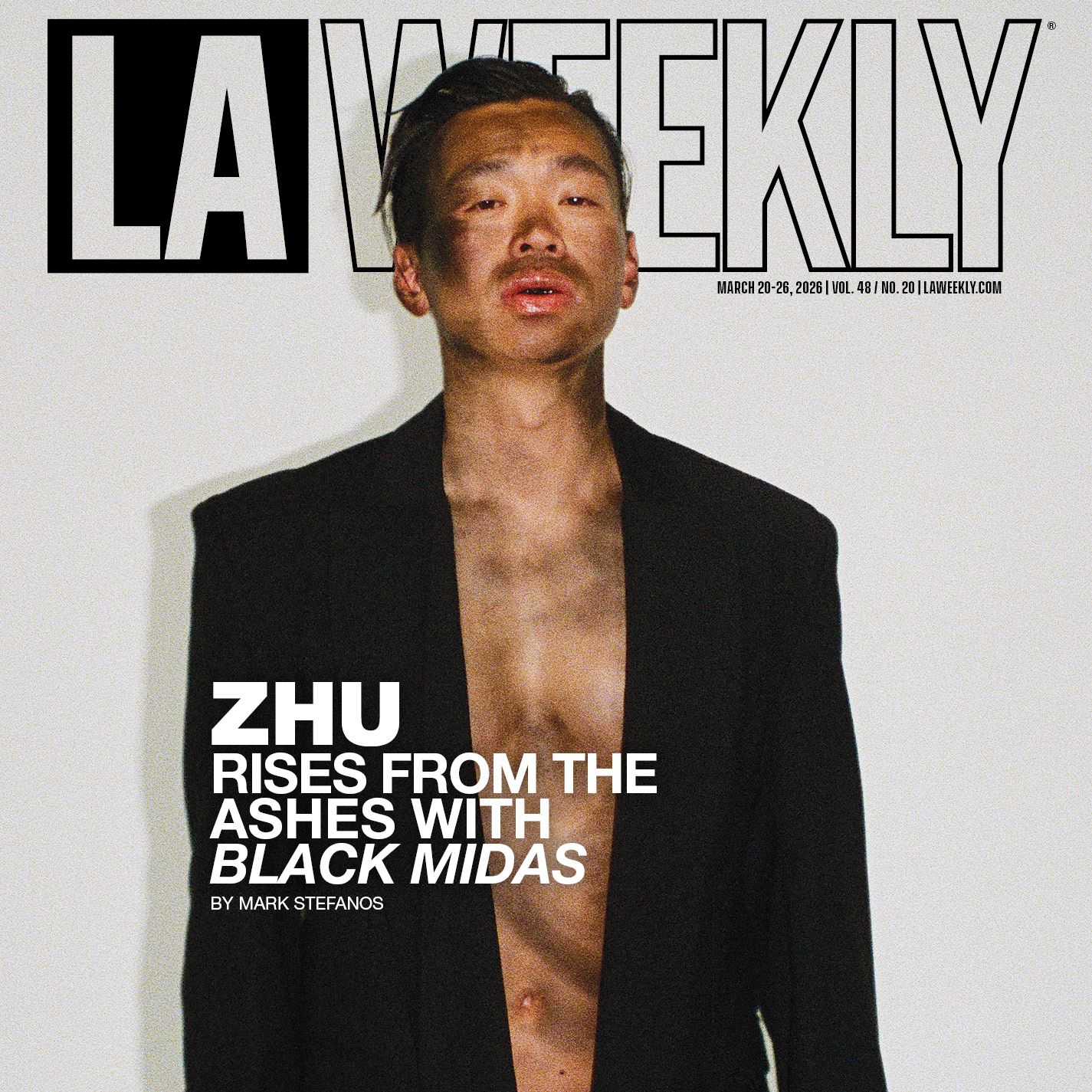
ZHU on the March 20, 2026, cover of LA Weekly (Photo: Jaxon Whittington; cover design: Mark Stefanos)