
 Jon Stojan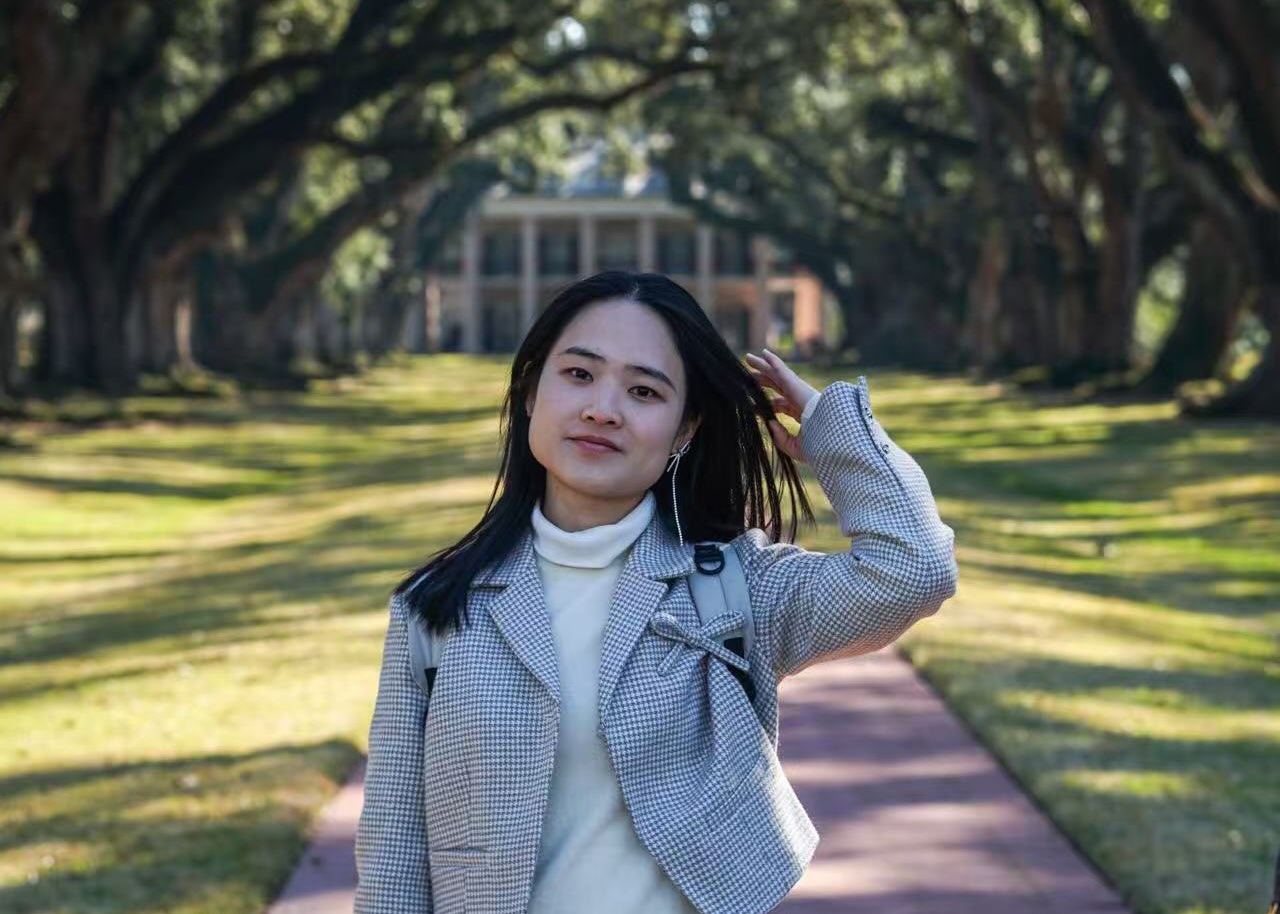
Image credit: Xueni Hu/ Yihui Wang
As cities continue to evolve, the challenge of balancing urbanization with ecological and cultural preservation has become increasingly relevant. Landscape and urban designer Yihui Wang integrates historical preservation, ecological sustainability, and modern urban design to create public spaces that are dynamic, resilient, and meaningful.
With an academic background spanning China and the United States, Wang brings a broad perspective to urban landscapes. She earned her Bachelor’s degree in Landscape Architecture from South China University of Technology in 2018, where her collaborative project Heritage & Horizon: Urban Design for Hancheng Ancient City won the Silver Award in the Protection and Restoration category at the 16th Asia Design Award. This recognition highlighted her ability to merge historic preservation with contemporary urban needs, setting the foundation for her future work.
Pursuing further studies, Wang obtained her Master’s degree in Landscape Architecture and Regional Planning from the University of Pennsylvania in 2022. Her focus on climate resilience, urban ecology, and sustainable strategies strengthened her commitment to integrating ecological principles into urban environments. Her studio projects addressed pressing environmental issues, including coastal resilience in response to Hurricane Sandy and habitat conservation for monarch butterfly migration corridors. These experiences shaped her design approach, emphasizing the coexistence of natural systems and urban development through strategic, science-based interventions.
Since joining the internationally renowned firm Field Operations in 2022, Wang has actively explored innovative approaches to urban public space design, focusing on enhancing environmental resilience, fostering inclusivity, and improving spatial interactions. She has contributed to projects such as The Underline Phase 3 in Miami(2024 ASLA-NY Merit Award), a linear park transforming underutilized transit corridors into vibrant green spaces; Future of Fifth in New York, a reimagining of Fifth Avenue from Bryant Park to Central Park to prioritize pedestrians, greenery, and urban vibrancy; and The Bentway Islands in Toronto, a project transforming underutilized traffic islands into dynamic public spaces that enhance connectivity and ecological resilience. In these projects, she has applied her expertise in ecological infrastructure, adaptive landscapes, and multi-functional urban spaces.
In addition to her design work, Wang advocates for visual storytelling as a tool for effective communication. She employs before-and-after visualization techniques to illustrate design intent and spatial evolution, helping to enhance public engagement and inform decision-making. Her approach prioritizes multi-functional urban spaces that integrate ecological processes with social and recreational uses, ensuring adaptability and long-term sustainability.
At the core of her work is a commitment to placemaking—creating spaces that are both functional and culturally significant. She believes landscape architecture is not just about shaping physical environments but also about fostering deeper connections between people and places while maintaining historical and ecological integrity.
Her design philosophy is guided by key questions:
- How can urban landscapes strengthen connections between people and places in dense cities?
- How can historical and cultural narratives be preserved while addressing contemporary urban needs?
- How can ecological principles be effectively applied to public spaces to enhance urban resilience?
These considerations inform her research and professional practice, driving her contributions to urban public realm design.
As cities face growing environmental and spatial challenges, Wang envisions a future where nature-based solutions, green infrastructure, and cultural heritage play an integral role in shaping urban spaces. Her experience—ranging from historic preservation projects in China to urban revitalization initiatives in North America—reflects her ability to integrate diverse design approaches into cohesive, context-sensitive solutions. Through her work, she continues to contribute to the evolution of urban landscapes, ensuring they remain adaptable, sustainable, and reflective of their cultural and environmental contexts.