
 Will Jones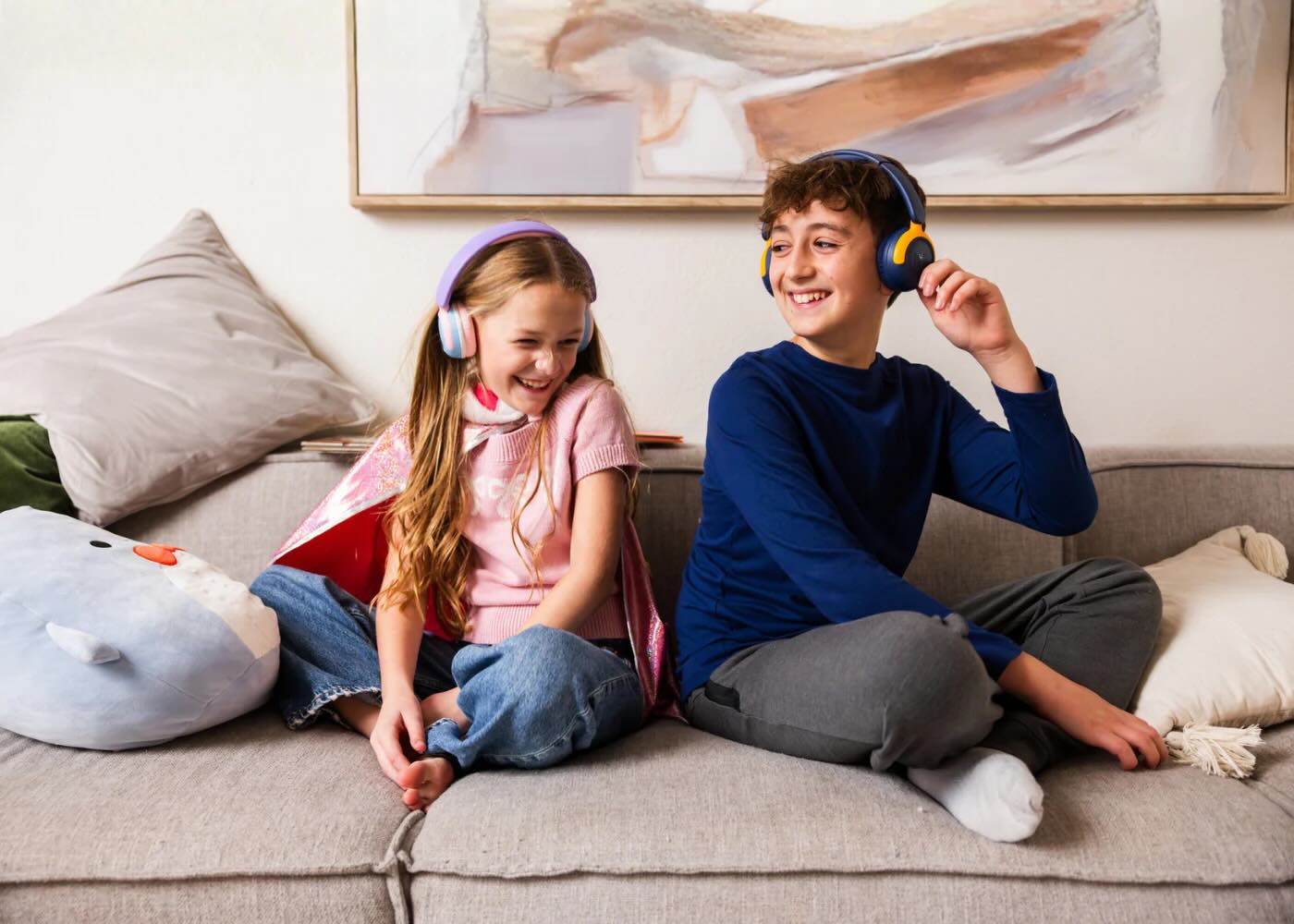
Photo: myFirst CareBuds Max
Sliding on a pair of headphones often feels like stepping into a different world, one defined by music, stories, and private soundscapes. For adults, that kind of immersion can be a welcome escape. For children, full isolation from their surroundings tells a different story, especially when they are crossing streets, enjoying their afternoon playtime, or simply making their way to school.
That challenge is exactly what Smart Transparency Mode in the myFirst CareBuds Max is designed to address. Developed by kids technology company myFirst, the headphones allow children to enjoy their favorite music, videos, or audiobooks while still staying aware of the world around them—reflecting the company’s belief that kids technology should do more than entertain, but also support safety, comfort, and growing independence.
What “Smart Transparency” Actually Means For Children
Transparency might sound like a technical term, but the idea is straightforward. Traditional headphones act like a wall, blocking outside sound so the listener hears only what comes from the speakers. Smart Transparency turns that wall into more of a window. Microphones in the headphones pick up environmental sounds, and processing blends them with the music or audio a child is already hearing.
The “smart” part of Smart Transparency comes from its ability to respond to context. Rather than being a simple on–off switch, the feature is designed to adjust based on the child’s activity, whether walking through a terminal, crossing a street, or navigating a busy hallway. It keeps environment sounds audible without forcing the child to constantly pause or remove the headphones. The goal is to let moving on the go and awareness coexist.
When they are sitting still in a safe, quieter space, their listening experience can feel more focused. That subtle adaptation helps kids headphones feel less like a gear to manage and more like something that naturally fits into daily life.
myFirst’s founder, G-Jay Yong, mentions, “We wanted myFirst CareBuds Max to support that movement without encouraging them to shut everything out. Smart Transparency, in this view, is not a gimmick. It is a way to make audio feel safe and practical in everyday settings where kids still need to respond quickly.”
Everyday Situations Where Awareness Matters
A feature like Smart Transparency comes into focus when looking at the small moments that fill a child’s day.
Walking to school or navigating traffic
For instance, crossing streets and navigating traffic are other scenarios where full isolation simply does not make sense. Children who walk or scooter to school like to listen to playlists, language lessons, or podcasts along the way.
Completely sealed headphones, however, can hide the sounds of cars, bicycles, or other pedestrians. Smart Transparency makes it more realistic for kids to enjoy their audio while still catching the honk of a horn or the rush of a vehicle nearby.
Public transport and school pickups
Public transport and school pickups also bring their own challenges. On crowded buses or trains, headphones for kidscreate a personal bubble, but children still need to hear stop announcements or a caregiver’s voice above the noise. At school, students may use audio for learning, relaxation, or fun while they wait to be picked up. Total isolation in those settings can leave them out of sync with what teachers or staff are saying.
At home during everyday routines
Even at home, awareness can matter more than adults expect. Children who use headphones for online classes, gaming sessions, or creative projects often move between rooms, step out onto balconies, or wander between the living room and the kitchen. Being able to hear a timer, a doorbell, a sibling calling, or a parent asking a question keeps those routines flowing with less friction.
These situations highlight the functionality of myFirst CareBuds Max, especially for children with different routines and activities.
Inside a Good Headphones For Kids
The myFirst CareBuds Max is not positioned simply as headphones with one standout feature. It is presented as a set of layered decisions aimed at making headphones better suited to how children actually use them. It begins with a simple premise: kids headphones should be designed for children first, not scaled down from adult models.
The on-ear design is light and compact, with an adjustable headband that can fit a range of ages comfortably. Soft, interchangeable ear pads support different seasons and preference: breathable cool fabric sponge pads help keep ears cool in warmer months, while fluffy muffs offer a softer, warmer feel in colder weather. That seasonal flexibility speaks directly to the claim that these headphones are built for both winter and summer use.
Comfort and durability sit at the center of the physical design. The lightweight frame is made to sit securely without squeezing, so children can wear the headphones on long journeys, during homework sessions, or on the way to practice without constantly adjusting them.
The foldable form factor helps the headphones slip easily into backpacks, school bags, or carry-on luggage, making it a daily essential for kids.
Smart Transparency does not stand alone. It works alongside a wider “stack” of safeguards and features designed to make headphones for kids safer and more adaptable. Smart volume limiting keeps sound within a range of about 85 to 94 decibels, giving enough headroom for clear audio while respecting widely discussed thresholds for children’s hearing. That range allows headphones to maintain both protection and sound quality, whether a child is listening quietly at home or trying to catch every word of a movie on a noisy train.
Connectivity and sharing also play a role in how children use audio today. Wireless audio sharing on the myFirst CareBuds Max lets two kids connect to and listen to a single device simultaneously. Siblings on the same tablet or friends waiting together after school can share a show or playlist without raising the volume on speakers.
For myFirst, the idea is that once the myFirst CareBuds Max has been connected, it will quietly support everyday routines in the background, allowing kids to enjoy their own little worlds while staying safe and alert.
The Future of Headphones For Kids Is Here
The story behind myFirst’s CareBuds Max is about more than just a new product. It reflects a broader shift in how kids headphones and other children’s devices are designed. For many years, the default approach was to take adult technology, shrink it, and wrap it in brighter colors. myFirst’s Smart Transparency mode on-ear headphones mark a different starting point.
Instead of asking children to adapt to adult-style isolation or volume control, the design begins with their needs: staying aware in busy environments, protecting developing hearing, and feeling comfortable and confident no matter the weather.
myFirst invites parents to see these myFirst CareBuds Max not just as another gadget but as part of a wider move toward child-centered tech—devices that respect how children live, play, move, and grow.
Yong adds, “Parents tell us they want to give kids some independence with their devices, but not at the cost of safety. Smart Transparency lets kids enjoy that sense of ‘their own world’ without losing touch with the people and signals around them.” That balance is at the heart of the company’s approach to kids headphones.