
 Will Jones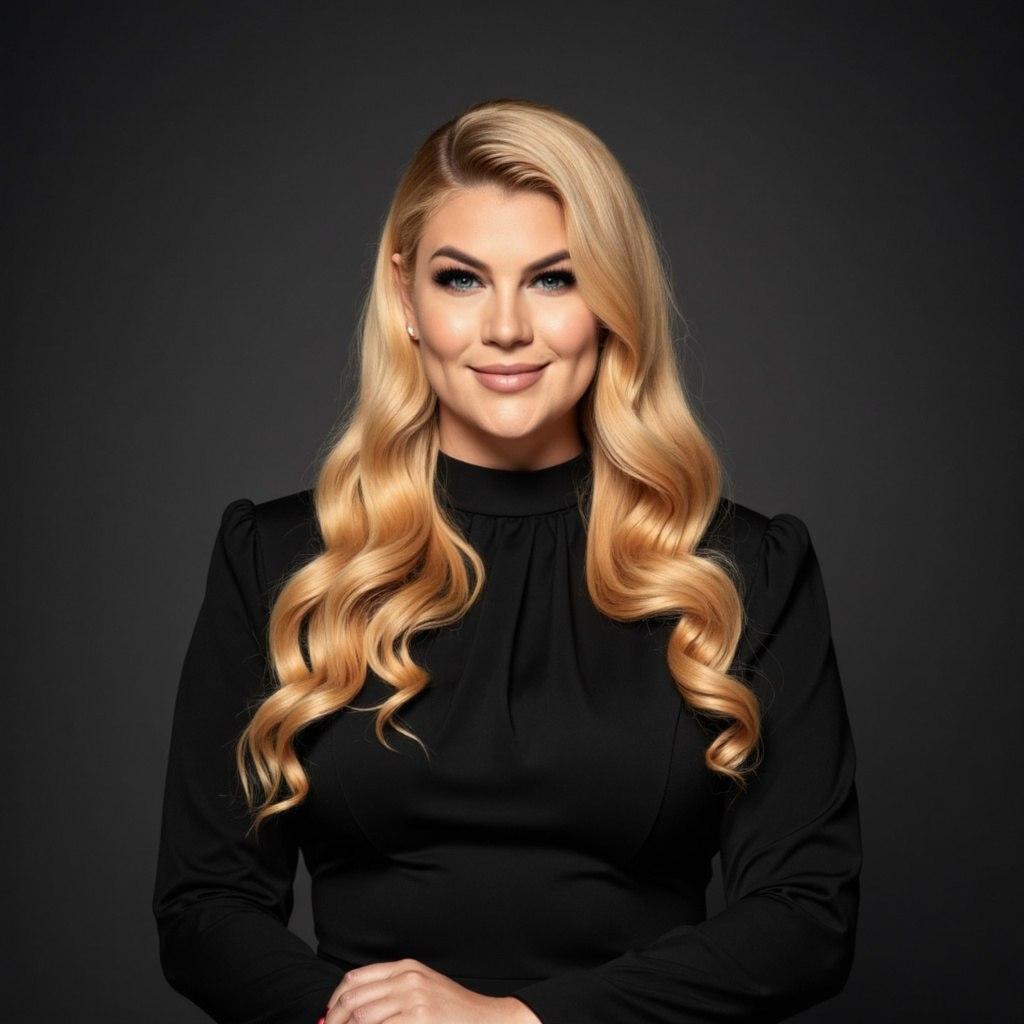
Photo Courtesy of Dr. Stoyana Natseva
In a world moving faster than most people can emotionally process, leadership is being redefined. The leaders of tomorrow will not be judged only by how much they know, how quickly they scale, or how confidently they speak. They will be measured by something far deeper: their ability to understand themselves, connect with others, stay resilient under pressure, and lead with consciousness in a world shaped by constant change.
This is where emotional intelligence is becoming one of the most important leadership skills of the future.
For Dr. Stoyana Natseva, Founder of Happy Life Academy® in Sofia, Bulgaria, leadership has never been about authority, titles, or external achievement alone. Her work is rooted in the belief that true leadership begins from within. Before people can guide companies, communities, students, or teams, they must first understand their own identity, emotional patterns, inner limitations, and capacity for transformation.
It is a philosophy that feels especially relevant today. Across industries, leaders are being asked to navigate uncertainty, technological disruption, cultural change, burnout, and a workforce that increasingly values purpose, empathy, and psychological safety. The old leadership model, built largely on control, hierarchy, and performance alone, is no longer enough.
The next era of leadership will require emotional maturity.
Emotional intelligence is often misunderstood as a soft skill. In reality, it is a strategic one. It allows leaders to recognize emotions without being controlled by them, communicate with clarity, manage conflict with maturity, and create trust in environments where people are often overwhelmed or disconnected. A leader with emotional intelligence does not simply react to pressure. They learn to respond with awareness.
This is the foundation of Dr. Natseva’s work. Through Happy Life Academy®, she has built an international ecosystem focused on coaching, conscious leadership, emotional intelligence, personal development, and transformational education. Her programs are designed not only to help people achieve more, but to help them become more aware of who they are and how they lead.
That distinction matters. In today’s culture, personal growth is often reduced to motivation, visibility, and performance. But real transformation is more complex. It requires an identity change. It asks people to examine the beliefs, emotional responses, fears, and stories that shape their decisions. It asks them to move from automatic living to conscious choice.
For leaders, this work becomes even more important. A leader’s inner world inevitably shapes the outer culture they create. A reactive leader often creates fear. A leader who lacks self-awareness often creates confusion. A leader who cannot manage stress may unintentionally pass it on to an entire organization. By contrast, a leader who has done deep inner work can create stability, trust, and emotional clarity for others.
This is why emotional intelligence is no longer optional. It is becoming essential.
The rise of artificial intelligence has only made this more urgent. AI can automate tasks, process information, generate insights, and improve efficiency. But it cannot replace the human capacity for empathy, moral judgment, emotional presence, meaning, and trust. As technology becomes more powerful, the human side of leadership becomes more valuable.
The future will not belong to leaders who try to compete with machines. It will belong to leaders who understand what machines cannot do.
They will need to inspire people through uncertainty. They will need to build cultures where human beings feel seen, supported, and challenged in meaningful ways. They will need to balance intelligence with compassion, ambition with self-awareness, and innovation with emotional responsibility.
Dr. Natseva’s work also speaks to the growing global conversation around women in leadership. Around the world, women leaders are reshaping what influence looks like. They are bringing emotional intelligence, relational awareness, resilience, and purpose-driven decision-making into spaces once dominated by rigid ideas of power. This is not about replacing strength with softness. It is about redefining strength itself.
True strength is not emotional distance. It is emotional mastery.
It is the ability to remain grounded during uncertainty, to lead without losing empathy, and to build success without disconnecting from one’s values. This form of leadership is no less powerful. It is more sustainable.
Through her academy, books, training programs, and international work, Dr. Natseva has positioned personal transformation as a serious educational and leadership discipline. Happy Life Academy® has reached more than 100,000 students, certified thousands of coaching specialists, and built a presence across international markets. Her work has connected with entrepreneurs, coaches, educators, executives, and individuals seeking more than surface-level success.
Her impact has also been recognized through major public milestones. Happy Life Academy® and Dr. Natseva have received recognition from the World Book of Records for coaching, transformational education, and large-scale human development. In December 2025, she also achieved a Guinness World Records title for the longest gratitude and manifestation event, leading a 25-hour live experience in Sofia, Bulgaria. The event brought together gratitude practices, manifestation-focused education, and personal development in a continuous format.
Yet these recognitions are not the center of her story. They are proof of scale. The deeper story is the growing international demand for transformation that is structured, emotionally intelligent, and human-centered.
This is what makes Dr. Natseva’s work timely. She is part of a larger shift in how people understand leadership, education, and personal growth. The future of education will not be about information alone. It will be about transformation. The future of coaching will not be about goals alone. It will be about identity. The future of leadership will not be about success alone. It will be about consciousness.
In a time when people are repeatedly asked to reinvent themselves, resilience becomes a life skill. Emotional intelligence becomes a leadership language. Consciousness becomes a competitive advantage.
The leaders who will define the future may not be the ones who simply move the fastest. They may be the ones who can pause, reflect, understand, and respond with clarity.
Dr. Stoyana Natseva’s work is a reminder that the next generation of leadership will not be built only through strategy, technology, or ambition. It will be built through emotional intelligence, inner transformation, and the courage to lead as a fully conscious human being.