
 Nia Bowers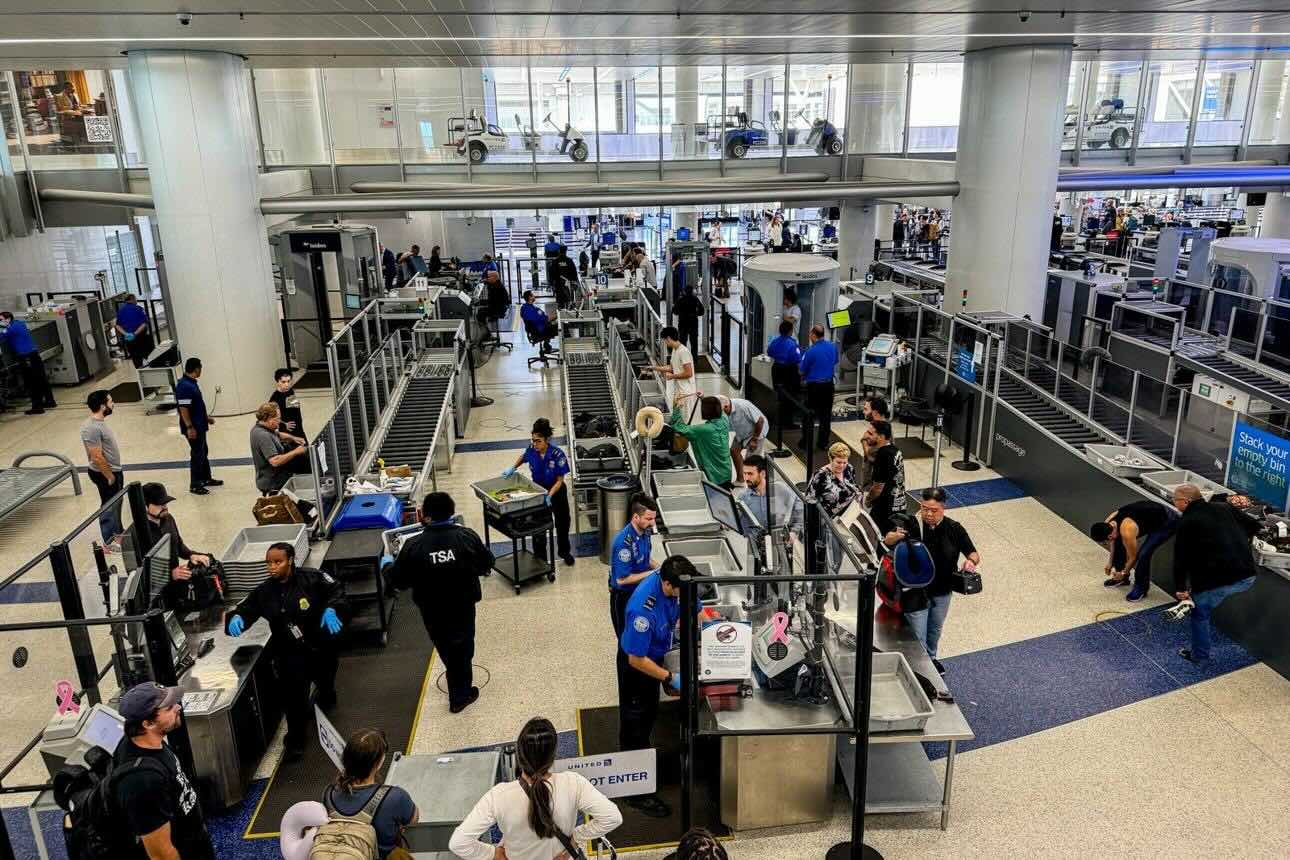
Every day, airports are filled with travelers where journeys begin in one airport and end at the destination airport. Airports are places where many elements of transportation and security intersect, and authorities have great responsibilities in the operations and safety of travelers and their nation. What many never see is that airports have quietly become one of the most critical pillars of national security.
For decades, governments primarily viewed airports as gateways for tourism, trade, and economic growth. Security focused on preventing hijackings, detecting prohibited items, and ensuring passengers board safely. While these responsibilities remain essential, the threats facing nations have evolved dramatically.
Today’s airport must defend against terrorism, transnational organized crime, human trafficking, narcotics smuggling, identity fraud, illicit financial networks, and increasingly sophisticated criminal organizations that operate across multiple continents.
An airport today is far more than a transportation hub. This transformation has fundamentally changed the role airports play in national security.
First Interaction on Soil
Every international traveler usually enters a country through official gateways where the traveler is verified, authenticated and assessed by authorities to ensure each traveler is at no risk to the destination country. This makes every airport a critical point of entry and exit, placing immigration officers as identifiers of potential threats. In 2025, it is reported that airports worldwide handled an estimated 9.8 billion passenger journeys (departing, arriving, and connecting passengers combined), and this is where the wanted criminal using a fraudulent identity, a human trafficking victim traveling against their will, a courier transporting narcotics, or an individual linked to extremist organizations occurs. Although authorities at airports are vigilant and apprehend criminals, in 21st century, finding these individuals cannot solely rely on instinct or random inspections. It requires technology and intelligence.
Information versus Intelligence
Until the late 1980’s, airports were implementing traditional security models which began when passengers arrived at the airport. Today, many governments are working to identify threats before an airplane lands or even before it departs. Using Advance Passenger Information (API) and Passenger Name Record (PNR) data allow authorities to analyze passenger information prior to arrival. Securiport, a US based civil aviation security and border controls solutions company, has developed a sophisticated modern API/PNR system which enables agencies to focus their attention on individuals who present genuine risk while allowing the overwhelming majority of legitimate travelers to move more efficiently. Authorities are proactive by deploying such systems as Securiport’s APIS Plus system which allows them to identify threats before they reach the border.
Are Airports truly a National Security Infrastructure
Most countries classify telecommunications, roads and electricity as critical infrastructure, but airports are increasingly belonging to the same category where disruption at a major international airport can have major consequences. The extent of impact ranges from tourism declines to business travel disruption and affects international confidence. Therefore, aviation security and border controls solutions are the first line of defense at airports and define the national resilience of countries. As stated by an executive at Securiport, “success will depend on the government’s ability to combine technology, trained personnel and risk-based decision-making into a seamless system that protects both national security and the traveler experience.” It is evident that every investment in smarter border management contributes to safer travel, greater economic stability, and increases public confidence.