
 Matt Emma
A new documentary follows a former CEO’s mission to make living tributes a normal part of daily life.
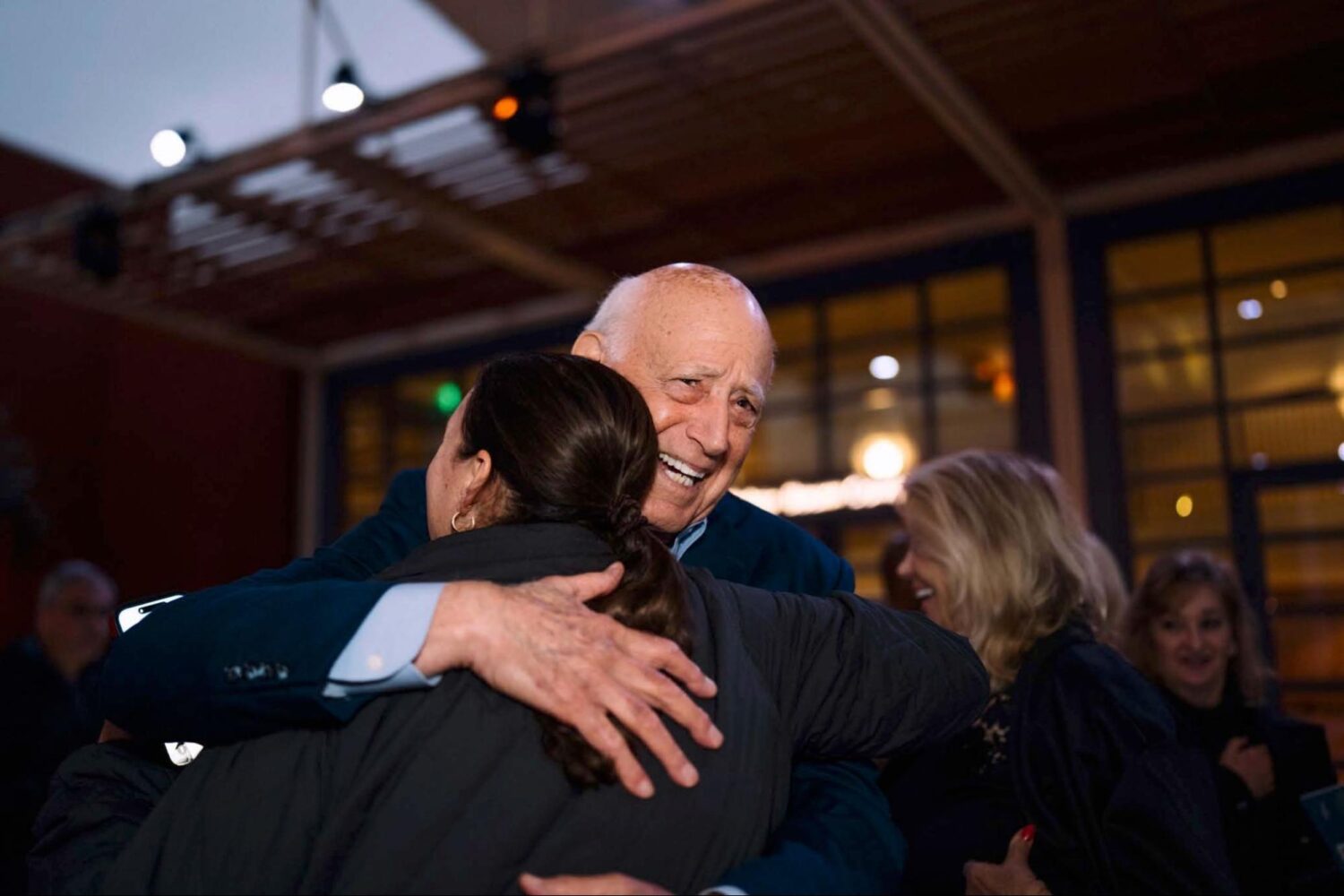
Photo courtesy of “Say It Now”
Most people have someone in their life they’re deeply grateful for. However, most of them wait until it’s too late to tell them how much they mean to them. One man is on a mission to change that pattern and live a more beautiful, present life.
A newly released documentary follows one man’s mission to change this pattern and live a more beautiful, present life.
The Man Behind “Say It Now”
Walter Green, founder of the “Say It Now” movement, has built a global campaign around changing “too early” or “later” behavior. The campaign’s approach differs from typical gratitude practices by emphasizing specificity. Rather than generic thank-yous, the movement asks people to pinpoint exact moments, actions, or words that made a difference.
“The more specific the expression of gratitude, the more impactful the gift,” Green explains. He points to the difference between telling a teacher “you were great” versus “when I failed that test and wanted to quit, you stayed after school every Tuesday for two months. That’s when I learned I was capable of more than I thought.”
The movement has gained traction in schools nationwide. Since launching in April 2022, “Say It Now” has reached 85,000 classrooms across 85 countries and inspired nearly 10 million expressions of gratitude. The movement provides free resources through its website for schools, companies, and individuals.
Teachers report being moved to tears by student tributes. Students say the exercise teaches them the power of their words to heal and connect with others. Organizations are beginning to incorporate living tributes into workplace culture. Families use the framework to address long-held, unexpressed feelings.
Following the campaign’s success, December 17th is now officially recognized as the “National Say It Now Day,” selected from 30,000 applications. The inaugural celebration in 2024 drew hundreds of students to La Jolla Country Day School in California.
Inside the #SayItNow Documentary
The “Say it Now” documentary chronicles Green’s journey from being the CEO of Harrison Conference Services to a gratitude advocate, a transformation sparked by two pivotal experiences.
The first was a year-long trip across the United States to visit 44 people who had had a significant impact on his life. That journey became the basis for his book “This is the Moment.”
The second pivotal experience came when a friend asked him to organize a celebration of life after his death. Green wanted to help, but he proposed an alternative approach. He convinced his friend to hold a living tribute for his next birthday, where loved ones gathered to express their appreciation while he could still hear it.
“The event was so enriching for everyone that it affirmed my commitment to make living tributes a normal part of our daily lives,” Green shares.
Following the documentary’s release, Green is also launching “The Gratitude Express” in 2026. The illustrated book tells the story of Daniel, a journalist struggling to write his grandfather’s eulogy, who learns that expressing gratitude while people are alive carries more meaning than honoring them after death.
Green’s documentary and the book come at a time when there’s a growing concerns about social disconnection in America. Despite constant digital connectivity, studies show increasing rates of loneliness and isolation, particularly among young people.
“When one gratitude journey ends, another begins,” Green reflects. The movement has created a ripple effect, with recipients of gratitude expressions often inspired to reach out to others who shaped their lives.
The Power of “Now”
Green’s “Say It Now” documentary and book argue that barriers to expressing gratitude are largely self-imposed. People worry about being too emotional or assume others already know how they feel. Many plan to express appreciation “someday” when the moment feels right.
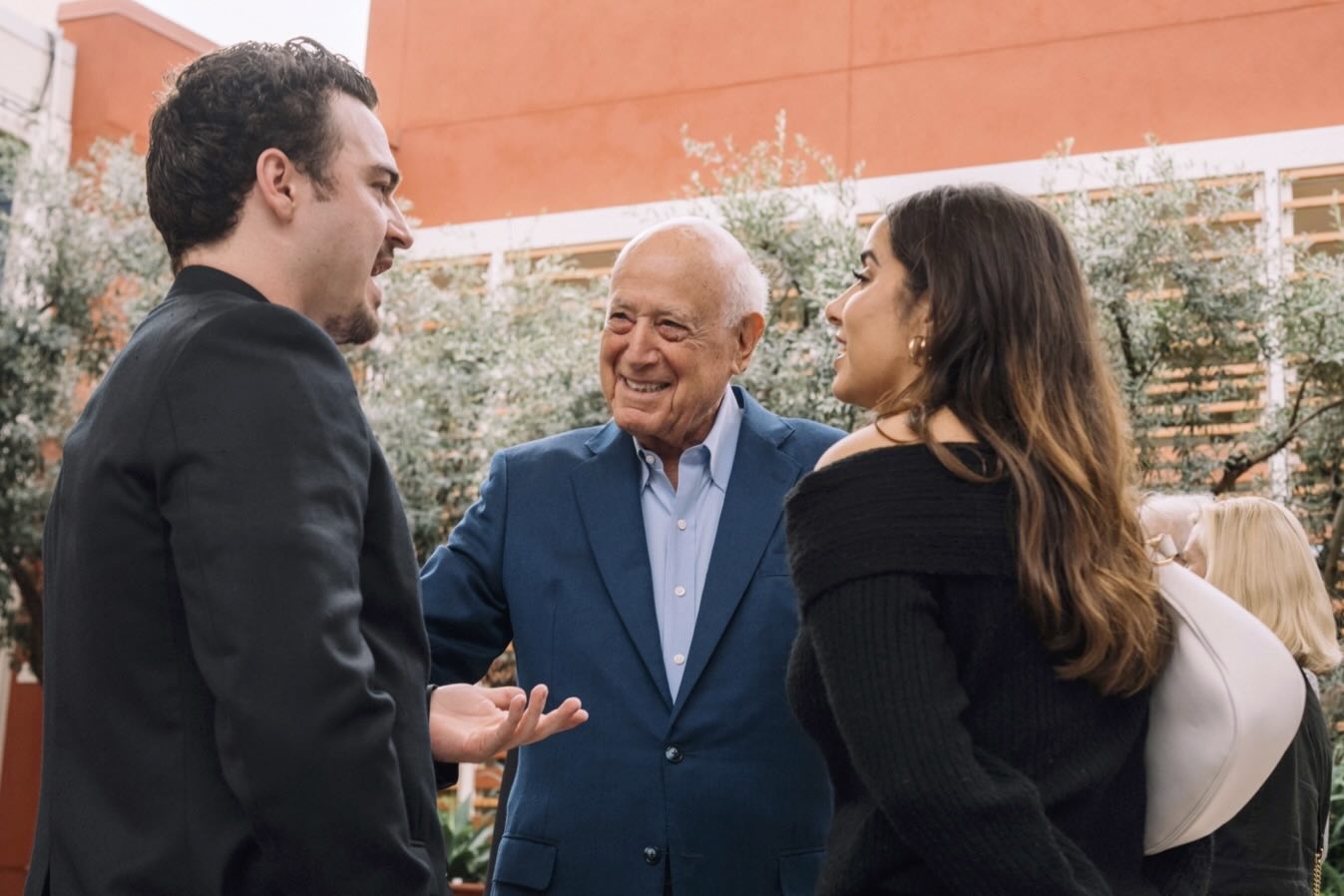
Photo courtesy of “Say It Now”
But Green’s research and experience suggest there is no perfect moment. “It’s never too early to express appreciation, but it can be too late,” he emphasizes. “The only real mistake is not speaking up.”
The movement has documented cases where people finally expressed long-held gratitude just weeks before someone passed away. In other instances, people waited too long.
“This isn’t about feeling good, though that’s a byproduct,” Green clarifies. “It’s about the other person knowing their life mattered. It’s about not waiting until it’s too late.”
When People Just Need to #SayItNow
“The Say It Now” approach is simple: Write a letter. Make a phone call. Send a text. Share a short video. Organize a gathering. The method matters less than the timing.
With 10 million expressions already recorded and the documentary set to reach new audiences, the “Say It Now” campaign is positioning itself as a countermovement to digital disconnection. The campaign argues that authentic human connection requires vulnerability and specificity, not just likes and emojis.
Green, now in his ninth decade of life, shows no signs of slowing down. When asked about his ultimate goal, his answer is direct. “I would love to move the needle of gratitude in the world of human behavior, and that would be a legacy I’d be very proud of.”
As Americans increasingly report feeling disconnected despite constant digital communication, Green’s message is resonating: The people who shaped one’s life deserve to know it while they’re still here to hear it.
Walter Green’s new book, “The Gratitude Express,” is available for pre-order now. The “Say It Now” documentary is available for free on YouTube. Click here to watch.
Free curriculum materials are available to anyone at justsayitnow.org. The site includes guides for organizing living tributes, writing gratitude letters, and facilitating “Say It Now” events.