
 Sarah Mahmoodi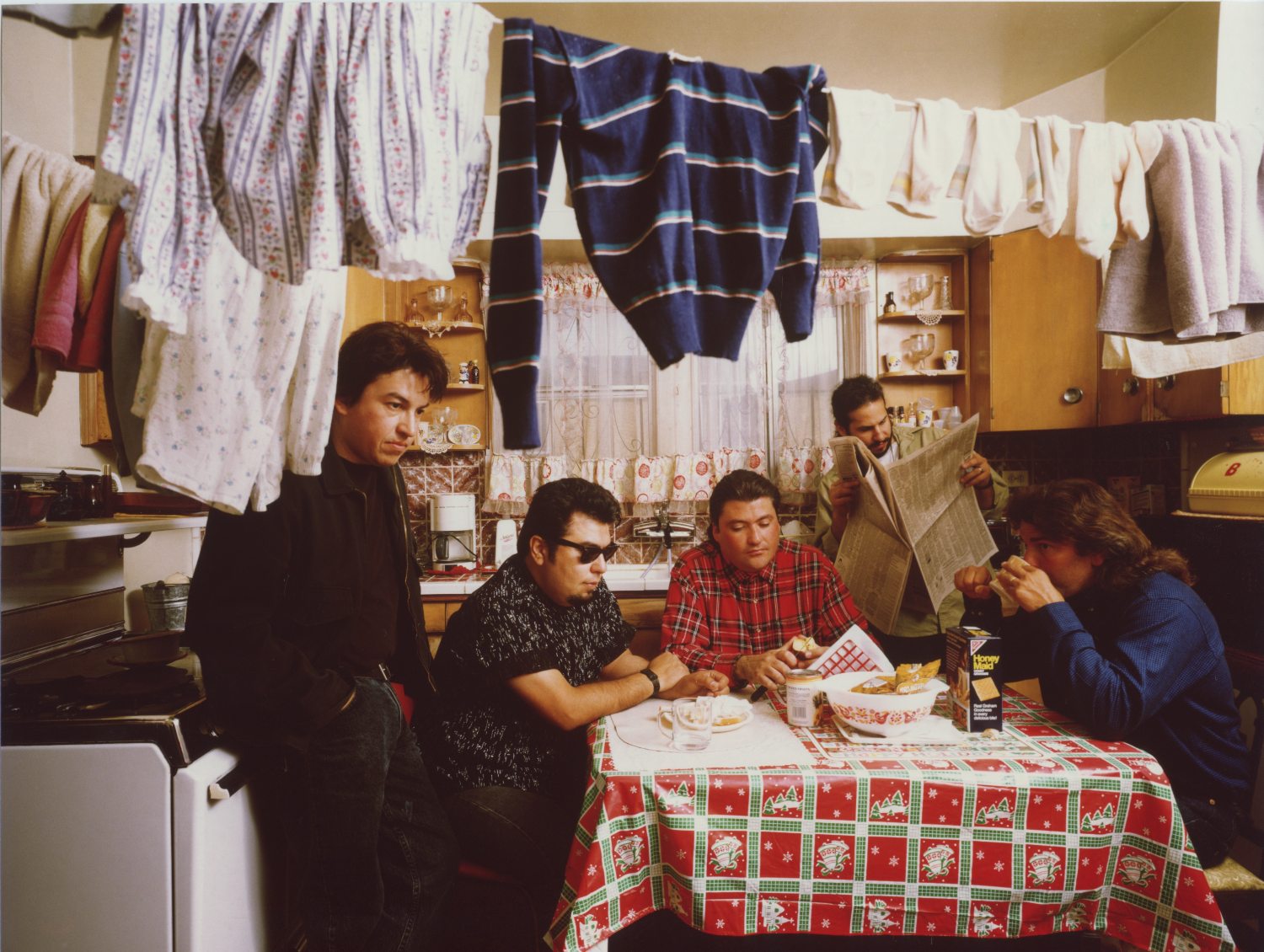
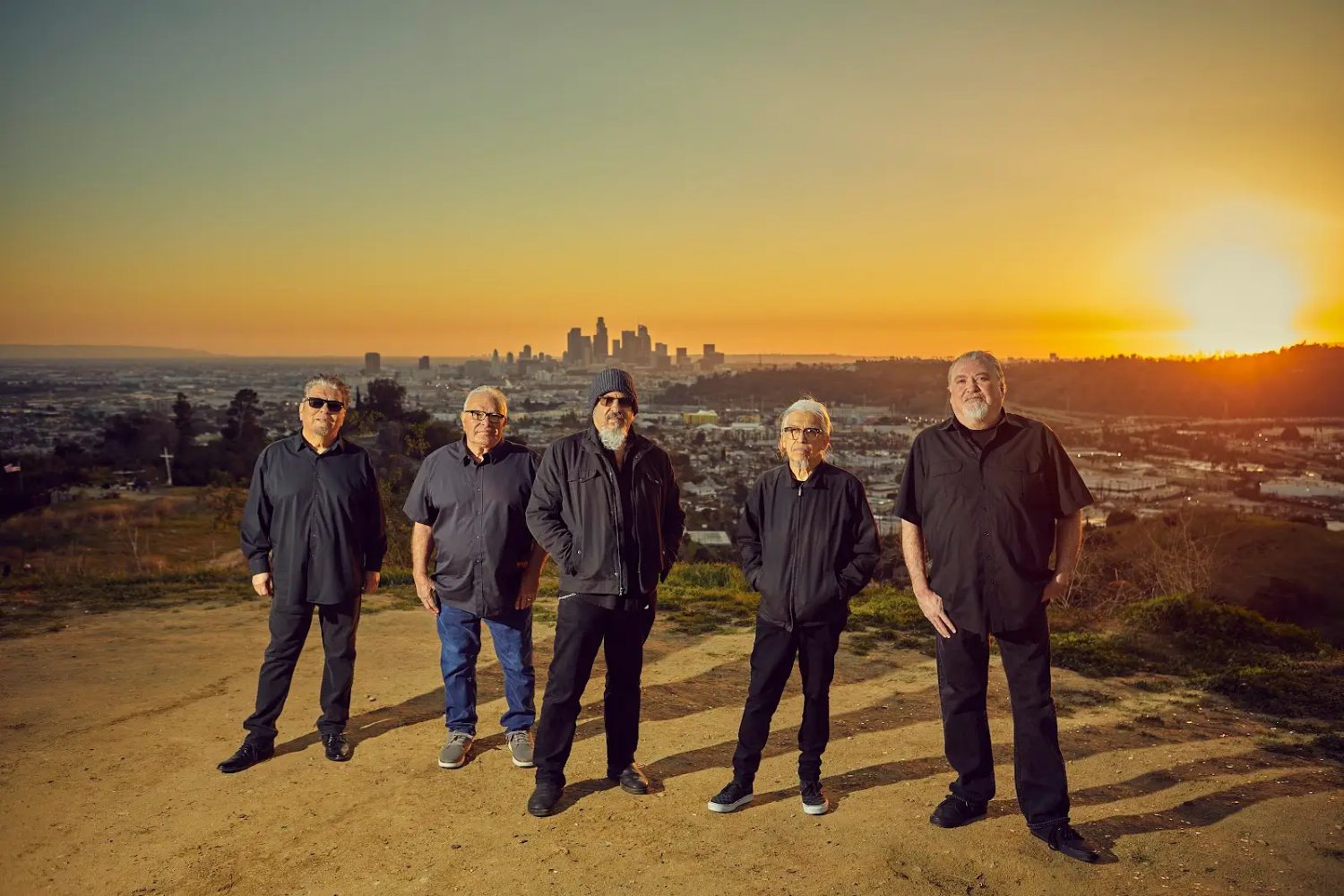


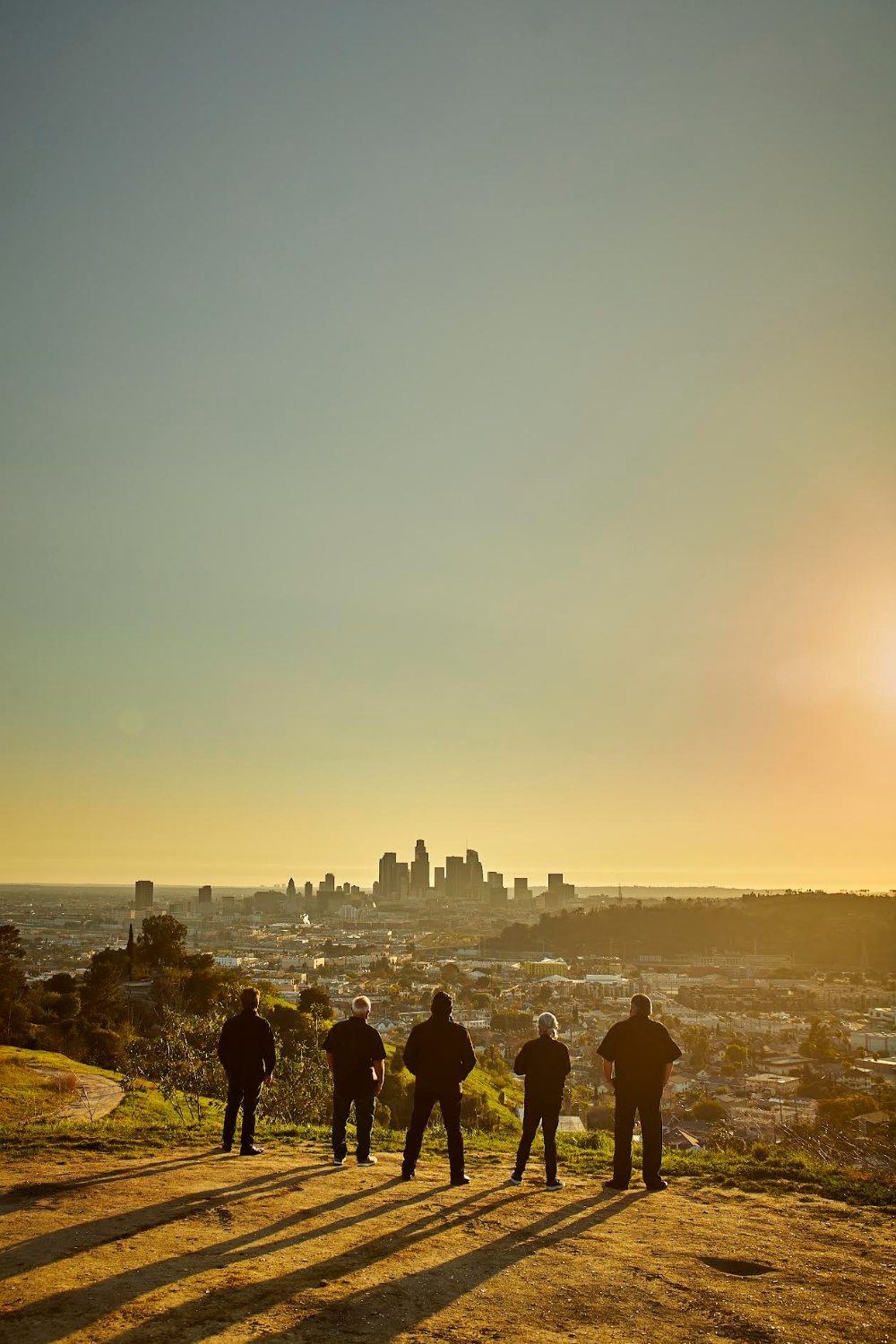
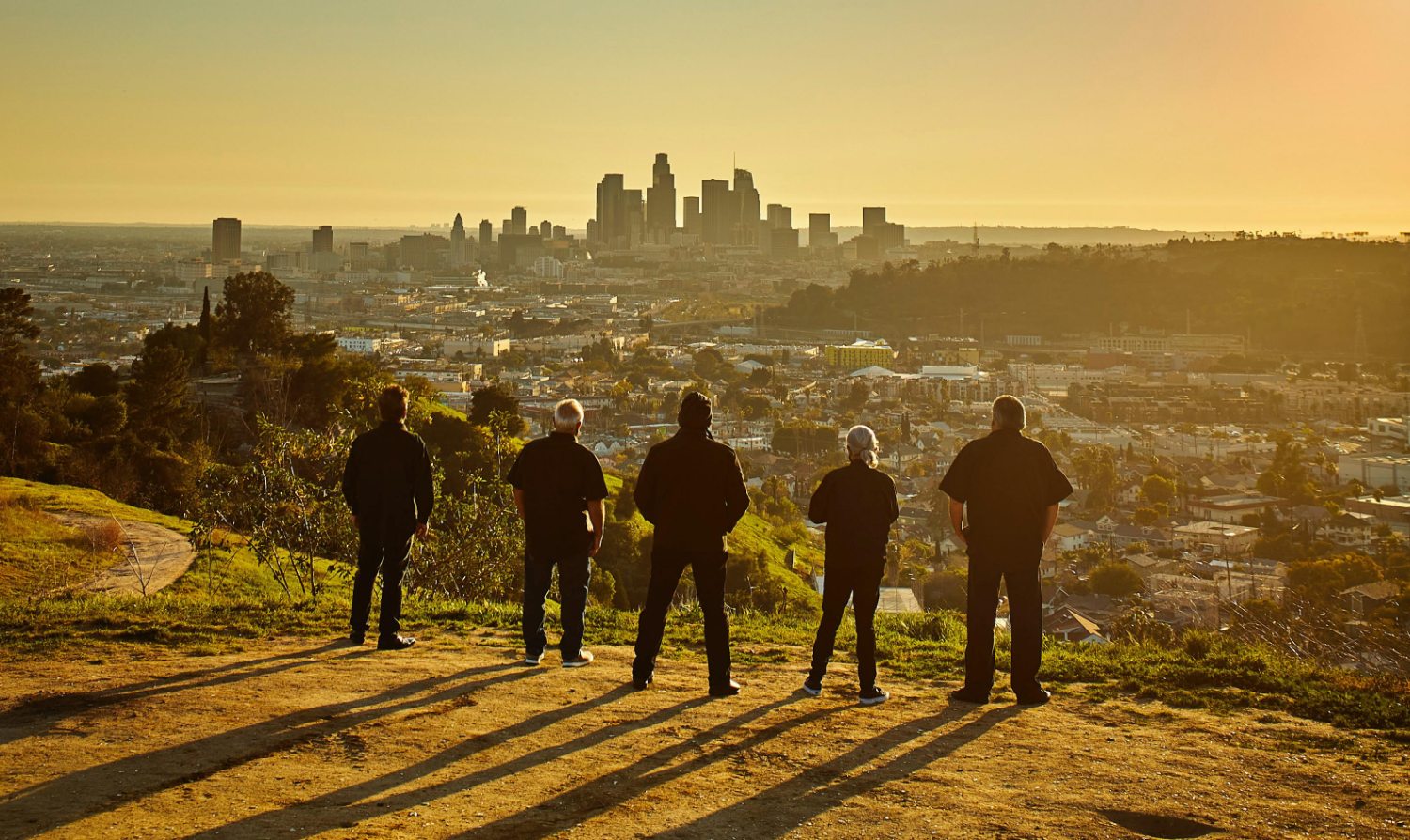
What music defines Los Angeles? While the answer is as wide and multi-faceted as the city itself, many Angelenos find their answer in East Los Angeles. And when it comes to the quintessential band of East LA, one name stands above the rest: Los Lobos.
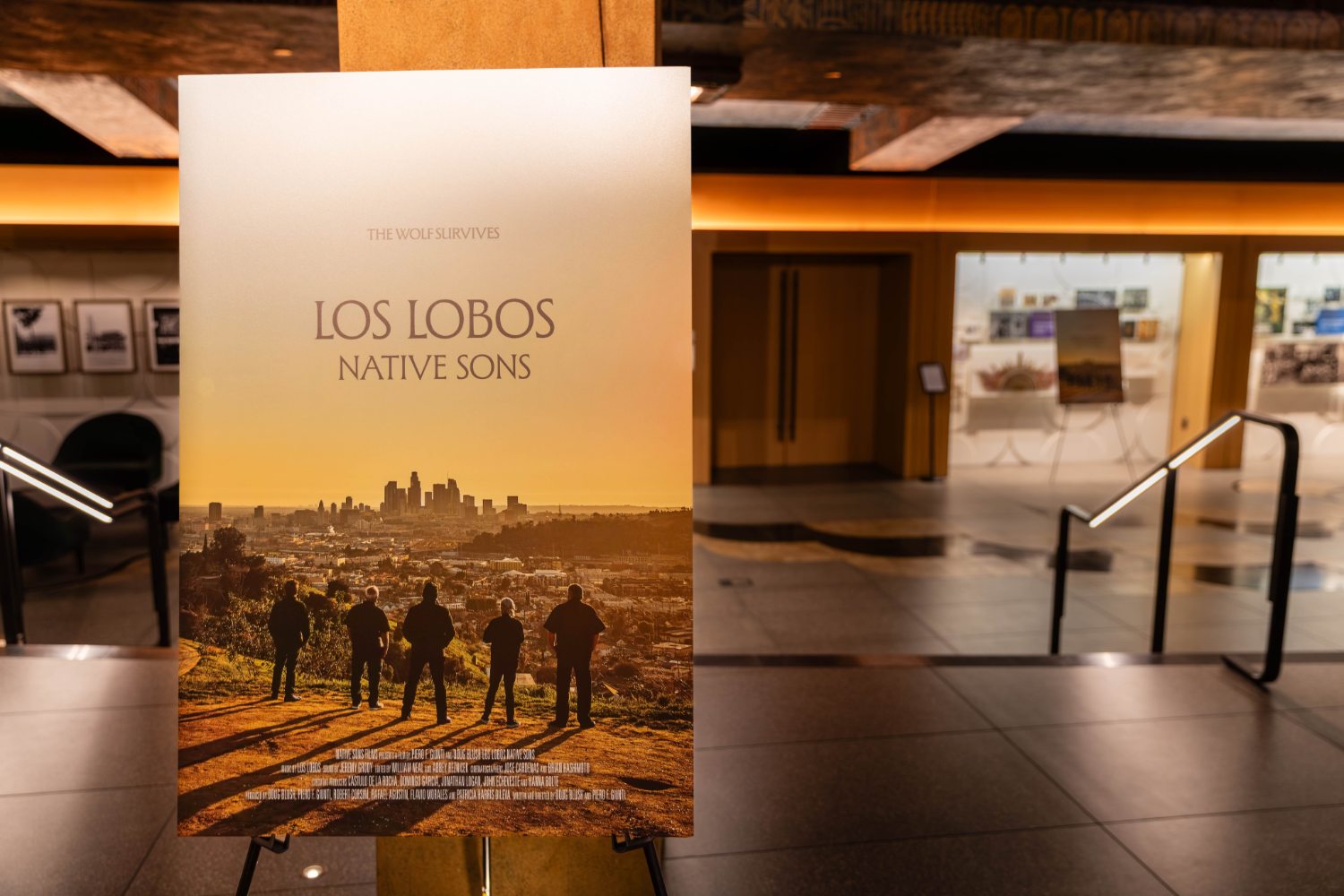
While some may recognize them as just another band from East LA, in reality, they’re one of the most accomplished and influential American rock bands of the past 50 years. Quietly political, humble, hardworking artists, their unique blend of Mexican folk and American rock music bridges two cultural worlds to become a symbol of the working-class Mexican-American identity. Their cultural and musical impact is so significant that they’re now the subject of a feature-length documentary, Los Lobos: Native Sons.
Co–directed by Piero F. Giunti and Doug Blush, Native Sons explores the band’s 50-year history, starting with the band’s genesis with their first meeting as teenagers at Garfield High School in East LA. It then follows their journey as they study Mexican folk music and form a group under the direction of former founding member Francisco ‘Frank’ González. The film shares home videos, photographs, show footage, and artist interviews, all documenting the band’s history of backyard shows and quinceañeras, joining the Chicano movement, winning Grammys, touring the country, performing on the global stage, starring in films and writing film scores, playing for late-night shows and Sesame Street, and performing for President Obama at the White House.

(Courtesy of American Cinematheque)
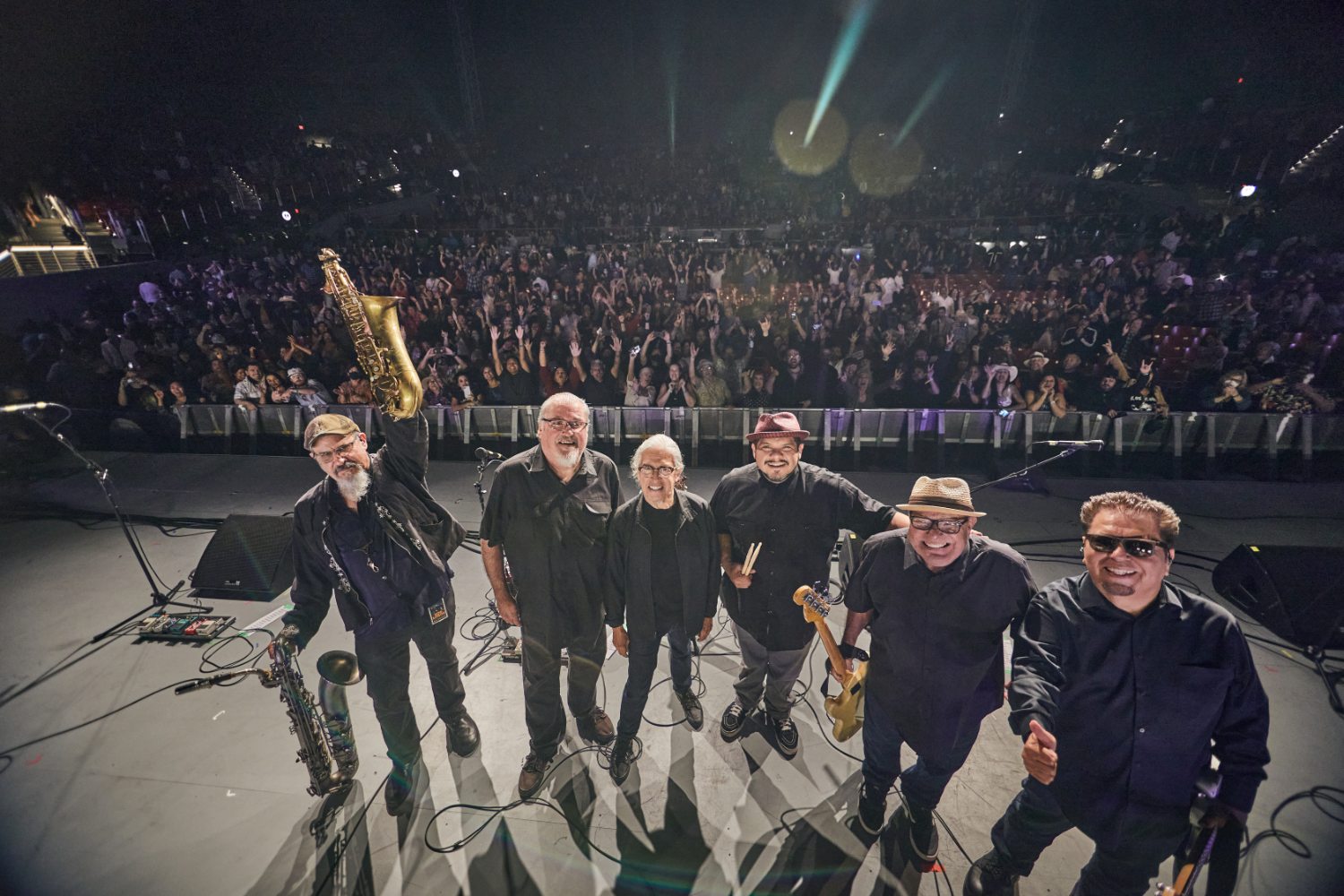
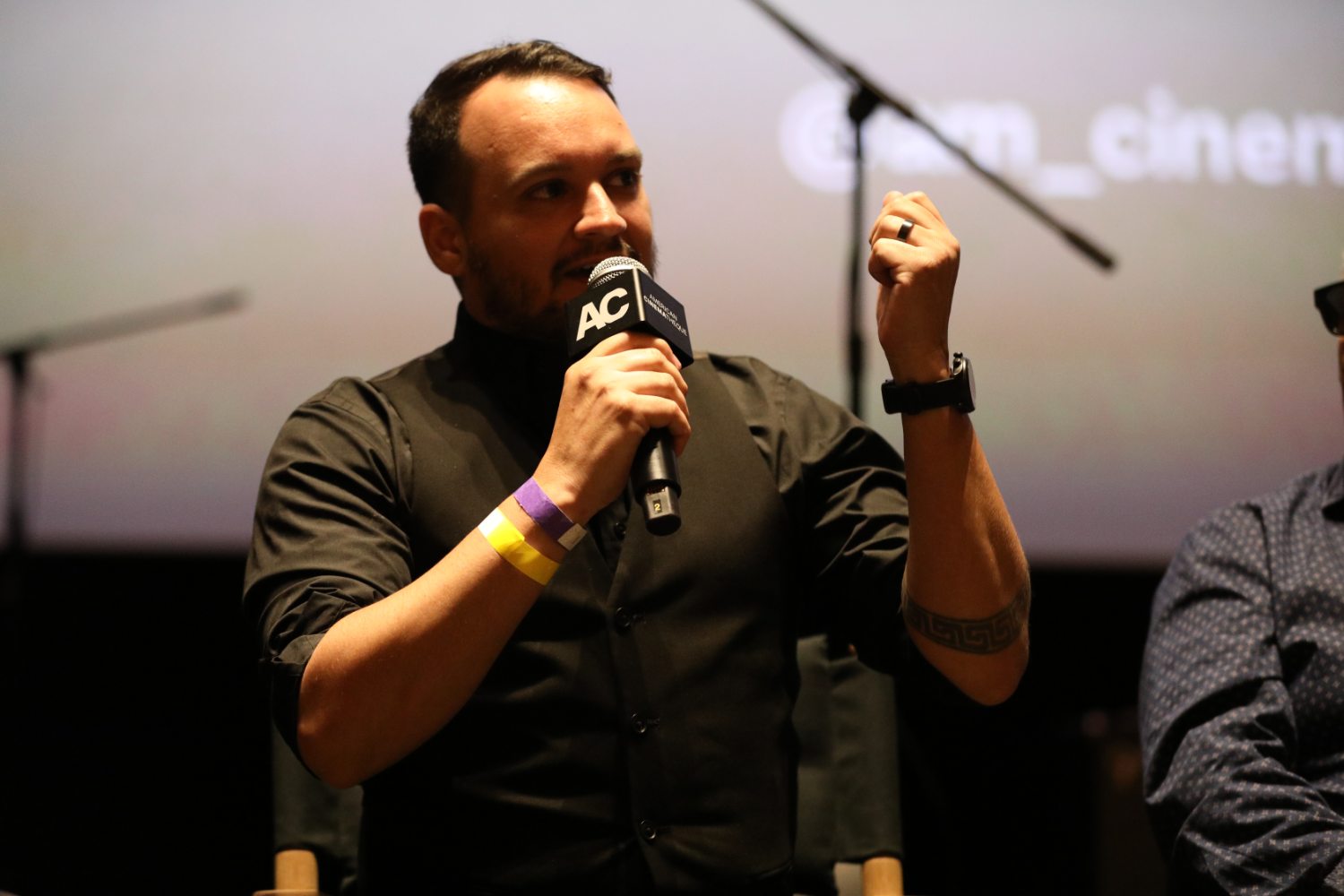
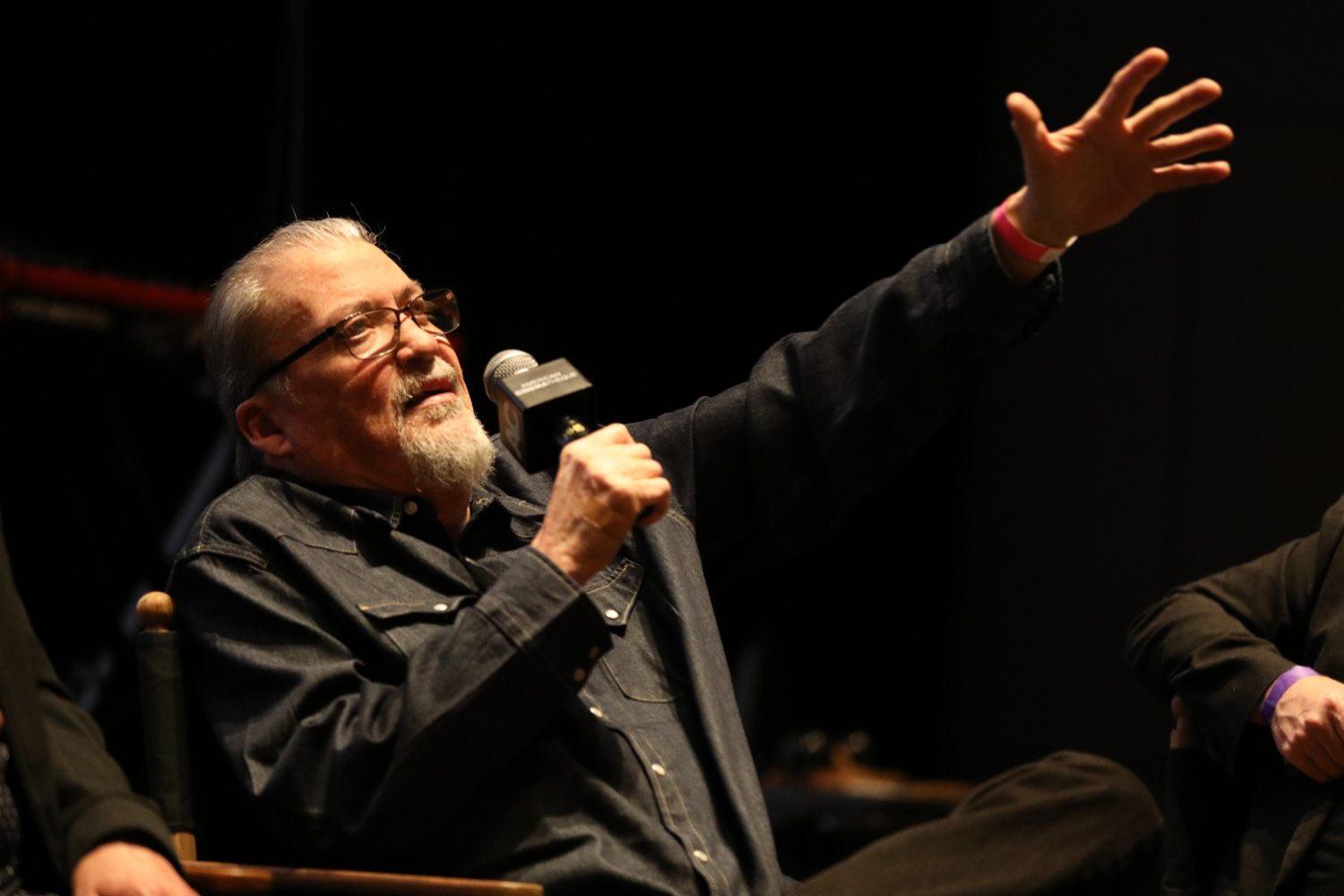
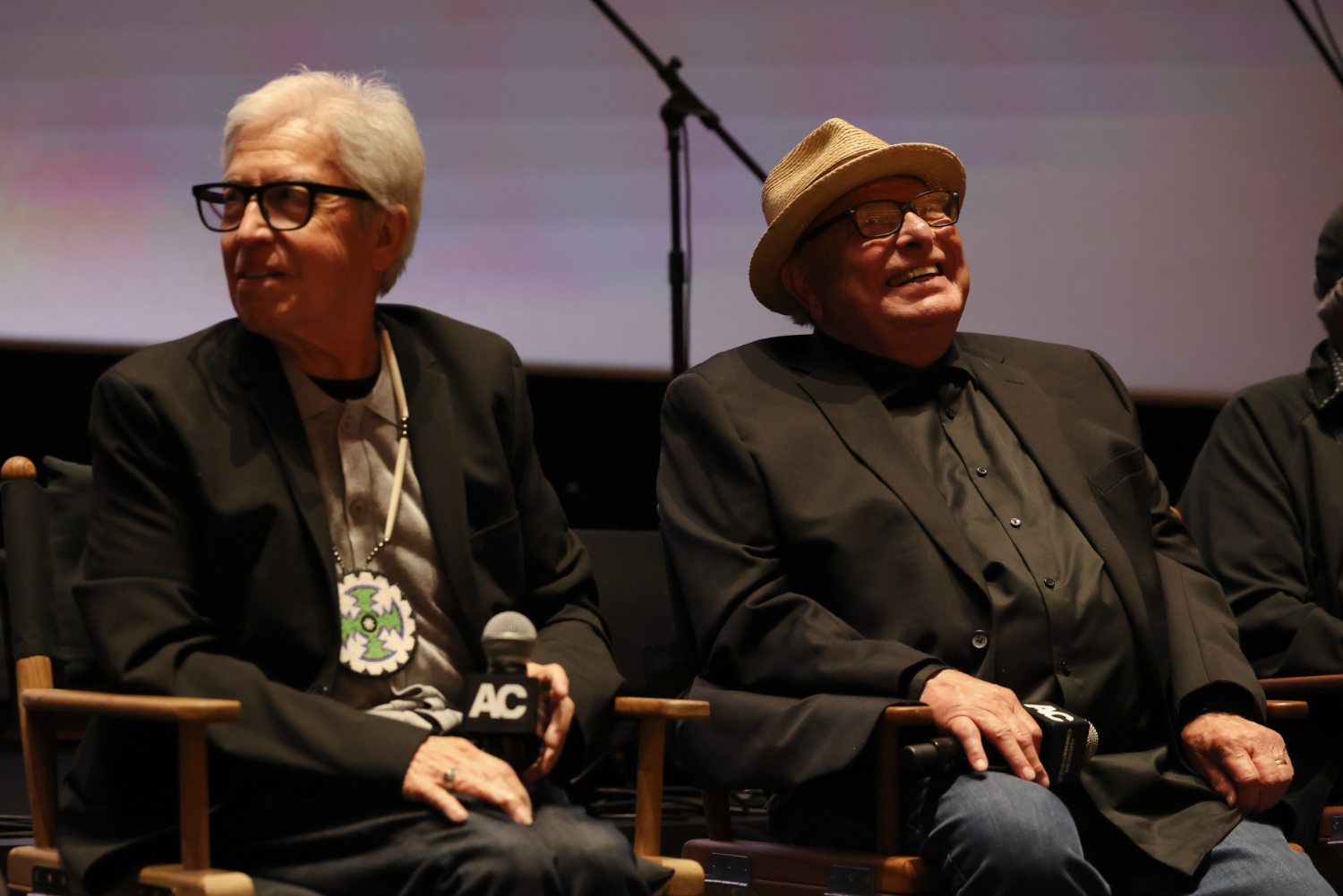
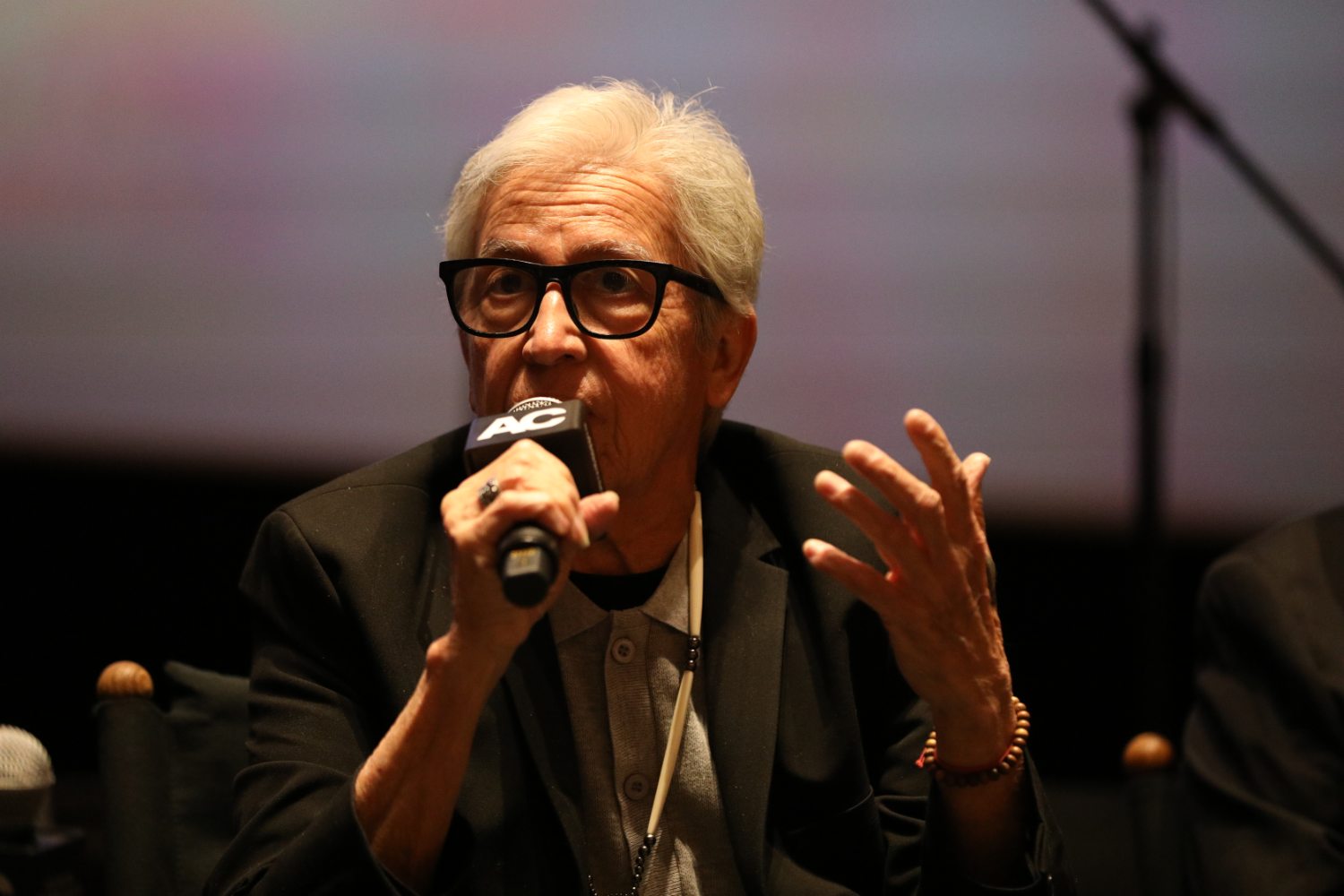
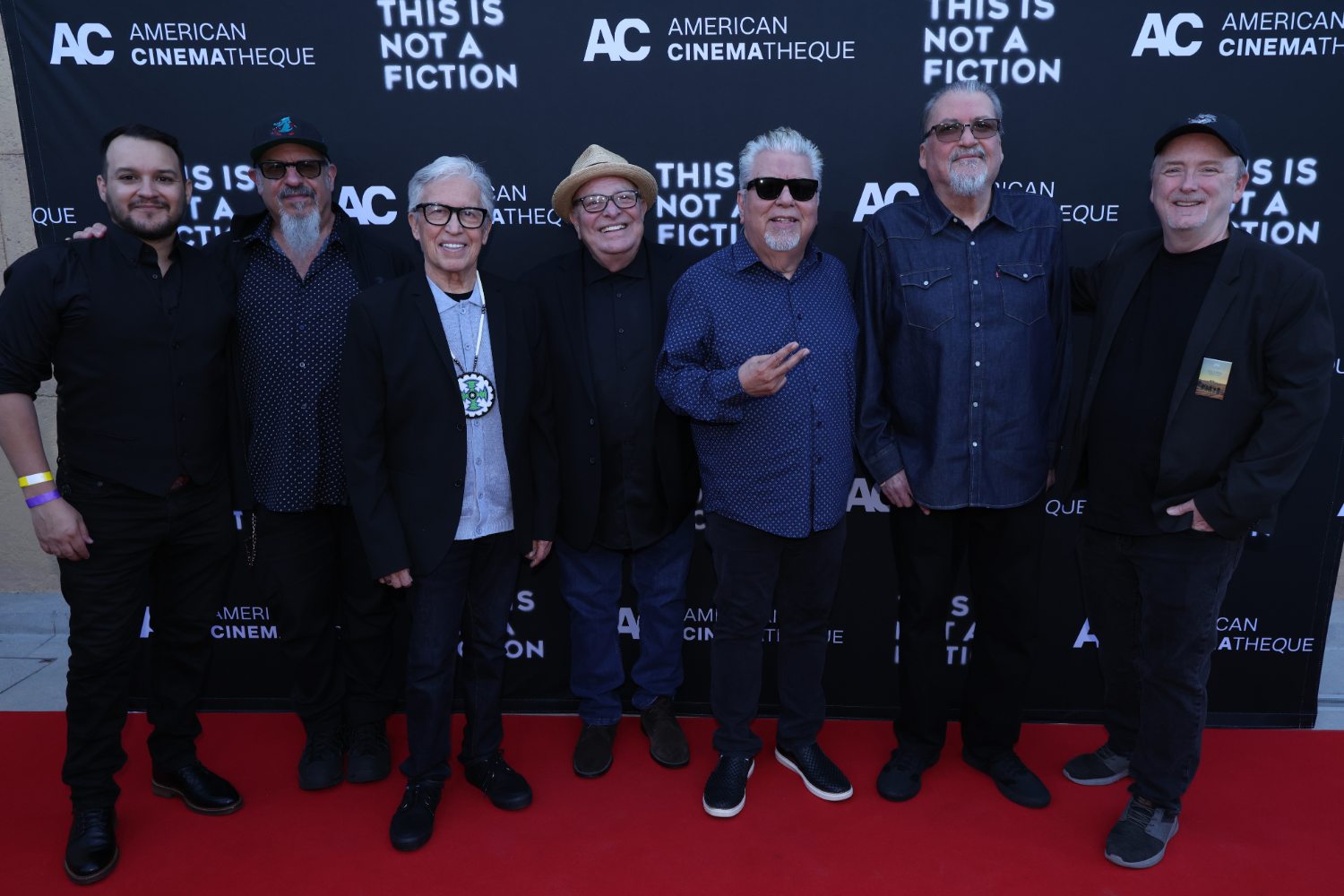
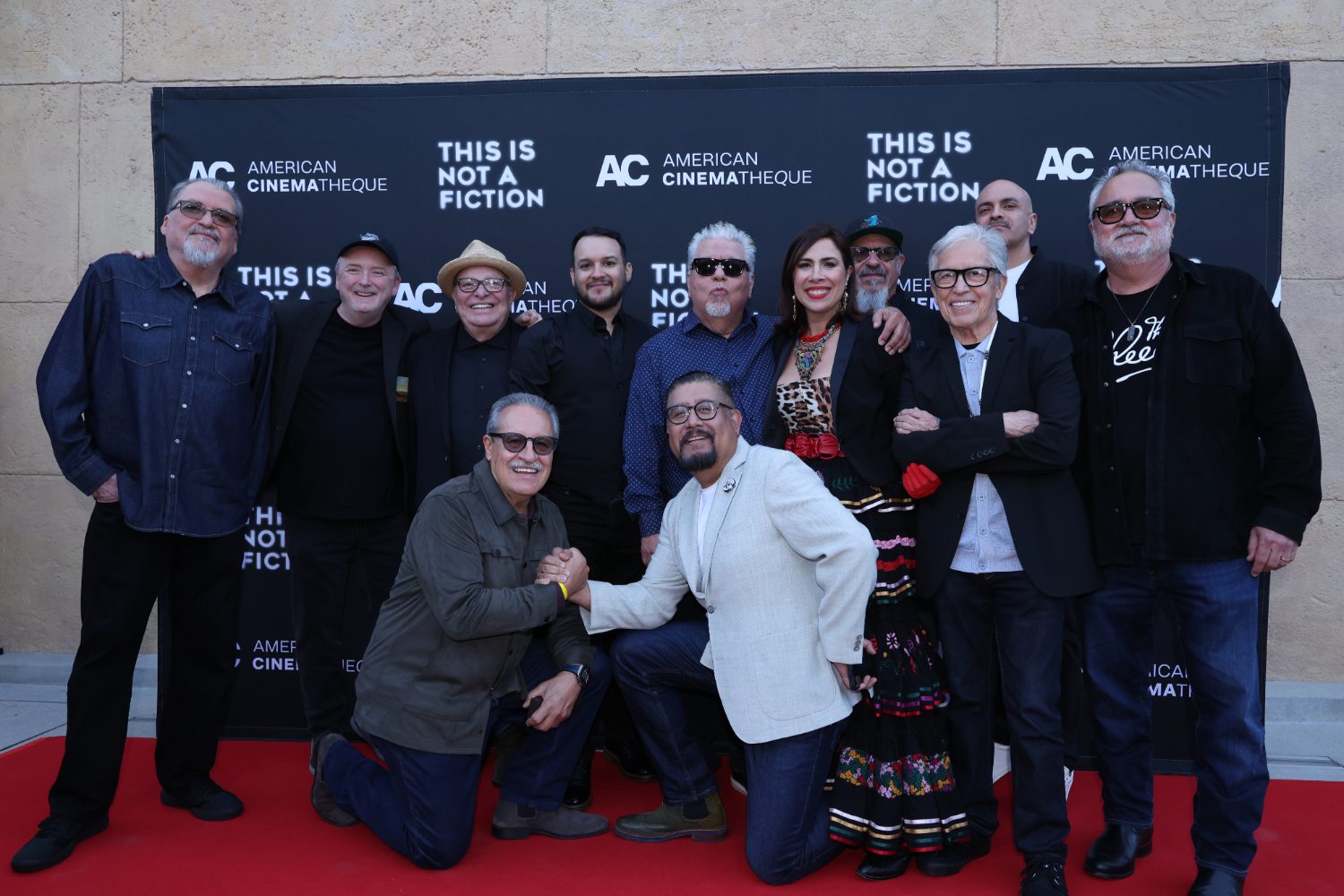
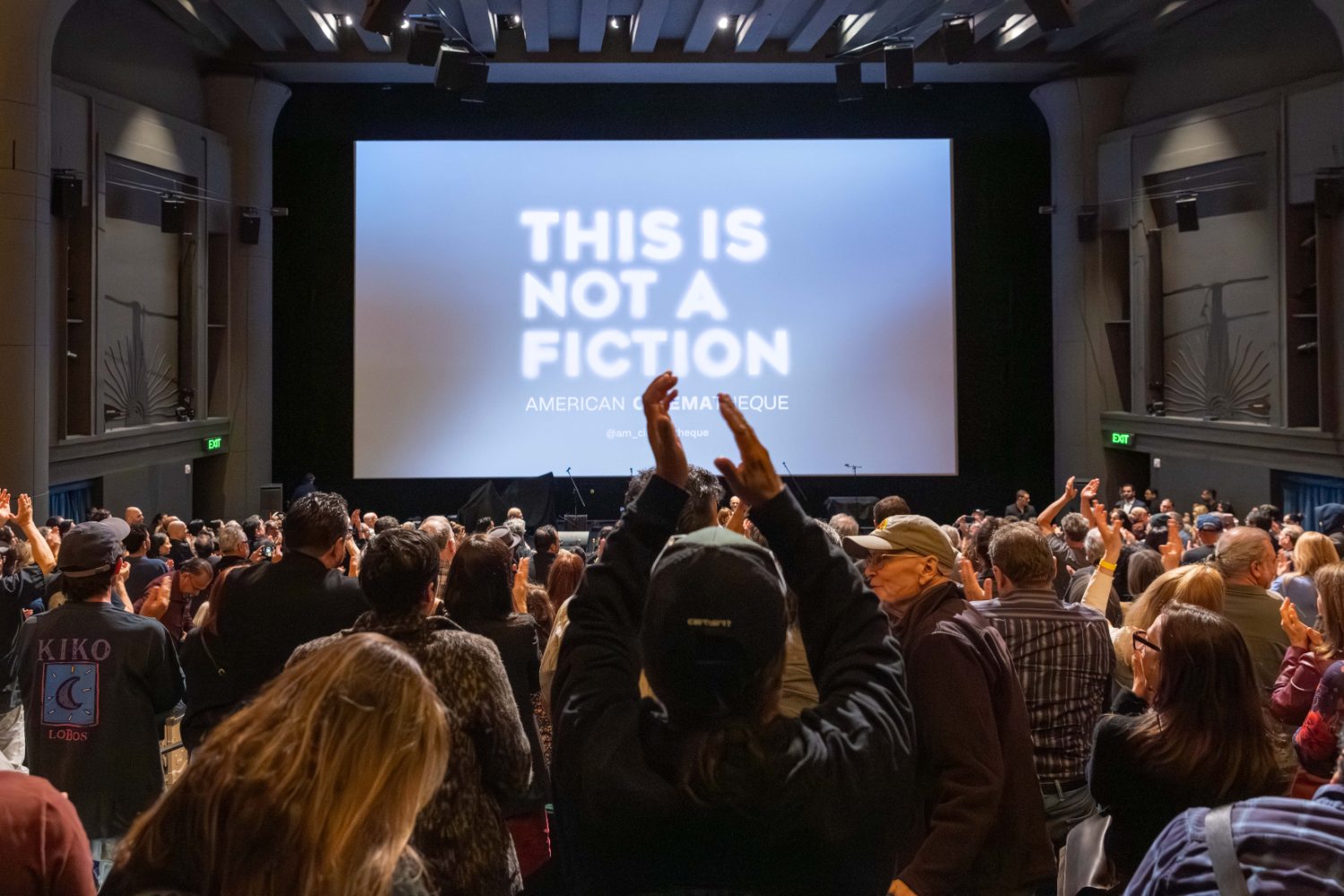
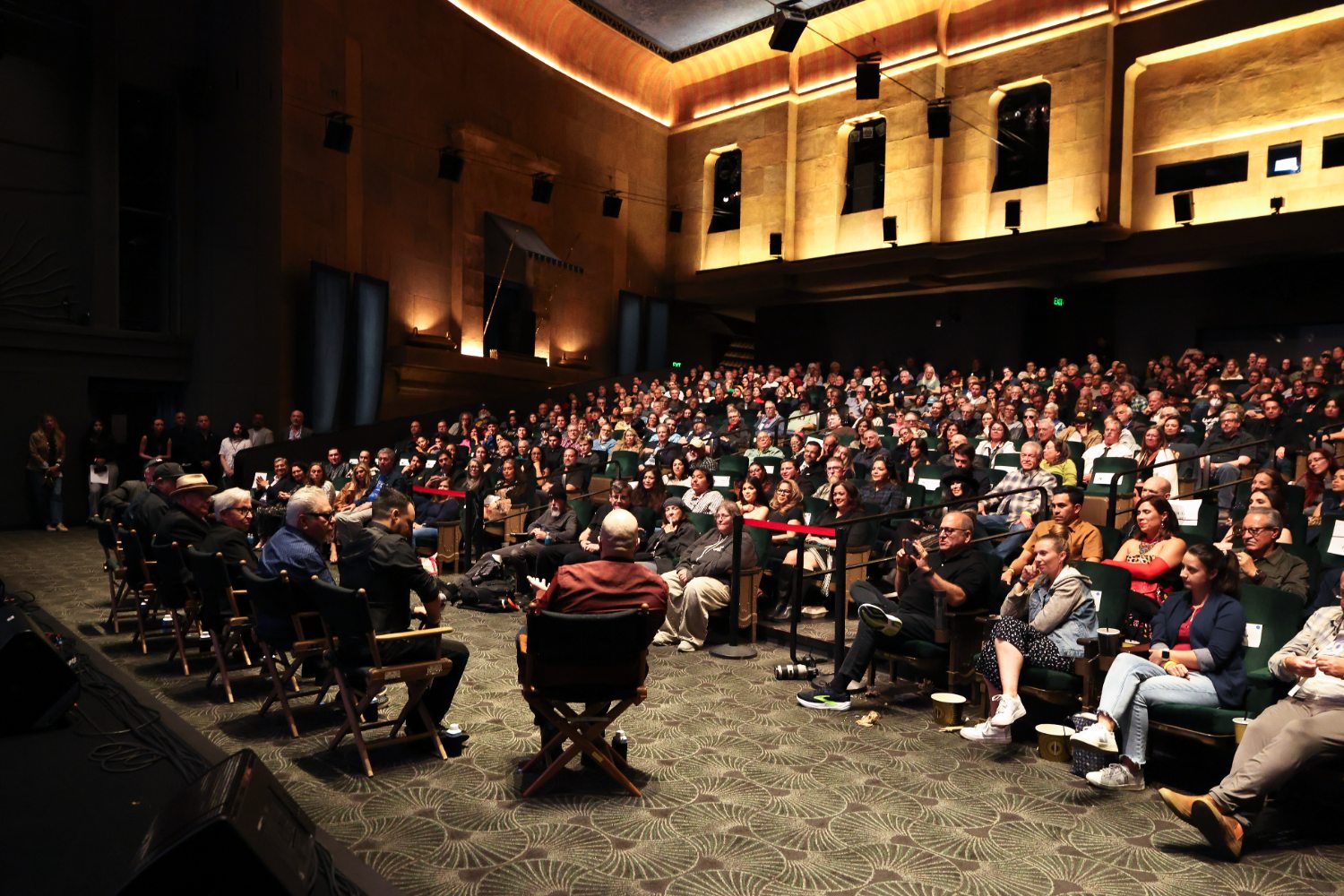
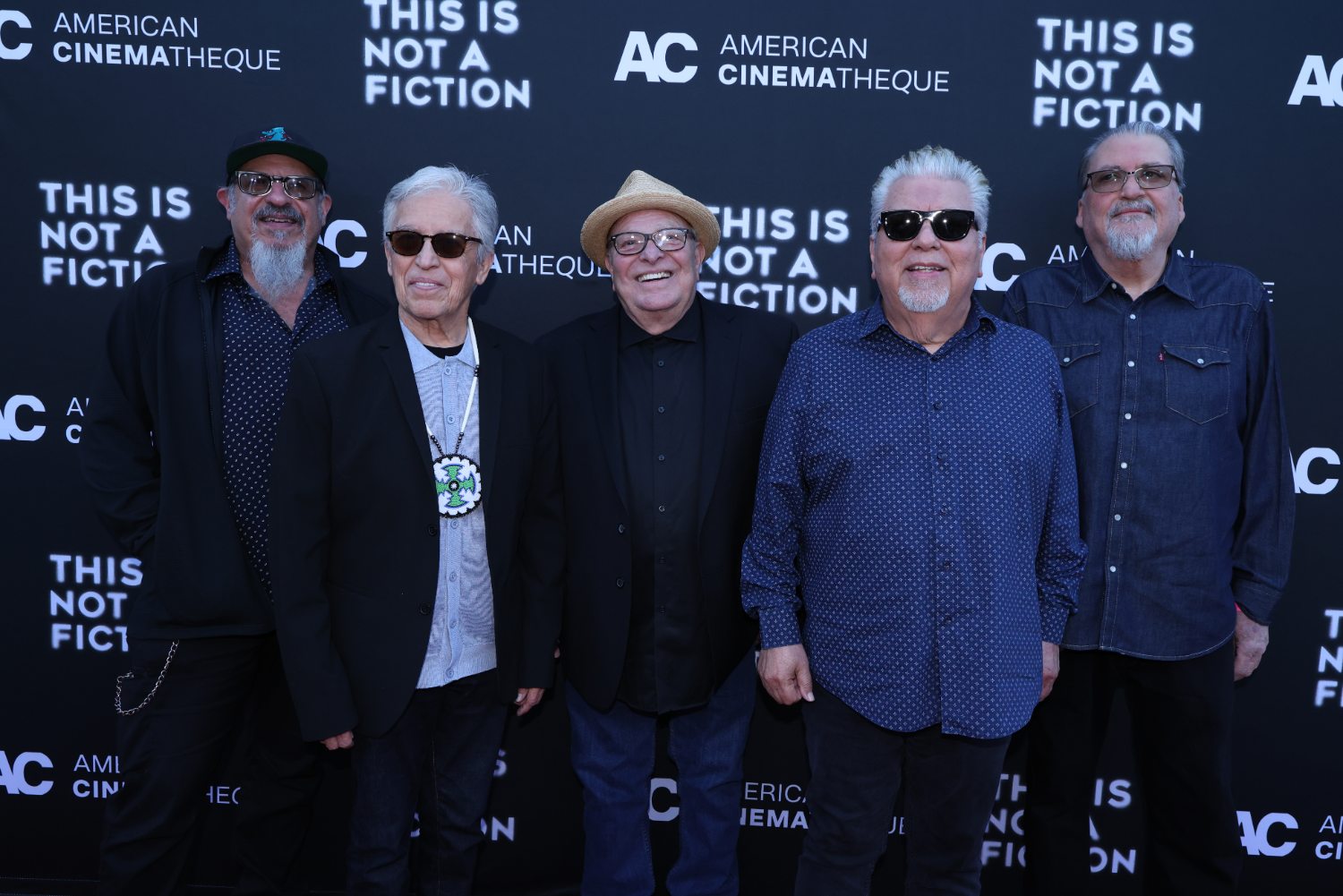
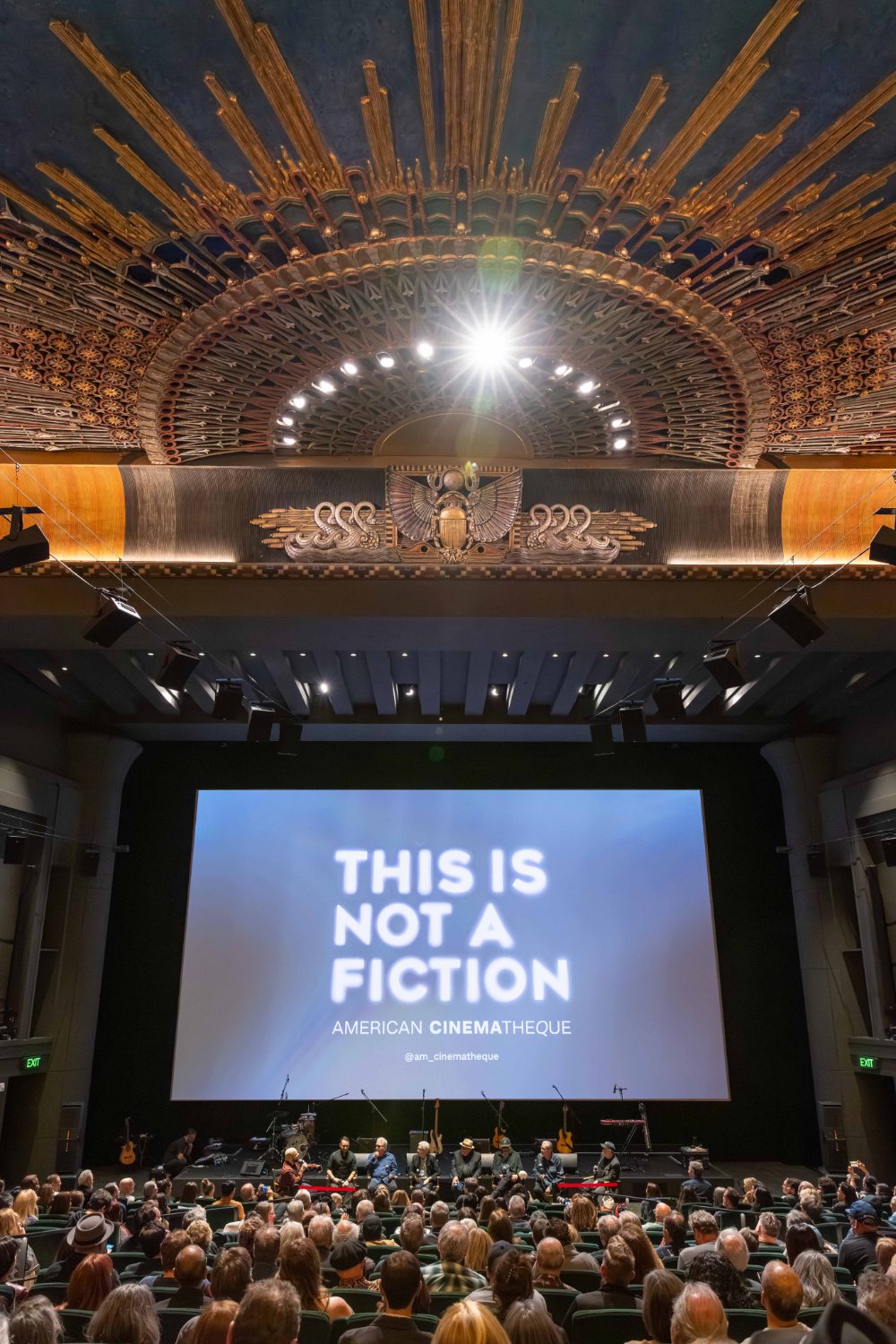
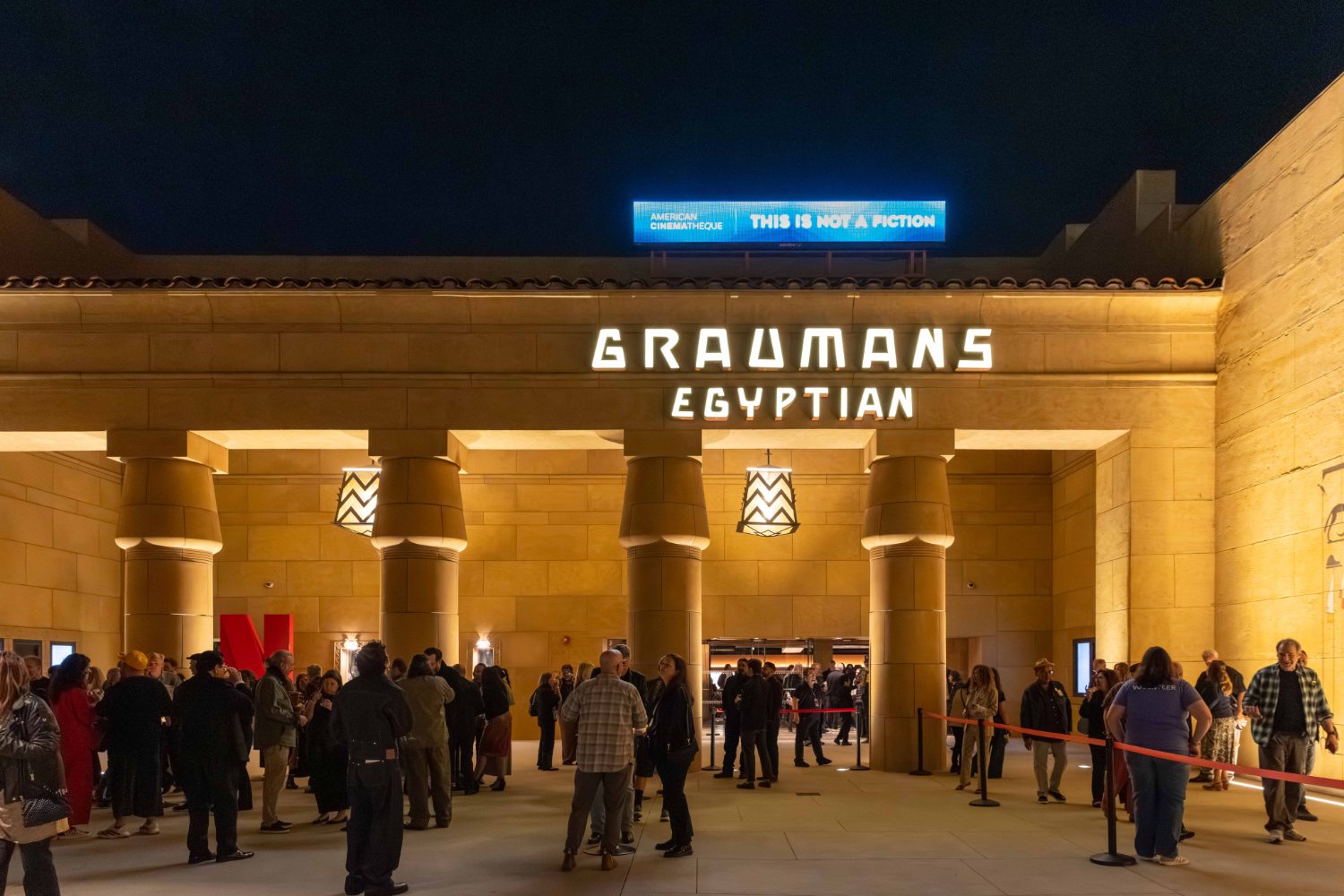
The Los Angeles premiere for Native Sons was on April 24 at the Egyptian Theater with the film crew, production team, and band members David Hidalgo, Louie Pérez, Cesar Rosas, Conrad Lozano, and Steve Berlin all present along with their families. Hosted by American Cinematheque, the theater’s 516- seat auditorium was sold out within an hour of announcement, and filled to the brim with friends and family of the band, fellow artists, political dignitaries, and music fans.
The world premiere was held at South by Southwest on March 15. Since then, the film has collected multiple accolades and awards from film festivals around the country. It’s also been updated with more interviews from other artists giving their take on the significance of the band. Musicians interviewed in the documentary include Cheech Marin, Linda Ronstadt, Tom Waits, Lila Downs, Les Claypool, Billy Gibbons, Roko Pachukote, Jackson Browne, Peter Frampton, Flaco Jimenéz, and Phil Alvin, just to name a few. Other notable figures include comedian George Lopez, film figures Robert Rodriguez, Luis Valdez, and Edward James Olmos, civil rights activist Dolores Huerta, and political figures like Congressman Joaquin Castro and former LA mayor Antonio Villaraigosa.
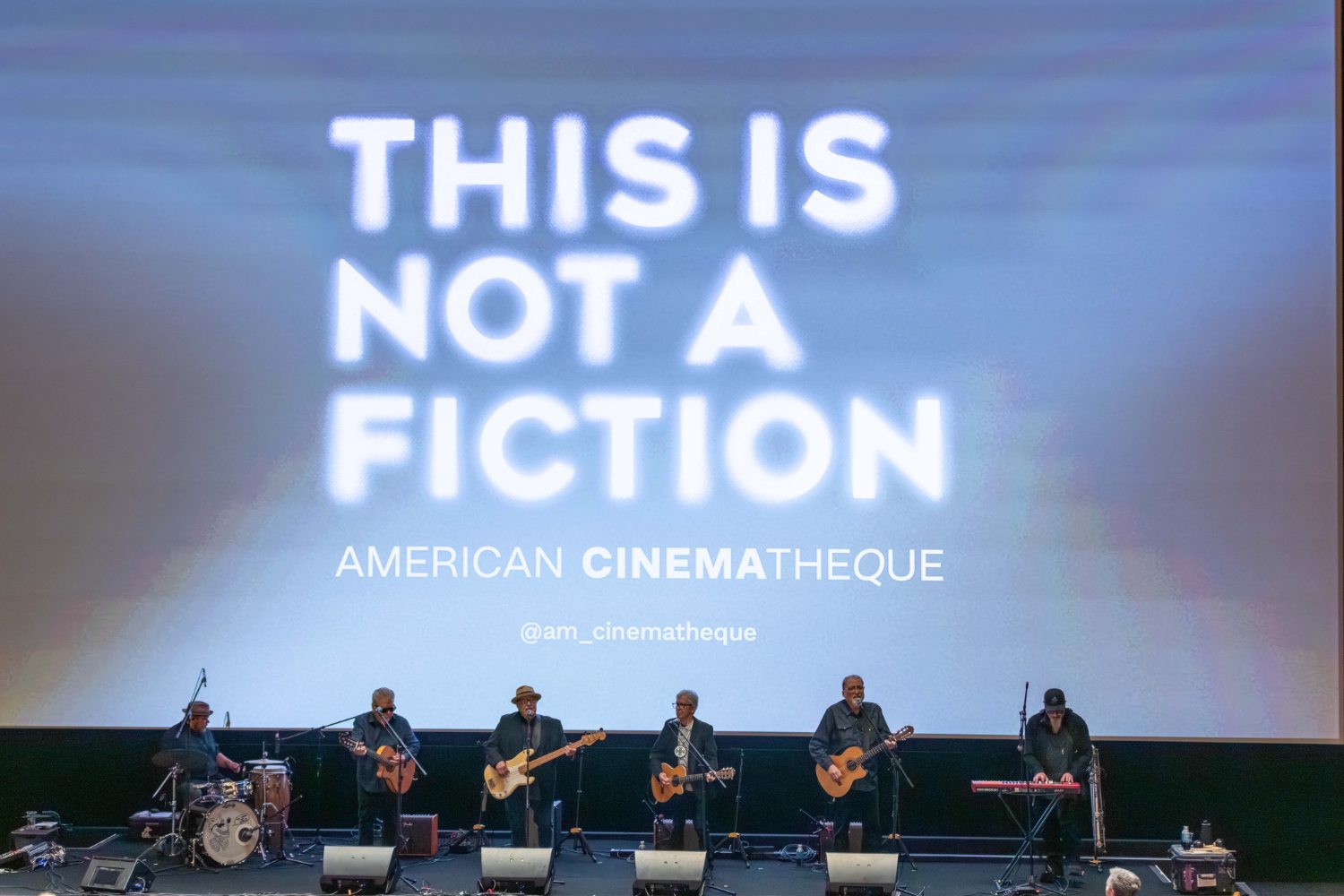
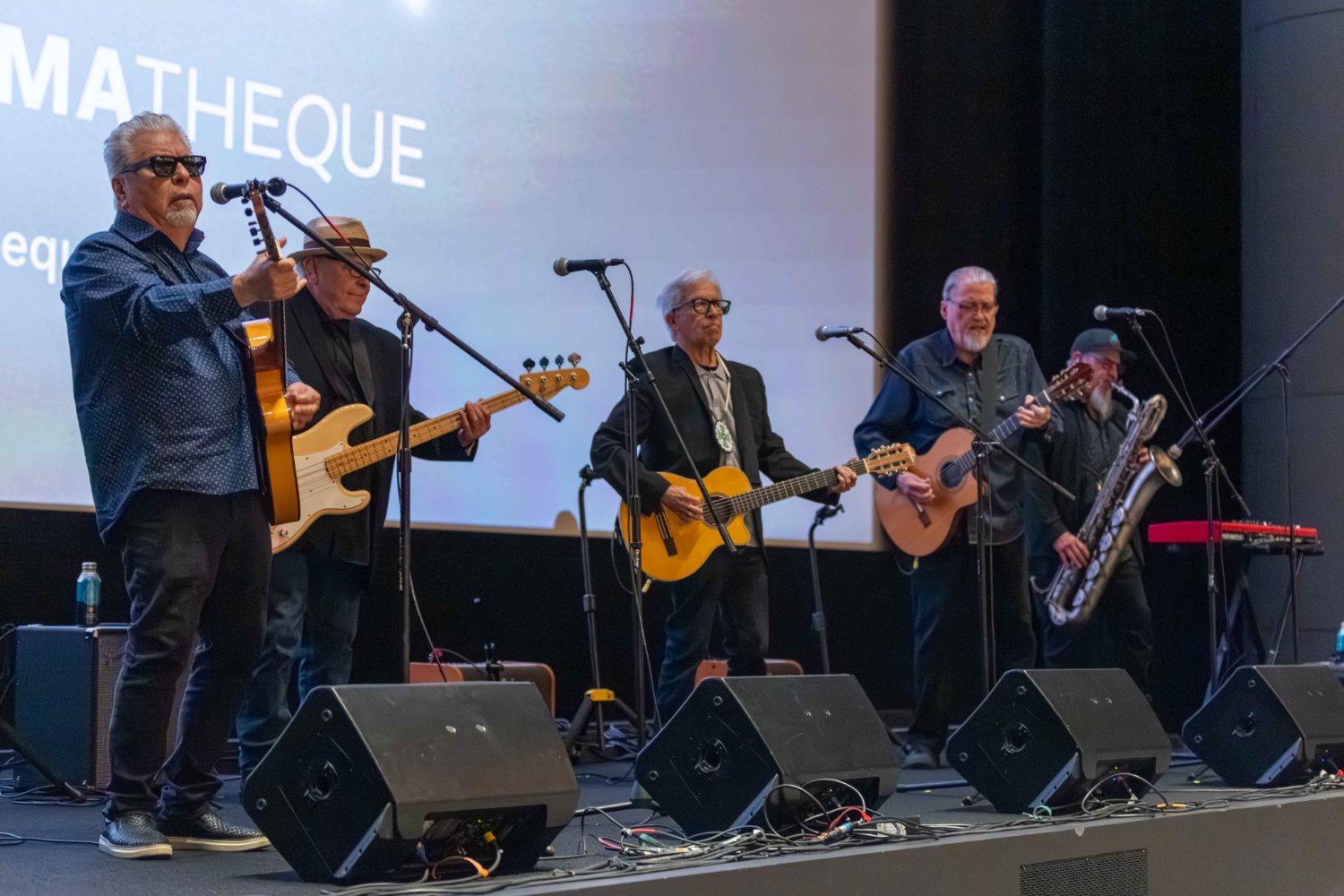
After the film screening was a 30-minute Q&A with the band and co-directors, followed by a short live performance. The band played some of their most popular songs like “How Will The Wolf Survive?” and “La Bamba,” which turned the seated concert into a dance party as attendees rushed the stage to dance and sing at the urging of the band. The crowd was a multicultural and multigeneration blend of Angelenos, a testament to the continued popularity of Los Lobos.
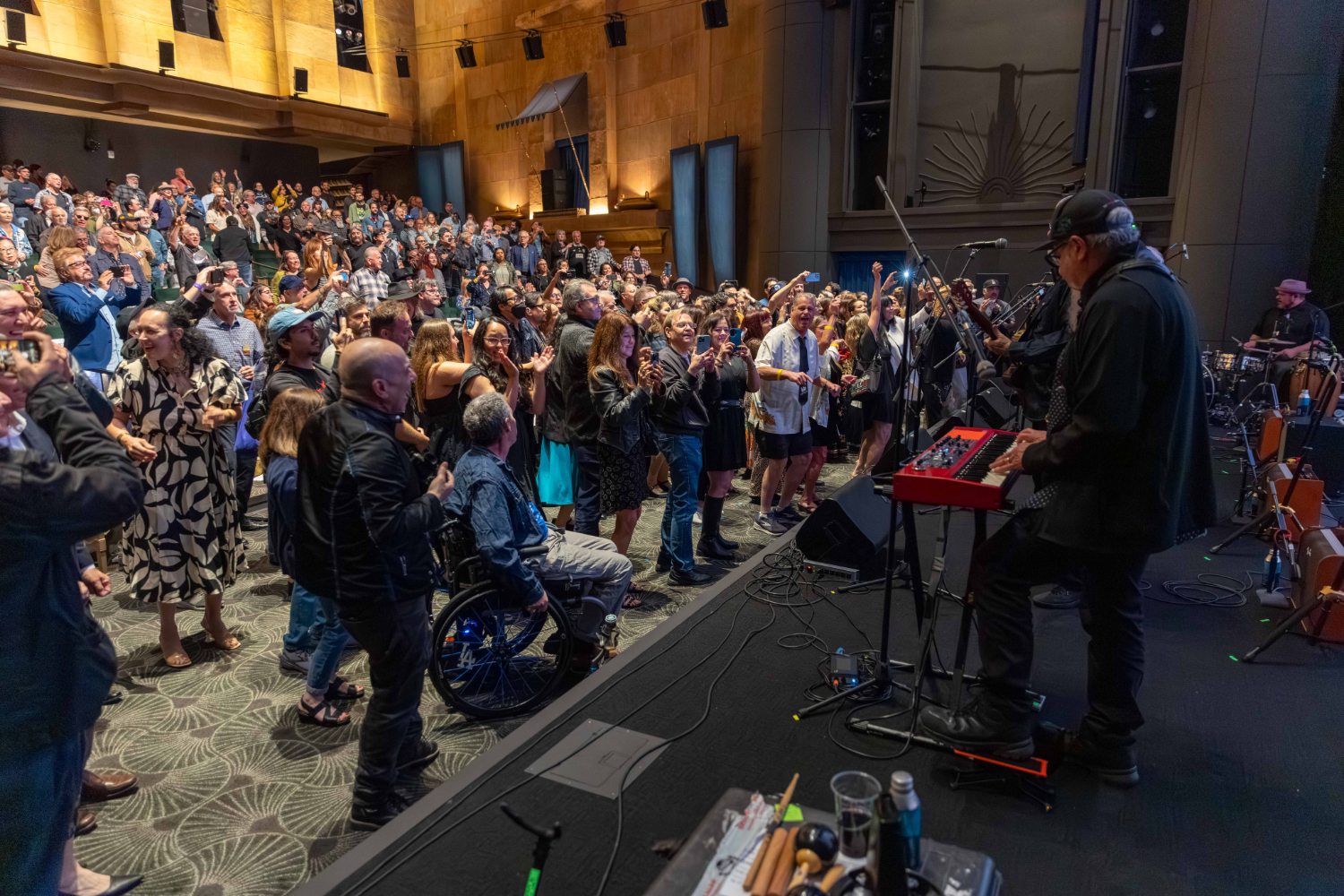
(Courtesy of American Cinematheque)
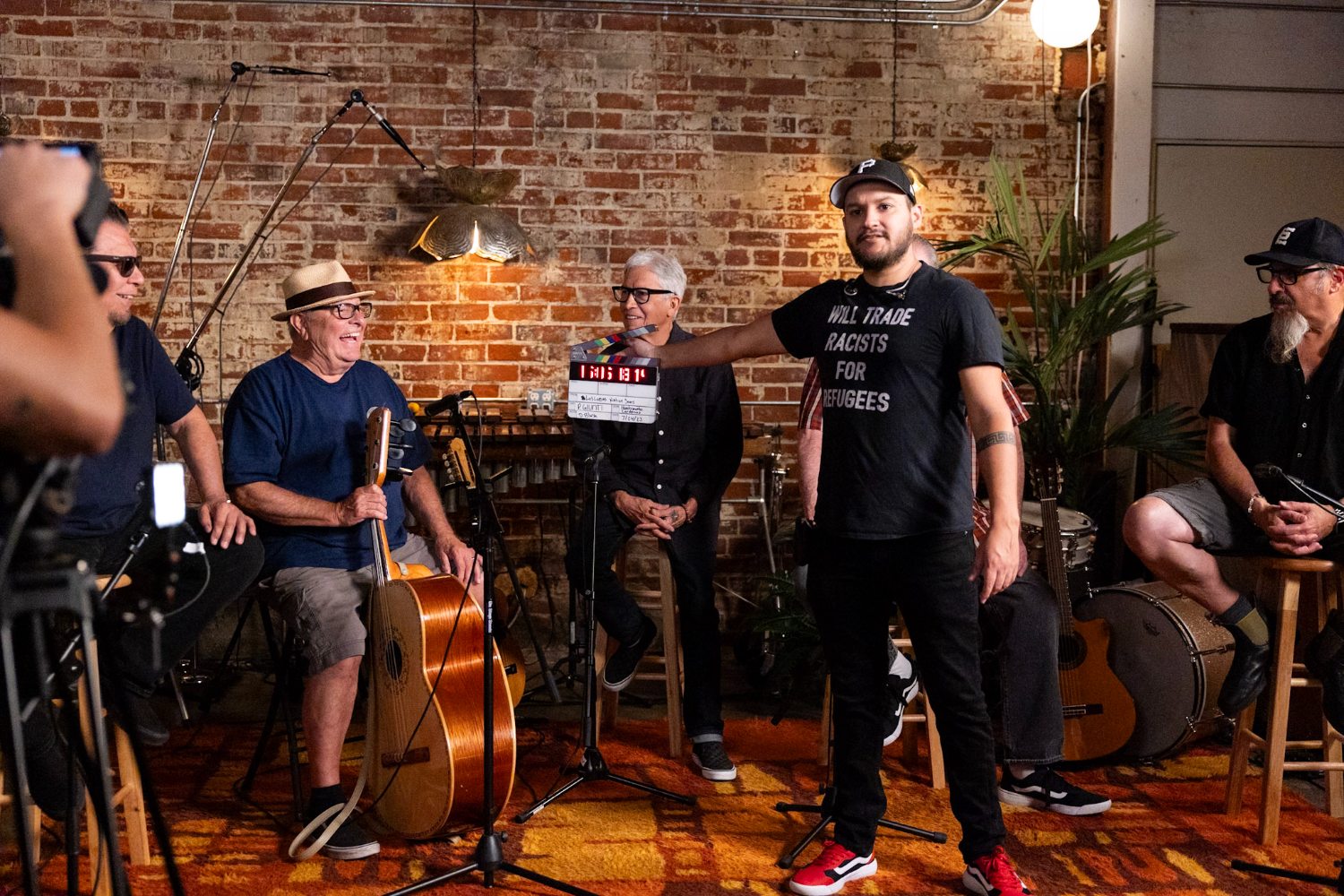
Before the screening, LA Weekly spoke with Doug Blush who recounted the lengthy documentary process. “The first call we had with the band was almost five years ago,” he said. “That started a five-year process of traveling with the band, going into the studio with them, and interviewing everyone who loves them. We did dozens and dozens of interviews with famous musicians, politicians, and cultural people. We traveled with them, shot the shows. It was like being a roadie with the band for a bunch of years there. Really fun.”
He spoke about his hopes on how viewers will receive the film, “For me and Piero, the special thing about this film is not just that it’s a great music film about a great band. We think it’s a reflection of the best America we can be, in a time where we need to hear that. Los Lobos, to me, are the best version of America.”
He dove further into the cultural significance of the band and his desire to spread their message to those who don’t know them, “Los Lobos is a legendary band, but not many people who are not Chicano, Latin music lovers, or even from Los Angeles know who they are. But everyone knows ‘La Bamba.’ They’ve been great for 50 years, and the people who know, know. They have fans all around the country, the Los Lobos Wolf Pack. We wanted to honor that this is a great family that’s been traveling around the country for years now.”
Los Lobos (Courtesy of American Cinematheque)
During the Q&A, co-director Giunti elaborated on his choice of making the documentary now. “The whole theme of the film is, let’s celebrate the joy of 50 years of this. We deserve some joy right now. And honestly, this is the America we want to be. It’s about time. This is a band we all fell in love with, we’ve all grown up with. I’ve been a fan since I was three years old, and for me it was a question of ‘why not’? This story had to be out. Something had to be done.”
Additionally, Piero shared how at one of their screenings, a gentleman came up to the directors and said that the documentary changed his mind on immigration. “It’s about the music. It’s finally putting a face to the people that they supposedly hate. And Los Lobos did that with songs like ‘Will the Wolf Survive.’ We basically put faces to the lyrics. For them to finally see that we’re alike and we’re all surviving is significant. We’re all in this together.”
The documentary is full of entertaining stories from the band’s career. A standout anecdote was the band’s experience opening up for John Lydon, aka Johnny Rotten from the Sex Pistols, when he fronted the band Public Image. Louie Pérez spoke about the wild experience of opening up for an all-punk crowd, “He introduced us, we walked onstage, and I could feel the air move from I don’t know how many middle fingers going up in the air at the same time. It was incredible.”
Steve Berlin, now a core member of the band, retold his account from inside the crowd. “These poor guys walked out there, they started playing these beautiful folk melodies, and the sky, it looked like blitzkrieg. Everything that could be thrown was thrown at them — bottles, chairs, the sky was full of shit being thrown at them. And they just stood there and took it. I thought to myself, these guys are crazy.”
The documentary also covers Los Lobos’ involvement in the Chicano Movement. The band came up during the 1970s and 80s, a time where anti-immigrant sentiment was rampant, Latino neighborhoods faced poverty, over-policing, and neglect, and mainstream rock was still heavily white-dominated. Though never a slogan-heavy protest band, their existence itself carried political meaning. In the documentary, Cesar Rosas and David Hidalgo spoke on the band’s political views, “We’re not the real militant, go out on the street and protest,” said Rosas. “We took to music.” Hidalgo added, “Just existing as a band of young Chicano kids from East LA playing folk music, we felt that was a statement in itself. It was a movement. And we used our tool that we had, which was music, to get the word out there as much as we could.”
(Courtesy of American Cinematheque)
Los Lobos would play at multiple rallies for The United Farm Workers and became the musical backbone of the charity album, Si Se Puede, with all proceeds from the record being donated to the Farm Workers Union. In the documentary, filmmaker and activist Luis Valdez addressed Los Lobos and the Chicano movement: “Music became the leverage that we had. When nothing else worked, music worked. The idea that we could merge the arts with protests opened up the whole experience of organizing farm workers. It wasn’t just about better wages, it was about emphasizing our whole humanity. Los Lobos, in that sense, have been political since the beginning.”
The documentary shares how Los Lobos have continually used their music to express their thoughts on the world. A song featured and expanded upon in the band’s discography was “Will the Wolf Survive?” In the film, the band shared that a National Geographic article titled “Where Can the Wolf Survive?” inspired the song. “It was all about how endangered the wolf had become … I connected the story somehow in my head … It was all about the Mexican immigrant, hunted after, chased back to Mexico. People would get deported who’ve never even been to Mexico. Unfortunately, history repeats itself. And I just tied all of this into this one song,” said Pérez.
The song and music video became the band’s first AM hit, being played on radio stations all over the country and its music video was played on MTV. Their album How Will the Wolf Survive? became a symbol for immigrant and working-class endurance in Reagan-era America.
The documentary also covers Los Lobos’ friendship with the family of Ritchie Valens, and how their choice to keep his legacy alive through playing his songs would lead them to involvement with the Hollywood movie made about his life, La Bamba.
(Courtesy of American Cinematheque)
“When we first started playing rock and roll again, we always included Ritchie Valens’ music. We didn’t want people to forget about him,” said Lozano in the film. The documentary includes Richie Valens’ short but powerful story with interviews held with his sister, Connie Valens. “His life was tragically cut short at 17 years old. That seemed unreal. So we were promoting his legacy,” said Pérez.
The close relationship with Valen’s family, dedication to keeping his legacy alive, and collaboration with filmmaker Luis Valdez led Los Lobos to their first number one hit. The success of their album La Bamba shot them to stardom, where they were able to spread Latin rock worldwide. In the film, singer Roko Pachukote addressed Los Lobos revitalizing the song, “They brought back into the context of popular music a song that is totally popular in the tradition of Mexico,” he said, “but that is also part of the history of rock and roll.”
The cultural significance of Los Lobos can still be found today in America’s Latin rock scene. They emerged from East Los Angeles in the 1970s during a major period of Chicano cultural pride and political consciousness. At the time, Latino artists were pressured to either fully assimilate into mainstream Anglo pop culture or remain boxed into “ethnic” music categories. Through their persistence and creativity, Los Lobos refused to be put in any one box. Their music incorporated Mexican Son Jarocho, folk, norteño, ranchera, cumbia, Tex-Mex, rhythm & blues, rockabilly, and roots music. They became so successful that they had the freedom to expand with even more experimental music through albums like Kiko and Louie Pérez and David Hidalgo’s side project, the band Latin Playboys. Los Lobos showed that bilingual, bicultural identity was not a limitation — it was a creative strength.
Los Lobos (Courtesy of Piero F. Giunti)
For many Chicanos and Latinos in the U.S., the band represents cultural validation. They sound like the neighborhoods many grew up in, where music in Spanish and English was played in the same household, where mixing traditional Mexican music alongside American rock radio was normal. Their success helped normalize Latino identity in American rock without requiring artists to erase their roots. Their music captured the emotional reality of living between cultures — not fully accepted by mainstream white America, but also not completely accepted by Mexican nationals. That disparity in culture created a need for younger generations to feel seen when they felt stuck in the “in-between” of modern Mexican-American identity. The success of Los Lobos helped create a music for Chicanos and a commercial space for all Latin artists to explore their creativity across genres. From classic rock, indie, folk, alternative, and traditional, the band shows that you can be yourself and not be pigeonholed in any one genre or stereotype.
Native Sons also proves that the true legacy of Los Lobos is their ability to unite different people together through the power of music. Through their art and touring, they bridged worlds that were often kept separate in American music. They fused together Mexican and U.S. traditions, working-class Chicano identity, and mainstream rock, folk, and roots experimentation. Their significance goes far beyond being “the band that did ‘La Bamba.’” With concerts featuring songs in both English and Spanish, Los Lobos brought bilingual songwriting to rock’s mainstage and made it popular. Mexican folk music was brought to stages around the whole country.
In the film, artist Les Claypool shared his thoughts on Los Lobos: “Back then, you just didn’t see Latin groups in venues like that getting that type of attention from local radio.” Writer Ruben Martinez added, “I think Los Lobos are able to play on so many different stages because of how mixed they are. You can hear Creole, Detroit, Summer of Love 1968. You can hear the entire country across time.”
Los Lobos (Courtesy of Piero F. Giunti)
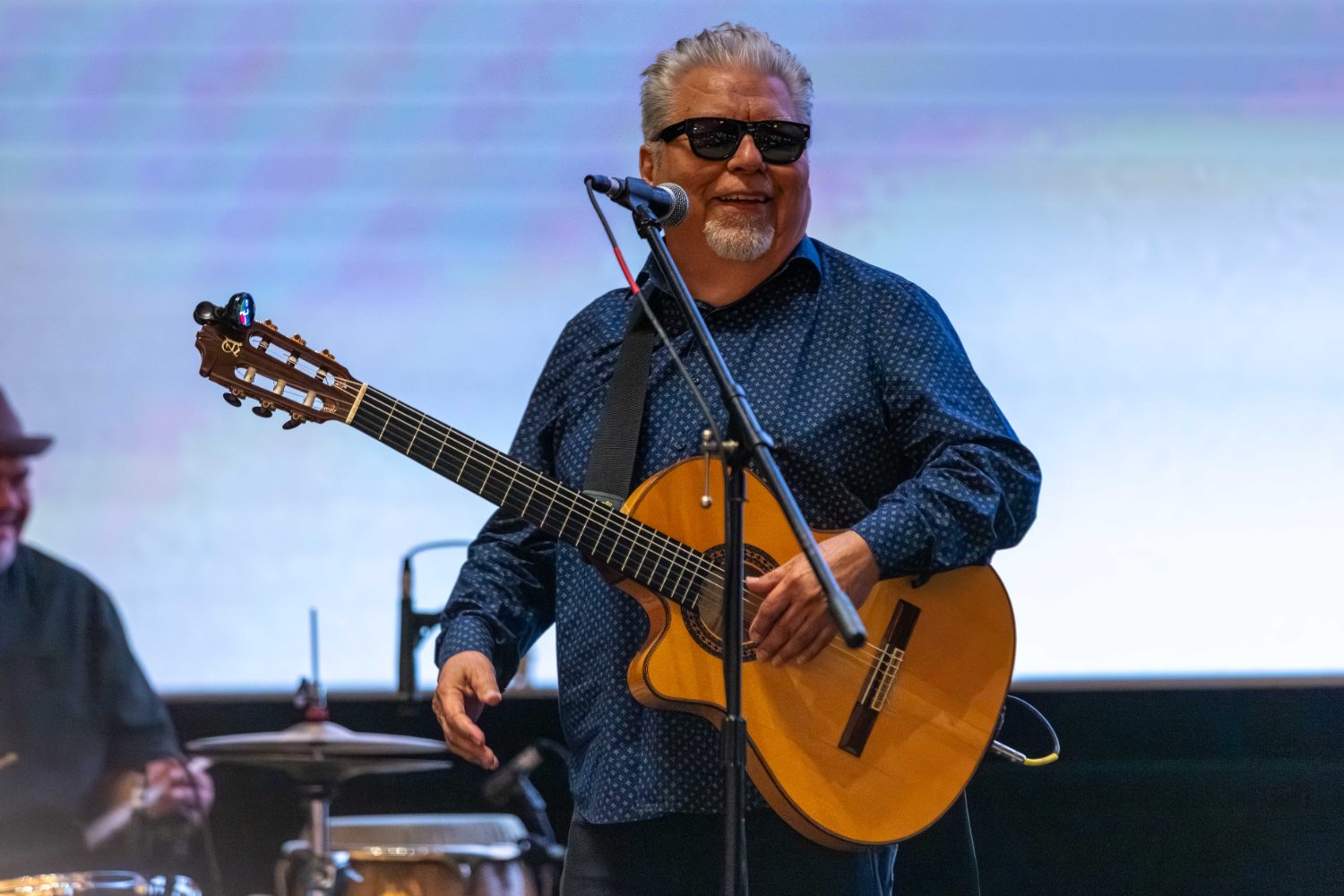
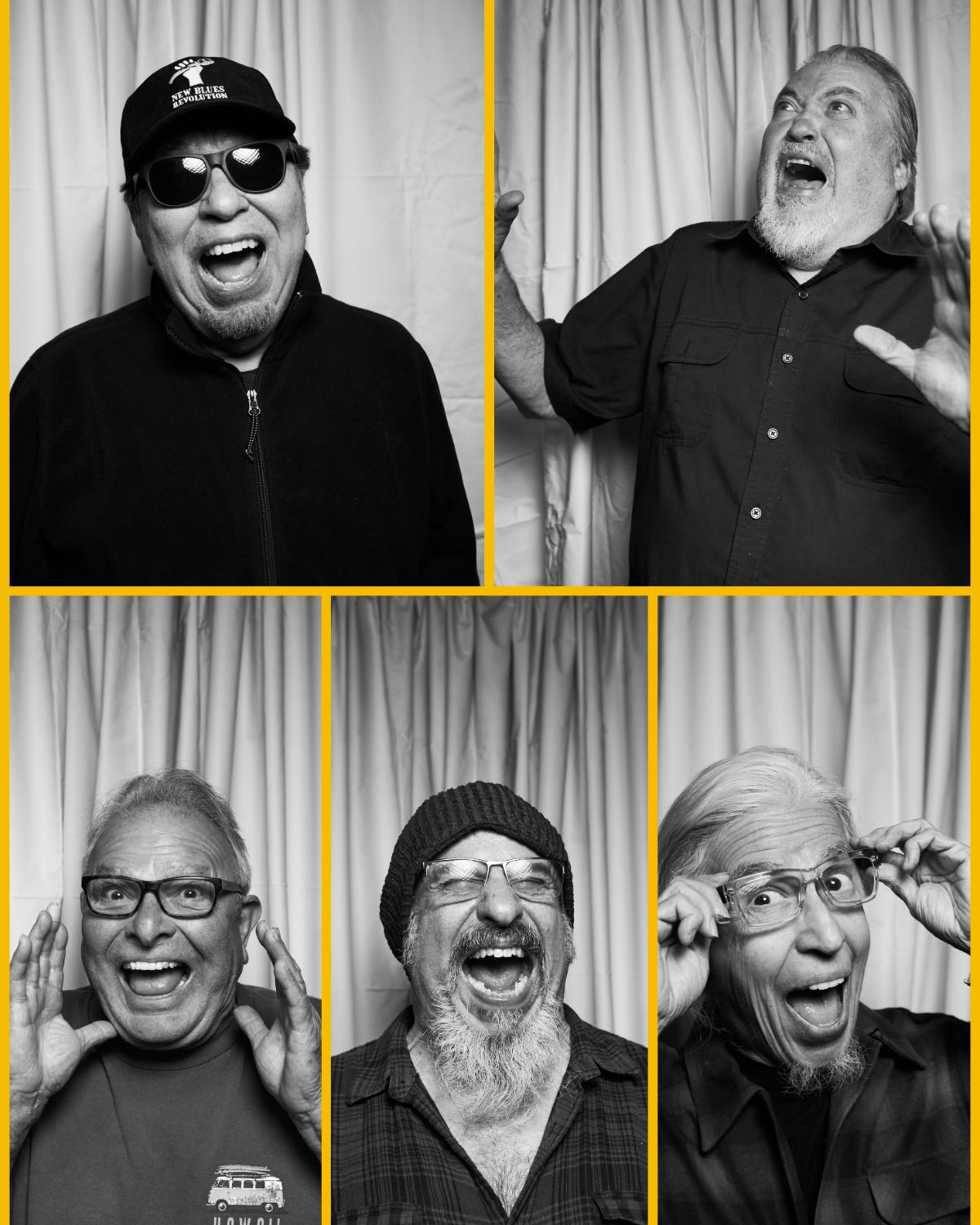
With a band that can play at least fifteen different instruments, and switch from singing an American rock and roll song to an exclusively Spanish song, their wide breadth of music mastery has made them more attractive to a wider group of people and has improved the image of Mexican-Americans around the country.
Loanzo reflected on the making of the documentary, saying, “This band has always been very humble … So to see the appreciation of our life’s work, we appreciate it! We’re not ones to pat ourselves on the back. The whole idea of a documentary about our band makes me a little nervous, but thank you for wanting to do it.”
Pérez added, “It’s fantastic. You know, we’ve been around for a long time. And speaking for myself, at the age I am right now, I’m doing my life in review anyway. So to encapsulate it like this is pretty fantastic.” He also spoke on the importance of Latino representation in the U.S., “It’s important for people to see other brown people doing things. No matter what it is. In our case, you play music and you travel around the world, demystifying the Mexican-American, the Mexicano. That’s our job, that’s what we’ve done forever. If we can be an inspiration for another generation or even this generation, to get out there and do something for each other, then that’s it. So for me, with all of this, I’m very proud to be who I am. Both American and Mexican.”
David Hidalgo also reflected on the film, saying, “Well, I just hope people like it, you know? The filmmakers, they’ve been working really hard putting this together. They’ve been flies on the walls for the last five years.” Hidalgo also spoke on what it meant for him to be a Chicano artist from East LA. “It’s our identity. I grew up in LA. I’ve been living in East LA since I was a little kid. It’s where we’re from. It’s who we are.”
“It’s the soundtrack of East LA,” said musician Enrique Bunbury in the documentary. “It somehow represents the immigrant who adapts to a new life but maintains a connection with his own tradition. That’s the DNA of Los Lobos.”
Future screenings of Los Lobos: Native Sons are updated on the documentary’s website. For fans who wish to catch the band live, the start of their El Camino tour begins on May 23 in Rancho Nicasio. On May 30 they’ll be playing with local band The McCharmly’s at Belly Up Tavern in Solana Beach, and on July 31, Los Lobos will start a co-headlining tour with Los Lonely Boys in Sacramento, with the last tour date being held in Ridgefield, Washington. More tour dates are planned for next year as well, and the band will be featured on the Latin Legends Cruise, May 13-16, 2027, from Los Angeles to Ensenada.
The band is hard at work as always as their journey continues. Not bad for just another band from East LA.
“Los Lobos: Native Sons” is currently playing at select festivals. For more information, visit loslobosfilm.com, and follow on Instagram @loslobosfilm and @loslobos.