
 Jon Stojan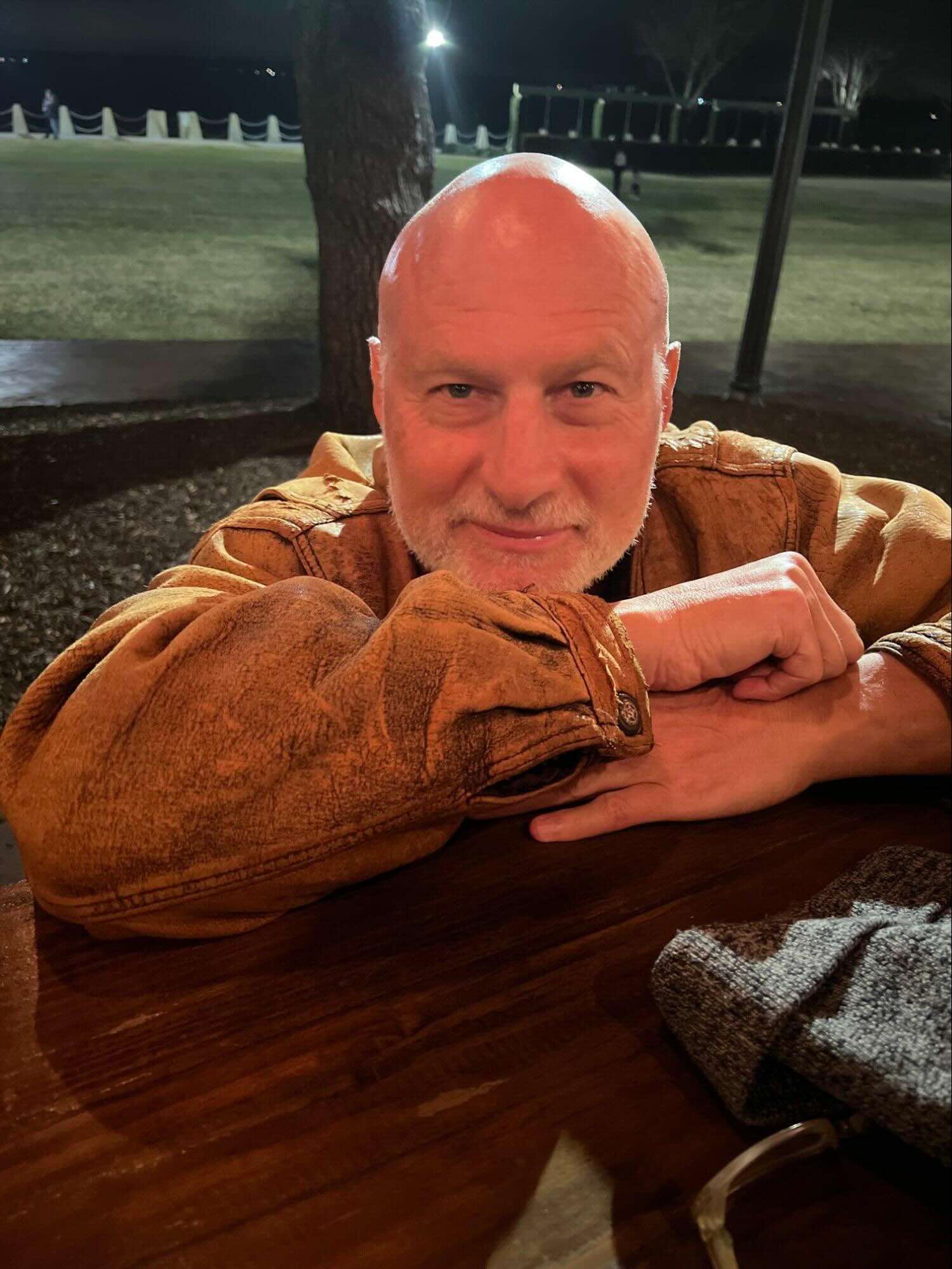
Image credit: Frederick Marx
Military Veterans are often showered with praise, receiving gratitude and enjoying a mostly positive reception from the public. There are also many post-service benefits available to them, such as educational and livelihood assistance. However, there are many sobering statistics that show how Veterans are not receiving the full support they need, allowing them to effectively reintegrate into civilian society, especially when it comes to their mental and emotional health.
Veterans are at higher risk of post-traumatic stress disorder (PTSD) than the general population, and they also struggle with unemployment, homelessness, substance abuse, and many more issues, not least of which is suicidal ideation, all stemming from unresolved trauma. There is also the concept of moral injury, which goes beyond a clinical PTSD diagnosis. This concept is explored in Veterans Journey Home, a recently completed five-film series produced, written, and directed by Oscar-nominated filmmaker Frederick Marx. To date, different films in the series have won 11 “Best Documentary” awards at film festivals worldwide.
With two military-related remembrances late in the year, namely Veterans Day (November 11) and Pearl Harbor Day (December 7), Veterans Journey Home is recommended viewing, providing an alternative, life-affirming view on Veterans’ experiences. The film series highlights Veterans’ bravery and resilience, but not in ways traditionally familiar to the public. Instead of stories about their daring exploits on the battlefield, the films depict how Veterans fight the demons within – engaging in years, even decades-long battles to make emotional and psychological peace with the ghosts of past decisions and actions.
The first installment and introduction to the series is Solutions, a 15-minute short film that lays out the series’ philosophical underpinning, where experts highlight effective community-based, non-medicalized solutions for Veterans returning home. Second is Ben’s Story, where a former Army Ranger and sniper fights to reconnect with his family and resume a place of leadership in civilian society. Kalani’s Story depicts Marine Captain Kalani Creutzburg’s dramatic struggles and how he experiences transformation through emotionally authentic men’s healing circles.
The fourth film is On Black Mountain, where 22 women Veterans learn the tools of meditation and sensory awareness to confront trauma and the ghosts of war, regrounding themselves in sisterhood and community. Finally, Leaving it on the Land follows 12 suicidal Veterans as they undergo an ancient 12-day Vision Fast ceremony, fasting in the solitude of the wilderness with minimal shelter, seeking transformation.
Marx says that he was inspired to create Veterans Journey Home in 2005 after being the first civilian filmmaker invited to document the activities of an eponymous Veterans organization focusing on emotional healing, introducing him to the extent of psychological and emotional wounds many Veterans bear, even decades after finishing their service. An earlier iteration of the same organization was called “Crossing the Bamboo Bridge” helping Vietnam Veterans cross the psychic and emotional threshold from service into meaningful civilian life. However different in eras, in these workshops Veterans share trauma from their service so they can be received in a loving, open-hearted, and non-judgmental way by others. Through this symbolic transference, the psychic weight of the trauma they carry is lifted off their shoulders and put on the shoulders of the entire community.
One of the series’ aims is to depict how many Veterans struggle with the realization that civilians often lack the willingness or capacity to truly hear and hold the depth of their stories. This cultural disconnect leaves many Veterans feeling isolated, unable to express the realities of their service, especially when their narratives don’t align with Hollywood versions of military life. He argues that the great onus for a meaningful Veterans’ homecoming falls on civilians. But civilian society has been shirking its civic responsibility to Veterans.
“Most Veterans sign up for the military in good faith, initiating a social contract where they willingly put their lives at risk for the sake of their countrymen,” Marx says. “Regardless of one’s opinion regarding any particular conflict Veterans have participated in, it’s our responsibility as civilians to honor that social contract. When Veterans return home from service, we should receive them in ways that are meaningful and help them understand that we appreciate what they’ve done for us all.”
Marx believes that showing appreciation goes well beyond saying ‘Thank you for your service’ or placing a coin into a homeless Veteran’s cup. In fact, these acts can be counterproductive, making Veterans feel unseen and unacknowledged, even dismissed – part of a generic group instead of a humanized individual. Instead, Marx says the best way civilians can help is to provide opportunities to hear Veterans’ stories and learn from them. These include inviting Veterans to one-on-one conversations over lunch or coffee, providing them an opportunity to share what they’ve experienced during service, and being received in a non-judgmental way. Other ways include creating public forums for Veterans to be heard in the community, such as in schools, churches, YMCAs, and other organizations. These can be presented as opportunities for civilians to hear the truth about military service, straight from the people who experienced it themselves, rather than from politicians or public spokespeople. Additionally, people can support Warrior Films and its various initiatives, not only telling the stories of Veterans and other underrepresented people in society but also validating actual solutions.
“Veterans Journey Home highlights the need for civilians to connect with Veterans, giving them the opportunity to love on them in a meaningful way that resonates with them,” Marx says. “Additionally, this provides illuminating opportunities for civilians since Veterans have often experienced the horrific realities of warfare first-hand. Sadly, we, as a society, tend to keep these realities at arm’s length, so that we don’t have to face the fact that these men and women are risking their bodies and minds for us and the country. We have to forgo our innocence, to no longer go willfully naive through the world. We need to learn the truth about what is going on in our name and the depth of physical and emotional harm that befalls many individuals. That’s why these films are designed not only to help provide healing and reintegration for those who have served but also as an essential first step to open the minds and hearts of the public.”