
 Will Jones
The decorated DanceSport competitor turned coach is trading the competition floor for the studio, with a teaching method built on precision, individuality, and the long game.
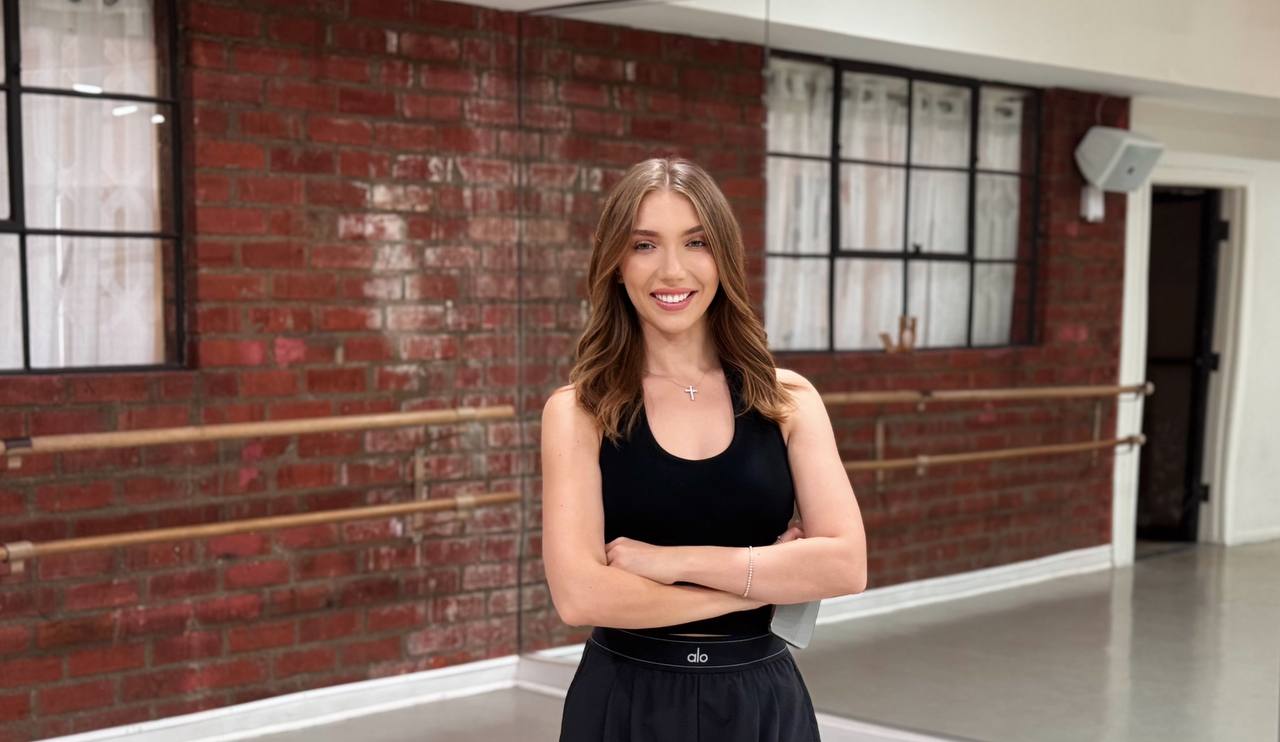
Olha Usatenko spent more than a decade learning what a ballroom floor demands. The posture that has to hold under pressure. The timing that cannot waver. The partnership that only works when two people trust the same count. Now she wants to teach it.
Usatenko, a Ukrainian ballroom and Latin dance champion with multiple first place titles at the regional, national, and international level, has announced plans to open her own dance school in the United States. The studio will carry the coaching methods she sharpened in competition to students of every age and skill level, organized around three ideas she returns to often: technical precision, individual development, and growth measured in years rather than seasons.
A Decade in Ukrainian Ballroom
Her competitive career ran for more than ten years. It started in 2012 with a first championship title and continued through the senior divisions of both the Standard and Latin programs, the two main styles of competitive ballroom. She trained under recognized Ukrainian coaches and competed with partners who helped her stack repeated first place finishes. A serious injury eventually closed that chapter, pushing her off the floor and into the work she now considers her real calling: coaching and the development of her own teaching methodology.
A Coaching Method Built Student by Student
“The children I work with are what inspire me,” Usatenko said. “I want to give students a real foundation, not a shortcut. Technique, posture, musicality, and confidence all have to grow together. That is what I plan to build here.”
That foundation is the part she talks about most. Usatenko has little interest in the assembly line approach that runs dancers through the same template and hopes a champion falls out the other end. Her instruction is built student by student. She reads for strengths first, sets the fundamentals, and only then layers on the artistry and stage presence that audiences notice and judges reward.
She describes ballroom as something closer to a discipline than a hobby, a meeting point of physics, psychology, and what she calls a school of life. It is a view earned the hard way, through years of high level competition and study under top international instructors, and it shapes how she frames the studio she wants to build. She is less interested in manufacturing trophies than in giving serious students a place to train seriously.
There is more to her resume than the floor. Usatenko holds a degree in International Relations and works as a qualified Spanish translator, a background that feeds the way she communicates and coaches across cultures and languages. For a teacher planning to work with students from different backgrounds in a new country, that range is not a side note. It is part of the method.
Building a Dance School to Last
For now, the specifics are still taking shape. Usatenko has not named a location, a program structure, or an opening date, saying only that those details will come in the coming months. What she has committed to is the standard. The school is meant to be a lasting home for serious dance education in the United States, built on the same expectations she absorbed coming up through the Ukrainian system.
If the floor taught her anything, it is that nothing good arrives quickly. She seems intent on building the school the way she built her career: slowly, deliberately, and to last.